 PuroClean of San Clemente
In the moments after a fire, confusion and fear often take over. Yet, what you do next determines how safe your recovery will be. Once the flames are out and firefighters leave, your home may still hold hidden risks, unstable structures, lingering smoke, and contaminated air.
Knowing the right fire emergency steps helps you protect your family, prevent further damage, and prepare your home for restoration safely. In this blog, we’ll walk through what to do immediately after a fire, how to ensure home safety after fire, and how to get ready for professional restoration the right way.
What to Expect in the First 24 Hours After a Fire
The first day after a fire is often overwhelming, but it’s also when every decision counts. Even small actions can make the difference between a safe cleanup and a dangerous mistake. Fire damage goes beyond visible soot or smoke stains; residual heat, unstable materials, and electrical hazards can persist long after the flames are gone.
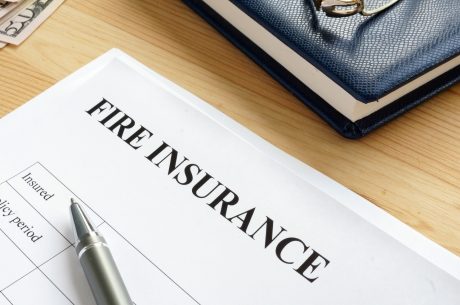
Take things one step at a time. Focus first on home safety after fire, not on cleaning or moving items. Your top priorities in this period are to ensure everyone’s health, secure the property, and begin documenting damage for insurance. If you’re unsure how your policy applies to fire situations or what coverage typically includes, our blog Fire Damage and Home Insurance offers a helpful breakdown to guide you through the early insurance steps.
Quick Safety Steps to Follow After a Fire
Once the fire department confirms your property is safe to re-enter, you can begin with a few careful measures. These early fire emergency steps help prevent additional loss and ensure your safety while waiting for professional help.
Here’s what to do right away:
- Call emergency services again if needed. Even after extinguishing, fires can reignite due to smoldering embers.
- Notify your insurance provider immediately and start a claim.
- Do not re-enter until the fire department confirms it’s structurally safe.
- Turn off utilities like gas, electricity, and water if instructed; it prevents secondary hazards.
- Document all visible damage through photos and brief notes before touching anything.
- Retrieve only essentials such as IDs, medication, and important documents.
- Keep children and pets away from affected zones until cleanup begins.
Each of these fire emergency steps limits risks from hidden heat sources, soot contamination, and debris. Acting methodically also ensures a smoother handover when restoration specialists arrive. For more practical guidance, the American Red Cross outlines four key steps to take immediately after a home fire to help families begin recovery safely.
How to Keep Your Home Safe After a Fire
Safety always comes first after any disaster. Even minor fires can leave behind toxic particles, electrical damage, and structural instability. Understanding what to check and what to avoid keeps you from unknowingly worsening the situation.
Structural and Electrical Safety Checks
Never assume your home is stable right after a fire. Walls, ceilings, and floors may have weakened from heat or water exposure. Avoid walking on charred areas or moving heavy furniture. Electrical systems, too, are highly sensitive to heat and soot.
If power lines, outlets, or wiring were affected, contact a licensed electrician for inspection before switching anything on. Following these fire emergency steps prevents electrocution or hidden short circuits that can spark again later.
Air Quality and Contamination Risks
Smoke and soot particles can linger in the air long after the fire is out. They cling to fabrics, furniture, and vents, causing lingering odors and potential health effects. Ventilate by opening windows but avoid turning on HVAC systems until cleaned.
Professional restoration teams use specialized filters and deodorizers to remove toxins and restore indoor air quality. Maintaining home safety after fire means addressing not just what’s visible, but what you can’t see or smell.
Emotional and Mental Health Considerations
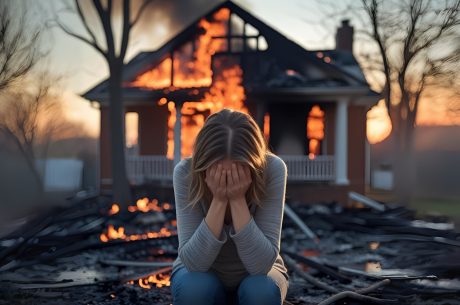
Recovering from a fire isn’t just about cleaning; it’s about coping. Home loss or damage brings emotional strain and anxiety. Taking time to rest, speaking with counselors, or reaching out to community support services helps you and your family regain stability.
Prioritizing emotional health is an essential, often-overlooked part of home safety after fire. Addressing both physical and emotional aspects ensures your recovery isn’t just quick, but sustainable.

Preparing for Professional Restoration
Once the immediate dangers are under control, focus shifts to restoration. This process involves cleaning, drying, sanitizing, and repairing affected areas. But before that begins, homeowners can take small preparatory steps that make professionals work safer and faster.
Practical actions before restoration begins:
- Provide your insurance documents and damage records to the restoration team.
- Request a full safety inspection to assess structural, electrical, and air quality hazards.
- Separate salvageable items from irreparably damaged ones but avoid handling soot-covered surfaces directly.
- Move unaffected belongings to a safe, dry area or temporary storage.
- Arrange temporary housing if your home isn’t livable yet.
These fire emergency steps help ensure a structured and efficient cleanup process. Early coordination reduces the chance of cross-contamination and secondary damage, setting up the foundation for proper restoration work. For more on handling cleanup safely, refer to the EPA’s official guide on post-fire cleaning, which outlines best practices for managing contamination in residential settings.
Understanding What Not to Do After a Fire
Just as important as knowing what to do is understanding what not to do. In the rush to save belongings, many homeowners unintentionally make the situation worse.
Avoid these mistakes after a fire:
- Don’t clean walls or fabrics yourself; smoke and soot require professional-grade solvents.
- Don’t use electrical appliances until they’ve been checked.
- Don’t eat or drink anything exposed to smoke or heat.
- Don’t turn on ceiling fans if the ceiling is wet or sagging.
- Don’t discard heavily damaged items before your insurance adjuster inspects them.
These cautions are part of smart fire emergency steps that protect both your health and your insurance coverage.
Conclusion
The hours and days after a fire are emotionally and physically draining but knowing the right fire emergency steps makes recovery manageable. By prioritizing home safety after fire, documenting damage, and calling certified professionals early, you minimize risks and restore stability faster.
Each small, deliberate action, from shutting off utilities to seeking emotional support, brings you one step closer to a safe, restored home. Fire may leave its mark, but preparation and caution ensure it doesn’t define your future.
FAQs
Q1. When is it safe to go back inside after a fire?
A: Only return when the fire department confirms it’s structurally sound. Even small flare-ups can occur if embers remain. Waiting for professional clearance is one of the most vital fire emergency steps.
Q2. Who should I contact first after a house fire?
A: Once everyone is safe, call your insurance provider and a certified restoration company. Coordinating early helps protect home safety after fire and speeds up recovery.
Q3. What items should I avoid touching before restoration?
A: Avoid anything covered in soot or exposed to smoke, especially electronics, fabrics, and food. Moving these items can worsen contamination and complicate the cleanup process.
 PuroClean of San Clemente