 PuroClean of San Clemente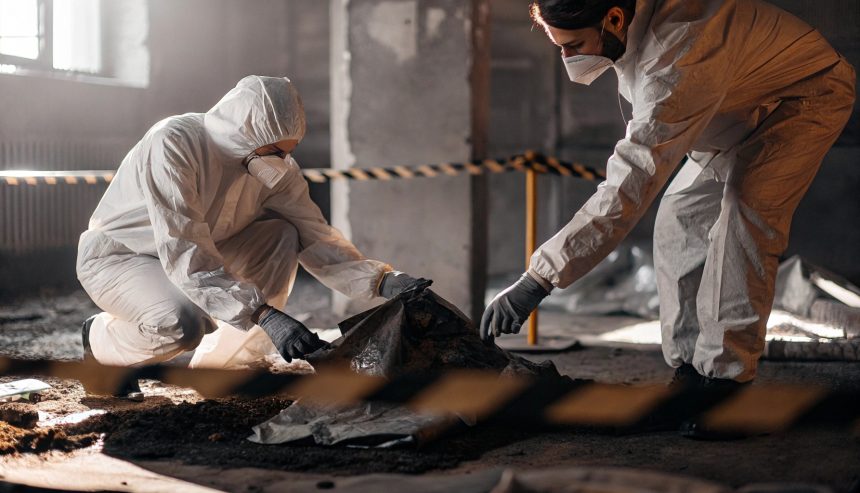
Biohazard cleanup often happens quietly and quickly, but the journey of the waste afterward is rarely understood. Once technicians remove contaminated materials, those items follow a highly controlled path designed to prevent exposure, protect the environment, and comply with strict regulations. This process involves multiple steps, specialized facilities, and legal oversight.
Only after this sequence is complete can biohazard waste disposal be considered safe and compliant. In this blog, we’ll break down exactly what happens after biohazard materials leave the scene; how they’re sorted, packaged, transported, treated, and finally disposed of, so you can clearly understand the full lifecycle of hazardous substances and why each step matters for community safety.
Understanding What Counts as Biohazard Waste
Biohazard waste includes any material contaminated with blood, bodily fluids, sharps, or infectious substances. During a cleanup, this can range from absorbent materials to broken glass, PPE, and damaged belongings. Identifying these items correctly is the first essential step in biohazard waste disposal, as misclassification can pose serious risks.
Proper biohazard waste management also depends on clear labeling and regulated handling from the start of the process. National guidelines distinguish general healthcare waste from regulated medical waste and outline specific categories, such as microbiology laboratory waste, pathology waste, blood products, and contaminated sharps, that require special handling, as detailed in CDC guidance on regulated medical waste.
Types of Waste Collected During Cleanup
The variety of contaminated materials collected can be extensive. Items such as carpets, medical supplies, clothing, tools, and furniture may need to be removed carefully. Each category follows a different path in the regulated disposal process, depending on its material and risk level. Clear separation supports safer biohazard handling and ensures nothing is processed without appropriate precautions.
How Biohazard Waste Moves from the Scene to Disposal Facilities
Once waste is safely removed, it is immediately packaged and documented. The transport process follows strict federal and state rules to prevent leaks, spills, or exposure. The chain of custody begins here, ensuring every step is traceable. This movement is a critical component of contaminated biological material disposal, especially when dealing with regulated medical waste that must meet compliance standards.
Secure Packaging and Labeling Procedures
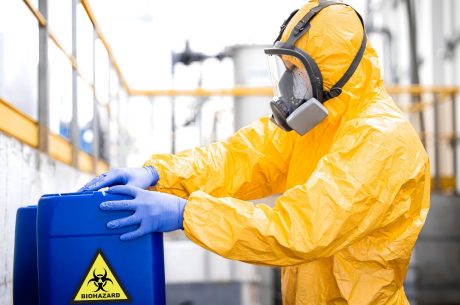
Technicians seal waste in puncture-resistant and leak-proof containers before labeling it with hazard symbols and tracking information. This step ensures that handlers always know the risk level of the materials. Proper packaging is foundational to effective biohazard waste management, and it significantly reduces the chance of accidental exposure during transport.
Transportation Under Strict Regulations
Certified transporters pick up the sealed containers and deliver them to approved treatment facilities. Drivers follow U.S. Department of Transportation and state-approved protocols to maintain safety during transit. This stage of contaminated material disposal ensures that hazardous debris never mixes with regular waste streams. Safe transportation is also a measurable part of responsible biohazard material management and must follow legal guidelines.
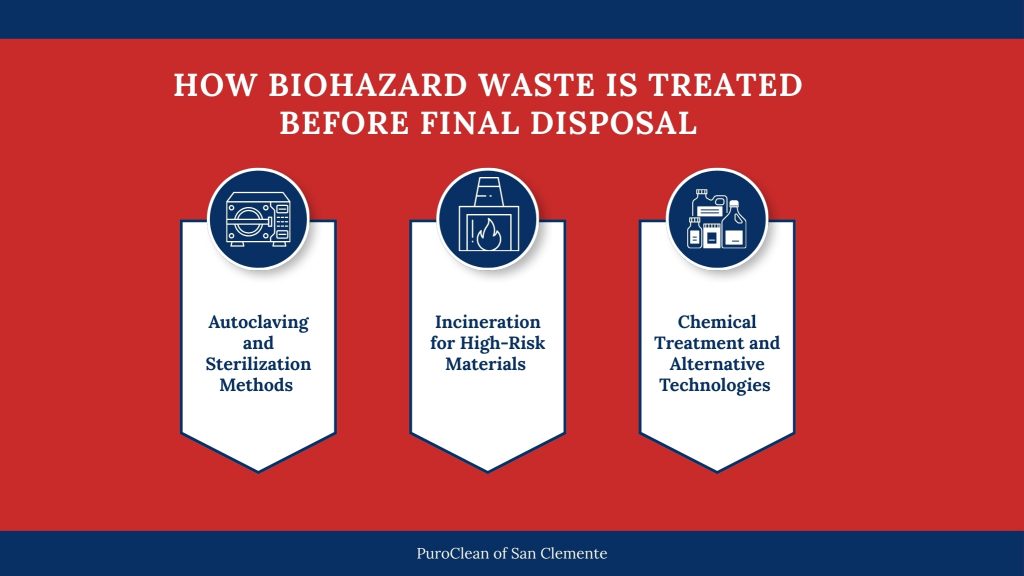
How Biohazard Waste Is Treated Before Final Disposal
Treatment eliminates or neutralizes harmful pathogens so the waste no longer poses a threat. Facilities use specialized equipment and procedures to achieve complete disinfection or destruction. This part of biohazard waste disposal ensures that waste cannot cause harm once it leaves its controlled environment.
Autoclaving and Sterilization Methods
Autoclaving exposes waste to high heat and pressure, destroying microorganisms and pathogens. It is one of the most widely used techniques in biohazard waste disposal, especially for items like PPE, fabrics, and medical plastics. Autoclaving also plays a central role in modern biohazard waste management, helping convert infectious waste into safe material.
Incineration for High-Risk Materials
Some materials require total destruction. Incineration eliminates waste at extremely high temperatures, making it effective for sharps, pathological waste, and heavily saturated materials. This method remains a critical process in biological contamination of debris disposal and is recommended when sterilization alone cannot ensure safety.
Facilities that perform this step must meet environmental standards to support responsible biohazard waste management practices. As explained in our related blog, The Dangers of DIY Biohazard Cleanup: Why Professionals Are Essential, high-risk materials should never be handled without expert processes like incineration, which ensures complete and compliant destruction.
Chemical Treatment and Alternative Technologies
When heat-based methods are inappropriate, chemical agents are used to neutralize infectious materials. Advanced oxidation and other emerging technologies offer additional options for processing biohazard materials safely. These methods expand the range of materials that can be processed safely, strengthening overall biohazard waste management systems.
Final Disposal and Its Environmental Impact
Treated waste is monitored to ensure it poses no biological threat before entering designated landfill areas. Regulations require facilities to document treatment results and maintain accountability. This safeguards communities and supports environmentally conscious biohazard agent disposal practices. Consistent oversight also strengthens long-term contaminated biological material management by keeping harmful materials out of public spaces.
Landfill Disposal After Neutralization
Once neutralized, waste can be cleared for landfill placement. This final step ensures that previously hazardous material no longer carries risk. Safe landfilling is an essential endpoint in biohazard material disposal and must follow strict facility guidelines that protect soil and groundwater. This process supports sustainability within hazardous medical debris management systems.
How Regulations Ensure Environmental Protection
Regulations exist to limit environmental harm and enforce strict compliance. Hospitals in the United States generate an estimated 5.9 million tons of waste each year, and worldwide, more than 16 billion injections are administered annually, with many not disposed of safely.
These numbers show how much potentially hazardous material must be managed correctly to prevent contamination. Strong oversight ensures that biohazard waste disposal remains consistent with safety standards and continues to protect both public health and the environment. Clear regulations also support reliable biohazard waste management practices across all facilities.
Conclusion
After cleanup, contaminated biological material follows a detailed, tightly controlled journey designed to eliminate risk and ensure environmental protection. Treatment, documentation, and regulated disposal are essential components of responsible biohazard waste management.
Understanding these steps helps families see how biohazard waste disposal safeguards both communities and the environment. If you ever face a situation involving hazardous materials, take the time to consult trained professionals who can guide you through the safest next steps.
FAQs
Q1. What happens to biological waste immediately after a cleanup?
A: It is packaged securely, labeled, and transported to approved facilities for treatment as part of regulated biohazard debris disposal practices.
Q2. Why can’t biohazard debris be thrown away with regular trash?
A: It contains infectious material and must go through controlled biohazard materials management processes to prevent public exposure.
Q3. Who oversees the safety rules for handling and disposing of biohazard materials?
A: Multiple agencies regulate biohazard materials disposal, including the EPA, DOT, and state health departments.

 PuroClean of San Clemente