 PuroClean of San Clemente
Imagine discovering a dark, fuzzy patch creeping along the corner of your bathroom wall. At first, it seems harmless, but over time, it can silently affect the health of everyone in your home. In California, where humidity, water leaks, and older buildings are common, dark mold is a hidden hazard that often goes unnoticed. Understanding black mold and its potential effects is key to keeping your household safe and healthy.
Toxic mold isn’t just an aesthetic problem; it can compromise indoor air quality and create an environment where harmful spores circulate throughout the home. Many homeowners don’t realize that even small patches can expand quickly if left unaddressed, increasing black mold health risks and making early awareness and preventive action essential for protecting both property and family health.
Why Black Mold Thrives in California Homes
Black mold, scientifically known as Stachybotrys chartarum, isn’t just any household fungus. Unlike other molds, it produces mycotoxins that can irritate the respiratory system and skin when inhaled or touched, making black mold health risks a serious concern for California homeowners.
It usually develops in damp areas such as bathrooms, kitchens, basements, and behind water-damaged walls. Homes with poor ventilation, roof leaks, or slow-draining plumbing are particularly vulnerable. Even minor leaks or condensation can allow spores to settle and grow unnoticed, slowly spreading behind walls, under carpets, and inside cabinets. Homes in coastal areas like San Clemente face an added risk due to higher humidity and salty air, as we discuss in our blog on coastal homes and mold. Over time, prolonged exposure can lead to mold exposure symptoms, including coughing, sneezing, and skin irritation.
Understanding where dark mold develops helps homeowners prevent infestations before they affect both property and health. Being aware of moisture-prone areas is the first step in mitigating black mold health risks.
Common Signs of Black Mold in Your Home
Identifying dark mold early can prevent serious health problems. Look out for these common signs:
- Dark green or black patches on walls, ceilings, or around windows: These patches are often fuzzy or slimy. If left untreated, they can spread quickly, affecting larger areas of your home.
- Persistent musty or earthy odor: Even if mold isn’t visible, a lingering musty smell often indicates hidden growth behind walls or furniture.
- Visible mold growth behind furniture, under carpets, or inside cabinets: Hidden areas are common breeding grounds. Regular inspections in these spots are essential to stop mold from spreading.
- Water stains or discoloration on walls and ceilings: Stains may appear as yellow, brown, or even darker splotches. Moisture trapped behind walls encourages mold growth over time.
- Peeling paint or wallpaper in areas prone to moisture: Warping or bubbling paint indicates prolonged water exposure, which often leads to mold beneath the surface.
Early detection of these signs is crucial for preventing toxic mold from spreading and triggering health problems. Addressing issues promptly helps reduce the long-term black mold health risks for your household.
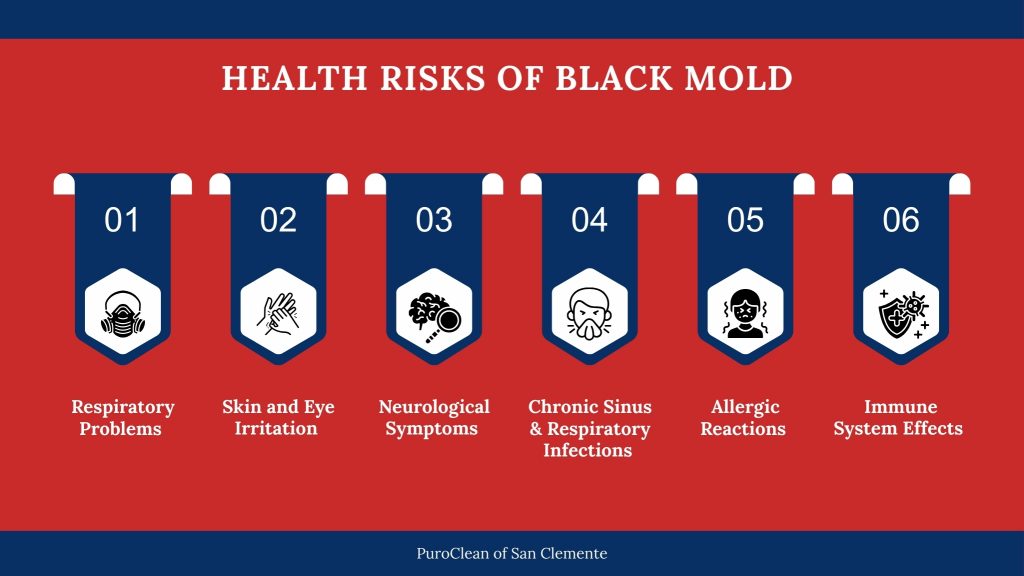
Health Risks of Black Mold
Fungal growth can release spores into the air, which may cause a variety of health issues. Being aware of the black mold health risks is particularly important for children, elderly individuals, and people with asthma or weakened immune systems. Short-term exposure may cause irritation, while long-term exposure can result in more serious complications.
Respiratory Problems
Persistent exposure to toxic mold spores can cause coughing, sneezing, and wheezing. Individuals with asthma may experience more severe attacks. Even healthy individuals may notice chronic irritation in the airways. Understanding these respiratory black mold health risks can help you act quickly if symptoms arise.
Skin and Eye Irritation
Direct contact or airborne spores can lead to itchy, red skin or rashes. Eyes may become watery or irritated after spending time in contaminated areas. These effects are common mold exposure symptoms that indicate prolonged contact with black mold.
Neurological Symptoms
Long-term exposure to fungal growth may contribute to headaches, dizziness, fatigue, and difficulty concentrating. These neurological symptoms are another aspect of black mold health risks and should not be ignored, as they can interfere with daily life.
Chronic Sinus and Respiratory Infections
Some individuals may experience persistent sinus infections, nasal congestion, or recurring bronchitis. These mold exposure symptoms often develop slowly and indicate prolonged exposure to contaminated indoor air.
Allergic Reactions
Even in otherwise healthy individuals, dark mold can trigger allergic reactions, including sneezing, throat irritation, and increased sensitivity to pollen or dust. According to Mayo Clinic, common symptoms of a mold allergy encompass sneezing, runny or stuffy nose, cough, itchy eyes, nose, and throat, as well as watery eyes and dry, itchy skin. Recognizing these reactions early helps mitigate long-term black mold health risks.
Immune System Effects
Prolonged exposure to toxic mold may weaken the immune system, making it harder to fight off colds, flu, or other infections. This effect is subtle but adds another layer to the potential black mold health risks for households with ongoing mold issues.
Steps to Take When You Discover Black Mold
When you discover fungal growth in your home, knowing how to respond immediately can make a big difference. The following steps provide practical guidance to reduce health risks and prevent further contamination.
- Do not panic: Minor infestations can often be managed, but larger ones need professional attention.
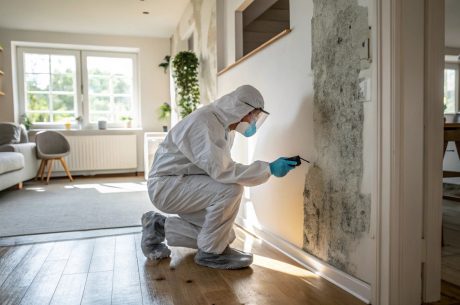
- Protect yourself: Use gloves, masks, and eye protection if you attempt to inspect or clean small areas.
- Isolate the area: Keep children and pets away to prevent exposure.
- Assess the extent: Determine whether the mold is surface-level or has spread behind walls or under flooring.
- Call professionals if needed: Widespread mold, HVAC contamination, or recurring leaks require certified remediation.
- Document and repair water sources: Fix leaks, improve ventilation, and monitor humidity to prevent future growth.
Taking immediate, informed steps can reduce the long-term black mold health risks and minimize mold exposure symptoms for everyone in your home.
Conclusion
Fungal growth may start small, but its impact on your home and health can grow quickly if ignored. Recognizing the early signs and understanding the black mold health risks and mold exposure symptoms gives you the power to prevent serious problems. By staying vigilant, controlling moisture, and seeking professional help when needed, you can protect both your living space and your family’s well-being. Taking action today ensures a safer, healthier home for tomorrow.
FAQs
Q1. How can I tell if black mold is affecting my health?
A: Look for persistent respiratory issues, skin irritation, or unusual allergic reactions. These are common mold exposure symptoms, and professional testing can confirm exposure.
Q2. Is black mold dangerous for everyone?
A: Most people experience mild symptoms, but children, elderly individuals, and those with respiratory conditions are at higher risk. Long-term exposure can lead to serious black mold health risks.
Q3. Can I clean dark mold myself safely?
A: Small areas may be cleaned with protective gear, but large infestations or hidden mold require professional removal to prevent further exposure and reduce ongoing black mold health risks.


 PuroClean of San Clemente