 PuroClean of San Clemente
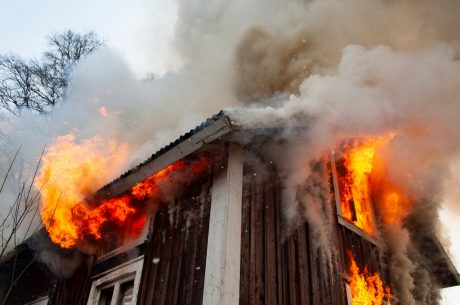
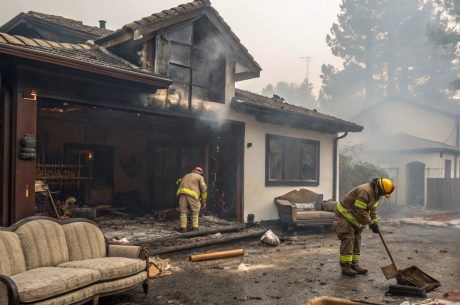
The aftermath of a fire is overwhelming. Beyond the structural damage, the sight of blackened devices, smoke-covered photo albums, and heat-warped keepsakes can feel devastating. Many people assume everything touched by flames or smoke is beyond repair, but that’s rarely true.
Professional teams step in with specialized tools, technical knowledge, and carefully controlled processes. Through contents restoration, experts focus on salvaging what appears lost, from laptops and televisions to heirlooms and important documents.
At the same time, structured fire-damaged belongings recovery efforts help reduce financial loss and preserve meaningful possessions. Understanding how this process works can make a difficult situation feel far more manageable.
Why Immediate Response Protects What Can Be Saved
Time plays a critical role after a fire. Even once the flames are out, soot and smoke residues continue to corrode metal, stain surfaces, and penetrate delicate components.
Quick action allows restoration teams to stabilize items before permanent damage sets in. In many cases, early contents restoration intervention prevents oxidation inside electronics and stops acidic soot from eating into wiring, circuit boards, and fabrics. Acting fast often determines whether something is repaired or replaced.
Organizations like the American Red Cross also emphasize taking structured recovery steps immediately after a home fire to reduce further loss and protect what can still be saved. Their guidance on home fire recovery supports the same principle professionals follow, addressing damage quickly before it worsens.
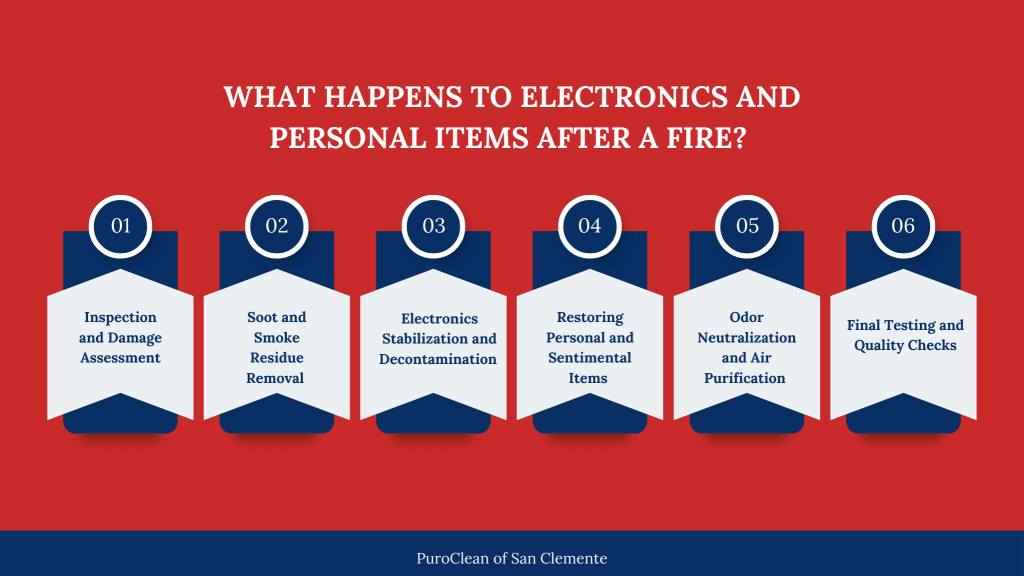
What Happens to Electronics and Personal Items After a Fire?
Heat, soot, and smoke each affect belongings differently. High temperatures can warp plastic and melt internal components, while microscopic soot particles settle deep inside vents and seams. Smoke carries acidic compounds that silently damage metal and discolor surfaces long after the fire ends.
During fire-damaged belongings recovery, specialists evaluate not only visible burns but also hidden contamination. An item that looks intact on the outside may have internal corrosion or smoke infiltration that requires professional treatment. Identifying these risks early ensures the right restoration strategy is chosen.
Step 1: Inspection and Damage Assessment
The first stage always begins with a detailed evaluation. Restoration teams sort items by material type, level of exposure, and potential for repair.
Technicians document every item for insurance purposes and determine whether contents restoration is viable. Electronics are opened and inspected internally, fabrics are tested for smoke saturation, and paper goods are checked for moisture absorption. This structured assessment prevents unnecessary disposal and ensures resources are focused on salvageable belongings.
Step 2: Soot and Smoke Residue Removal
Soot is more than just black dust. It is often acidic and highly corrosive, capable of damaging metal contacts and staining porous materials permanently.
In the early stages of fire-damaged belongings recovery, experts use HEPA vacuums, anti-static brushes, and specialized cleaning agents to remove loose and bonded soot. For electronics, dry cleaning methods are preferred initially to avoid pushing residue deeper into circuitry. Each surface requires a different approach to prevent further harm.
Step 3: Electronics Stabilization and Decontamination
Electronic devices demand careful handling. Turning on a smoke-exposed device without inspection can cause short circuits or permanent failure.
During contents restoration, technicians disconnect power sources, dismantle components, and clean circuit boards using industry-approved solutions. Ultrasonic cleaning machines are often used to remove contaminants from intricate parts. After cleaning, items are placed in controlled drying chambers to eliminate residual moisture and prevent corrosion from spreading.
This process allows many devices; computers, gaming systems, televisions, and small appliances, to function safely.
Step 4: Restoring Personal and Sentimental Items
Personal belongings require a different level of attention. Clothing, photographs, books, and keepsakes often absorb smoke deeply into fibers and paper layers. Through fire-damaged belongings recovery, experts use textile-specific cleaning systems, ozone treatments, and deodorization techniques to remove embedded smoke particles.
For important documents and photographs, freeze-drying methods are sometimes applied to prevent warping and ink bleeding. These techniques are especially useful when water is used to extinguish the fire. Restoring sentimental items involves both technical skill and careful material handling.
Step 5: Odor Neutralization and Air Purification
Smoke odor lingers long after visible soot is removed. Tiny odor particles cling to surfaces and can reactivate in humid conditions. Professional contents restoration includes advanced deodorization methods such as thermal fogging and hydroxyl or ozone treatments.
These processes neutralize odor at a molecular level rather than simply masking it. Air scrubbers with specialized filtration systems are also used to purify the environment before items are returned. Eliminating odor completely ensures belongings are safe and comfortable to use again.
Step 6: Final Testing and Quality Checks
Restoration does not end with cleaning. Every electronic device undergoes performance testing to confirm functionality and safety.
As part of the final contents restoration phase, technicians verify that internal components operate correctly, connections are stable, and no residual contamination remains. Personal items are re-inspected for stains or lingering odor. Once cleared, belongings are carefully packed and prepared for return. This step provides reassurance that restored items meet safety standards before reentering the home.
Why Professional Restoration Is Different from DIY Cleaning
Attempting to clean fire-damaged electronics at home can cause irreversible harm. Household cleaners may leave moisture behind, and improper handling can worsen corrosion inside devices.
Professional teams rely on structured contents restoration procedures that follow industry standards and use specialized equipment unavailable to most homeowners. Their expertise allows them to dismantle, clean, and reassemble electronics safely while minimizing additional damage.
In addition, organized fire-damaged belongings recovery reduces long-term replacement costs. Salvaging high-value electronics and irreplaceable items often proves more economical than purchasing new ones. Professionals also coordinate documentation for insurance claims, streamlining the recovery process.
Conclusion
Seeing your belongings damaged by fire can feel discouraging, but many items can be saved with the right approach. From detailed inspections to deep cleaning, deodorization, and final safety testing, restoration experts follow a methodical path to bring items back to usable condition.
Through professional contents restoration, electronics and personal possessions are stabilized, cleaned, and carefully returned whenever possible. Acting quickly and relying on trained specialists significantly increases the chances of successful recovery.
At the same time, it’s important to understand that fire doesn’t only affect what’s inside your home. Structural damage and foundation concerns can develop beneath the surface, and homeowners can refer to our blog on fire damage impact on home structure and foundation safety to better understand the risks and warning signs during recovery.
FAQs
Q1. Can electronics really be saved after a fire?
A: Yes, many devices can be restored if corrosion and heat damage have not destroyed critical components. Professional fire-damaged belongings recovery includes internal cleaning and testing to determine whether safe operation is possible.
Q2. How long does restoration usually take?
A: The timeline depends on the level of damage and the number of items involved. A standard contents restoration process may take several days to a few weeks, especially if specialized cleaning or drying methods are required.
Q3. Is it safe to use items after they’ve been restored?
A: Once testing and inspection confirm proper function, restored items are generally safe to use. A complete contents restoration procedure includes safety verification before belongings are returned.
 PuroClean of San Clemente