 PuroClean of San Clemente
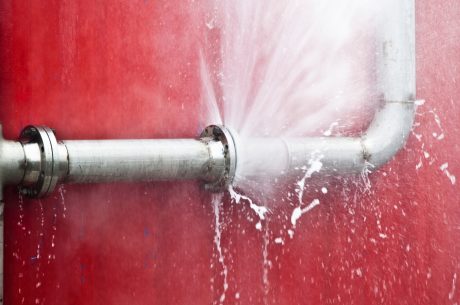
Water damage starts quietly. A small leak behind a wall, a damp spot near a window, or a slow drip under the sink can feel harmless at first. But moisture never stays still. It spreads through materials, weakens structures, and creates changes that many people don’t notice until the damage becomes expensive or even dangerous. Ignoring these early warning signs can lead to far bigger issues than most homeowners expect.
A home doesn’t need to be visibly flooded to experience serious deterioration. Even minor moisture, when left unaddressed, gradually seeps into flooring, drywall, insulation, and framing. As this continues, long term water damage effects become more noticeable and significantly harder to reverse. Understanding how this process evolves can help you prevent hidden damage, health concerns, and major restoration costs in the future.
Understanding How Water Damage Progresses Over Time
Water damage moves through stages, each one more challenging to reverse. At first, materials simply absorb moisture. Over time, this moisture begins breaking down surfaces, loosening fasteners, and creating pockets of hidden dampness. This is where long term water damage effects begin taking hold in ways that aren’t always visible.
Porous surfaces like wood, drywall, and insulation pull water inward, allowing it to spread without detection. As hours turn into days, trapped moisture increases indoor humidity, encourages mold growth, and weakens the structure. What starts as a small wet area eventually turns into a deeper problem that touches multiple parts of the home. The longer the water stays, the more damage develops beneath the surface.
Early Indicators That Should Never Be Overlooked
Some signs of water damage appear long before serious issues develop. These early changes are often subtle, easy to miss, or brushed aside as minor household problems. However, small shifts in smell, texture, or appearance can signal the beginning of untreated water damage risks that threaten both safety and comfort.
Being able to identify these changes early allows homeowners to address the issue before it grows into something complex, costly, or structurally unsafe.
Lingering Moisture and Musty Smells
When a room consistently smells damp, it often means moisture has seeped into materials that don’t dry on their own. Even if no water is visible, these odors often indicate hidden dampness behind walls, under floors, or around plumbing. Over time, these smells become stronger as surfaces continue absorbing moisture. This early sign is often one of the first indicators of increasing long term water damage effects.
Stains That Gradually Spread or Darken
Water stains rarely stay the same size. A small patch on the ceiling or wall that slowly spreads or darkens usually shows that moisture is actively moving through the structure.
These stains can indicate a roof leak, plumbing issue, or condensation buildup. As they expand, they often signal the beginning of long term water damage effects, where moisture continues to travel into deeper layers of the home. The more the stain grows, the more extensive the underlying damage becomes, signaling internal deterioration that shouldn’t be ignored.
Walls or Floors Starting to Warp
When materials like wood or laminate absorb water, they expand and shift. Warped floors, raised edges, or soft spots underfoot often mean moisture has been sitting long enough to alter the material’s shape. In some cases, walls may start bulging, bubbling, or separating from their frame.
These structural changes point to developing untreated water damage risks that can worsen quickly, and if hardwood is involved, our blog on whether water-damaged floors can be saved offers helpful guidance.
Increasing Indoor Humidity Levels
A consistently humid room, foggy windows, or damp surfaces can indicate moisture trapped in the home. Even without visible leaks, rising humidity often means water has entered the structure and is evaporating into the air. Over time, this leads to condensation, mold, and material breakdown. These early atmospheric changes often signal a larger issue beneath the surface.
The Long-Term Consequences of Ignoring Water Damage
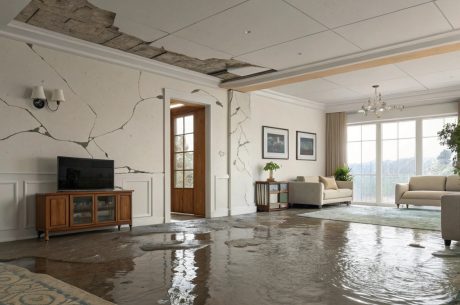
The longer moisture sits, the more complicated and costly the damage becomes. Water does not stay in one place; it travels, weakens materials, and creates conditions where mold thrives. What begins as a minor issue can transform into widespread deterioration that impacts safety, health, and the home’s structural integrity.
Once the damage reaches a certain point, repairs often require the removal of flooring, drywall, insulation, or electrical components. Delaying action allows long term water damage effects to spread across areas that could have been saved with earlier intervention.
Structural Weakening and Hidden Material Breakdown
Over time, water breaks down wood, drywall, and framing, causing them to soften, rot, or crumble. Structural components lose strength, floors sag, and walls become unstable. Even metal pieces such as nails or screws can rust, weakening their grip. These deeper forms of deterioration often remain hidden until the damage becomes severe, making it one of the most significant untreated water damage risks to be aware of.
Mold Growth and Indoor Air Quality Issues
Moisture that stays trapped for 24–48 hours can trigger mold growth. Once mold forms, it spreads through air ducts, fabrics, carpets, and insulation. This affects indoor air quality and makes cleanup more difficult. Mold also grows in hidden areas like behind walls or under flooring, making it one of the most persistent untreated water damage risks. Research published in PubMed Central shows how long-standing indoor dampness can influence overall well-being.
Electrical Hazards Caused by Moisture Exposure
Water and electricity create dangerous conditions. Moisture can seep into outlets, wiring, and electrical panels, increasing the chance of shorts or malfunctions. In some cases, it can even lead to fire hazards if the wiring becomes compromised. These issues often develop as part of long term water damage effects, making early intervention essential. Once water reaches electrical components, repairs become far more involved and require professional attention.
Costly Repairs That Multiply Over Time
What could have been a simple fix often becomes a large-scale restoration project when water damage is ignored. Over time, materials become too damaged to dry or repair, forcing full replacement. Flooring, ceiling sections, framing, insulation, and even parts of the foundation may need removal. As long-term deterioration increases, the cost grows accordingly.

Why Timely Action Makes Restoration Easier
Addressing moisture early makes the entire restoration process simpler and far more affordable. Once a problem is identified, taking immediate steps prevents secondary issues like mold and structural weakening. Early intervention also limits how far water spreads, minimizing the severity of long term water damage effects and overall repair costs.
Benefits of acting quickly:
- Faster and more effective drying
- Less structural demolition
- Lower long-term repair expenses
- Reduced the chance of mold formation
- Minimal disruption to daily living
Taking early steps keeps the damage contained and helps restore the home much more efficiently.
Conclusion
Water damage rarely improves on its own. Even small leaks or damp areas can escalate into larger structural or safety concerns when left unattended. Acting early protects the home from widespread deterioration and prevents the hidden problems that moisture can cause over time. If you see any warning signs, consider getting a professional assessment before the damage becomes more extensive.
FAQs
Q1. How quickly can water damage become serious?
A: It can start causing problems within hours, especially in porous materials. Once moisture settles in, deterioration can progress rapidly. The exact timeline can vary based on how much water is present, how long it sits, and which parts of the home are affected.
Q2. Is it possible to repair long-term water damage?
A: Yes, but the process becomes more complex as the damage deepens. Repairs may require removing affected materials to ensure the structure is safe.
Q3. Who should I call if I see early signs of water damage?
A: A restoration or water mitigation professional can assess the source, identify hidden issues, and recommend the right course of action.
 PuroClean of San Clemente