 PuroClean of San Clemente
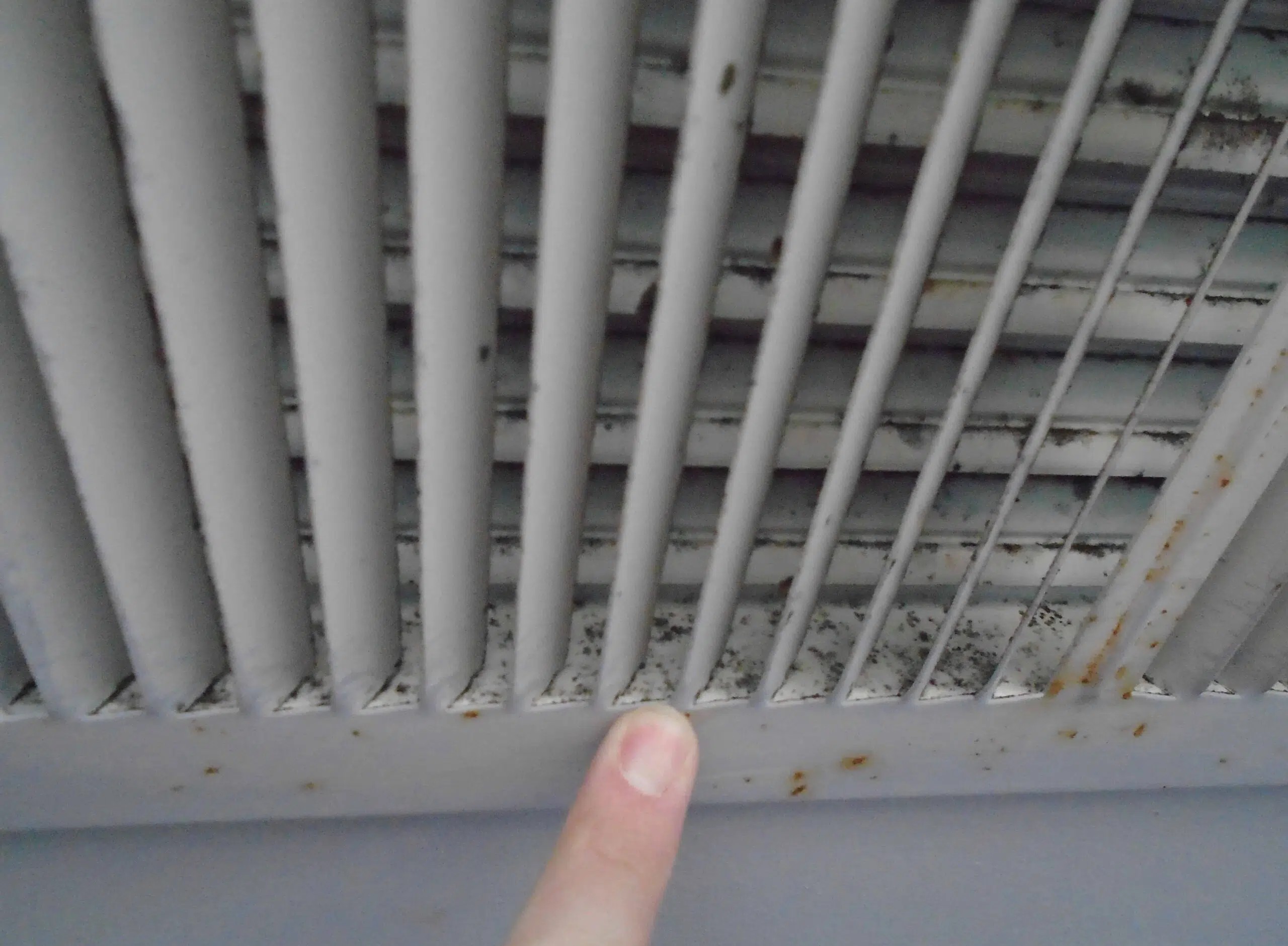
Mold in HVAC unit is one of the most serious indoor air quality problems a homeowner can face. Because HVAC systems continuously circulate air throughout every room, mold spores can spread quickly — often before any visible signs appear.
Most homeowners only discover the problem after noticing musty odors, worsening allergy symptoms, or dark discoloration near air vents. By that point, mold may already be present deep inside coils, drain pans, and ductwork.
Understanding what causes mold in an HVAC unit, how to spot the warning signs early, and how to remove it properly can protect both your home and your family’s health.
What Causes Mold in an HVAC Unit?
The primary cause of mold in an HVAC unit is excess moisture combined with dust and inconsistent maintenance. Air conditioning units naturally produce condensation during normal operation. When that moisture is not properly drained, it creates the ideal conditions for mold to develop and spread.
Common causes of mold growth inside HVAC units include:
- High indoor humidity levels—especially common in coastal areas. [Homeowners in San Clemente and nearby coastal communities face an even higher risk of HVAC mold growth due to the region’s naturally humid climate.
- Dirty or clogged air filters
- Standing water in drain pans
- Blocked condensate drain lines
- Dust buildup inside ducts and coils
- Poor airflow or an oversized HVAC unit
- Lack of routine maintenance
Even small amounts of trapped moisture can trigger mold growth if conditions go unaddressed for an extended period of time.
Warning Signs of Mold in an HVAC Unit
Early detection is the most effective way to prevent mold from spreading throughout your home. Catching the problem early reduces health risks and keeps restoration costs significantly lower.
Common warning signs that mold may be growing inside your HVAC unit include:
- A persistent musty smell when the HVAC system is running
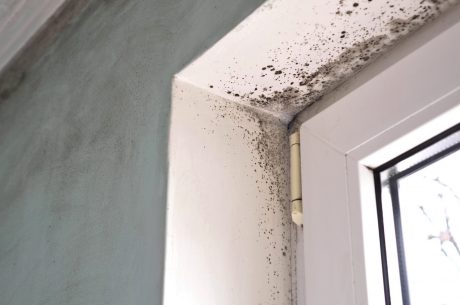
- Visible black or green discoloration near vents or registers
- Increased allergy or asthma symptoms while indoors
- Recurring headaches, coughing, or sinus irritation
- Reduced airflow or decreased cooling and heating efficiency
- Dust or particles visibly coming from air vents
If several of these warning signs appear together, mold contamination inside the HVAC unit is highly likely and should be evaluated by a certified professional as soon as possible.
Health Risks of Mold in an HVAC Unit
Mold inside an HVAC unit does not stay contained. As the system runs, it pushes contaminated air into every room of the home, increasing the risk of prolonged exposure for everyone inside.
Common health risks associated with HVAC mold exposure include:
- Respiratory irritation and difficulty breathing
- Allergic reactions and skin irritation
- Asthma flare-ups and increased sensitivity
- Eye, nose, and throat irritation
- Persistent fatigue and headaches
Children, elderly individuals, and people with existing respiratory conditions face a higher risk of experiencing severe symptoms. The EPA recommends addressing mold issues promptly to prevent further damage to respiratory health and overall indoor air quality.
How to Remove Mold from an HVAC Unit
Removing mold from an HVAC unit requires more than surface-level cleaning. Mold often grows deep inside internal components that are difficult to access without professional equipment and training.
A proper mold removal process for an HVAC unit typically includes:
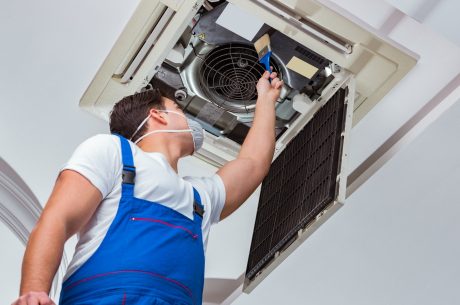
- Full HVAC system inspection to assess the extent of mold contamination
- Identifying the moisture source that allowed mold to develop in the first place
- Cleaning evaporator coils thoroughly to remove all mold growth
- Removing mold from drain pans and clearing any existing blockages
- Cleaning or replacing air ducts if contamination has spread into ductwork
- Replacing all contaminated filters with fresh, clean ones
- Disinfecting the entire system using EPA-approved antimicrobial solutions
- Repairing drainage or humidity issues to prevent mold from returning
For heavy contamination or mold that has spread extensively into ductwork and internal components, professional HVAC cleaning and mold remediation services are strongly recommended.
How to Prevent Mold in an HVAC Unit
Preventing mold from developing inside an HVAC unit is far easier and less costly than removing it after it has already spread. Routine maintenance is the most reliable long-term solution available to homeowners.
Best practices for preventing mold in an HVAC unit include:
- Replacing air filters every one to three months
- Maintaining indoor humidity levels between 30 and 50 percent
- Scheduling professional HVAC maintenance at least once per year
- Cleaning evaporator coils and drain pans on a regular basis
- Ensuring condensate drain lines are clear and draining properly
- Repairing leaks, insulation gaps, and moisture problems quickly
The CDC recommends controlling indoor moisture levels and improving ventilation as the most effective long-term strategies for reducing mold growth in residential and commercial properties.
Why Acting Quickly Matters
Mold growth inside an HVAC unit can escalate rapidly. Because the system continuously circulates air, even a small mold colony can distribute spores to every room within a short period of time.
If you notice any warning signs of mold in your HVAC unit, early intervention is critical. Waiting to address the problem typically results in more extensive contamination, significantly higher restoration costs, and prolonged health risks for everyone living in the home.
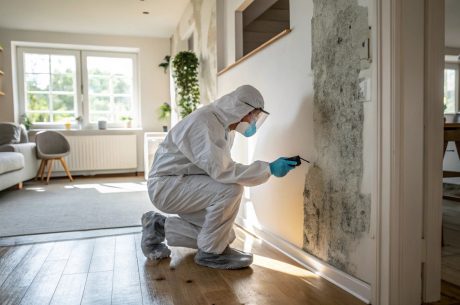
If you need professional mold remediation or HVAC cleaning services in San Clemente or Orange County, working with a certified restoration team can help ensure the problem is fully resolved safely and correctly.
FAQ About Mold in HVAC Units
Is mold in an HVAC unit dangerous? Yes. Because HVAC units circulate air throughout the entire property, even small amounts of mold growth can affect indoor air quality and contribute to serious respiratory symptoms over time.
Can air filters prevent mold from growing inside an HVAC unit? Air filters help reduce airborne spores but cannot remove mold that has already developed inside ducts, coils, or drain pans. Regular filter replacements are an important part of prevention but are not a complete solution on their own.
How do I know if mold is inside my HVAC ducts? Common warning signs include musty odors when the system runs, visible discoloration near vents, and worsening allergy or respiratory symptoms indoors. A professional inspection can confirm whether mold is present inside the ductwork.
Do I need a professional to remove mold from an HVAC unit? If mold is present inside ducts, coils, or drain pans, professional cleaning is strongly recommended. Attempting to clean internal HVAC components without proper equipment can spread contamination further throughout the system.
How long does HVAC mold removal take? The timeline depends on the extent of contamination. Minor cases may be resolved in a single service visit, while systems with widespread mold growth may require multiple sessions and possible duct replacement.
 PuroClean of San Clemente