


Winter brings its own set of challenges, especially when it comes to safeguarding your home from water damage. Frozen pipes, ice dams, and snowmelt are just a few of the seasonal hazards that can wreak havoc if not addressed. In this post, we’ll explore the most common risks of winter water damage and practical steps to prevent them, ensuring your home stays dry and damage-free throughout the cold months.
1. Frozen Pipes
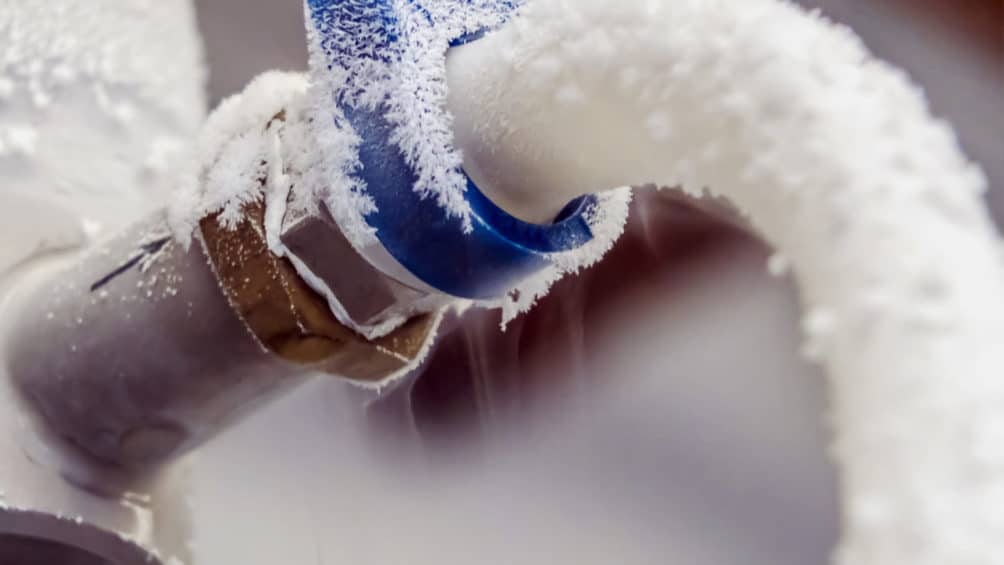
Frozen pipes are one of the leading causes of water damage during the winter. When water inside pipes freezes, it expands, increasing the risk of the pipe bursting. This can lead to significant flooding and water damage inside your home.
Prevention Tips:
Open Cabinet Doors: In colder weather, keep cabinet doors under sinks open to allow warm air to circulate around pipes, especially for pipes located on exterior walls.
Insulate Exposed Pipes: Ensure that pipes in areas prone to freezing—like attics, basements, crawl spaces, and exterior walls—are well-insulated. You can use foam pipe insulation or heating tape for extra protection.
Let Faucets Drip: During extreme cold, let faucets—especially those served by exposed pipes—drip slightly to keep water moving, reducing the risk of freezing.
2. Ice Dams
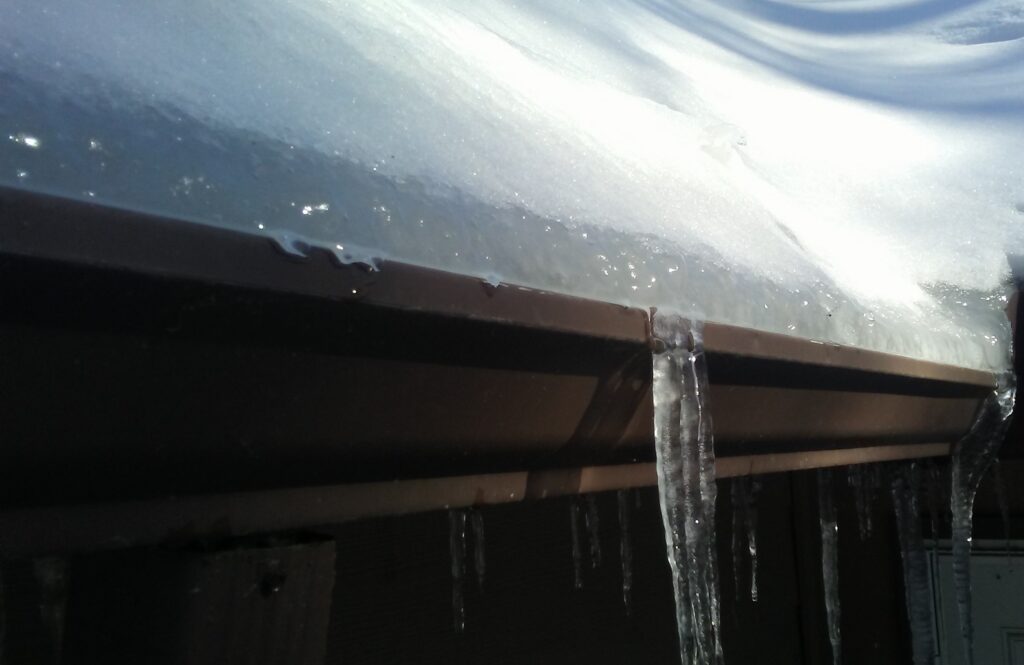
Ice dams occur when snow melts on the roof and refreezes at the edge of the roof, preventing proper drainage. This can cause water to back up under the shingles, leading to leaks and damage inside your home.
Prevention Tips:
Clear Snow with a Roof Rake: After heavy snowfalls, use a roof rake to remove snow from the edges of your roof before it has a chance to melt and refreeze.
Ensure Proper Roof Insulation: Keep your attic well-insulated to prevent heat from escaping through the roof, which can cause snow to melt unevenly and form ice dams.
Ventilate the Attic: Ensure your attic is properly ventilated to keep the temperature consistent and prevent the formation of ice dams.
3. Clogged Gutters
Gutters filled with leaves and debris can cause water to overflow during winter storms or when snow melts. The water may not drain properly, leading to ice build-up, or it may pool around the foundation, causing leaks and flooding.

Prevention Tips:
Check Regularly During Winter: After storms, check your gutters for any ice build-up or blockages that could prevent proper drainage.
Clean Gutters Before Winter: Make sure to clean out gutters and downspouts before the first snow to prevent clogs.
Install Gutter Guards: Consider installing gutter guards to keep debris out and reduce the need for frequent cleaning.
4. Snowmelt and Foundation Leaks
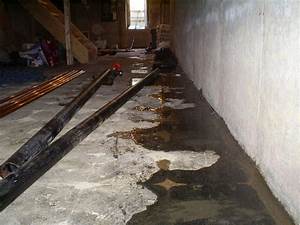
As snow accumulates around your home, it can seep into cracks in your foundation or flood your basement as it melts, leading to water damage and mold growth.
Prevention Tips:
Install a Sump Pump: If your basement is prone to flooding, installing a sump pump can help remove excess water during heavy snowmelt.
Shovel Snow Away from the Foundation: Regularly shovel snow away from your home’s foundation, ensuring that melting snow doesn’t pool around the base of your house.
Seal Foundation Cracks: Inspect your foundation for cracks and seal them before winter sets in to prevent water from seeping in during snowmelt.
5. Poor Indoor Humidity Control
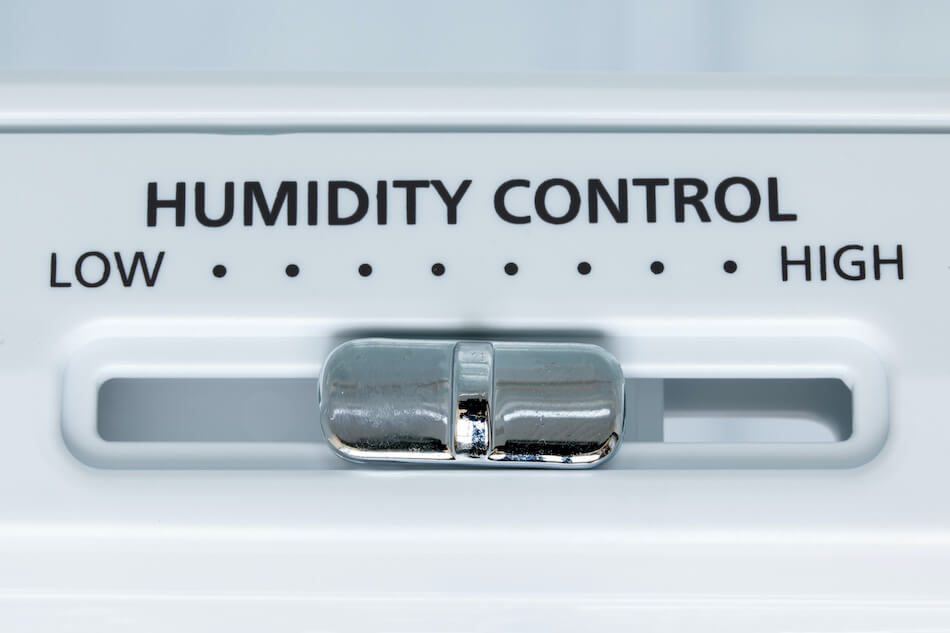
Cold winter air often leads to dry indoor conditions, which might prompt homeowners to increase indoor humidity levels. Excessive humidity indoors can lead to condensation on windows, walls, and ceilings, causing water damage and mold growth.
Prevention Tips:
Check Windows for Condensation: Regularly wipe down windows and monitor for condensation buildup, which could indicate excess humidity levels.
Use a Dehumidifier: Maintain proper indoor humidity levels (30-50%) to avoid excess moisture buildup.
Ventilate Properly: Use exhaust fans in areas like kitchens and bathrooms where moisture tends to accumulate.
6. Unattended Vacation Homes
If you own a vacation home or plan to be away for an extended period during the winter, an unattended home can be at greater risk for water damage, especially from burst pipes or roof leaks.
Prevention Tips:
Have Someone Check the Property: If possible, ask a neighbor or hire a professional to check on the property periodically.
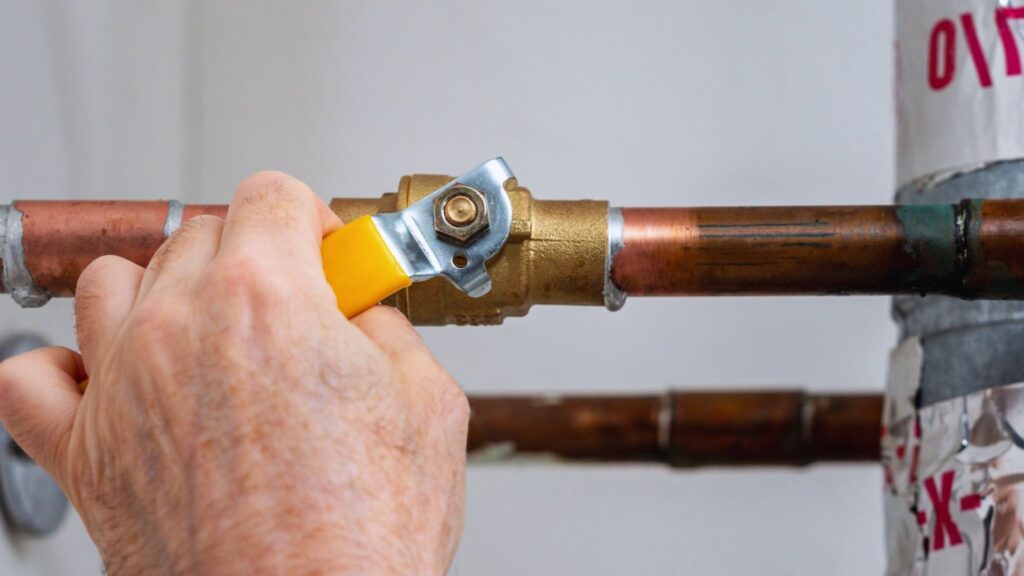
Shut Off Water Supply: Turn off the main water supply if the home will be vacant for long periods, and drain pipes to prevent freezing.
Set Thermostat at a Safe Level: Keep the thermostat set to at least 55°F (12°C) to ensure the home remains warm enough to prevent frozen pipes.
Conclusion
Winter water damage can be a costly and frustrating issue, but with the right precautions, you can significantly reduce the risks. By winterizing your home, maintaining proper insulation and drainage, and regularly inspecting key areas like roofs, gutters, and foundations, you can protect your property from the damaging effects of winter weather.
Stay proactive this winter, and you’ll avoid the worst water-related headaches when temperatures drop!