 PuroClean of Santa Maria
Table of Contents
With Santa Maria receiving 99mm of rain this January—our wettest month—the question “can white mold kill you?” becomes more than academic curiosity. It’s a genuine health concern for thousands of Central Coast homeowners whose properties are currently creating perfect conditions for this deceptive fungus.
Unlike infamous black mold, white mold hides in plain sight. It looks harmless, almost like dust or mineral deposits. But as people often discover, what you can’t see can absolutely hurt you.
Can White Mold Kill You? Understanding the Real Risks
Let’s address the question directly: Can white mold kill you? The answer is more complex than yes or no.
According to the Centers for Disease Control and Prevention, mold exposure causes health effects ranging from minor allergic reactions to serious respiratory infections. While white mold deaths are rare, they do occur, primarily in people with compromised immune systems, pre-existing respiratory conditions, or prolonged exposure.
The real danger isn’t typically immediate death. It’s the slow, cumulative damage white mold inflicts over weeks, months, and years. Your lungs become inflamed. Your immune system weakens fighting constant invasion. Respiratory infections become chronic. Asthma develops or worsens dramatically.
For vulnerable populations—the very young, elderly, pregnant women, people with asthma or allergies, and those with weakened immune systems—the question “can white mold kill you?” carries frightening weight. These groups face significantly higher risks of severe reactions, including life-threatening respiratory infections.
What Makes White Mold Particularly Dangerous During Santa Maria’s Rainy Season
When people ask “can white mold kill you?,” they often don’t realize that environmental conditions dramatically affect mold’s toxicity and growth rate.
January brings 99mm (3.9 inches) of rain to Santa Maria—more than any other month. Humidity levels climb above 70%. Temperatures hover in the mild 40-60°F range that mold absolutely loves.
Here’s what’s happening in Santa Maria homes right now:
Moisture penetrates everywhere. Rain finds every gap, crack, and weak point. Water seeps into attics, crawls behind walls, and saturates insulation. You won’t see this moisture, but mold will find it.
Homes stay closed up. Unlike summer, winter homes trap moisture inside. Every shower, every load of laundry releases humidity that has nowhere to go. This trapped moisture condenses on cold surfaces, creating ideal mold-growing conditions.
Heating systems spread spores. As white mold grows in hidden spaces, heating systems pull in contaminated air and distribute spores throughout your entire home.
The Environmental Protection Agency emphasizes that mold begins growing within 24-48 hours of water exposure. In Santa Maria’s current conditions, that timeline accelerates.
The Deceptive Appearance: Why White Mold Is More Dangerous Than It Looks
When homeowners wonder “can white mold kill you?,” many assume they’d recognize a deadly threat when they see it. This assumption makes white mold particularly insidious.
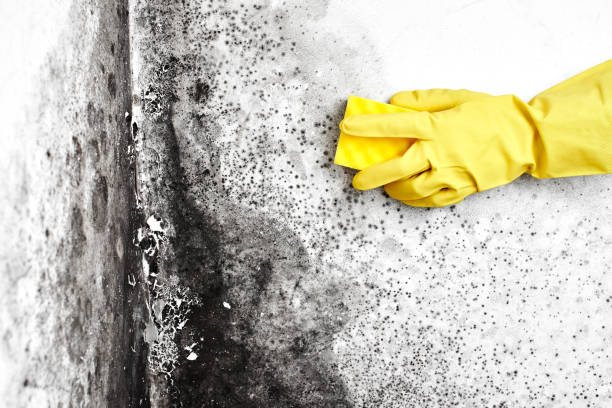
White mold often appears as light, powdery substance that looks like dust, fuzzy white growth that resembles lint or cotton, crystalline deposits mistaken for mineral efflorescence, or slight discoloration that seems like aging or water stains.
Because it doesn’t look threatening, people ignore it. They wipe it away with a damp cloth, thinking they’ve “cleaned” the area. Meanwhile, the actual mold colony continues thriving deep within the material, releasing spores with every disturbance.
Common white mold species found in Santa Maria homes include Aspergillus and Penicillium. Aspergillus, in particular, answers the question “can white mold kill you?” with a resounding yes for immunocompromised individuals. This fungus causes invasive aspergillosis, a condition that can be fatal if untreated.
The Hidden Health Timeline: How White Mold Slowly Damages Your Body
Understanding whether can white mold kill you requires knowing how exposure progresses from minor irritation to serious illness.
Week 1-2: You start sneezing more. Your eyes feel slightly irritated. You develop a persistent dry cough attributed to “winter allergies.” Your throat feels scratchy. You’re more tired than usual. These symptoms feel too minor to worry about—but they’re your body’s first alarm bells.
Week 3-6: The cough won’t go away. Sinus pressure becomes constant. You develop skin rashes. Headaches appear more often. Your sleep suffers because breathing feels restricted at night. You might see a doctor who diagnoses a sinus infection, but symptoms return after antibiotics because the source—mold exposure—continues poisoning you.
Month 2-3: Your immune system becomes weakened. You catch every cold going around. Respiratory infections become your new normal. Neurological symptoms emerge: difficulty concentrating, memory problems, mood changes. Some people develop anxiety or depression that seems to come from nowhere.
Beyond 6 months: Chronic respiratory conditions like bronchitis or even COPD can develop. For people asking “can white mold kill you?,” this is where the answer becomes frighteningly clear. Prolonged exposure can cause pulmonary fibrosis—permanent lung scarring that progressively restricts breathing and cannot be reversed.
Santa Maria’s Specific Risk Factors
The question “can white mold kill you?” matters particularly in Santa Maria due to our housing stock and climate patterns.
Older construction: Many Santa Maria homes were built in the 1960s-1980s before modern moisture management techniques. These properties lack proper vapor barriers and have inadequate ventilation.
Crawl space construction: Common in our area, crawl spaces create perfect mold habitats. Ground moisture rises, condensation forms, and ventilation remains poor.
Single-pane windows: During our rainy season, warm indoor air hits cold glass, creating condensation that drips onto windowsills and walls. This persistent moisture feeds mold growth.
Inadequate bathroom ventilation: Older homes often have bathroom exhaust fans that vent into attics instead of outside. Shower steam saturates attic insulation, creating extensive mold growth.
Roof aging: Small leaks that seem minor during dry months become significant during our concentrated rainy season, introducing water where it doesn’t belong.
When “Can White Mold Kill You?” Becomes a Medical Emergency
Certain symptoms require immediate medical attention:
- Severe breathing difficulty: Struggling to catch your breath or gasping for air requires calling 911 immediately
- Fever with respiratory symptoms: Could signal mold-related pneumonia requiring immediate treatment
- Confusion or altered mental state: Severe mycotoxin exposure can cause neurological effects
- Asthma attack not responding to medication: Mold-triggered asthma attacks can be life-threatening
- Coughing up blood: Always requires emergency evaluation
For anyone asking “can white mold kill you?” while experiencing these symptoms, the answer is: yes, it can—and you need help now.
Frequently Asked Questions
Can white mold kill you if you’re otherwise healthy?
For healthy adults with strong immune systems, white mold rarely causes fatal illness. However, prolonged exposure can lead to chronic respiratory problems, persistent infections, and progressive lung damage that significantly impacts quality of life and longevity.
How do I know if the white substance in my home is mold or something else?
White mold has a fuzzy or cotton-like texture, grows on organic materials like wood and drywall, and persists after wiping. Efflorescence appears crystalline, wipes away easily, and only occurs on concrete or masonry. Professional testing provides definitive identification.
What’s the difference between white mold and black mold in terms of danger?
Both can cause serious health problems. Black mold receives more media attention, but white mold species like Aspergillus can be equally dangerous, particularly for immunocompromised individuals. Health risks depend more on exposure level and individual vulnerability than mold color.
Can I remove white mold myself with bleach or vinegar?
Small areas (less than 10 square feet) on non-porous surfaces might be DIY-appropriate with proper protection. However, if mold appears on porous materials or if you’re asking “can white mold kill you?” about your specific situation, professional remediation is essential.
How quickly can white mold grow after Santa Maria’s winter storms?
Mold can begin growing within 24-48 hours of water exposure. In Santa Maria’s current conditions—high humidity, mild temperatures, and persistent moisture—growth accelerates. A small water leak can create extensive colonies within a week if not addressed immediately.
Will my homeowners insurance cover white mold remediation?
Coverage depends on the cause. Insurance typically covers mold resulting from sudden, covered events like burst pipes or storm damage. It excludes mold from gradual leaks or maintenance neglect. Professional restoration companies work directly with insurers to maximize coverage.
Don’t Wait for Health Problems to Force Action
If you’re reading this article asking “can white mold kill you?,” you probably suspect you have a problem. Trust that instinct.
Visible white mold indicates far more extensive growth hidden within your walls, under your floors, and in your attic. Every day you wait, the colony grows larger, releases more spores, and poses greater health risks.
Santa Maria’s rainy January weather isn’t ending soon. Moisture problems happening now will worsen before they improve. The mold growing in your home today will be twice as extensive in two weeks.
The question shouldn’t be “can white mold kill you?” It should be “why am I waiting to protect my family’s health?”
Trust PuroClean of Santa Maria for Professional Mold Remediation
If you’ve discovered white mold in your Santa Maria home, or if you’re experiencing unexplained health symptoms during our rainy season, professional assessment and remediation isn’t optional. It’s essential.
PuroClean of Santa Maria specializes in comprehensive mold remediation using proven protocols that eliminate contamination at its source.
Our complete services include:
- IICRC-Certified Specialists: Current Applied Microbial Remediation Technician (AMRT) certifications ensuring industry best practices
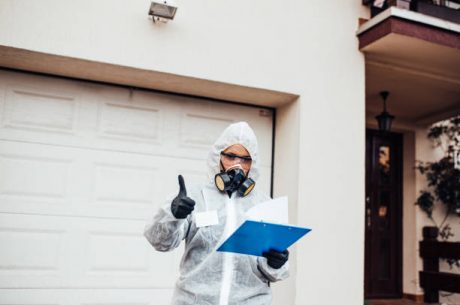
- Advanced Moisture Detection: Thermal imaging cameras and moisture meters identifying all hidden water sources
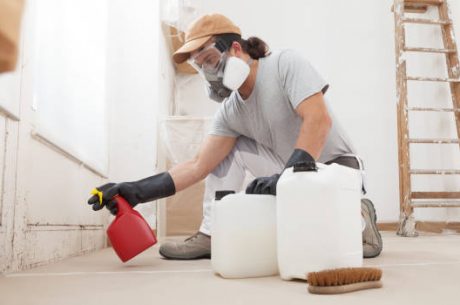
- Proper Containment: Physical barriers and negative air pressure preventing mold spore spread during remediation
- Complete Material Removal: Porous materials harboring white mold properly removed and disposed of
- EPA-Registered Treatments: Professional antimicrobial solutions preventing mold recurrence
- Air Quality Testing: Independent laboratory testing confirming complete spore elimination and safe reoccupation
- Moisture Source Elimination: Identifying and addressing root causes—roof leaks, plumbing problems, ventilation issues
- Insurance Coordination: Direct carrier communication, often handling direct billing to minimize out-of-pocket costs
- 24/7 Emergency Response: Immediate response throughout Santa Maria when health and property are at risk
We understand the fears that come with discovering mold. We’ve seen the health consequences when people wait too long. We provide honest assessments explaining exactly what your situation requires.
Our transparent pricing includes detailed explanations of every phase of work. We never recommend unnecessary services, and we work diligently to maximize insurance coverage when applicable.
Don’t let white mold continue threatening your family’s health during Santa Maria’s wettest season.
Call PuroClean of Santa Maria at (805) 975-0800 for immediate mold assessment and remediation. Our IICRC-certified specialists respond with the expertise, equipment, and commitment to protecting your family from mold’s hidden dangers.
When you’re asking “can white mold kill you?,” you’re really asking whether your family is safe in your own home. Let us give you the answer you need, and the solution that protects everyone you love.
Contact PuroClean of Santa Maria today. Because your family’s health is too important to gamble on hoping the mold will go away on its own.
 PuroClean of Santa Maria