 PuroClean of Santa Maria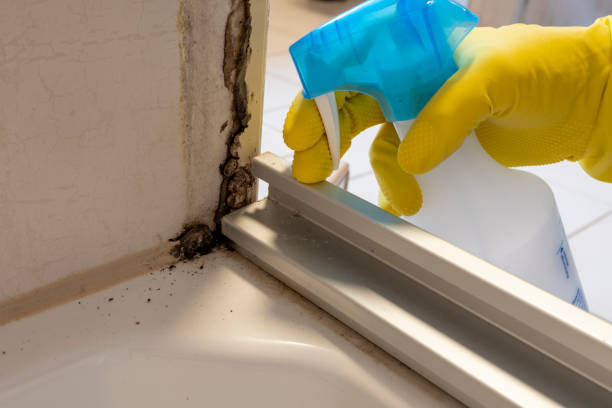
Table of Contents
You bought the highest-rated active seal and grout mold stain remover from the hardware store. You followed the instructions perfectly. You scrubbed until your arms ached. The mold disappeared for a glorious week or two, and then it came back with a vengeance. Sound familiar? You’re not alone, and more importantly, you’re not doing anything wrong.
The uncomfortable truth is that most failed active seal and grout mold stain remover attempts aren’t due to user error or inferior products. They fail because surface treatments fundamentally cannot address the underlying causes of mold growth. While these products deliver on their promise to remove surface stains, they never claimed to eliminate the moisture problems, hidden colonies, and structural issues that allow mold to thrive.
Understanding why active seal and grout mold stain remover products fail helps you recognize when DIY solutions are inadequate and professional mold remediation becomes essential. Every failed active seal and grout mold stain remover attempt is actually your home telling you there’s a bigger problem that needs expert attention.
The Promise Versus The Reality
Walk down the cleaning aisle and you’ll see bold promises on every active seal and grout mold stain remover bottle. “Kills 99.9% of mold and mildew.” “Prevents regrowth.” “Deep cleaning action.” These claims aren’t necessarily false, they’re just incomplete.
These products do kill surface mold spores. They do remove visible stains. Some even contain ingredients that discourage new surface growth temporarily. What they don’t do is penetrate deeply into porous materials, eliminate moisture sources, address hidden mold colonies, or fix the conditions that created your mold problem in the first place.
When homeowners experience failed active seal and grout mold stain remover results, they often blame themselves or the product. The reality is that the product performed exactly as designed for surface cleaning. The failure occurs when surface cleaning is applied to a problem requiring comprehensive remediation.
This distinction matters because it affects how you approach mold problems. Recognizing the limitations of DIY products saves you time, money, and frustration while protecting your family’s health and your home’s integrity.
Reason #1: Mold Lives Beneath The Surface
The most common reason for failed active seal and grout mold stain remover attempts is simple biology. Mold isn’t just the black or green discoloration you see on your grout. That visible growth is merely the fruiting body, similar to how mushrooms are just the visible part of a much larger underground fungal network.
Grout is a porous, cement-based material that absorbs moisture like a sponge. When mold spores land on damp grout, they don’t just sit on the surface. They send thread-like structures called hyphae deep into the material, sometimes penetrating several millimeters or more. These hyphae form an extensive network that anchors the mold and allows it to feed on organic compounds within the grout.
When you spray active seal and grout mold stain remover on visible mold, you’re killing the surface growth and bleaching the stains. However, the spray rarely penetrates deeply enough to reach the hyphal network below. Within days or weeks, this underground network produces new surface growth, creating the frustrating cycle of failed active seal and grout mold stain remover treatments.
Professional mold remediation addresses this by removing compromised grout entirely when necessary, treating substrates with penetrating antimicrobial solutions, ensuring complete drying of porous materials, and replacing grout only after eliminating moisture sources. This comprehensive approach prevents the cycle of recurring growth that dooms DIY surface treatments.
Reason #2: Moisture Problems Remain Unaddressed
Every failed active seal and grout mold stain remover experience shares a common thread: the moisture source continues feeding mold growth. Mold requires moisture to survive. Without fixing what’s making your grout wet, no cleaning product will provide lasting results.
Bathroom moisture comes from multiple sources. Obvious culprits include shower spray, bath overflow, and steam from hot water. Less obvious sources cause more problems: slow leaks behind walls, failed grout allowing water penetration behind tiles, poor ventilation creating condensation, damaged waterproofing membranes, and plumbing leaks within wall cavities.
Surface cleaning with active seal and grout mold stain remover does nothing to address these moisture sources. You might achieve temporary cosmetic improvement, but moisture continues accumulating in and behind your grout. Mold spores, which are everywhere in the environment, land on this moisture and begin growing again immediately.
According to the Environmental Protection Agency, controlling moisture is the key to controlling mold. Professional remediation always includes moisture investigation using specialized equipment like moisture meters and thermal imaging cameras. Technicians locate the water source, whether it’s a hidden leak, ventilation issue, or waterproofing failure, and provide repair recommendations to eliminate it permanently.
Reason #3: Hidden Mold Colonies Contaminate Surfaces
Here’s a scenario that leads to many failed active seal and grout mold stain remover attempts: You clean your shower grout thoroughly. It looks perfect. Three days later, black spots reappear in the exact same locations. This rapid return isn’t new mold growth, it’s contamination from hidden colonies nearby.
Mold growing behind your tiles, inside your walls, or beneath your bathroom flooring continuously releases spores into the air. These airborne spores settle on freshly cleaned grout surfaces. If moisture is present (and in bathrooms, it always is), new visible growth appears within days. You’re essentially fighting an invisible enemy that keeps reseeding your cleaned surfaces.
This is particularly common around tubs and showers where tile installations have failed or where caulk has deteriorated. Water penetrates behind tiles, creating perfect growing conditions in the dark, damp space between your tile and wall. The mold colony thriving there is far larger than the visible growth on your grout, and it’s completely unreachable by surface spray products.
Professional mold remediation uses air quality testing to detect hidden mold colonies. Elevated spore counts in your bathroom air indicate contamination sources beyond what’s visible. Technicians then use moisture mapping and, when necessary, limited exploratory openings to locate hidden growth. Proper remediation removes these hidden sources, preventing the continuous recontamination that causes failed active seal and grout mold stain remover results.
Reason #4: Improper Application Techniques
Even when homeowners diligently follow label directions, failed active seal and grout mold stain remover attempts often result from application limitations that aren’t immediately obvious. These products require specific conditions to work effectively, conditions that rarely exist in real-world bathroom environments.
Most mold removers need sustained contact with mold to be effective. Labels typically recommend 5-10 minutes of wet contact time. However, in showers with textured surfaces, vertical applications, or high humidity, the product often runs off or evaporates before completing its work. You might think you’ve treated the area adequately, but insufficient contact time means incomplete mold killing.
Temperature also affects efficacy. Many active seal and grout mold stain removers work best at room temperature, but bathrooms fluctuate dramatically. Cold tile surfaces in winter or immediately after use reduce chemical effectiveness. Hot, humid conditions cause rapid evaporation. These variables create inconsistent results that contribute to treatment failure.
Additionally, many homeowners don’t realize that dead mold still causes allergic reactions and health problems. Successfully killing surface mold doesn’t mean it’s gone. The dead spores and mold fragments remain embedded in your grout, continuing to affect indoor air quality until physically removed. This is another reason for failed active seal and grout mold stain remover satisfaction, even when the product technically worked.
Professional remediation accounts for all these variables. Technicians use commercial-grade products at proper concentrations, ensure adequate contact time through proper application methods, physically remove mold residue rather than just killing it, and verify effectiveness through post-treatment inspection and testing.
Reason #5: Cross-Contamination During Cleaning
One of the most counterproductive aspects of DIY mold cleaning is how easily it spreads contamination throughout your home. Many failed active seal and grout mold stain remover attempts actually make mold problems worse by dispersing spores during the cleaning process.
When you scrub moldy grout with a brush or abrasive pad, you release millions of microscopic spores into the air. These spores remain airborne for hours, circulating through your bathroom and beyond via HVAC systems and normal air movement. They settle on clean surfaces throughout your home, creating new potential growth sites wherever moisture exists.
The Centers for Disease Control and Prevention warns against aggressive scrubbing of mold-contaminated surfaces without proper containment. Yet this is exactly what most homeowners do when using active seal and grout mold stain remover products. The physical agitation needed to remove stains guarantees spore dispersal.
Furthermore, cleaning tools become contaminated during the process. That scrub brush or sponge you used on moldy grout now harbors millions of spores. If you use it elsewhere in your bathroom or rinse it in your sink, you’re spreading contamination. Towels used to dry cleaned areas also become contaminated. Each failed active seal and grout mold stain remover attempt potentially spreads the problem rather than containing it.
Professional mold remediation uses strict containment protocols including negative air pressure systems that prevent spore migration, HEPA air filtration that captures airborne spores, proper personal protective equipment, and careful disposal of all contaminated materials. These measures prevent cross-contamination that often undermines DIY cleaning efforts.
Reason #6: Structural Damage Goes Undetected
Perhaps the most dangerous aspect of failed active seal and grout mold stain remover attempts is that they mask serious structural problems. While you’re focusing on surface stains, hidden damage continues accumulating behind your walls, potentially compromising your home’s integrity and safety.
Mold doesn’t just discolor surfaces. It actively digests organic materials, breaking down the compounds that give them strength. When mold has been growing in your grout, caulk, drywall, or subflooring for extended periods, these materials lose structural integrity. Your grout becomes crumbly. Your caulk deteriorates and pulls away from surfaces. Your drywall softens and weakens.
Surface cleaning with active seal and grout mold stain remover might temporarily improve appearance, but it does nothing to restore compromised materials. The structural damage continues worsening beneath the cleaned surface. Eventually, this leads to grout failure, tile loosening, water penetration behind walls, and potential structural problems requiring extensive repairs.
Additionally, the moisture causing your mold growth may be causing other hidden damage. Prolonged moisture exposure rots wood framing, corrodes metal components, damages insulation, and creates ideal conditions for more extensive mold colonization. These problems develop silently while you’re repeatedly attempting surface treatments that never address the root cause.
Professional mold remediation includes comprehensive assessment of structural conditions. Technicians check for material deterioration, test moisture levels in building materials, identify structural damage requiring repair, and ensure that all compromised materials are properly addressed. This prevents the ongoing damage that often results from repeated failed active seal and grout mold stain remover attempts while ignoring underlying problems.
The Cost of Continued DIY Attempts
Every failed active seal and grout mold stain remover attempt costs you in multiple ways. Obviously, there’s the direct cost of repeatedly purchasing cleaning products that don’t solve your problem. A fifteen dollar bottle every few weeks adds up quickly over months or years.
More significantly, delayed professional remediation allows mold problems to expand. What might have been a five hundred dollar remediation job when you first noticed the problem can easily become a several thousand dollar project after months of spreading contamination and accumulating structural damage. Every failed cleaning attempt represents time for mold colonies to grow larger, penetrate deeper, and affect more areas of your home.
There’s also the health cost. Continued exposure to mold spores, even at levels that seem tolerable, can sensitize family members over time. People without previous mold allergies can develop them through prolonged exposure. Asthma symptoms can worsen. Respiratory health can decline gradually in ways you might not immediately connect to your bathroom mold problem.
Finally, there’s the stress and frustration of dealing with a problem that never really goes away. The cycle of cleaning, seeing improvement, watching mold return, and cleaning again creates ongoing anxiety about your home’s condition and your family’s health.
Professional remediation ends this cycle. While the upfront cost seems higher than a bottle of cleaner, it’s actually the most cost-effective solution when you factor in repeated product purchases, expanding damage, potential health impacts, and peace of mind.
Frequently Asked Questions
Q: Why does my active seal and grout mold stain remover work initially but then fail?
A: The product kills surface mold and bleaches stains as designed, creating temporary improvement. However, it doesn’t address mold roots penetrating your grout, moisture sources feeding growth, or hidden colonies behind tiles. When these underlying problems remain, mold returns quickly. This isn’t product failure, it’s using a surface treatment for a problem requiring comprehensive remediation.
Q: Can I prevent failed active seal and grout mold stain remover results by using stronger products?
A: Stronger chemicals don’t overcome the fundamental limitations of surface treatments. Professional-grade products are more concentrated and effective, but even commercial mold removers fail when moisture problems persist, mold has penetrated porous materials, or hidden colonies exist. The issue isn’t product strength but rather the approach. Comprehensive remediation addressing root causes succeeds where stronger surface cleaners still fail.
Q: How many failed active seal and grout mold stain remover attempts should I tolerate before calling professionals?
A: If mold returns within four weeks of cleaning, you need professional assessment immediately. One recurrence might be normal in high-moisture environments, but repeated returns indicate underlying problems requiring expert attention. Don’t wait for multiple failures. Each cycle allows mold to spread and cause more damage, ultimately increasing remediation costs.
Q: Are there any situations where active seal and grout mold stain remover works long-term?
A: Yes, these products work well for routine maintenance cleaning of minor surface mold in properly ventilated bathrooms without moisture problems. If you have good ventilation, sealed grout, no leaks, and only occasional light surface mold, regular cleaning with these products can be effective. However, if you’re experiencing failed results, it indicates conditions beyond what surface cleaning can address.
Q: Will professional remediation guarantee no more mold growth?
A: Professional remediation eliminates existing mold and addresses identified moisture sources. However, bathrooms are inherently moist environments. Proper maintenance including adequate ventilation, prompt leak repairs, and regular cleaning is necessary to prevent new growth. The difference is that after proper remediation, normal cleaning and maintenance should be sufficient. If mold returns aggressively after professional treatment, it indicates a new or missed moisture source requiring investigation.
Stop The Cycle of Failure
Understanding why active seal and grout mold stain remover products fail helps you recognize when professional intervention is necessary. These products serve a purpose for minor, surface-level maintenance, but they’re not designed for and cannot handle serious mold problems with underlying moisture issues and structural involvement.
If you’ve experienced failed active seal and grout mold stain remover results, don’t blame yourself or keep trying different products. The failure isn’t yours, it’s a mismatch between the tool and the problem. Mold that returns quickly, spreads to new areas, causes health symptoms, or involves deteriorating materials requires professional expertise.
PuroClean of Santa Maria: Ending Failed DIY Attempts
PuroClean of Santa Maria specializes in solving the mold problems that frustrate homeowners after multiple failed active seal and grout mold stain remover attempts. Our IICRC-certified technicians understand why DIY approaches fail and have the expertise, equipment, and methods to achieve permanent solutions.
We provide comprehensive mold assessment identifying hidden growth and moisture sources, complete remediation removing mold at its source, not just surface treatment, moisture source identification and repair recommendations, structural evaluation and necessary material replacement, proper containment preventing cross-contamination during remediation, HEPA air filtration protecting your indoor air quality, and post-remediation verification ensuring complete success.
Our team has seen countless cases of homeowners who spent months and hundreds of dollars on repeated DIY cleaning attempts before finally calling for professional help. We never judge these situations because we understand how misleading surface improvements can be. Instead, we focus on finally solving the problem correctly so you can stop the frustrating cycle of temporary fixes and recurring mold.
We work directly with insurance companies to handle claims and documentation. Many homeowners are surprised to learn their insurance may cover mold remediation, especially when it results from sudden water damage or failed building components.
Don’t let another failed active seal and grout mold stain remover attempt waste your time and money while your mold problem grows worse. If you’re experiencing recurring mold despite regular cleaning, if musty odors persist, if you see deteriorating grout or materials, or if anyone in your home is experiencing health symptoms, contact PuroClean of Santa Maria today.
Because when it comes to mold remediation, the difference between failure and success isn’t trying harder with DIY products, it’s recognizing when professional expertise is essential. Let us end your cycle of failed cleaning attempts and give you a truly mold-free, healthy home.
Available 24/7/365 | IICRC Certified | (805) 975-0800 | Contact Us Online | Google Business Profile


 PuroClean of Santa Maria