


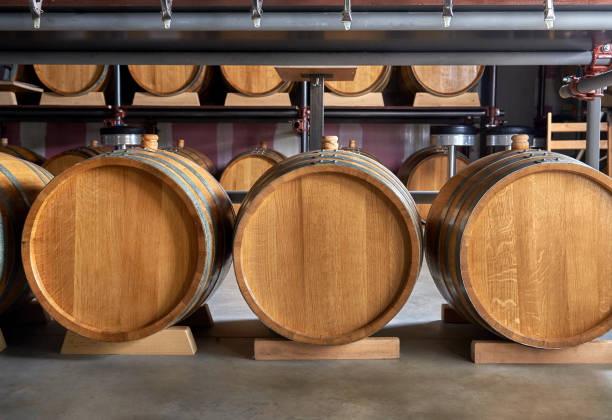
A wine business depends on cool, controlled spaces. Unfortunately, cool and damp is also what mold likes best. If you’ve spotted fuzzy white growth on a barrel room wall, a cellar ceiling, or the framing behind a tasting room bar, it’s natural to wonder whether it’s dangerous or just a normal part of cellar life.
Why barrel rooms and tasting rooms are mold-prone
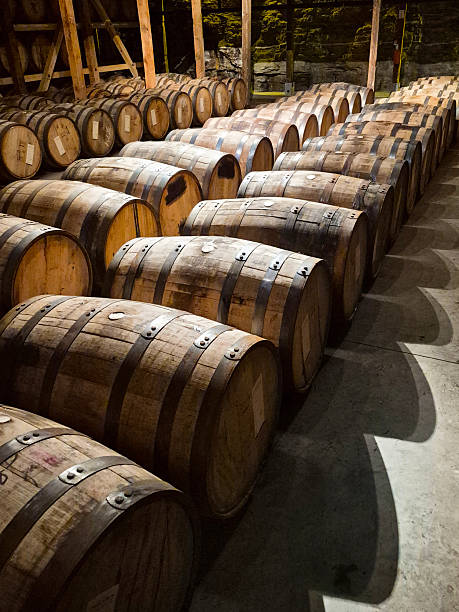
Barrel rooms combine humidity, organic materials, and limited airflow. Wood, cardboard, pallets, and cork all give mold something to feed on, and regular washdowns add moisture to walls and floors. Tasting rooms have their own risks: ice machines, wash sinks, hidden plumbing, and roof or window leaks that go unnoticed behind finished surfaces. Coastal fog on the Central Coast adds humidity that can keep surfaces damp longer than you’d expect.
Is white mold dangerous?
It depends, and color alone can’t tell you. Some white growth is surface mold, some is a mineral deposit called efflorescence, and some is a sign of active moisture inside the wall. Mold can cause allergy-like and respiratory symptoms in sensitive people, which matters when your staff and visitors share the same indoor air for hours at a time. A musty odor can also affect the character of wine and the experience of guests in your tasting room, so it’s worth taking seriously. For more on identifying what you’re looking at, see our posts on whether white fuzzy mold is dangerous and how to tell white mold from efflorescence.
What that white growth might actually be
Before deciding how serious the problem is, it helps to know what you’re looking at. White or pale fuzzy growth on cellar and tasting room surfaces generally falls into one of three groups:
- Surface mold: a living growth that feeds on organic material such as wood, cardboard, paper labels, or dust, and spreads where humidity stays high.
- Efflorescence: a crystalline mineral deposit left behind when water moves through concrete or masonry and evaporates. It isn’t mold, but it tells you moisture is passing through the wall.
- Something else: dust, salt deposits, or cleaning residue that only looks like mold at a glance.
Because these can look alike, color and texture alone aren’t a reliable guide. A trained technician can assess the area, check moisture levels, and tell you whether you’re dealing with active growth or a moisture problem that is still developing.
When cleanup becomes structural repair
Wiping a surface rarely solves the problem if the moisture source is still active. Signs that the damage may go deeper include:
- Soft, crumbling, or discolored wood framing
- Drywall that bows, stains, or peels
- Sagging ceiling sections above a tasting area
- Rusting fasteners or corroded metal supports
- Growth that keeps returning in the same spot after cleaning
- A musty smell that lingers after surface cleaning
At that point, the right approach is to find and stop the moisture source, contain the affected area, remove materials that can’t be cleaned, dry the space thoroughly, and rebuild what has been compromised. Skipping the repair step is how mold comes back.
Planning around a working winery
Every cellar and tasting room operates differently, so ask any contractor how they’ll contain the work area, protect stored product, and schedule around your hours and events. Good communication matters as much as good equipment. For tips on vetting a contractor, see PuroClean’s guide to choosing a reliable company for commercial mold removal, or read about PuroClean’s commercial mold removal services.
How to prevent mold in a winery
Prevention is far cheaper than remediation, and most of it comes down to controlling moisture. A few habits make a real difference:
- Track humidity and temperature in barrel rooms and tasting rooms, and note any readings that drift.
- Fix leaks, drips, and condensation problems as soon as you see them, including around sinks, ice machines, and window frames.
- Keep air moving in storage areas, and avoid stacking boxes, pallets, or barrels tight against walls.
- Dry washdown water and spills promptly rather than letting floors and wall bases stay wet.
- Store cardboard and paper supplies off the floor, since they’re an easy food source for mold.
- Walk the property regularly and check hidden spots such as the space behind the bar, ceiling areas under roof penetrations, and the base of cellar walls.
What professional mold remediation involves
Every job is different, but a thorough process usually follows these steps:
- Inspection and moisture assessment to find where the water is coming from and how far it has spread.
- Containment so spores aren’t carried into clean areas, tasting rooms, or product storage.
- Removal of materials that can’t be cleaned, such as damaged drywall, insulation, or soft wood.
- Cleaning and drying of the affected surfaces and the surrounding structure.
- Repair and rebuild of whatever was removed, so the space is restored and the moisture problem doesn’t return.
Ask your contractor to walk you through each step and explain how they’ll protect your barrels, equipment, and customers while the work is underway.
Insurance and documentation
Whether a mold or water loss is covered depends on your policy and on what caused the damage, so it’s worth reading your coverage and contacting your agent early. Take dated photos of the affected areas, keep records of any moisture readings, and save invoices for cleanup and repairs. Good documentation makes the claims conversation easier, whatever the outcome.
Winery mold FAQ
Can I just wipe white mold off the wall myself?
For a very small, dry area on a hard surface, careful cleaning by trained staff may be reasonable, and general EPA guidance treats roughly 10 square feet as a rough threshold. If the growth is larger, keeps coming back, or sits on porous material like wood or drywall, bring in a professional. Cleaning the surface without fixing the moisture source only buys time.
Will mold affect my wine?
Mold and musty odors in a cellar can raise concerns about your product and your guests’ experience. Questions about specific barrels or wine are best answered by your winemaker, but a restoration team can address the building conditions behind the problem.
How quickly should I act?
Sooner is better. Mold can begin to grow within a day or two of materials getting wet, and the longer moisture sits, the more likely it is that cleanup will turn into structural repair.
Serving Orcutt and nearby communities
If you own or manage a winery or tasting room in Orcutt, you’re not dealing with this alone. PuroClean of Santa Maria also serves Nipomo and Guadalupe, so owners across the northern Santa Barbara County and southern San Luis Obispo County area have local help when mold or water damage threatens a business.reatens a business.
Seeing fuzzy growth in your winery? Our mold removal and remediation team can help. Call PuroClean of Santa Maria at (805) 975-0800 for 24/7 assistance, or contact us online to schedule an assessment.
Available 24/7/365 | IICRC Certified | (805) 975-0800 | Contact Us Online | Google Business Profile