


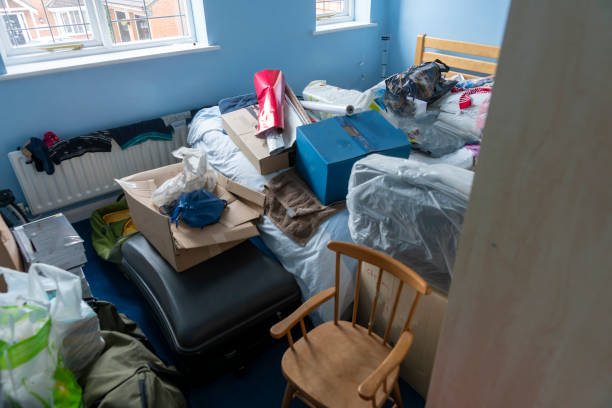
Hoarding Cleanup in Santa Maria: A Safer Path Forward, Especially During Fire Season
Reaching out about hoarding cleanup in Santa Maria usually isn’t easy. Maybe it’s your own home, or maybe it’s a parent, sibling, or close friend whose living space has become unmanageable — either way, this is rarely a first resort, and it’s not a decision anyone makes lightly. In Santa Maria, where dry summer conditions raise fire risk across the region, hoarding cleanup takes on an added layer of urgency: cluttered homes are measurably more dangerous when a fire starts. This guide is written to walk through that reality honestly, without judgment, and to explain what professional hoarding cleanup actually involves.
Why Is Hoarding Considered Such a Significant Fire Risk?
Beyond simply providing more fuel for a fire to spread, clutter creates compounding dangers. Personal items stored too close to stoves, heaters, or electrical outlets increase ignition risk, while blocked hallways, doorways, and windows can trap residents inside during an emergency and prevent firefighters from safely entering to help. The weight of accumulated materials can also contribute to structural strain, and once water is used to fight a fire, saturated clutter adds significant additional weight that has been linked to partial building collapse in extreme cases.
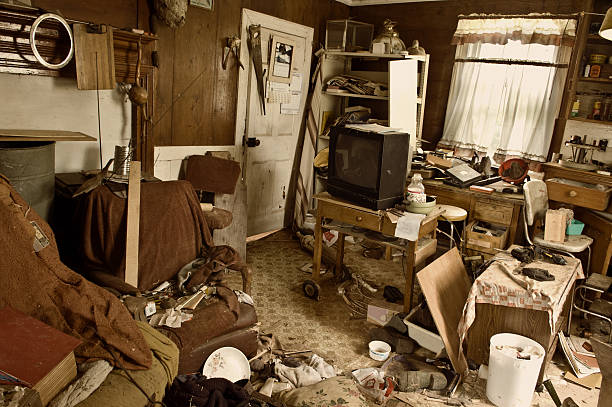
Is Hoarding Cleanup the Same as Regular Cleaning or Decluttering?
No — and this is one of the most important distinctions for families to understand. Hoarding cleanup often involves navigating structural damage, pest activity, blocked utilities, or unsafe walking surfaces that go well beyond a typical deep clean. It also frequently requires sensitivity that a standard cleaning service isn’t equipped to provide, since the person living in the space may have strong emotional attachment to items that look, to an outside observer, like ordinary clutter. Effective hoarding cleanup balances physical safety work with respect for the person and their belongings.
How Should You Approach a Loved One About Needing Hoarding Cleanup?
Fire and safety professionals consistently recommend leading with safety, not criticism of the clutter itself, according to fire safety guidance on communicating with individuals who hoard. Focusing the conversation on clear exits, working smoke alarms, and reducing fire risk tends to be far more productive than focusing on the volume of belongings, which can feel like a personal attack and cause the person to shut the conversation down entirely. Hoarding disorder is recognized as a genuine mental health condition, and approaching it with empathy — rather than frustration — makes it more likely the person will accept help.
What Does Professional Hoarding Cleanup in Santa Maria Actually Involve?
A structured hoarding cleanup typically starts with a safety assessment to identify the most urgent fire and structural hazards — blocked exits, exposed wiring, items stacked near heat sources — followed by a methodical sorting and removal process, often working room by room. Depending on conditions, this can also include pest control coordination, biohazard remediation if needed, and deep cleaning once items have been sorted and removed. Throughout the process, the resident (or their designated family member) typically remains involved in decisions about what stays and what goes, rather than having the decision made entirely for them.
Does Hoarding Cleanup Ever Involve Biohazard Concerns?
In more severe or long-standing situations, yes. Prolonged clutter accumulation can sometimes involve pest infestation, spoiled food, or other conditions that require biohazard-level cleaning protocols alongside the standard sorting and removal process. If a situation involves these conditions, it’s handled with the same regulatory care as any other biohazard remediation work. Our post on biohazard cleanup covers what that process looks like in more detail.

Compassionate, Safety-First Help — Call PuroClean of Santa Maria
Hoarding cleanup is sensitive work, and it deserves a team that treats both the safety concerns and the person living in the home with equal care. PuroClean of Santa Maria brings IICRC-certified expertise to hoarding cleanup throughout Santa Maria, Nipomo, Orcutt, and Guadalupe, with 24/7 availability when a situation needs urgent attention — particularly during Santa Maria’s driest, highest fire-risk months.
This kind of cleanup rarely gets easier by waiting, and addressing the fire safety risks sooner means less danger for everyone in the home. Whether you’re reaching out for yourself or on behalf of someone you care about, PuroClean of Santa Maria is here to help with discretion and respect, every step of the way.
Reach out today for a confidential, judgment-free consultation — call now or contact us to discuss how we can help.
Frequently Asked Questions
Is hoarding cleanup covered by insurance?
Coverage varies significantly by policy and by what triggered the need for cleanup (such as a pest infestation or safety violation). Checking directly with your insurance provider is the best way to understand what may be covered.
How long does a hoarding cleanup typically take?
Timelines depend heavily on the severity of the situation and the size of the home, ranging from a single day for lighter clutter to multiple weeks for more extensive, long-standing situations.
Will the person living in the home be forced to get rid of everything?
No. A respectful hoarding cleanup process involves the resident in decisions where possible, focusing first on safety hazards like blocked exits and fire risks rather than demanding a complete clear-out.
What if the person refuses to accept help?
This is common, and pressure rarely helps. Framing the conversation around safety rather than the clutter itself, and involving a trusted family member or, when appropriate, a mental health professional, tends to be more effective than insisting on immediate action.
Sources: NFPA — Hoarding · USFA — Hoarding and Fire Safety · Fire safety guidance on communicating with individuals who hoard
Available 24/7/365 | IICRC Certified | (805) 975-0800 | Contact Us Online | Google Business Profile