


Table of Contents
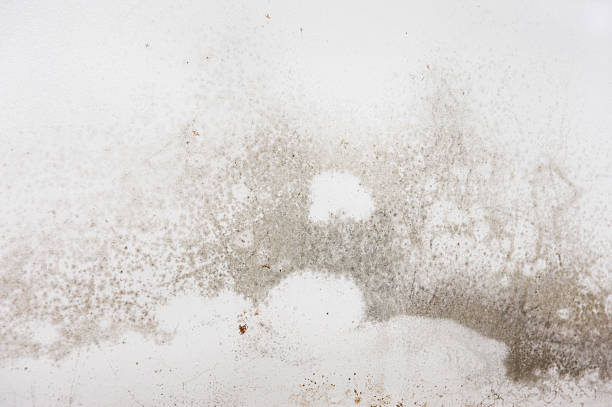
Is white mold as dangerous as claimed by health organizations, remediation experts, and medical professionals? If you’ve been Googling this question, you’re not alone. Thousands of homeowners dismiss white mold warnings every year, convinced that the fuzzy white growth in their basement is harmless compared to the notorious black mold everyone fears.
Here’s the hard truth: the question of is white mold as dangerous as claimed isn’t just worth asking. It’s urgently worth answering correctly. Because right now, six dangerous myths are circulating through neighborhood conversations, online forums, and home improvement communities that are putting Santa Maria families directly in harm’s way.
PuroClean of Santa Maria has responded to hundreds of mold emergencies where homeowners waited too long because they believed one or more of these myths. The consequences ranged from significant health problems to structural damage requiring tens of thousands of dollars in repairs. Every single case could have been addressed sooner, cheaper, and with less health impact if the homeowner had known the truth.
This guide systematically dismantles each myth, replaces it with science-backed facts, and answers the question of is white mold as dangerous as claimed once and for all.
Is White Mold as Dangerous as Claimed? The Short Answer
Before diving into the myths, the direct answer matters. Yes, is white mold as dangerous as claimed by leading health organizations. The Centers for Disease Control and Prevention confirms that mold exposure causes respiratory symptoms, allergic reactions, and serious health complications in vulnerable populations regardless of color. The Environmental Protection Agency states explicitly that all mold growth in indoor environments warrants attention and appropriate remediation.
White mold is not a single species. It describes dozens of fungal species including Aspergillus, Penicillium, Cladosporium, and others that appear white or light-colored during certain growth stages. Many of these species produce allergens, irritants, and mycotoxins with documented health effects. Color tells you nothing about danger level.
With that foundation established, here are the six deadly myths Santa Maria homeowners need to stop believing immediately.
Myth #1: White Mold Is Less Dangerous Than Black Mold
This is the most pervasive and damaging myth surrounding is white mold as dangerous as claimed. The idea that mold danger correlates with color has no scientific basis whatsoever, yet it drives homeowners to panic over black mold while completely ignoring white growth that may be equally or more hazardous.
The dangerous reputation of black mold stems primarily from Stachybotrys chartarum, a species associated with severe health effects and mycotoxin production. However, Stachybotrys represents one species among thousands. Many white mold species produce mycotoxins just as potent.
Aspergillus species, frequently appearing white or gray, produce aflatoxins considered among the most carcinogenic naturally occurring substances known to science. According to the National Institute of Environmental Health Sciences, aflatoxin exposure is associated with liver cancer and immune suppression. Penicillium species, another common white mold, produce ochratoxin and citrinin, compounds with documented kidney toxicity and potential carcinogenic properties.
The myth persists partly because black mold generates more media attention and partly because visible color provides a simple, memorable mental shortcut. But determining whether is white mold as dangerous as claimed requires species identification through laboratory testing, not a color assessment from across the room.
PuroClean of Santa Maria technicians consistently find homeowners who have been meticulously cleaning black spots while completely ignoring extensive white growth that laboratory testing later identifies as more hazardous than the black mold they feared. The color-based safety assessment costs these homeowners dearly in both health and remediation expenses.
The truth: Mold danger depends on species, concentration, exposure duration, and individual sensitivity, never on color. Treat all mold growth as potentially hazardous until professional testing provides definitive identification.
Myth #2: Small Amounts of White Mold Are Harmless
Another dangerous misconception about is white mold as dangerous as claimed involves the size threshold for concern. Homeowners regularly dismiss small white mold patches as inconsequential, reasoning that a few spots in the corner of their basement couldn’t possibly cause health problems.
This reasoning ignores fundamental mold biology. A small visible patch represents only the surface expression of a much larger colony. Mold structures called hyphae penetrate deep into porous materials, sometimes extending several inches beyond visible growth. What appears as a six-inch diameter patch may represent a colony spanning several square feet inside your wall or beneath your flooring.
More critically, even small mold colonies produce and release spores continuously. A single square inch of active mold can release thousands of spores per hour into your indoor air. According to research referenced by the American Lung Association, indoor mold exposure is one of the primary triggers for asthma attacks, and it takes very little airborne mold to trigger reactions in sensitive individuals.
Small visible growth also indicates conditions perfect for rapid expansion. The moisture, temperature, and organic material supporting that small patch will support much larger growth. Without addressing the underlying moisture problem, small infestations become large ones within days to weeks under favorable conditions.
PuroClean of Santa Maria has documented numerous cases where homeowners dismissed small white patches for months, then called for emergency assessment after family members developed respiratory symptoms. In virtually every case, investigation revealed the small visible growth had expanded dramatically within walls, under floors, and throughout HVAC systems during the delay period.
The truth: No amount of indoor mold is considered safe by health authorities. Small visible growth indicates larger hidden colonies and active spore production requiring prompt professional assessment.
Myth #3: Bleach Permanently Eliminates White Mold
Walk into any hardware store and you’ll find bleach-based products promising to kill mold on contact. This leads to widespread belief that a thorough bleach scrubbing solves white mold problems permanently. Understanding is white mold as dangerous as claimed requires understanding why this solution is dangerously incomplete.
Bleach kills surface mold spores effectively on non-porous materials like glass, tile, and metal. On these surfaces, the combination of bleach’s active chlorine and high pH creates conditions that destroy mold cells on contact. The visible growth disappears, the surface looks clean, and homeowners believe the problem is solved.
The critical limitation emerges on porous materials. Concrete, wood, drywall, grout, and insulation all have microscopic channels and pores that bleach solution cannot penetrate effectively. The chlorine component of bleach doesn’t penetrate deeply enough to reach mold hyphae embedded in these materials. The water component of bleach, however, penetrates readily and adds moisture to the porous material, potentially feeding remaining mold growth.
The EPA’s mold remediation guide explicitly states that porous materials with significant mold contamination generally cannot be cleaned effectively and should be removed and replaced. For these materials, bleach creates a false sense of security while allowing underlying mold to continue growing.
Additionally, killing surface mold without eliminating the moisture source guarantees recurrence. New spores from the air, always present in the environment, settle on the damp surface and begin growing again within days. The mold returns, the homeowner bleaches again, and the cycle continues while the hidden colony expands and structural damage accumulates.
The truth: Bleach is not a mold remediation solution. It provides temporary cosmetic improvement on non-porous surfaces while failing to address mold within porous materials or the moisture conditions enabling growth.
Myth #4: White Mold Only Affects People With Allergies or Sensitivities
A particularly dangerous myth about is white mold as dangerous as claimed holds that healthy people without known allergies have nothing to fear from white mold exposure. This belief leads individuals without diagnosed allergies to dismiss mold concerns entirely.
Medical research thoroughly contradicts this assumption. According to the American Academy of Allergy, Asthma and Immunology, mold exposure can sensitize previously non-allergic individuals over time. Regular exposure creates immune responses that didn’t exist before exposure began. People who had no mold allergies can develop them through sustained contact with mold in their home environment.
Beyond allergic responses, mold affects human health through multiple additional pathways. Mycotoxins produced by various white mold species cause cellular damage that doesn’t require an allergic response to occur. These chemical compounds affect anyone exposed regardless of allergy status. Documented effects include respiratory inflammation, neurological symptoms, immune suppression, and in some cases organ toxicity.
Irritant effects represent another non-allergic pathway. Mold fragments and cell wall components called beta-glucans trigger inflammatory responses in airways regardless of individual allergy status. This explains why people without diagnosed mold allergies still experience respiratory symptoms like coughing, wheezing, and throat irritation in mold-contaminated environments.
Children face particular vulnerability regardless of allergy status. Developing respiratory systems sustain more significant damage from the same exposure levels that cause milder symptoms in adults. Research consistently shows higher rates of respiratory problems in children living in mold-contaminated homes.
The truth: White mold poses health risks to everyone, not just allergy sufferers. Non-allergic individuals experience mycotoxin effects, irritant responses, and sensitization over time that can develop into serious chronic conditions.
Myth #5: If You Can’t See It, White Mold Isn’t a Problem
The visibility myth represents one of the most dangerous misunderstandings about is white mold as dangerous as claimed. If no white growth is visible, homeowners assume their home is mold-free. This assumption ignores how mold actually grows and spreads in building environments.
Visible mold represents only the reproductive structures mold produces when conditions are right for spore dispersal. The main body of mold colonies grows within and behind building materials, invisible from the surface. By the time mold becomes visible, substantial colonization has typically already occurred inside walls, under floors, and within ceiling cavities.
Mold commonly grows in locations with no visual access: inside wall cavities where plumbing runs, within HVAC ductwork, beneath bathroom flooring where moisture penetrates grout and caulk failures, in attic insulation, and in crawl spaces under homes. In these locations, colonies can reach enormous sizes without producing visible surface growth.
The smell test provides more reliable preliminary information than visual inspection. White mold produces volatile organic compounds creating the characteristic musty odor associated with mold growth. If your home has persistent musty odors without visible mold, hidden colonies likely exist. Santa Maria’s coastal moisture creates conditions where hidden mold grows extensively in poorly ventilated spaces before any surface growth appears.
According to guidance from the Environmental Protection Agency, unexplained musty odors, moisture stains, and health symptoms improving when away from home all indicate potential hidden mold problems requiring professional investigation with moisture meters, thermal imaging, and air quality sampling.
The truth: Hidden mold is extremely common and potentially more extensive than visible growth. Absence of visible white mold doesn’t indicate absence of mold or mold-related health risks.
Myth #6: White Mold Remediation Is a Simple DIY Project
The final myth about is white mold as dangerous as claimed involves the remediation process itself. The widespread belief that white mold cleanup requires only protective gloves, a spray bottle of cleaner, and a scrub brush leads homeowners to attempt DIY remediation that often makes problems significantly worse.
Professional mold remediation exists because effective mold removal requires specialized knowledge, equipment, and protocols that most homeowners lack. The primary danger of DIY remediation isn’t inadequate mold killing but rather cross-contamination during the cleaning process.
Disturbing mold colonies releases massive quantities of spores into the air. Without proper containment barriers, negative air pressure systems, and HEPA air filtration, these spores disperse throughout your home during the cleaning process. What started as a basement mold problem can become whole-house contamination through improper DIY attempts.
The IICRC S520 Standard for Professional Mold Remediation establishes specific protocols for containment, personal protection, removal procedures, and post-remediation verification that exist because mold remediation requires systematic expertise. These protocols prevent cross-contamination, ensure complete mold removal, and protect the health of remediation workers and building occupants.
Identifying and fixing moisture sources requires building science knowledge and diagnostic tools most homeowners don’t possess. Without moisture elimination, any remediation effort provides only temporary relief. Professional assessment identifies hidden moisture sources that DIY efforts miss, preventing the recurring mold growth that characterizes failed DIY remediation attempts.
PuroClean of Santa Maria regularly responds to properties where DIY attempts spread contamination from isolated areas throughout living spaces, multiplying both health risks and remediation costs substantially. The money saved on professional remediation gets spent many times over correcting the expanded problem.
The truth: Effective mold remediation requires professional expertise, specialized equipment, and systematic protocols. DIY attempts frequently spread contamination, miss moisture sources, and create larger problems than they solve.
The PuroClean Approach: Evidence-Based Remediation
Understanding that is white mold as dangerous as claimed leads directly to the logical next step: addressing the problem with the expertise it demands. PuroClean of Santa Maria has built its reputation on evidence-based remediation that doesn’t just remove visible mold but eliminates the conditions enabling it.
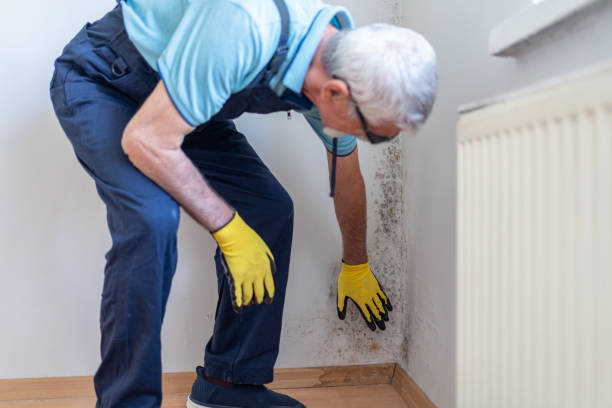
Our IICRC-certified technicians approach every mold project with a systematic methodology developed through extensive training and hundreds of Santa Maria remediation projects. We understand local building construction, regional moisture challenges, and the specific mold species common to Central Coast environments.
Our comprehensive remediation process includes thorough assessment using moisture meters, thermal imaging cameras, and air quality sampling to identify all affected areas including hidden contamination. We establish proper containment with negative air pressure systems that prevent spore migration during remediation. All contaminated porous materials are removed and properly disposed of following EPA guidelines. Affected structural components receive antimicrobial treatment using commercial-grade solutions proven effective against the specific species identified.
Throughout the entire process, commercial HEPA air filtration systems capture airborne spores before they can settle on clean surfaces or circulate through HVAC systems. Following remediation, we perform post-remediation verification testing to confirm that spore counts have returned to normal background levels and that all contamination has been successfully eliminated.
We work directly with insurance companies to document contamination, establish cause, and facilitate claims processing. Many Santa Maria homeowners discover their policies cover mold remediation when it results from covered perils like burst pipes, roof leaks, or storm damage.
Frequently Asked Questions
Q: Is white mold as dangerous as claimed if I only see a small amount?
A: Yes. Small visible growth indicates larger hidden colonies and active spore production. Even small amounts of mold release thousands of spores per hour into indoor air. Some white mold species produce mycotoxins with serious health effects at low exposure levels. The EPA recommends professional assessment for any indoor mold growth because visible amounts rarely represent the true extent of contamination.
Q: How do I know if white mold is making my family sick?
A: Common indicators include respiratory symptoms (coughing, wheezing, congestion) that worsen at home and improve elsewhere, recurring sinus infections, headaches concentrated during time spent at home, unexplained fatigue, skin or eye irritation, and worsening asthma. Children and elderly family members typically show symptoms first. If multiple family members experience similar symptoms without obvious cause, professional mold assessment is warranted.
Q: Is white mold as dangerous as claimed in basements specifically?
A: Basements present elevated risks because of their moisture levels, poor ventilation, and organic materials like wood framing. Santa Maria’s coastal climate creates additional moisture challenges. Basement mold growth often goes undetected longer than in living spaces, allowing larger colonies to develop. HVAC systems located in or passing through basements can distribute spores throughout entire homes. Professional assessment of basement mold is particularly important.
Q: Can air purifiers solve white mold problems?
A: HEPA air purifiers capture airborne spores, reducing exposure levels. However, they cannot address mold growing on surfaces and materials, eliminate moisture sources, or remove mold from HVAC systems. They reduce symptoms caused by airborne spores while the underlying mold problem continues growing. Think of them as temporary exposure reduction tools, not solutions. Professional remediation addresses the actual problem while air purifiers manage symptoms.
Q: How quickly should I respond after discovering white mold?
A: Immediately. Mold colonies double in size rapidly under favorable conditions. Every day of delay allows additional structural damage, increased health exposure, and potential spreading to new areas. More practically, water-damaged materials that remain wet for over 48 hours generally cannot be salvaged according to EPA guidelines, so prompt response often determines whether materials can be preserved or must be replaced. Contact PuroClean of Santa Maria the same day you discover white mold.
Q: Will my homeowner’s insurance cover white mold remediation?
A: Coverage depends on your specific policy and the mold’s cause. Insurance typically covers remediation when mold results from a covered sudden event like burst pipes, appliance failures, or storm-related water intrusion. Gradual moisture problems, flooding from outside, or maintenance neglect may not be covered. PuroClean of Santa Maria works with insurance companies to document findings, establish causation, and streamline claims processing when coverage applies.
Stop Believing Myths. Start Protecting Your Family.
The answer to is white mold as dangerous as claimed is unambiguous. Yes, absolutely, and the six myths examined in this guide have been protecting harmful mold growth while putting Santa Maria families at unnecessary risk. Mold doesn’t care about myths. It grows, spreads, and causes damage whether you believe it’s dangerous or not.
The good news is that effective, professionally managed solutions exist. PuroClean of Santa Maria brings the expertise, equipment, and evidence-based protocols to eliminate white mold completely, identify moisture sources causing it, and verify through post-remediation testing that your home is genuinely safe.
Don’t let another dangerous myth delay the protection your family deserves. If you’ve discovered white mold, noticed musty odors, or experienced unexplained health symptoms, contact PuroClean of Santa Maria today for comprehensive professional assessment. Because when is white mold as dangerous as claimed, the answer is always yes, and the solution is always professional remediation.
Available 24/7/365 | IICRC Certified | (805) 975-0800 | Contact Us Online | Google Business Profile