 PuroClean of Santa Maria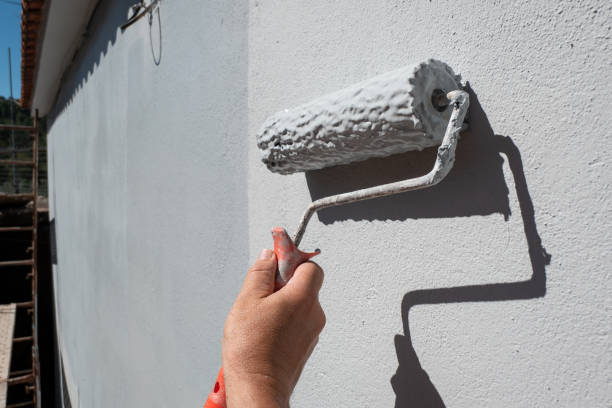
Table of Contents
Is white mold dangerous after it has been painted over? Yes, and painting over mold doesn’t eliminate the danger—it actually makes the problem significantly worse while creating legal liability, health hazards, and financial consequences that can cost Santa Maria homeowners tens of thousands of dollars.
Every week, PuroClean of Santa Maria receives calls from panicked homeowners and real estate agents who discovered that someone painted over mold rather than properly remediating it. Sometimes it’s a DIY homeowner who thought they were solving the problem. Other times it’s a seller trying to hide damage before listing. Either way, the consequences are severe.
Painting over mold doesn’t kill it. According to the Environmental Protection Agency, mold requires moisture, oxygen, and an organic food source to grow—all of which remain present underneath paint.<sup>[1]</sup> In fact, the paint creates a moisture barrier that traps humidity against the wall surface, accelerating mold growth rather than stopping it.
In Santa Maria’s coastal climate, where Pacific fog maintains 60-80% outdoor humidity year-round and temperatures stay consistently between 55-75°F, mold never goes dormant. That painted-over colony continues growing, spreading, and releasing spores—now trapped behind a latex or oil-based barrier that concentrates the contamination.
Let’s examine the 7 reasons why painting over mold is not just ineffective but dangerous, the legal implications for Santa Maria real estate transactions, and what you must do if you’ve discovered painted-over mold in your home.
⚠️ Discovered painted-over mold? Call PuroClean of Santa Maria 24/7: (805) 975-0800
Why Homeowners Paint Over Mold (And Why It Always Fails)
Before diving into the dangers, let’s understand why this happens so frequently in Santa Maria and across the Central Coast.
Common scenarios:
Pre-sale concealment: Sellers discover mold during pre-listing preparations and panic. Rather than spending $3,000-$8,000 on proper remediation, they paint over stains thinking buyers won’t notice. This creates massive legal liability (more on this below).
DIY misunderstanding: Homeowners genuinely believe “mold-killing paint” or primer will solve the problem. Marketing for these products can be misleading—they may resist future mold growth on clean surfaces but cannot penetrate existing colonies to kill established growth.
Rental property shortcuts: Landlords facing tenant turnover paint over bathroom mold to prepare units quickly. This violates California habitability requirements and creates tenant health risks.
Post-water damage cover-up: After a leak or flood, visible mold appears. Instead of calling professionals, homeowners let it “dry out,” then paint over remaining stains. The surface looks clean, but moisture and mold remain in wall cavities.
Budget constraints: Professional mold remediation costs $1,500-$15,000+ depending on extent. Some homeowners simply can’t afford proper treatment and attempt cosmetic concealment instead.
The Building Science Corporation emphasizes that surface treatments without addressing moisture sources and removing contaminated materials will always fail.<sup>[2]</sup> Mold remediation requires source removal, not surface concealment.
7 Shocking Reasons Painting Over Mold Makes Everything Worse
1. Paint Creates a Moisture Trap That Accelerates Growth
Is white mold dangerous after it has been painted over when the paint traps moisture? Absolutely—and this is the primary reason painted-over mold becomes more dangerous, not less.
How paint worsens moisture problems:
Mold grows on drywall when moisture penetrates the paper backing and gypsum core. Even after surface moisture evaporates, humidity remains trapped in the wall material. When you paint over this, you create a vapor barrier.
Paint (especially oil-based and semi-gloss latex) prevents moisture from evaporating outward. The humidity stays trapped against the wall surface, maintaining the exact conditions mold needs to thrive.
In Santa Maria’s coastal environment, exterior walls face additional challenges. Pacific fog creates condensation on cool exterior surfaces. When warm indoor air meets this cooler exterior wall, moisture condenses inside the wall cavity between insulation and drywall.
Painting over mold on these exterior walls doesn’t stop moisture coming from the other direction (exterior condensation). It just traps it against the contaminated surface, feeding the colony continuously.
What happens to mold growth rates:
According to research from the Forest Products Laboratory, mold colonies can double in size every 24-48 hours under ideal moisture conditions.<sup>[3]</sup> Painting over mold maintains those ideal conditions indefinitely because the paint prevents drying.
Unpainted mold might eventually dry out if the moisture source stops. Painted-over mold has constant moisture from the trapped humidity, ensuring continuous growth.
The hidden spread:
Worse, the mold doesn’t just stay in place. Because it can’t grow outward through the paint, it grows inward and laterally—deeper into the drywall, spreading sideways behind the paint, extending into wall cavities where you can’t see it.
By the time the paint begins bubbling or peeling (visual evidence that mold persists), the colony has typically expanded 5-10 times its original size behind the painted surface.
2. Mold Continues Releasing Toxic Spores Into Your Home’s Air
Is white mold dangerous after it has been painted over if you can’t see it anymore? Yes, because painting over mold doesn’t stop spore production or release.
The spore problem:
Mature mold colonies produce millions of spores continuously. These microscopic reproductive cells become airborne, searching for new damp surfaces to colonize. Spores are typically 3-40 microns in size—small enough to penetrate paint cracks, textured surfaces, and any imperfections in the paint barrier.
The Centers for Disease Control and Prevention identifies mold spore exposure as a primary cause of respiratory issues, allergic reactions, and asthma exacerbation. Painting over the source doesn’t eliminate the spores it’s producing.
How spores escape painted surfaces:
- Paint cracks and imperfections: Even fresh paint has microscopic imperfections. As paint ages, it develops cracks, especially in high-humidity environments like Santa Maria’s coastal climate.
- Textured surfaces: Popcorn ceilings, orange peel textures, and knockdown finishes have valleys and voids where paint doesn’t completely seal. Spores escape through these gaps.
- Paint edges: Where painted walls meet ceilings, baseboards, or corners, perfect sealing is nearly impossible. Spores release along these seams.
- Paint deterioration: In humid environments, paint breaks down faster. Peeling, bubbling, and flaking create pathways for massive spore release.
Health impacts continue:
Because spores continue circulating in your home’s air, health symptoms persist or worsen:
- Respiratory irritation and chronic cough
- Allergic reactions (sneezing, congestion, itchy eyes)
- Asthma attacks or development
- Skin rashes and irritation
- Headaches and fatigue
- Immune system stress
Vulnerable populations (children, elderly, those with existing respiratory conditions) face heightened risks from ongoing spore exposure.
3. Paint Bubbling and Peeling Creates Worse Visual Damage
Is white mold dangerous after it has been painted over when the paint starts failing? Yes, and the visual damage becomes worse than the original mold stains you tried to hide.
Why paint fails over mold:
Paint requires a clean, dry, stable surface for proper adhesion. Mold creates the opposite condition:
- Surface contamination: Mold’s biofilm (the slimy coating on colonies) prevents paint from bonding to the substrate.
- Ongoing moisture: Continued dampness from trapped humidity prevents paint from curing properly.
- Surface degradation: Mold consumes the paper backing on drywall, creating an unstable surface that paint can’t grip.
- Off-gassing: Mold produces gases (MVOCs – microbial volatile organic compounds) that can cause paint to bubble as gases accumulate under the paint film.
The timeline of failure:
In Santa Maria’s humid coastal climate, painted-over mold typically shows failure signs within 3-12 months:
- Months 1-3: Paint appears normal but musty odor may intensify
- Months 3-6: Slight discoloration begins bleeding through paint
- Months 6-12: Bubbling, peeling, or cracking develops
- Month 12+: Large-scale paint failure reveals extensive mold growth underneath
The escalating visual problem:
When paint bubbles over mold, you now have two problems:
- The original mold colony (now larger)
- Damaged paint that looks worse than the original stain
Attempting to repaint over failing paint just repeats the cycle. Each layer of paint traps more moisture, feeds more growth, and fails faster than the previous coat.
4. Structural Damage Accelerates Behind the Paint
Is white mold dangerous after it has been painted over for your home’s structure? Absolutely—painting over mold accelerates the structural deterioration you can’t see.
How mold damages building materials:
Mold doesn’t just sit on surfaces—it actively consumes them. White mold species like Aspergillus, Penicillium, and Cladosporium feed on cellulose (the primary component of drywall paper backing and wood).
According to the International Association of Certified Home Inspectors, mold can cause structural damage by:
- Consuming drywall paper backing, causing delamination and crumbling
- Degrading wood framing and studs, reducing load-bearing capacity
- Creating conditions for wood rot fungi (which cause more severe structural failure)
- Compromising insulation effectiveness
- Corroding metal studs and fasteners through acidic byproducts
The acceleration factor:
When you paint over mold without removing the moisture source, you guarantee continuous growth. That ongoing biological activity means continuous structural consumption.
An unpainted mold colony might slow or stop growing if conditions change (humidity drops, temperature shifts, air circulation improves). A painted-over colony has constant moisture from the vapor barrier effect, ensuring uninterrupted structural degradation.
Hidden damage zones:
The most dangerous aspect: structural damage occurs inside wall cavities where you can’t see it. Paint conceals surface symptoms while serious deterioration happens behind the scenes.
Common hidden damage in Santa Maria homes:
- Exterior wall studs degraded by fog-induced condensation
- Window/door framing rot from trapped moisture around painted-over mold
- Subfloor delamination under painted-over bathroom mold
- Ceiling joist damage in attics with painted-over roof leak stains
By the time structural damage becomes visible (sagging, cracking, shifting), repairs cost 10-20 times more than proper mold remediation would have cost initially.
Real Santa Maria example:
A homeowner on the Westside painted over bathroom ceiling mold from a slow roof leak. Two years later, the ceiling collapsed during a tenant’s shower due to structural rot. Total costs: $18,000 for ceiling replacement, mold remediation, roof repair, and tenant relocation—versus $2,500 for proper remediation when first discovered.
5. You Create Massive Legal Liability in Real Estate Transactions
Is white mold dangerous after it has been painted over for sellers and buyers? Yes—California real estate law makes painted-over mold a potential legal nightmare.
California disclosure requirements:
California Civil Code Section 1102 requires sellers to disclose known material facts affecting property value or desirability. The Natural Hazard Disclosure Statement specifically asks about mold.
If you painted over mold and sell the property without disclosure, you’ve committed fraud—even if you thought the paint “fixed” it. Buyers who discover painted-over mold after closing have legal recourse.
What constitutes “knowledge”:
You are legally presumed to know about:
- Mold you personally saw before painting
- Mold visible during your ownership, even if someone else painted over it
- Previous water damage or leaks that likely caused mold
- Musty odors or other indicators
“I thought painting over it fixed the problem” is not a legal defense. The law requires disclosure of the condition, not your belief about whether it was resolved.
Real estate agent responsibilities:
Listing agents have a duty to conduct visual inspections and ask sellers direct questions about mold history. If an agent sees paint bubbling, discoloration bleeding through paint, or notices musty odors, they must inquire and potentially recommend professional inspection.
Agents who knowingly conceal painted-over mold face license suspension, lawsuits, and E&O insurance claims.
Buyer inspection detection:
Professional home inspectors in Santa Maria know what to look for:
- Fresh paint in isolated areas (especially bathrooms, exterior walls, basements)
- Paint discoloration or bleeding
- Musty odors
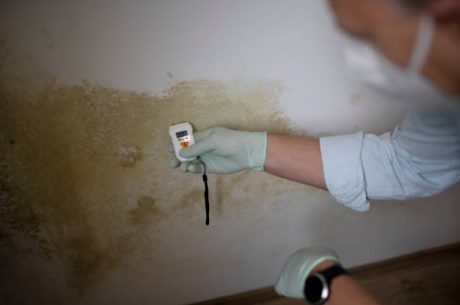
- Moisture meter readings showing elevated dampness
- Thermal imaging temperature anomalies indicating trapped moisture
Many inspectors now use moisture meters as standard practice on Santa Maria’s coastal properties specifically because painted-over moisture problems are so common.
Legal consequences for sellers:
Buyers who discover painted-over mold after closing can pursue:
- Rescission: Unwinding the sale completely, forcing you to take the property back
- Damages: Cost of remediation plus consequential damages (temporary housing, property value reduction, health expenses)
- Punitive damages: If fraud is proven, courts can award damages exceeding actual costs
- Attorney fees: California Civil Code 1102.13 allows prevailing buyers to recover legal costs
Santa Maria real estate context:
Central Coast properties often sell for $600,000-$1,200,000+. Discovery of painted-over mold can trigger:
- 5-15% price reductions ($30,000-$180,000 on a $600,000 home)
- Deal cancellations during escrow
- Post-closing lawsuits costing $50,000-$150,000+ in damages and fees
The right approach:
If you discover mold before selling:
- Get professional remediation (documented and warrantied)
- Disclose the issue and remediation in writing
- Provide buyers with remediation reports and warranties
- Price may adjust slightly, but you avoid legal catastrophe
Proper disclosure typically impacts sale price by 2-5%. Concealment and discovery risks losing 15%+ plus legal costs.
6. Professional Remediation Becomes More Expensive
Is white mold dangerous after it has been painted over for your wallet? Yes—painted-over mold costs significantly more to remediate properly.
Why costs increase:
Paint removal requirements: Before mold can be properly treated, the paint must be removed. This adds labor and disposal costs.
Larger contamination area: Because painted-over mold continued growing, the affected area is typically 3-5 times larger than when first painted.
Deeper material penetration: Mold roots extend deeper into materials when growth continues unchecked, often requiring complete material removal rather than surface treatment.
Additional testing: Painted-over mold requires extra testing to determine colony extent underneath paint and inside wall cavities.
More extensive reconstruction: Larger affected areas mean more drywall replacement, more painting, more reconstruction time and materials.
Cost comparison:
| Scenario | Typical Cost Range |
|---|---|
| Immediate remediation (unpainted mold, small bathroom area) | $1,500-$3,500 |
| Painted-over mold, same area, 12 months later | $4,000-$8,000 |
| Painted-over mold, spread to adjacent rooms, 24 months later | $10,000-$25,000+ |
Real Santa Maria case study:
A homeowner painted over mold in a guest bathroom (approximately 60 sq ft of affected wall). Initial remediation quote: $2,200.
Eighteen months later, after paint bubbling revealed the problem still existed, professional inspection found:
- Mold had spread throughout wall cavity
- Adjacent bedroom closet contaminated
- HVAC system pulled spores to other rooms
- Subfloor damage from continued moisture
Final remediation cost: $11,500—more than 5 times the original quote.
7. Insurance Coverage May Be Voided
Is white mold dangerous after it has been painted over for insurance coverage? Yes—painting over mold can void your homeowner’s insurance coverage for mold damage.
How painting over mold affects coverage:
Most homeowner’s insurance policies cover mold resulting from sudden, accidental water damage (burst pipes, appliance failures, roof leaks from storms). However, policies exclude:
- Gradual damage: Mold from long-term moisture or lack of maintenance
- Intentional concealment: Deliberately hiding known problems
- Failure to mitigate: Not addressing water damage promptly
When you paint over mold instead of remediating it, you’ve:
- Failed to mitigate the water damage that caused the mold
- Intentionally concealed a known problem
- Allowed gradual damage to continue
Insurance adjusters who discover painted-over mold typically deny claims, arguing the damage is from “lack of maintenance” or “intentional concealment” rather than a covered peril.
California insurance implications:
Some California carriers have added specific mold exclusions or limitations following high-profile mold claims. Common policy provisions:
- $10,000-$25,000 caps on mold remediation coverage
- Complete mold exclusions (no coverage regardless of cause)
- Requirements for immediate professional water damage response
If you painted over mold and it later causes significant damage, you’re likely paying out of pocket for remediation that might have been covered if addressed immediately.
Documentation requirements:
To maintain coverage, policyholders should:
- Report water damage immediately (within 24-72 hours)
- Hire certified professionals for water extraction and drying
- Document all remediation work
- Save all receipts and reports
Painting over mold and failing to report it creates a documentation gap that adjusters use to deny claims.
How Home Inspectors Detect Painted-Over Mold
Professional home inspectors in Santa Maria use multiple methods to identify concealed mold:
Visual indicators:
- Fresh paint in isolated areas
- Paint discoloration or “ghosting” (stains bleeding through)
- Bubbling, peeling, or cracking paint
- Texture differences (paint applied over damaged drywall)
Moisture meters: Non-invasive tools measure moisture content in walls. Readings above 15% for wood or 1% for drywall indicate potential moisture problems and possible mold.
Thermal imaging: Infrared cameras detect temperature differences. Mold-affected areas often show as cooler spots due to increased moisture content, which appears as color variations on thermal images.
Odor detection: Trained inspectors recognize mold’s musty odor even when visual growth is concealed. If paint fails to mask the smell, inspectors investigate further.
Air quality testing: When visual inspection raises concerns, air sampling can detect elevated mold spore counts indicating hidden colonies.
Invasive inspection: If non-invasive methods indicate problems, inspectors may recommend opening small inspection holes to visually confirm mold behind painted surfaces.
Santa Maria inspection context:
Given the coastal climate’s propensity for moisture problems, Central Coast inspectors are particularly vigilant about painted-over mold. Many use moisture meters on all exterior walls as standard practice.
Properties in Orcutt, Nipomo, and older Santa Maria neighborhoods (pre-1980 construction) receive extra scrutiny due to construction methods that didn’t include modern moisture barriers.
What To Do If You’ve Discovered Painted-Over Mold
If You’re a Homeowner:
Step 1: Stop painting immediately. Adding more paint layers makes remediation harder and more expensive.
Step 2: Call professional mold inspection. You need to determine the extent of growth beneath and behind the paint. PuroClean of Santa Maria offers free mold inspections with moisture mapping and visual assessment.
Step 3: Address the moisture source. Paint concealment doesn’t fix leaks, condensation, or ventilation problems. Identify and repair the underlying moisture source before remediation.
Step 4: Professional remediation. Proper mold removal requires:
- Containment to prevent spore spread
- Removal of contaminated materials (paint, drywall, insulation)
- HEPA vacuuming and antimicrobial treatment
- Complete structural drying
- Post-remediation testing
- Proper reconstruction with mold-resistant materials
Step 5: Documentation. Keep all inspection reports, remediation documentation, and warranties. This protects you in future real estate transactions and insurance claims.
If You’re Selling a Home:
Legal obligation: You must disclose known mold, whether remediated, painted over, or currently visible. Consult a real estate attorney if uncertain about disclosure requirements.
Recommended approach:
- Get professional remediation before listing
- Provide buyers with remediation reports and warranties
- Adjust pricing appropriately if disclosure impacts perceived value
- Never attempt to conceal with paint
If You’re Buying a Home:
Due diligence:
- Hire inspectors who use moisture meters and thermal imaging
- Specifically ask about water damage and mold history
- Request seller disclosures in writing
- Consider mold-specific inspections if concerns exist
Red flags:
- Fresh paint in isolated areas (especially bathrooms, basements, exterior walls)
- Musty odors
- Previous water damage disclosed without mold disclosure
- Reluctance to provide inspection access
Escrow protections: Include mold inspection contingencies in purchase agreements. If painted-over mold is discovered, you can:
- Negotiate repairs before closing
- Adjust purchase price
- Cancel the contract if material defects aren’t disclosed

Proper Mold Remediation: The Only Solution
Is white mold dangerous after it has been painted over? Yes—and the only solution is proper professional remediation following IICRC S520 standards.
The correct remediation process:
Assessment and containment: Professional inspectors identify contamination extent using moisture meters, thermal imaging, and air testing. Affected areas are sealed with plastic barriers and negative air pressure to prevent spore spread during removal.
Source material removal: Paint, contaminated drywall, insulation, and other porous materials are removed and properly disposed of. You cannot clean mold from porous materials—removal is required.
Structural cleaning: Non-porous surfaces (studs, concrete, metal) are HEPA vacuumed and treated with EPA-registered antimicrobials.
Moisture correction: The underlying moisture source (leak, condensation, ventilation problem) must be repaired. Otherwise, mold returns regardless of remediation quality.
Drying and verification: Affected areas are dried to below 15% moisture content using commercial dehumidifiers and air movers. Post-remediation testing confirms successful mold removal before reconstruction.
Reconstruction with prevention: Replacement materials should include mold-resistant drywall, moisture barriers, and proper ventilation to prevent recurrence.
PuroClean of Santa Maria’s approach:
Our IICRC-certified technicians follow strict protocols:
- Free initial inspection and moisture mapping
- Detailed scope of work and pricing before starting
- Complete containment with HEPA filtration
- EPA-approved antimicrobial treatments
- Documentation for insurance and real estate transactions
- Post-remediation clearance testing
- Warranties on work performed
Cost vs. value:
Professional remediation costs $1,500-$15,000+ depending on extent, but provides:
- Permanent solution (vs. temporary paint concealment)
- Legal protection in real estate transactions
- Health protection for occupants
- Structural preservation
- Insurance claim documentation
- Transferable warranties
Painting over mold costs $100-$500 initially but creates:
- Continued health risks
- Accelerated structural damage
- Legal liability ($50,000-$150,000+ in real estate disputes)
- Insurance coverage loss
- Eventually requiring full remediation anyway (now 3-5x more expensive)
The math is clear: proper remediation saves money, protects health, and eliminates legal risks.
Santa Maria Real Estate Context: Coastal Climate Considerations
Santa Maria’s location on California’s Central Coast creates unique mold challenges:
Pacific fog and humidity: Year-round fog maintains 60-90% outdoor humidity, especially during morning hours. This moisture penetrates homes through any air leakage points, maintaining ideal mold conditions 365 days a year.
Mild temperatures: The consistent 55-75°F range means mold never goes dormant. There’s no winter freeze to slow growth like in other climates.
Older housing stock: Many Santa Maria homes were built 1950s-1980s before modern moisture barrier requirements. These homes are particularly vulnerable to condensation and mold.
Salt air corrosion: Coastal air accelerates corrosion of HVAC components, creating leaks and condensation that feed mold growth.
Real estate market implications:
Santa Maria’s housing market (median home price $600,000-$700,000) means mold problems represent significant value concerns:
- Undisclosed painted-over mold can trigger 10-20% value reductions
- Professional remediation typically costs 0.25-2% of home value
- Proper disclosure with completed remediation rarely impacts sales
Buyers in Santa Maria should:
- Always use inspectors familiar with coastal mold issues
- Request moisture meter testing on all exterior walls
- Ask specifically about water damage and mold history
- Consider air quality testing on properties with musty odors
Sellers in Santa Maria should:
- Address mold professionally before listing
- Never paint over mold to conceal it
- Disclose any water damage or mold history
- Provide remediation documentation and warranties
Frequently Asked Questions
Q: Is white mold dangerous after it has been painted over? Yes. Painting over white mold does not kill the mold or stop spore production. The paint creates a moisture barrier that traps humidity against the wall surface, actually accelerating mold growth. Health risks continue as spores escape through paint imperfections, and structural damage worsens as the hidden colony expands. Additionally, painted-over mold creates legal liability in real estate transactions and may void insurance coverage.
Q: Can mold grow under paint? Yes, mold grows actively under paint. Paint does not kill mold—it requires moisture, organic material, and oxygen, all of which remain present beneath paint. In fact, paint traps moisture against surfaces, creating ideal conditions for accelerated growth. The mold colony continues expanding deeper into materials and laterally behind the painted surface, often growing 5-10 times larger before paint failure makes it visible again.
Q: Does painting over mold with Kilz or mold-killing paint work? No. While products like Kilz and “mold-killing” primers resist future mold growth on clean surfaces, they cannot penetrate existing mold colonies to kill established growth. The mold’s root structure (mycelium) extends deep into porous materials where surface coatings can’t reach. These products are preventative, not remedial. Painting over existing mold with any product—including specialty primers—conceals the problem temporarily but allows continued growth, spore production, and structural damage.
Q: What are the legal risks of painting over mold before selling in California? Significant. California Civil Code Section 1102 requires sellers to disclose known material defects, including mold. Painting over mold to conceal it before selling constitutes fraud, even if you believed the paint “fixed” it. Buyers who discover painted-over mold after closing can sue for rescission (unwinding the sale), damages (remediation costs plus consequential losses), punitive damages, and attorney fees. Real cases in California have resulted in judgments exceeding $100,000 for undisclosed painted-over mold.
Q: How do home inspectors detect painted-over mold? Professional inspectors use multiple detection methods: visual inspection for paint discoloration, bubbling, or peeling; moisture meters to measure elevated dampness in walls (readings above 15% indicate problems); thermal imaging to detect temperature anomalies from trapped moisture; odor detection of musty smells; and air quality testing when visual indicators suggest hidden contamination. Inspectors are particularly vigilant about fresh paint in isolated high-risk areas (bathrooms, exterior walls, basements).
Q: How much does it cost to properly remediate painted-over mold vs. painting over it? Painting over mold costs $100-$500 initially but creates future costs of $10,000-$50,000+ when the problem worsens. Immediate professional remediation costs $1,500-$8,000 for typical residential growth, depending on extent. However, painted-over mold that continues growing for 12-24 months costs 3-5 times more to remediate later due to larger affected areas, deeper material penetration, paint removal requirements, and additional testing needs. Factor in legal risks ($50,000-$150,000+ in real estate disputes) and health costs, and professional remediation is always the economical choice.
The Bottom Line: Paint Isn’t Remediation
Is white mold dangerous after it has been painted over? Absolutely—and painting over mold transforms a manageable problem into a health hazard, structural threat, legal liability, and financial disaster.
Mold requires professional remediation following IICRC standards: source removal, moisture correction, antimicrobial treatment, and proper reconstruction. Surface concealment with paint is never a solution.
If you’re a Santa Maria homeowner who painted over mold—or discovered that someone else did—don’t panic, but do act immediately:
- Stop adding more paint layers
- Get professional mold inspection
- Address the underlying moisture source
- Have proper remediation performed
- Document everything for insurance and real estate purposes
If you’re buying or selling Santa Maria real estate, understand that coastal climate makes mold common. The issue isn’t whether mold has ever existed—it’s whether it was handled properly with full disclosure.
PuroClean of Santa Maria has remediated hundreds of painted-over mold situations throughout the Central Coast. We know the unique challenges of Santa Maria’s coastal climate, we work directly with insurance companies and real estate agents, and we provide the documentation you need to protect yourself legally.
Don’t let painted-over mold destroy your home’s value, your family’s health, or your legal standing.
Call PuroClean of Santa Maria now for a FREE mold inspection: (805) 975-0800
We’re available 24/7/365 with IICRC-certified technicians, advanced detection equipment, and complete remediation services. Our warranties transfer to new homeowners, protecting real estate transactions and providing peace of mind.
The paint isn’t hiding the mold—it’s making it worse. Let’s fix it the right way.
Call now: (805) 975-0800
Available 24/7/365 | IICRC Certified | (805) 975-0800 | Contact Us Online | Google Business Profile

 PuroClean of Santa Maria