 PuroClean of Santa Maria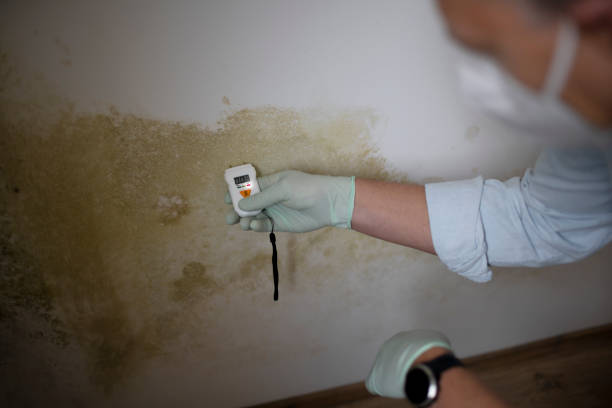
Table of Contents
Is white mold dangerous after water damage? When a pipe bursts, a roof leaks, or flooding hits your Santa Maria home, you’re facing a ticking clock more urgent than most homeowners realize. The water you see is only the beginning of the problem. Within 24 to 48 hours, invisible mold spores already present in your home will begin colonizing wet materials, creating health threats that can persist for years if the narrow window for proper response is missed.
The critical question isn’t just whether is white mold dangerous after water damage. It’s understanding that every hour of delay increases health risks, reduces material salvageability, complicates insurance claims, and transforms what could have been manageable cleanup into extensive remediation requiring thousands of dollars and weeks of displacement.
Most water damage victims waste precious hours in the crucial first 48 hours. They wait to see if things will dry on their own. They attempt inadequate DIY cleanup without understanding what professional water extraction and drying actually require. They delay calling insurance, not realizing coverage often depends on prompt notification and professional response documentation. Meanwhile, mold begins growing in wall cavities, under flooring, and within materials they can’t even see.
This guide provides the hour-by-hour timeline answering is white mold dangerous after water damage, explains exactly when materials transition from salvageable to replacement-required, identifies the professional versus DIY decision thresholds that protect both health and property value, and details the insurance timing requirements that Santa Maria homeowners must understand to protect their coverage.
Is White Mold Dangerous After Water Damage? The Immediate Answer
Before examining the timeline, water damage victims need the immediate medical and restoration industry consensus. Yes, is white mold dangerous after water damage according to the Environmental Protection Agency, the Centers for Disease Control and Prevention, and water damage restoration standards. More critically, mold growth after water damage often involves species and concentrations that create more severe health risks than background environmental mold.
The Institute of Inspection, Cleaning and Restoration Certification (IICRC), which establishes water damage restoration standards, states explicitly that materials remaining wet for more than 48 hours will likely require removal rather than cleaning due to mold colonization. This 48-hour window represents the critical action threshold separating manageable cleanup from extensive remediation.
Water-damaged materials provide perfect conditions for rapid mold establishment. The sudden moisture saturation, organic materials present in building components, and often elevated temperatures create ideal growth conditions. Mold that establishes after water damage grows more aggressively and reaches higher concentrations faster than mold developing from chronic low-level moisture.
Understanding whether is white mold dangerous after water damage requires recognizing that the answer changes hour by hour as mold colonization progresses. Here’s the precise timeline showing when and why prompt action is critical.
Hour 0-2: The Critical Response Window Begins
The moment water damage occurs, your response window opens. The first two hours represent your best opportunity to minimize all downstream problems including mold growth, material damage, and restoration costs. Understanding that is white mold dangerous after water damage starts with recognizing that professional response during these first hours determines everything that follows.
Immediate actions required:
Stop the water source if possible. For burst pipes, shut off water supply. For roof leaks, implement temporary tarping if safe. For flooding, wait for water levels to recede but prepare for immediate response. Knowing the source helps professionals plan appropriate response.
Contact your insurance company immediately. Most policies require prompt notification. Delays in reporting can jeopardize coverage. Document the damage with photos and videos before moving anything. This documentation protects your claim and establishes the extent of damage.
Call professional water damage restoration specialists. The restoration industry operates 24/7 emergency response specifically because of the critical time windows involved. PuroClean of Santa Maria provides emergency response within hours because we understand that is white mold dangerous after water damage depends heavily on response speed.
What’s happening microscopically:
Mold spores already present in your home encounter sudden moisture. These dormant spores begin the germination process. While visible growth hasn’t occurred yet, the biological processes leading to colonization have begun. Every hour of moisture exposure moves materials closer to the point where mold establishment becomes inevitable.
Materials are actively absorbing water through capillary action and wicking. Water you don’t see is spreading into wall cavities, under flooring, and into structural components. Surface water is only part of the problem. Hidden saturation is already occurring.
Hour 2-12: Water Extraction and Initial Drying Critical
Hours 2 through 12 after water damage represent the window when professional water extraction and initial drying must begin to prevent mold establishment. This is when the question of is white mold dangerous after water damage gets answered by your actions or inaction.
Professional response during this window:
Industrial water extraction equipment removes standing water and extracts water from carpets, padding, and porous materials far more effectively than household wet vacuums. Professional extractors can remove 95% of water from materials, while DIY methods might remove 50%, leaving dangerous moisture levels.
Moisture mapping using professional moisture meters identifies all affected materials including hidden saturation. Water travels through building assemblies in ways visible inspection doesn’t reveal. Professional assessment finds the water you can’t see.
Strategic equipment placement of commercial dehumidifiers and air movers begins the drying process. The goal is reducing relative humidity below 60% and creating airflow across all wet surfaces. Proper drying requires specific equipment positioning that DIY efforts rarely achieve.
What’s happening to materials:
Porous materials like drywall, insulation, carpets, and wood are absorbing maximum water. The longer materials remain saturated, the deeper water penetrates and the more damage occurs. Drywall begins losing structural integrity. Wood starts swelling. Carpet padding becomes compressed and contaminated.
Mold spores exposed to sustained moisture for 12+ hours begin forming hyphae, the thread-like structures that penetrate materials and establish colonies. This is the transition from dormant spores to active growth. Once this process begins, surface drying alone won’t eliminate the problem.
Insurance implications:
Most policies cover sudden, accidental water damage but require professional documentation of the extent of damage and restoration efforts. Insurance adjusters want to see that you took immediate action to prevent additional damage. Professional response during this window provides the documentation insurers require and often prevents claim disputes later.
Hour 12-24: The Salvageability Threshold Approaches
Between 12 and 24 hours after water damage, materials approach critical thresholds that determine salvageability versus required replacement. The question of is white mold dangerous after water damage becomes inseparable from the question of whether materials can still be saved.
Material-specific timelines:
Carpet and padding that remain wet for 24 hours face extremely high mold risk. Carpet padding in particular becomes a mold reservoir that cannot be adequately cleaned. Most restoration professionals recommend padding replacement after 24 hours of saturation regardless of visible mold.
Drywall begins showing irreversible damage. Water-saturated drywall loses structural integrity, and the paper backing provides perfect mold food. While drywall can sometimes be salvaged if dried within 24 hours, success depends on water source cleanliness and saturation extent.
Hardwood flooring experiences cupping and warping that may become permanent. The 24-hour mark is critical for hardwood salvageability. Beyond this, even if dried, the wood may never return to its original condition.
Insulation in walls and ceilings, if saturated, rarely recovers. Fiberglass insulation compresses and loses R-value. Cellulose insulation becomes a mold growth medium. Most professionals recommend insulation replacement after 24 hours of saturation.
Health risk progression:
Mold colonies are now establishing throughout water-damaged areas. While growth might not be visible yet, microscopic colonization is occurring. Spores are beginning to form on the hyphae that have penetrated material surfaces. These spores will become airborne as materials dry, creating exposure even before visible mold appears.
Professional vs. DIY threshold:
The 24-hour mark represents where DIY water damage response becomes increasingly inadequate and potentially dangerous. Without professional equipment and expertise, you cannot verify that hidden moisture has been addressed. Surface drying while wall cavities remain wet guarantees mold problems.
According to the American Industrial Hygiene Association, water damage affecting areas larger than 10 square feet or involving contaminated water requires professional remediation regardless of timing. At 24 hours, even clean water damage should receive professional assessment to verify adequate drying and prevent mold.
Hour 24-48: The Critical Mold Prevention Window Closes
The window between 24 and 48 hours after water damage represents the absolute deadline for preventing significant mold establishment. Beyond 48 hours, mold growth transitions from preventable to requiring active remediation. Understanding that is white mold dangerous after water damage means recognizing this timeline as non-negotiable.
The 48-hour rule:
Industry standards from IICRC state that materials remaining wet for more than 48 hours will likely require removal rather than drying. This isn’t arbitrary. It reflects the biological reality that mold colonies reach maturity and begin heavy spore production around the 48-hour mark of sustained moisture exposure.
Materials dried within 48 hours can often be salvaged if moisture removal was thorough and complete. Materials wet beyond 48 hours face presumption of contamination requiring replacement regardless of visible mold. The microscopic colonization occurring during those 48 hours compromises materials even if you can’t see it yet.
Visible mold emergence:
By 48 hours, visible mold growth often begins appearing on highly porous materials in optimal conditions. You might see fuzzy white growth on drywall, carpet, or wood surfaces. This visible growth represents a small fraction of the total colonization. What you see on surfaces indicates more extensive growth within materials.
The specific mold species that establish after water damage often include Aspergillus, Penicillium, Chaetomium, and Stachybotrys. These species can produce mycotoxins and create health hazards exceeding those from typical background mold. The question of is white mold dangerous after water damage often involves these particularly concerning species.
Health exposure begins:
Even before visible mold appears, spore concentrations in affected areas increase dramatically. Anyone entering water-damaged spaces between 24-48 hours after the event faces elevated mold exposure. For people with allergies, asthma, or compromised immunity, this exposure can trigger significant symptoms.
The Environmental Protection Agency recommends that people with health vulnerabilities avoid entering areas with significant water damage even before mold becomes visible. The assumption should be that mold is establishing and exposure is occurring.
Hour 48-72: Transition to Active Remediation Required
Beyond 48 hours, water-damaged materials transition from “cleanup and drying” to “remediation and replacement.” The question shifts from preventing mold to removing established contamination. This is when is white mold dangerous after water damage becomes most obviously yes because active growth is now occurring.
Material replacement becomes mandatory:
Drywall wet for over 48 hours typically requires replacement. Even if dried, mold within the drywall structure and paper backing cannot be adequately cleaned. Removal and replacement represent the only reliable remediation approach.
Carpet and padding wet beyond 48 hours require removal. The cost and effort to attempt cleaning exceeds replacement cost, and cleaning success rates are poor. Mold established within carpet fibers and padding backing cannot be reliably eliminated.
Insulation wet for 48+ hours must be removed. There’s no cleaning method for saturated insulation. It must be extracted from wall and ceiling cavities and replaced with new material after structural components are dried and treated.
Containment becomes necessary:
At this point, mold spore concentrations are high enough that containment barriers preventing spore migration to unaffected areas become necessary. DIY removal of contaminated materials without containment spreads contamination throughout the home, making problems significantly worse.
Professional remediation following IICRC S520 mold remediation standards includes establishing physical barriers, creating negative air pressure in work areas, and using HEPA air filtration continuously during material removal. These protocols prevent the cross-contamination that occurs when untrained property owners remove moldy materials without proper procedures.
Insurance claim complications:
Delays beyond 48 hours create insurance claim complications. Adjusters note that prompt professional response wasn’t obtained. They question whether damage resulted from the sudden water event or from neglect in responding appropriately. Claims that should be straightforward become disputed, and coverage that should be clear becomes questionable.
Day 3-7: Extensive Remediation Phase
Three to seven days after water damage, mold growth is well-established, visible, and creating significant health exposures. The question of is white mold dangerous after water damage at this point is obviously yes, and the focus shifts entirely to how extensive remediation must be.
Visible growth becomes obvious:
White fuzzy growth appears on multiple surfaces. You’ll see it on drywall, especially near baseboards and in corners. It appears on any exposed wood framing. Carpet shows discoloration and fuzzy growth. The musty smell becomes unmistakable.
This visible growth represents advanced colonization. The colonies are mature, producing spores heavily, and spreading rapidly. What you see is only surface evidence of deeper contamination extending into wall cavities, under flooring, and throughout affected areas.
Health symptoms emerge:
Occupants, especially those with allergies or asthma, begin experiencing respiratory symptoms. These include coughing, wheezing, nasal congestion, eye irritation, and exacerbation of existing respiratory conditions. These symptoms confirm significant mold exposure is occurring.
For Santa Maria families, recognizing these symptoms and connecting them to recent water damage is critical. Continuing to occupy heavily contaminated spaces while planning remediation creates unnecessary health exposure. Temporary relocation may be advisable during the remediation period.
Remediation scope expands:
What might have been contained to specific rooms if addressed within 48 hours now often involves multiple rooms. Mold spores distributed throughout the property during the days of unchecked growth require whole-house air quality assessment and often treatment of areas showing no water damage simply because airborne spore levels throughout the home have increased.
Professional remediation at this stage includes air quality sampling to establish contamination extent, comprehensive moisture assessment of the entire structure, removal of all contaminated materials, antimicrobial treatment of structural components, HEPA air filtration and air scrubbing to reduce spore concentrations, and post-remediation verification testing to confirm successful cleanup.
Week 2+: Chronic Problems From Delayed Response
Two weeks or more after water damage with inadequate response, the question of is white mold dangerous after water damage evolves into recognizing that you now face chronic mold contamination requiring extensive remediation and possibly creating lasting property damage and health effects.
Structural damage compounds:
Wood framing exposed to moisture for weeks shows rot, not just mold. Structural integrity becomes compromised. What was cosmetic damage requiring drywall replacement becomes structural damage requiring framing repair or replacement.
Floors show permanent damage. Hardwood flooring that might have been saved with prompt response now requires complete replacement. Subfloors show warping and deterioration requiring replacement before new flooring can be installed.
Secondary water damage emerges:
Continued moisture creates ongoing damage beyond the initial water event. Electrical systems corrode. Plumbing components rust. HVAC components deteriorate. The initial water damage triggers cascading problems throughout building systems.
Health becomes primary concern:
After weeks of exposure to high mold concentrations, family members may develop serious respiratory problems, allergic sensitization requiring medical treatment, asthma in previously healthy individuals, and infections in immunocompromised household members. The health costs begin exceeding the property restoration costs.
Insurance complications intensify:
At this point, insurance companies scrutinize claims heavily. They investigate whether the current damage resulted from the initial covered event or from the homeowner’s failure to mitigate damages promptly. Coverage that would have been straightforward with 48-hour professional response becomes disputed, denied, or reduced significantly.
Professional vs. DIY Decision Framework
Understanding is white mold dangerous after water damage includes knowing when professional help transitions from advisable to absolutely essential:
Seek immediate professional help if:
Water damage covers more than 10 square feet, water contains sewage or other contamination, water affected HVAC systems or electrical components, water infiltrated wall cavities or structural spaces, you have household members with health vulnerabilities, or you’re planning to file an insurance claim.
Additional professional response indicators:
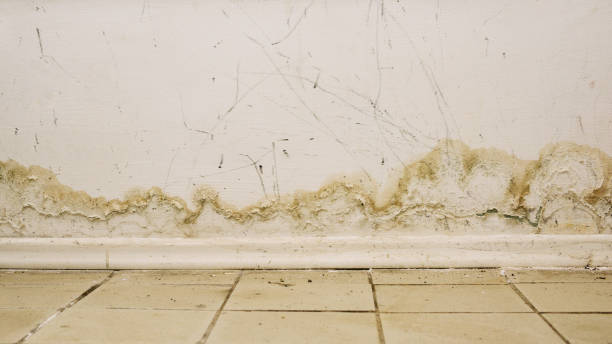
Santa Maria’s coastal climate means buildings have higher baseline moisture that complicates water damage drying. What might dry adequately in arid climates requires professional equipment in coastal environments. The marine layer and elevated humidity make thorough drying within critical timeframes nearly impossible without commercial dehumidification.
PuroClean of Santa Maria: Emergency Water Damage Response
Understanding that is white mold dangerous after water damage creates urgency for professional emergency response. PuroClean of Santa Maria operates 24/7 emergency water damage response specifically because we understand the critical time windows determining outcomes.
Our emergency response includes arrival within hours of your call, immediate water extraction using commercial equipment, comprehensive moisture mapping identifying all affected areas, strategic drying equipment placement for maximum effectiveness, continuous monitoring throughout the drying process, and documentation meeting insurance company requirements.
We work directly with Santa Maria-area insurance companies, adjusters, and agents. We provide the documentation insurers require, communicate findings clearly to support claims, and often prevent the disputes that occur when response is delayed or inadequate.
Our protocols follow IICRC water damage restoration standards and mold remediation standards, ensuring work meets industry best practices and insurance requirements. We understand that proper response within critical windows means the difference between minor restoration and major remediation, between covered claims and denied coverage, and most importantly, between protecting health and creating lasting health hazards.
Frequently Asked Questions
Q: Is white mold dangerous after water damage even within the first 24 hours?
A: Mold hasn’t established visibly within 24 hours, but health risks exist from water damage itself, including bacteria and contaminants in the water, electrical hazards from wet conditions, and structural hazards from compromised materials. Professional response within 24 hours prevents mold establishment and addresses these immediate hazards.
Q: Can I wait a few days to see if things dry on their own before calling professionals?
A: No. This delay transforms preventable mold into established contamination requiring extensive remediation. Materials that could have been saved require replacement. Insurance coverage becomes questionable. Health exposures that could have been prevented occur. The “wait and see” approach is the most expensive mistake water damage victims make.
Q: Is white mold dangerous after water damage from clean water versus sewage differently?
A: Water source affects immediate health hazards and contamination levels, but both require professional response within critical windows. Clean water damage can be dried and saved if addressed promptly. Contaminated water requires immediate professional remediation with enhanced safety protocols regardless of timing. Both develop mold equally if not dried within 48 hours.
Q: How do I know if professional drying was adequate or if mold will develop later?
A: Professional water damage restoration includes verification testing with moisture meters confirming materials have reached appropriate moisture content. Without this verification, you cannot know if drying was adequate. Post-drying moisture testing and follow-up inspections protect against later mold emergence.
Q: Will my insurance cover mold if it develops after water damage?
A: Coverage depends on policy specifics and response timing. Generally, mold resulting directly from a covered water damage event is covered if you took prompt action to mitigate damages. Mold resulting from delayed response, failure to dry properly, or neglect may not be covered. This is why immediate professional response and documentation are critical.
Q: Is white mold dangerous after water damage if I remove wet materials immediately?
A: Material removal is only part of proper response. Water spreads into hidden areas that material removal doesn’t address. Professional assessment identifying all moisture, extraction of water from structural components, controlled drying, and verification testing ensure complete moisture removal preventing mold in areas you cannot see.
Q: At what point should I call PuroClean instead of attempting cleanup myself?
A: Immediately upon discovering water damage. The initial professional assessment costs far less than the remediation required after delayed response. Even if you ultimately handle minor cleanup yourself, professional assessment within the first hours identifies any hidden moisture or circumstances requiring professional equipment. The consultation protects you from the expensive mistakes DIY response creates.
Every Hour Counts: Protect Your Family and Your Investment
Critical 24-48 hour window. Material salvageability thresholds. Mold establishment timeline. Insurance coverage requirements. The question of is white mold dangerous after water damage has been answered through the hour-by-hour progression showing exactly when and why prompt professional response is essential.
Your home faces a ticking clock the moment water damage occurs. Every hour of delay reduces material salvageability, increases health risks, complicates insurance claims, and transforms manageable cleanup into extensive remediation. The decisions you make in the first hours determine outcomes and costs for months to come.
You deserve professional guidance protecting your family’s health and your property investment. You deserve the peace of mind that comes from knowing your water damage response met industry standards and insurance requirements. You deserve to avoid the regret that follows delayed response and inadequate cleanup.
If you’ve experienced water damage in your Santa Maria home, contact PuroClean of Santa Maria immediately. Every hour matters. Our 24/7 emergency response team is ready to begin professional water extraction, drying, and documentation within hours of your call.
Because when it comes to is white mold dangerous after water damage, the answer is yes, and the time to act is right now.
Available 24/7/365 | IICRC Certified | (805) 975-0800 | Contact Us Online | Google Business Profile


 PuroClean of Santa Maria