 PuroClean of Santa Maria
Table of Contents
Is white mold dangerous for asthma sufferers? If you or a family member manages asthma, this question demands an immediate, unambiguous answer. White mold represents one of the most potent environmental asthma triggers capable of causing severe, life-threatening attacks that send thousands of people to emergency rooms every year.
For the approximately 25 million Americans living with asthma, including over 5 million children, environmental control isn’t optional lifestyle advice. It’s essential medical management that can mean the difference between stable asthma and repeated attacks, between occasional inhaler use and daily controller medications, between normal activity levels and exercise limitations that affect quality of life profoundly.
Understanding whether is white mold dangerous for asthma requires looking beyond general mold health warnings to examine the specific, severe risks asthmatic airways face. White mold doesn’t just cause mild irritation in people with asthma. It triggers bronchospasm, the sudden airway constriction that creates the terrifying sensation of being unable to breathe. It induces inflammatory cascades that persist long after initial exposure. It can transform well-controlled asthma into severe, poorly responsive disease requiring aggressive medical intervention.
This guide reveals nine specific ways white mold acts as an asthma attack trigger, explains why asthmatic airways react so violently to mold exposure, and provides the knowledge Santa Maria asthma patients need to protect themselves from this preventable threat.
Is White Mold Dangerous for Asthma? The Medical Consensus
Before examining specific triggers, the medical position needs stating clearly. Yes, is white mold dangerous for asthma according to every major respiratory and allergy organization. The Asthma and Allergy Foundation of America identifies mold as one of the top five environmental asthma triggers, ranking alongside dust mites, pets, pollen, and tobacco smoke.
The American Lung Association states explicitly that mold exposure worsens asthma symptoms and can trigger severe attacks. Research consistently demonstrates that people with asthma living in mold-contaminated environments experience more frequent attacks, more severe episodes, increased emergency department visits, greater need for controller medications, and reduced lung function compared to asthma patients in mold-free environments.
The Centers for Disease Control and Prevention confirms that people with asthma should avoid mold exposure and that visible mold in homes of asthmatic individuals requires prompt professional remediation. This isn’t cautious overcorrection. It’s evidence-based medical guidance reflecting documented risks.
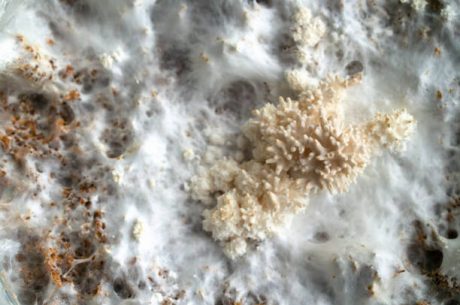
White mold encompasses multiple species including Aspergillus, Penicillium, and Cladosporium. Each produces spores sized perfectly to penetrate deep into bronchial passages where they trigger the most severe asthma responses. Understanding why is white mold dangerous for asthma requires examining how these spores affect hyperreactive airways.
Trigger #1: Immediate Bronchospasm Response
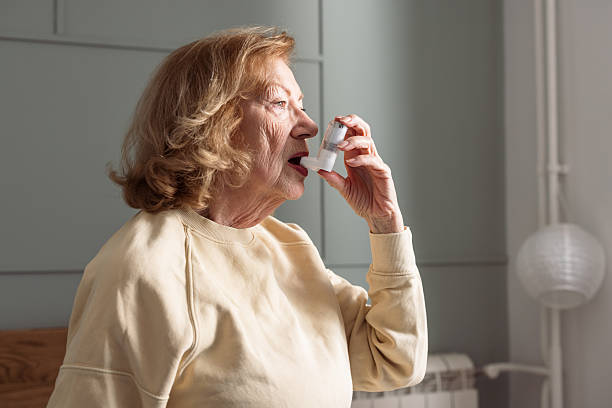
The first and most dangerous way white mold acts as an asthma trigger involves immediate bronchospasm. Asthmatic airways are hyperreactive, meaning they respond more strongly to irritants than healthy airways. When someone with asthma breathes mold spores, their airways can undergo sudden, severe constriction within minutes.
Bronchospasm occurs when smooth muscle surrounding bronchial passages contracts rapidly, narrowing airways and restricting airflow. For asthma patients, this creates the characteristic wheezing, chest tightness, shortness of breath, and panic that define asthma attacks. Severe bronchospasm can reduce airflow so dramatically that emergency treatment becomes necessary to prevent respiratory failure.
According to the American Thoracic Society, mold-induced bronchospasm can be particularly severe and resistant to standard rescue inhaler treatment. Some patients require emergency room treatment with nebulized medications, oral or intravenous steroids, and supplemental oxygen to reverse severe attacks triggered by mold exposure.
For Santa Maria asthma patients, this means that white mold in their homes represents a constant attack risk. Every breath of contaminated air can trigger bronchospasm. The unpredictability of attacks creates anxiety that affects quality of life beyond the physical symptoms. Understanding that is white mold dangerous for asthma in such immediate, severe ways emphasizes why remediation cannot be delayed.
Trigger #2: Allergic Asthma Sensitization and Amplification
The second trigger answering is white mold dangerous for asthma involves allergic sensitization. Many asthma patients have allergic asthma, where allergic responses trigger airway inflammation and attacks. Mold represents a potent allergen capable of causing severe allergic reactions in sensitized individuals.
Initial mold exposures cause the immune system to create antibodies against mold proteins. With repeated exposures, antibody levels build. Eventually, the immune system launches full allergic responses upon detecting even tiny amounts of mold. For people with allergic asthma, these allergic responses directly trigger bronchospasm and airway inflammation.
The concerning pattern involves progressive amplification. Each mold exposure can increase sensitivity, meaning smaller amounts trigger larger responses over time. An asthma patient who initially experienced mild symptoms from mold exposure may develop severe attack responses with subsequent exposures as sensitization progresses.
Research published through the Environmental Protection Agency demonstrates that children with asthma exposed to mold show higher rates of sensitization, more severe symptoms, and greater medication requirements than asthmatic children in mold-free environments. The sensitization established during childhood affects asthma control throughout life.
Trigger #3: Chronic Airway Inflammation
The third mechanism showing is white mold dangerous for asthma involves chronic inflammatory states. Asthma fundamentally involves airway inflammation. Environmental triggers like mold create and perpetuate this inflammation, making asthma progressively harder to control.
When asthma patients breathe mold-contaminated air continuously, their airways never fully recover from inflammatory responses. Inflammatory cells accumulate in airway walls. Inflammatory chemicals circulate constantly. Airways remain swollen, hypersensitive, and prone to attacks even from minor additional triggers.
This chronic inflammation explains why asthma patients in moldy environments often experience progressively worsening asthma requiring escalating medications. What began as occasional attacks becomes frequent episodes. Rescue inhalers that used to work well become less effective. Controller medications require dose increases. The underlying cause is persistent environmental inflammation that medications can’t fully overcome while mold exposure continues.
According to pulmonary specialists, controlling environmental triggers represents essential asthma management alongside medication therapy. For patients with mold exposure, no amount of medication fully compensates for continued triggering. The question of is white mold dangerous for asthma has a clear answer: yes, because it creates inflammatory conditions that progressively worsen asthma control.
Trigger #4: Nighttime Asthma Symptoms and Sleep Disruption
The fourth trigger involves nighttime asthma symptoms that are particularly common with mold exposure. Many asthma patients experience worsening symptoms at night, and bedroom mold contamination represents a major cause of nocturnal asthma.
During sleep, people breathe more deeply and regularly, inhaling larger volumes of air. If bedroom air contains mold spores, nighttime becomes a period of concentrated exposure. Additionally, lying down changes airway mechanics and can worsen existing inflammation, making asthma symptoms more severe during sleep hours.
Nocturnal asthma creates multiple problems. Poor sleep quality impairs immune function, making asthma harder to control overall. Nighttime attacks create anxiety about sleeping, leading to chronic sleep deprivation. For children with asthma, nighttime symptoms affect growth, behavior, and school performance. For adults, they impact work productivity and quality of life.
The pattern revealing mold as the trigger involves symptoms consistently worse at night that improve during time away from home. If asthma control deteriorates specifically during sleep hours and improves during daytime hours away from the house, bedroom mold contamination deserves immediate investigation.
Trigger #5: Exercise-Induced Asthma Amplification
The fifth way white mold acts as an asthma trigger involves amplifying exercise-induced asthma. Many asthma patients experience attacks triggered by physical exertion. Mold exposure makes exercise-induced asthma significantly worse.
When people exercise, they breathe more rapidly and deeply, inhaling larger volumes of air. In mold-contaminated environments, this increased respiration delivers massive spore exposure directly to already-vulnerable airways. The combination of exercise-induced airway changes and mold exposure creates particularly severe attack risk.
For Santa Maria families with asthmatic children, this has practical implications. Kids who play outdoors should be able to exercise vigorously without severe attacks. But if they return to mold-contaminated homes and experience attacks during or after outdoor play, the home environment is amplifying their exercise-induced asthma beyond what the exercise itself would cause.
Adults with asthma who want to maintain active lifestyles find that mold contamination in their homes limits their ability to exercise safely. The question of is white mold dangerous for asthma includes understanding that it restricts physical activity levels by amplifying exercise-induced symptoms beyond manageable thresholds.
Trigger #6: Medication Resistance and Treatment Failure
The sixth trigger answering is white mold dangerous for asthma involves medication effectiveness. Asthma medications work by reducing inflammation and relaxing bronchial muscle. However, when patients continuously breathe mold-contaminated air, the persistent inflammatory trigger overwhelms medication effectiveness.
Patients notice their rescue inhalers seem less effective. Attacks that used to resolve with two puffs now require four or five. Controller medications that previously maintained good asthma control stop working as well. Doctors increase medication doses or add additional medications to achieve control that was previously maintained with simpler regimens.
This medication escalation has real consequences. Higher medication doses increase side effect risks. Adding multiple medications creates complexity in treatment regimens. Healthcare costs increase substantially. Yet the fundamental problem isn’t inadequate medication but rather ongoing environmental triggering that no medication fully compensates for.
According to respiratory medicine specialists, patients with persistent environmental triggers require higher medication doses to achieve the same control as patients without environmental exposures. More critically, some patients never achieve good control regardless of medication adjustments while environmental triggers remain unaddressed. This is why environmental control represents essential asthma management, not optional lifestyle advice.
Trigger #7: Increased Respiratory Infection Susceptibility
The seventh mechanism demonstrating is white mold dangerous for asthma involves increased respiratory infection rates. Asthma patients exposed to mold experience more frequent respiratory infections, and these infections trigger severe asthma exacerbations.
Mold exposure compromises respiratory defense mechanisms. The chronic inflammation damages ciliated cells that normally clear mucus and pathogens from airways. Immune resources focused on fighting mold have less capacity to fight viral and bacterial invaders. The result is increased susceptibility to colds, flu, bronchitis, and pneumonia.
For asthma patients, respiratory infections represent major attack triggers. Common colds that cause mild symptoms in healthy people can trigger severe, prolonged asthma exacerbations requiring urgent medical care and sometimes hospitalization. Mold exposure creates a vicious cycle: mold weakens defenses, infections occur more frequently, infections trigger severe asthma attacks, and attacks further compromise respiratory health.
Santa Maria asthma patients who notice they catch every cold going around and experience severe asthma attacks with each infection should consider environmental mold assessment. Breaking the infection-attack cycle often requires addressing the environmental factor compromising immunity.
Trigger #8: Childhood Asthma Development
Perhaps the most alarming aspect of is white mold dangerous for asthma involves childhood asthma development. Research demonstrates that children growing up in mold-contaminated homes develop asthma at significantly higher rates than children in mold-free environments.
The National Institute of Environmental Health Sciences has identified mold exposure during early childhood as a significant risk factor for asthma development. The mechanisms involve immune system sensitization during critical developmental windows and respiratory system damage during lung growth periods that create lasting susceptibility to asthma.
For Santa Maria families, this means that mold exposure doesn’t just worsen existing asthma but can actually cause asthma in children who might otherwise have remained healthy. Protecting children from mold exposure represents asthma prevention, not just symptom management.
Once asthma develops, it tends to persist. Children who develop asthma during early childhood often continue experiencing symptoms into adulthood. The early environmental exposures that triggered asthma development create lifelong respiratory disease affecting quality of life, activity levels, and health throughout life.
Trigger #9: Severe Exacerbations Requiring Emergency Care
The ninth and most serious trigger involves severe asthma exacerbations requiring emergency department visits or hospitalization. Mold exposure is documented as a trigger for severe attacks that don’t respond to home management and require emergency medical intervention.
Severe exacerbations involve profound airflow obstruction, oxygen desaturation, and in worst cases, respiratory failure requiring mechanical ventilation. These life-threatening episodes occur more frequently in asthma patients with mold exposure compared to patients in clean environments.
Emergency department data shows clear patterns of asthma visits correlating with indoor mold exposure. Patients living in moldy environments present to emergency departments more frequently, require more aggressive treatment, and face higher hospitalization rates than patients without mold exposure.
The question of is white mold dangerous for asthma becomes most urgent when considering that mold exposure creates genuine risk of life-threatening attacks. This isn’t exaggeration or fear-mongering. It’s documented medical reality reflected in emergency department statistics and mortality data.
Santa Maria’s Unique Asthma Challenges
Santa Maria’s coastal location creates specific challenges for asthma patients. The marine layer brings regular fog and moisture that creates ideal conditions for mold growth in homes with inadequate ventilation or moisture control.
Additionally, Santa Maria’s moderate year-round temperatures mean homes don’t experience the extreme heat or cold that naturally controls mold growth through environmental conditions. The 40-75°F range common in Santa Maria represents perfect mold growth temperatures. Combined with coastal moisture, this creates persistent mold problems requiring active prevention and control.
PuroClean of Santa Maria regularly works with asthma patients who didn’t realize their home environment was triggering their attacks. They attributed worsening asthma to pollen, stress, or poor asthma control rather than investigating their indoor environment. Once mold remediation eliminates the environmental trigger, their asthma control improves dramatically, confirming the connection.
When Professional Assessment Becomes Essential
For asthma patients, certain situations demand immediate professional mold assessment rather than delayed response.
Seek professional help immediately if you experience asthma attacks worsening in frequency or severity, medication regimens requiring escalation to maintain control, nocturnal asthma symptoms disrupting sleep regularly, exercise limitations worsening despite good adherence to treatment, or frequent respiratory infections triggering asthma exacerbations.
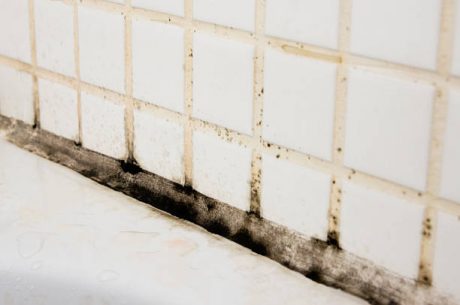
Also seek assessment if you notice musty odors anywhere in your home, visible mold growth in any location, recent water damage or moisture problems, or asthma symptoms that improve consistently when away from home and worsen upon return.
For asthmatic children, parents should arrange professional assessment before symptoms indicate severe problems. Prevention through early mold elimination protects children from attack risks and prevents the progressive sensitization that worsens asthma over time.
PuroClean of Santa Maria: Protecting Asthma Patients
Understanding that is white mold dangerous for asthma creates urgency for proper environmental management. At PuroClean of Santa Maria, we treat homes with asthmatic residents as medical priority situations requiring rapid response and thorough remediation.
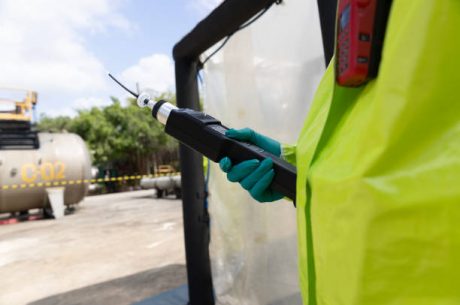
Our enhanced protocols for asthma patients include immediate assessment scheduling to minimize delay while patients continue experiencing exposure, comprehensive contamination identification including hidden growth affecting air quality, enhanced containment during remediation preventing spore release to other areas, HEPA air filtration throughout the process protecting indoor air quality, and post-remediation verification testing confirming safe air quality before patients return to treated spaces.
We coordinate with patients’ physicians when appropriate, providing documentation of contamination findings and remediation completion that supports medical management decisions. We understand that for asthma patients, mold remediation isn’t a property maintenance issue but a medical necessity supporting disease control and preventing severe attacks.
We’ve worked with countless Santa Maria asthma patients whose quality of life improved dramatically after mold remediation. Parents report their children’s asthma became well-controlled with standard medications after years of medication escalation and frequent attacks. Adults report being able to exercise again without severe symptoms. Emergency department visits decrease or stop entirely. These outcomes demonstrate how is white mold dangerous for asthma translates into real-world impacts that proper remediation can reverse.
Frequently Asked Questions
Q: Is white mold dangerous for asthma even if my asthma is well-controlled?
A: Yes. Well-controlled asthma can deteriorate rapidly with mold exposure. Mold represents such a potent trigger that it can transform previously stable asthma into poorly controlled disease requiring medication escalation. The goal is maintaining good control by eliminating environmental triggers, not waiting until control deteriorates to address them.
Q: How quickly does mold exposure trigger asthma attacks?
A: Timing varies. Some asthma patients experience immediate bronchospasm within minutes of breathing mold spores. Others develop symptoms over hours as inflammatory responses build. Chronic exposure creates progressive worsening over weeks or months. All patterns confirm that is white mold dangerous for asthma regardless of response timing.
Q: Can mold remediation reduce my asthma medication needs?
A: Many patients find they can reduce medications or achieve better control with same medications after mold remediation. However, medication changes should only occur under physician supervision. The goal is improved asthma control whether that means maintaining current medications with better symptom control or potentially reducing medications under medical guidance.
Q: Is white mold dangerous for asthma even if I don’t have mold allergies?
A: Yes. Mold triggers asthma through multiple mechanisms beyond allergic responses. Irritant effects, inflammatory responses, and mycotoxin exposure all affect asthmatic airways regardless of allergy status. Allergy testing showing negative mold allergies doesn’t mean mold exposure is safe for your asthma.
Q: Should I avoid homes with any history of mold if I have asthma?
A: Homes with properly remediated past mold problems that have had moisture sources corrected can be safe for asthma patients. The key is professional verification that remediation was complete and moisture problems were truly resolved. Current mold contamination represents the risk factor, not past problems that were properly addressed.
Q: How do I know if my asthma attacks are from mold vs. other triggers?
A: Location-dependent patterns provide the strongest clues. If attacks worsen at home and improve away, or if symptoms concentrate in certain rooms, environmental triggers including mold deserve investigation. Professional mold assessment combined with medical evaluation provides the clearest answers about whether is white mold dangerous for asthma in your specific case.
Protecting Your Airways Starting Now
Nine documented attack triggers. Clear medical consensus that is white mold dangerous for asthma. Your respiratory health threatened by an environmental factor you can eliminate. This is the reality for asthma patients living in mold-contaminated homes.
You deserve to breathe freely without constant attack anxiety. Your asthma deserves optimal control without medication escalation compensating for preventable environmental triggering. Your quality of life deserves protection from this manageable threat.
If you have asthma and suspect or know mold exists in your home, professional assessment and remediation aren’t optional lifestyle improvements. They’re essential components of medical asthma management that can dramatically improve disease control and quality of life.
Contact PuroClean of Santa Maria today for comprehensive mold assessment designed specifically for the needs of asthma patients. Because is white mold dangerous for asthma has a clear yes answer, and the solution is professional remediation that gives you back the asthma control you deserve.
 PuroClean of Santa Maria