 PuroClean of Santa Maria
Table of Contents
Is white mold dangerous for babies? This question keeps new parents awake at night, and for good reason. Your infant’s developing body faces vulnerabilities that adults don’t experience, making what seems like minor household mold a serious health threat requiring immediate attention.
When you bring your newborn home, you’ve likely childproofed outlets, secured furniture, and researched safe sleep practices. But many Santa Maria parents discover white mold in nurseries, basements, or bathrooms without realizing their baby faces disproportionate risks from this exposure. The question of is white mold dangerous for babies has a clear, science-backed answer that every parent deserves to know.
Babies spend 14-17 hours per day sleeping in their nurseries during the first months of life. They breathe more rapidly than adults, taking in more air relative to their body weight. Their immune systems are still developing. Their lungs are growing. Every one of these factors amplifies the health risks when white mold contaminates their environment.
This guide provides six critical risks that answer definitively whether is white mold dangerous for babies, explains why infants are so vulnerable, and gives parents the knowledge to protect their children from this preventable threat.
Is White Mold Dangerous for Babies? The Direct Medical Answer
Before examining specific risks, parents need the clear medical consensus. Yes, is white mold dangerous for babies according to leading pediatric health organizations. The American Academy of Pediatrics recognizes mold exposure as a significant environmental health risk for infants and young children.
The Centers for Disease Control and Prevention states that mold exposure causes health problems, and children are particularly vulnerable due to their developing respiratory and immune systems. The World Health Organization specifically identifies children as a high-risk population for mold-related health effects.
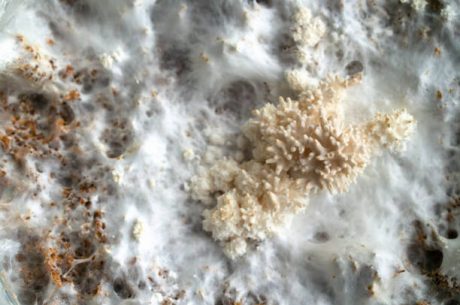
White mold encompasses multiple fungal species including Aspergillus, Penicillium, and Cladosporium. These organisms produce allergens, irritants, and in some cases mycotoxins. For babies, whose bodies are still developing critical systems, exposure creates risks that far exceed what adults experience from identical contamination levels.
Understanding why is white mold dangerous for babies requires examining the six specific ways it threatens infant health.
Risk #1: Respiratory System Development Interference
The first critical risk answering is white mold dangerous for babies involves respiratory system development. Unlike adults with fully formed airways and lungs, infants are in active respiratory growth during the first years of life. Mold exposure during this critical window can cause lasting damage.
Babies’ airways are smaller in diameter than adults’, meaning even minor swelling from inflammatory responses creates proportionally greater airflow obstruction. When white mold spores enter infant airways, the immune response triggers inflammation that can cause significant respiratory distress in babies while causing only mild symptoms in adults.
Research published through the American Lung Association confirms that early childhood mold exposure is associated with increased rates of respiratory infections, wheezing episodes, and development of asthma later in childhood. The developing lung tissue sustains damage more readily than mature tissue and may not fully recover even after exposure ends.
Babies breathe at rates of 30-60 breaths per minute compared to 12-20 for adults. This increased respiratory rate means babies inhale proportionally more mold spores per kilogram of body weight than adults in the same environment. A contamination level causing minor irritation in adults can trigger severe respiratory distress in infants.
PuroClean of Santa Maria has responded to numerous emergencies where babies developed sudden respiratory problems that parents initially attributed to colds or allergies, only to discover significant white mold contamination in nurseries. Once remediation eliminated the mold source, the respiratory symptoms resolved, confirming the environmental trigger.
The question of is white mold dangerous for babies becomes particularly urgent when you understand that respiratory damage sustained during infancy can affect lung function throughout life. Protecting developing airways isn’t just about immediate symptoms but about preserving lifelong respiratory health.
Risk #2: Immune System Vulnerability and Infections
The second critical risk involves babies’ developing immune systems. Infants are born with immature immune function that develops gradually over the first years of life. This creates a window of exceptional vulnerability to environmental threats including white mold.
Newborns rely heavily on antibodies transferred from mothers during pregnancy and through breastfeeding. Their own immune systems are learning to recognize and respond to threats. White mold exposure during this developmental period can interfere with normal immune system maturation.
When babies are exposed to mold spores continuously, their developing immune systems must allocate resources to fighting this persistent threat. According to the National Institute of Environmental Health Sciences, chronic environmental challenges during immune system development can alter how the immune system functions throughout life, potentially increasing susceptibility to allergies, asthma, and autoimmune conditions.
Babies exposed to white mold show higher rates of respiratory infections, ear infections, and general illness compared to babies in mold-free environments. The immune system, overwhelmed by constant mold spore exposure, struggles to mount effective responses to common childhood viruses and bacteria.
For premature babies or infants with any underlying health conditions, the question of is white mold dangerous for babies becomes even more critical. These vulnerable infants have additional immune compromises that make mold exposure potentially life-threatening. Certain mold species can cause invasive infections in immunocompromised infants requiring hospitalization.
Santa Maria parents with babies showing frequent infections, persistent congestion, or general failure to thrive should consider environmental mold assessment. PuroClean of Santa Maria technicians have documented cases where addressing nursery mold contamination led to dramatic improvements in babies’ health and reduction in infection frequency.
Risk #3: Neurological Development Concerns
One of the most alarming aspects of is white mold dangerous for babies involves emerging research on neurological development. The infant brain undergoes rapid growth and development during the first years of life, creating a critical window where environmental exposures can have lasting impacts.
Certain mycotoxins produced by white mold species can cross the blood-brain barrier. Research on mycotoxin exposure during development shows concerning effects on neurological function in animal studies. While human research remains limited due to ethical constraints on studying infant exposures, the biological mechanisms suggest real risk.
The developing brain’s higher metabolic rate and ongoing structural formation make it more vulnerable to toxic exposures than mature brains. Neurons are actively forming connections, myelin sheaths are developing, and brain structures are organizing. Environmental toxins during this period can disrupt these critical processes.
Parents often don’t connect developmental delays, sleep disruptions, or behavioral issues with environmental mold exposure. Yet some researchers believe chronic mycotoxin exposure during infancy may contribute to attention problems, learning difficulties, and developmental concerns that appear later in childhood.
The precautionary principle suggests that when dealing with developing brains and known neurotoxic compounds, even uncertain risks warrant protective action. Answering is white mold dangerous for babies from a neurological development perspective means acknowledging that we may not know the full extent of harm, making elimination of exposure the only safe approach.
Risk #4: Allergic Sensitization and Asthma Development
The fourth risk directly answers is white mold dangerous for babies through the pathway of allergic sensitization. Babies exposed to mold during infancy show significantly higher rates of developing allergies and asthma later in childhood and adulthood.
The immune system learns what to react to during early life exposures. When babies are repeatedly exposed to mold allergens, their immune systems can develop inappropriate responses that persist throughout life. This process, called sensitization, means a one-time exposure during infancy can create lifelong allergic reactions.
According to research cited by the Environmental Protection Agency, children growing up in mold-contaminated homes have substantially higher rates of developing asthma compared to children in mold-free environments. The “hygiene hypothesis” suggests that appropriate early exposures help immune system development, but pathogenic mold exposure does the opposite, creating inappropriate immune responses.
Asthma developed during childhood tends to persist into adulthood. The economic and quality-of-life impacts of childhood asthma are substantial, involving medications, missed school days, activity restrictions, and in severe cases, life-threatening attacks requiring emergency treatment.
For Santa Maria families with histories of allergies or asthma, the question of is white mold dangerous for babies becomes especially urgent. Genetic predisposition combined with environmental mold exposure creates high probability of sensitization and asthma development. Eliminating nursery mold becomes a critical preventive health measure.
PuroClean of Santa Maria regularly works with families who discover mold only after their child develops persistent respiratory symptoms. Parents consistently express regret about not addressing visible mold earlier, before their baby’s exposure led to chronic health problems.
Risk #5: Skin Reactions and Dermatological Issues
Babies’ skin is thinner and more permeable than adult skin, creating additional vulnerability answering is white mold dangerous for babies. Direct contact with mold spores or surfaces contaminated with mold can cause various skin reactions in infants.
Common skin manifestations include persistent diaper rash that doesn’t respond to typical treatments, unexplained rashes on areas contacting contaminated surfaces, eczema development or worsening, and generalized skin irritation and redness. These symptoms often get attributed to typical infant skin issues rather than environmental mold exposure.
Babies spend significant time on floors, in cribs, and touching surfaces. If these areas are contaminated with mold spores, the baby’s skin has continuous exposure. The thin skin barrier allows more absorption of any substances on contaminated surfaces compared to adult skin.
Some parents notice their baby’s skin issues improve dramatically during time away from home, then worsen upon return. This pattern strongly suggests environmental triggers including mold. Professional assessment can identify contamination sources allowing targeted remediation that resolves the skin problems.
Risk #6: Long-Term Health Trajectory Impacts
The final critical risk examining is white mold dangerous for babies involves long-term health trajectory. Exposures during infancy don’t just cause immediate symptoms but can establish patterns that affect health throughout childhood and into adulthood.
Research shows that children with significant environmental exposures during infancy show higher rates of chronic health problems throughout childhood. The developing body systems affected by mold exposure may never fully recover to optimal function even after exposure ends.
Infants exposed to mycotoxins may experience effects on multiple organ systems including liver, kidneys, and immune function that manifest as health problems years later. The latency between exposure and obvious symptoms makes connecting cause and effect difficult, but the biological pathways are clear.
From a parenting perspective, answering is white mold dangerous for babies means recognizing that protecting your infant from mold exposure is an investment in their lifelong health. The actions you take now, either addressing mold or ignoring it, will affect your child’s health for decades to come.

Why Nurseries Are Particularly Vulnerable
Understanding where and why mold grows in nurseries helps parents protect babies more effectively. Several factors make nurseries particularly susceptible to white mold contamination.
Humidifiers: Many parents run humidifiers in nurseries to ease congestion or provide comfortable humidity. However, improperly maintained humidifiers become mold breeding grounds. The mist they produce can also create moisture on walls and surfaces supporting mold growth.
Poor ventilation: Nurseries often have doors closed to reduce noise and light. This restricted airflow creates stagnant conditions where moisture accumulates and mold thrives.
Temperature control: Parents keep nurseries warm, creating the 65-75°F range ideal for mold growth. Combined with moisture from humidifiers or inadequate ventilation, this creates perfect mold conditions.
Soft materials: Nurseries contain numerous fabric items including bedding, curtains, stuffed animals, and upholstered furniture. These porous materials readily harbor mold that’s difficult to see and remove completely.
Hidden areas: Behind cribs, under changing tables, and inside closets often escape regular cleaning attention. These undisturbed areas allow mold colonies to establish before anyone notices.
Santa Maria’s coastal moisture creates additional challenges. The marine layer deposits moisture that can support mold growth in inadequately ventilated spaces. PuroClean of Santa Maria frequently finds mold in nurseries of homes without moisture problems elsewhere, precisely because of the unique conditions parents create trying to keep babies comfortable.
Identifying White Mold in Baby Spaces
Parents need to know what to look for when assessing whether is white mold dangerous for babies in their specific home. White mold in nurseries appears in predictable locations.
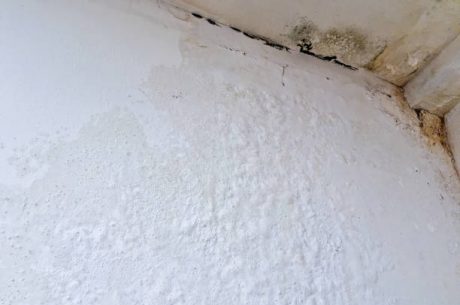
Check corners where walls meet ceilings or floors, as moisture and poor air circulation create ideal growth conditions. Examine around windows where condensation accumulates, especially in Santa Maria’s foggy mornings. Inspect behind furniture that sits against exterior walls. Look under cribs, changing tables, and other nursery furniture. Check inside closets, particularly along exterior walls. Examine any water-damaged areas from leaks or spills.
The distinctive musty odor provides an early warning sign before mold becomes visible. If your baby’s nursery smells musty or earthy, mold is likely present even if you can’t see it yet. Never ignore these odors in spaces where your baby spends significant time.
When Professional Assessment Becomes Essential
Given what we know about is white mold dangerous for babies, certain situations demand immediate professional mold assessment rather than DIY investigation.
Seek professional help immediately if you discover any visible mold in the nursery or adjacent rooms, notice musty odors in baby spaces, have experienced any water damage or leaks in or near the nursery, notice your baby has respiratory symptoms, skin reactions, or frequent infections, live in an older home that may have hidden mold, or haven’t had a professional mold assessment before bringing your baby home.
For expectant parents, professional mold assessment before the baby arrives provides peace of mind and eliminates any contamination before the vulnerable newborn comes home. This proactive approach costs far less than addressing health problems after exposure occurs.
PuroClean of Santa Maria: Protecting the Most Vulnerable
Understanding that is white mold dangerous for babies creates urgency that parents feel deeply. Your infant depends entirely on you for protection from environmental hazards they can’t avoid themselves. Professional mold remediation isn’t optional when babies are involved.
PuroClean of Santa Maria specializes in mold assessment and remediation with particular sensitivity to situations involving infants and young children. Our IICRC-certified technicians understand that when babies are present, standard protocols require enhanced protective measures.
Our approach for homes with infants includes comprehensive assessment using moisture meters, thermal imaging, and air quality sampling to identify all contamination including hidden growth. We provide immediate recommendations for temporary protective measures while remediation is scheduled. Our remediation follows enhanced containment protocols preventing any spore migration to clean areas during the removal process.
We use only products approved for use in homes with infants, avoiding harsh chemicals that could create additional risks. Post-remediation verification testing confirms that air quality has returned to safe levels before the baby returns to treated spaces. We provide detailed moisture source identification and correction recommendations preventing recurrence.
We understand the anxiety parents feel about their baby’s safety. Our technicians communicate clearly about what we find, what it means for your baby’s health, and exactly how we’ll eliminate the threat. We work efficiently to minimize disruption while ensuring thorough remediation.
Many Santa Maria parents discover mold only after their baby develops symptoms. If your infant shows any respiratory problems, frequent infections, skin reactions, or unexplained health issues, environmental mold assessment should be part of your investigation. PuroClean of Santa Maria provides rapid response because we understand that every day of exposure matters for developing babies.
Frequently Asked Questions
Q: Is white mold dangerous for babies even if it’s a small amount?
A: Yes. Babies’ developing respiratory and immune systems react to contamination levels that might cause no symptoms in adults. Even small mold colonies release thousands of spores continuously. For infants spending 14-17 hours daily in nurseries, even minor contamination creates significant cumulative exposure. The EPA recommends treating all indoor mold as requiring attention, and this is especially critical when babies are present.
Q: How quickly should I act if I discover mold in my baby’s nursery?
A: Immediately. Move your baby to sleep in a different room away from the contamination while you arrange professional assessment and remediation. Don’t delay hoping the problem is minor. Every additional day of exposure adds to your baby’s health risk. Contact PuroClean of Santa Maria the same day you discover nursery mold for emergency response.
Q: Can I clean small mold spots myself if I have a baby?
A: No. DIY mold cleaning releases massive amounts of spores into the air. Without proper containment and air filtration, you spread contamination throughout your home while exposing your baby to elevated spore levels. What appears as a small spot often indicates larger hidden growth. Professional assessment and remediation protect your baby from both the existing mold and the risks of improper removal attempts.
Q: Is white mold dangerous for babies who are breastfed versus formula-fed?
A: Both face equal risks from environmental mold exposure. While breastfeeding provides important immune support, it doesn’t protect babies from inhaled mold spores or direct contact with contaminated surfaces. The question of is white mold dangerous for babies has the same answer regardless of feeding method. All infants require mold-free environments for healthy development.
Q: What about mold in other parts of the house away from the nursery?
A: Mold anywhere in your home affects nursery air quality. HVAC systems circulate air throughout the house, distributing spores from contaminated areas to all rooms including the nursery. Babies also spend time in other rooms, receiving exposure during floor time, meals, and daily activities. When asking is white mold dangerous for babies, consider your entire home environment, not just the nursery.
Q: How do I know if my baby’s health problems are from mold?
A: Symptoms improving when away from home and worsening upon return strongly suggest environmental triggers including mold. Persistent respiratory symptoms, chronic congestion, frequent infections, unexplained skin rashes, and general irritability can all indicate mold exposure. However, don’t wait for obvious symptoms. If you discover mold, address it immediately before health effects develop. Prevention is always better than treatment.
Q: Will insurance cover mold remediation to protect my baby?
A: Coverage depends on your policy and the mold’s cause. Insurance typically covers remediation when mold results from sudden water damage like burst pipes or storm-related flooding. Gradual moisture problems may not be covered. However, protecting your baby’s health transcends insurance concerns. PuroClean of Santa Maria works with insurance companies to maximize coverage when applicable, but remediation shouldn’t be delayed while determining coverage.
Protecting Your Baby Starts Today
The answer to is white mold dangerous for babies is unequivocally yes. Six documented health risks, developing body systems particularly vulnerable to environmental toxins, and long-term health trajectory impacts all confirm that mold exposure poses serious threats to infants that responsible parents cannot ignore.
Your baby depends on you completely for protection from hazards they cannot avoid or even recognize. Environmental mold represents a preventable threat. The actions you take now determine whether your infant faces these six critical risks or grows up in a safe, healthy environment.
If you’ve discovered white mold anywhere in your home, if you notice musty odors, if your baby shows any unexplained health symptoms, or if you’re expecting and want to ensure a safe environment for your newborn, contact PuroClean of Santa Maria today.
Because when it comes to answering is white mold dangerous for babies, the science is clear, the risks are real, and the solution is professional remediation that completely eliminates the threat. Your baby’s health is worth far more than any delay.
Available 24/7/365 | IICRC Certified | (805) 975-0800 | Contact Us Online | Google Business Profile
 PuroClean of Santa Maria