


Table of Contents
Is white mold dangerous to humans? This is the urgent question facing many Santa Maria homeowners who discover a fuzzy, white substance creeping across their basement joists or behind storage bins in the garage. As a resident of Santa Barbara County, you take immense pride in maintaining a clean, safe environment, so stumbling upon potential fungal growth is both frustrating and deeply stressful. You might be wondering if that pale film is just harmless salt buildup or a serious health threat. This post will dive deep into the scientific health risks associated with white mold and provide the clarity you need to protect your family’s well-being.
Yes, white mold is dangerous to humans. While often mistaken for salt deposits, white mold consists of fungal colonies like Aspergillus or Penicillium that release spores and mycotoxins. These can cause respiratory distress, allergic reactions, and long-term neurological issues, necessitating professional mold removal and remediation to ensure a safe living environment.
What Is White Mold and Why Is It Growing in My Home?
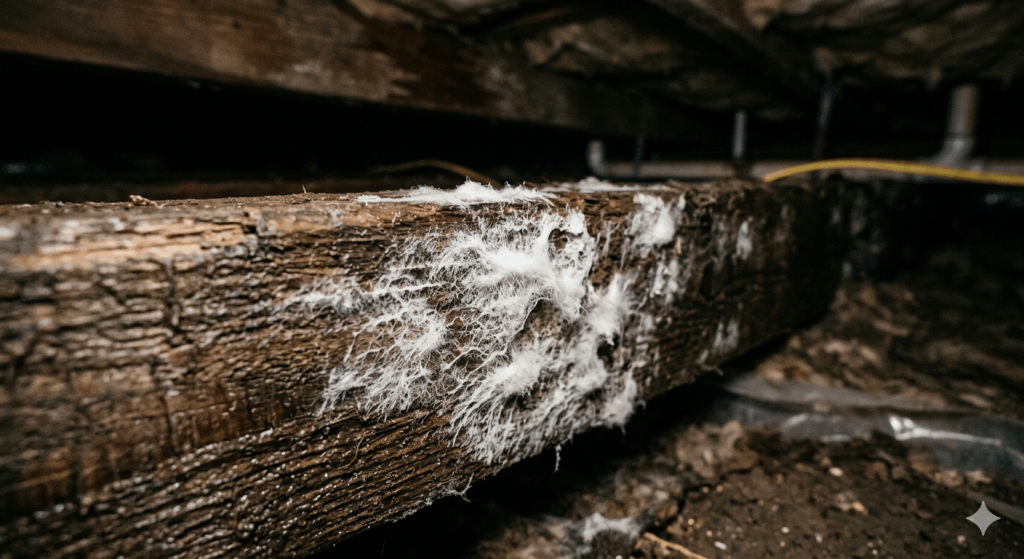
White mold is not a specific species but a descriptive term for several types of fungi that appear white or greyish during certain life stages. In the Central Coast climate, high humidity or hidden pipe leaks often trigger growth. Unlike “Black Mold,” white mold often looks like a delicate, powdery film or a localized “hairy” growth on organic materials like drywall, wood, and carpeting.
Is White Mold Dangerous to Humans Compared to Black Mold?
Many homeowners assume that if mold isn’t black, it isn’t toxic. This is a dangerous misconception. While Stachybotrys chartarum (black mold) is famous for its toxicity, many white-colored molds produce identical mycotoxins. These chemical byproducts are secondary metabolites that can cause significant harm regardless of the mold’s pigmentation.
8 Proven Health Risks Science Can No Longer Ignore
Scientific research from organizations like the EPA and CDC has highlighted how prolonged exposure to indoor mold affects the human body. Here are the eight primary risks:
- Chronic Respiratory Inflammation: Inhaling spores leads to persistent coughing and wheezing.
- Asthma Exacerbation: Those with pre-existing conditions may experience frequent, severe attacks.
- Hypersensitivity Pneumonitis: A rare but serious lung inflammation caused by an immune system response to inhaled organic dust.
- Mycotoxin Toxicity: Certain white molds produce toxins that can impair cognitive function.
- Allergic Rhinitis: Constant sneezing, runny nose, and red, itchy eyes.
- Dermatitis: Skin rashes or hives resulting from direct contact with contaminated surfaces.
- Opportunistic Infections: In immunocompromised individuals, mold can actually begin to grow within the lung tissue (Aspergillosis).
- Neurological Symptoms: Long-term exposure has been linked to fatigue, “brain fog,” and headaches.
How Do I Tell the Difference Between White Mold and Efflorescence?
Can white mold be mistaken for salt deposits?
Yes, homeowners often confuse white mold with efflorescence, which is a harmless salt buildup caused by water evaporating through concrete or brick. To tell the difference, spray the area with water; efflorescence will dissolve, while white mold

What Are the Common Symptoms of White Mold Exposure?
What does white mold sickness feel like?
Exposure symptoms typically mirror those of a “permanent cold” or seasonal allergies. You may notice increased sinus pressure, persistent lethargy, and a dry cough that improves when you leave the house. If multiple family members experience these symptoms simultaneously, a hidden mold colony is likely the culprit.
Is It Safe to Clean White Mold Myself?
Can I use bleach to kill white mold?
Attempting to scrub dry mold using bleach can also release millions of spores into the air, significantly increasing the risk associated with the question, ‘is white mold dangerous to humans,’ as inhalation becomes a primary concern for your household.
Why Professional Remediation Is Necessary
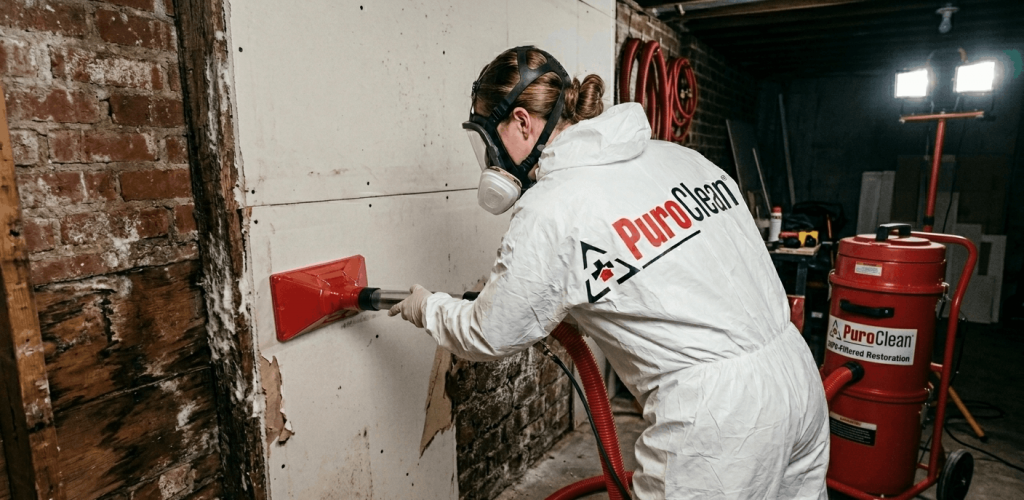
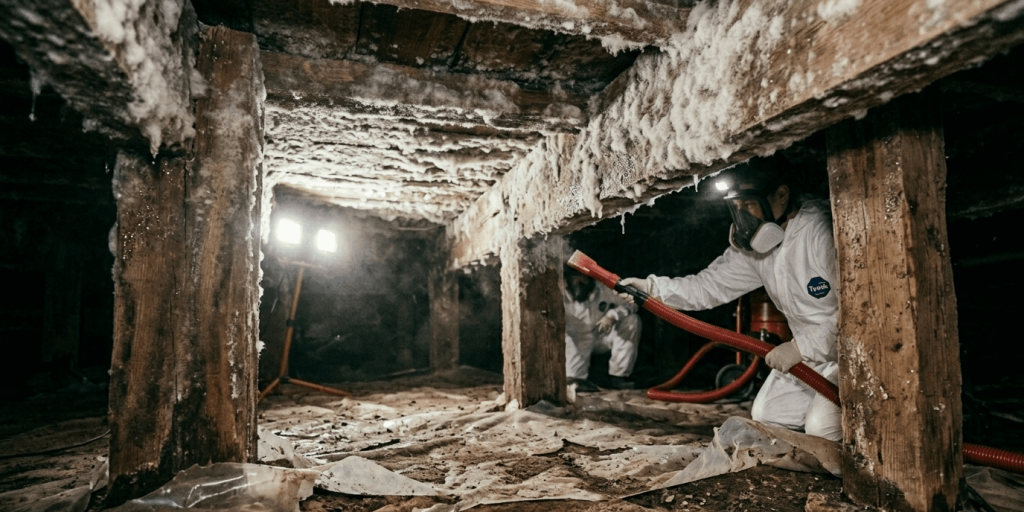
Because mold is a biological hazard, containment is critical. PuroClean of Santa Maria utilizes industrial-grade HEPA filtration and air scrubbers to ensure that while we are removing the mold, we aren’t spreading it to the rest of your home.
When Should I Call a Specialist for White Mold?
When is white mold considered an emergency?
If the mold covers an area larger than 10 square feet, or if members of the household are experiencing unexplained respiratory issues, it is considered an emergency. Immediate intervention prevents the fungi from structural damage and further health degradation.
Contact PuroClean of Santa Maria for Expert Mold Remediation
Don’t let the question of is white mold dangerous to humans keep you up at night. At PuroClean of Santa Maria, we understand the unique environmental factors of Santa Barbara County that lead to mold growth. Our team is IICRC certified, ensuring that every project follows the highest industry standards for safety and effectiveness.
We provide 24/7 emergency availability because we know that property damage doesn’t follow a 9-to-5 schedule. Protect your home and your health by choosing the Paramedics of Property Damage.
Call us today (805) 975-0800 to request an assessment and breathe easier knowing your home is in expert hands.
Available 24/7/365 | IICRC Certified | (805) 975-0800 | Contact Us Online | Google Business Profile