


Is Mold on Concrete Dangerous? What Garage and Basement Growth Really Means
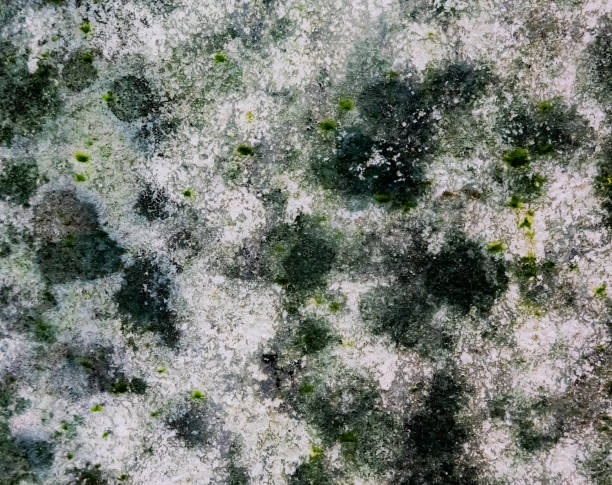
You noticed something dark, fuzzy, or discolored on your garage floor or basement wall, and now you’re wondering: is mold on concrete dangerous, or is this just something concrete does? It’s a fair question — concrete looks solid and inert, so growth on it can seem confusing compared to mold on drywall or wood. This guide explains what’s actually happening, how to tell real mold apart from a common look-alike, and when it’s worth calling a professional.
Is That White Stuff on My Concrete Mold, or Something Else?
This is one of the most common points of confusion, and it matters for how you respond. A white, chalky, powdery substance on concrete or masonry is very often efflorescence — mineral salt deposits left behind when moisture moves through the concrete’s pores and evaporates at the surface, carrying dissolved minerals with it. Efflorescence is not biologically active and isn’t a health hazard the way mold is, but it is a strong signal of moisture moving through the concrete, which means mold could be developing nearby, especially on any organic material sitting on or near the affected surface.
How Can You Tell Mold on Concrete Apart from Efflorescence?
A simple physical test can settle the question. Efflorescence is crystalline and will typically dissolve when sprayed with water or crumble into a fine powder when pinched between your fingers. Mold, by contrast, is organic and fuzzy or slightly slimy, and it won’t dissolve or turn to powder the same way. If you’re still unsure after this test, that uncertainty itself is a good reason to have the area professionally assessed rather than guess.
Why Does Mold Show Up on Garage and Basement Concrete in the First Place?
Basement concrete is especially vulnerable to moisture because of hydrostatic pressure — groundwater pushing against below-grade walls and slabs, forcing moisture through the concrete’s microscopic pores from the soil side. In garages, moisture more often comes from condensation, tracked-in rain or irrigation water, or poor ventilation. In both cases, once that moisture reaches the surface and combines with dust or organic debris, it creates exactly the conditions mold needs to establish itself.
Does Mold on Concrete Spread to Other Areas of the Home?
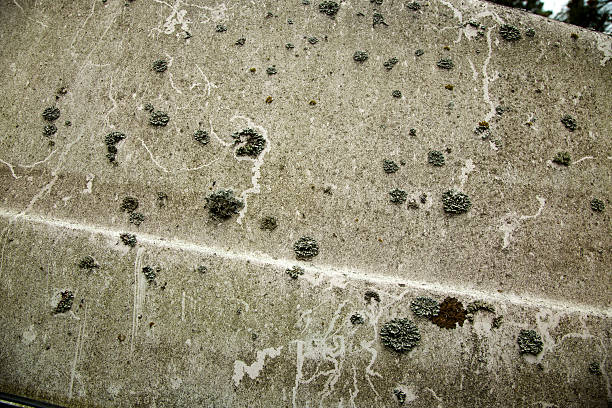
Yes, in the same way mold spreads from any surface — through airborne spores that can settle on nearby porous materials like cardboard boxes, stored fabric, or wood shelving. This is one reason mold on a garage or basement floor shouldn’t be dismissed just because concrete itself is durable; items stored nearby are often more vulnerable than the concrete is. If you’re also noticing signs of moisture-related growth elsewhere in the home, our post on what causes mold in homes covers the broader pattern to watch for.
When Does Mold on Concrete Require Professional Remediation Instead of DIY Cleaning?
Small, isolated patches — generally the same under-10-square-foot benchmark used for other surfaces — may be manageable with careful cleaning and proper ventilation once the moisture source is identified. Larger or recurring growth, especially in a basement affected by ongoing hydrostatic pressure or drainage issues, typically needs a professional assessment, since cleaning the surface without correcting the underlying moisture problem usually means the mold returns. Our Mold Remediation in Santa Maria pillar page covers what that fuller assessment and remediation process looks like.
Get a Clear Answer — Call PuroClean of Santa Maria
Is mold on concrete dangerous in your specific garage or basement? That’s worth a professional look rather than a guess based on color or texture alone. PuroClean of Santa Maria brings IICRC-certified expertise and 24/7 emergency availability to homeowners throughout Santa Maria, Nipomo, Orcutt, and Guadalupe.
Mold rarely gets better on its own, and the sooner it’s addressed, the less it costs — in repairs, in stress, and in peace of mind. Whether you’re just starting to notice something off in your garage or basement, or you’re ready to have it professionally handled, PuroClean of Santa Maria is here to help every step of the way.
Reach out today, and let’s get your home back to feeling clean, dry, and worry-free — call now for a free mold assessment or contact us to schedule an inspection.
Frequently Asked Questions
Can mold actually grow on concrete itself, since concrete isn’t organic?
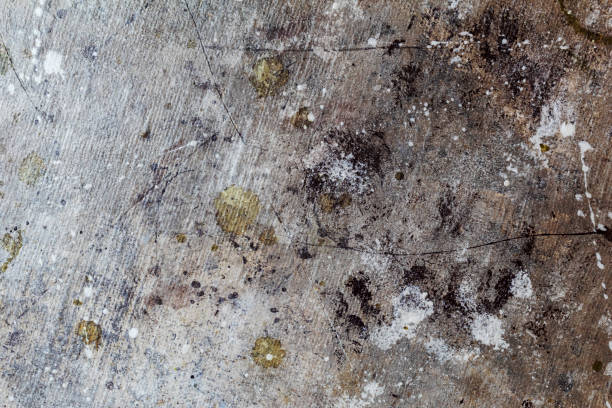
Yes, indirectly. Mold doesn’t feed on the concrete itself, but on the dust, dirt, and organic debris that settle on its surface, using ongoing moisture in the concrete as the growth condition it needs.
Is efflorescence dangerous even though it’s not mold?
Efflorescence itself isn’t a health hazard, but it’s a warning sign that moisture is moving through your foundation, which can lead to structural issues like spalling and often means conditions are right for mold to develop nearby.
Can you paint over mold on a concrete garage floor?
No. Coatings and paints won’t stop moisture vapor moving through concrete, and painting over active mold traps moisture beneath the surface, allowing growth to continue underneath.
Does a dehumidifier help prevent mold on basement concrete?
Yes, keeping basement humidity below roughly 50% with a dehumidifier can help, but it works best alongside addressing the moisture source itself — such as improving exterior drainage or sealing foundation cracks — rather than as a standalone fix.
Sources: Environix — How to Get Rid of and Prevent Mold Growth on Concrete · All Garage Floors — How to Moisture Test your Concrete or Garage Floor · Environix — Identifying Efflorescence and Mold Growth · InterNACHI — Efflorescence for Inspectors · Mold Action Plan — Mold on Concrete
Available 24/7/365 | IICRC Certified | (805) 975-0800 | Contact Us Online | Google Business Profile