


Mold on Hardwood Floors in Santa Maria, CA: 5 Warning Signs Before It Spreads
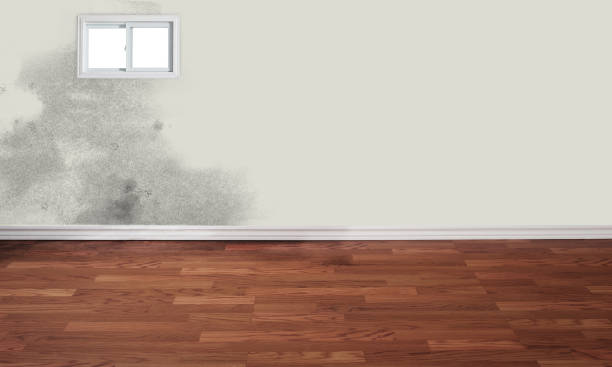
Mold on hardwood floors doesn’t always look the way people expect. Unlike the humid Gulf Coast, Santa Maria’s climate is generally mild and relatively dry, with cool coastal fog rather than heavy ambient humidity — which means mold on hardwood floors here is almost always tied to a specific water event rather than ongoing atmospheric moisture. That’s actually useful information: if you’re seeing signs of mold on your hardwood floors, there’s very likely an identifiable source, not just “the weather.”
Here are five warning signs worth checking for before the problem spreads further than the spot you’ve already noticed.
Sign 1: Discoloration or Dark Staining Between Boards
Dark staining that follows the seams between hardwood boards is one of the earliest visible signs of mold on hardwood floors. Moisture naturally travels along these seams, which is exactly where it tends to sit longest and where growth often starts.
Sign 2: A Musty Odor That Persists After Cleaning
If a room smells musty no matter how much you clean the surface, that’s often a stronger indicator than what you can actually see. Mold on hardwood floors can be established underneath the finish or between boards well before it’s visible from above.
Sign 3: Cupping or Warping of the Wood
When hardwood boards absorb moisture unevenly, the edges can rise higher than the center, creating a cupped appearance — a sign that the underside of the board has absorbed more moisture than the top (Big Bro Hardwood). This is a reliable sign that water has been present long enough for mold on hardwood floors to become a real possibility, not just a passing spill.
Sign 4: Soft or Spongy Spots Underfoot
If a section of flooring feels different underfoot — softer, springier, less solid — the wood has likely absorbed enough moisture to compromise its structure. At this stage, mold on hardwood floors has often progressed beyond the surface and into the wood itself.
Sign 5: Visible Fuzzy or Powdery Growth in Seams
Active mold growth can appear fuzzy, powdery, or slightly raised, especially in the seams between boards or along baseboards. We’ve covered what this actually looks like — and how easily it’s misidentified — in our guides on white fuzzy mold and warning signs of fuzzy mold in homes, which apply just as much to flooring as to walls.
Why Santa Maria Hardwood Floors Are Vulnerable to a Specific Type of Risk
Because our climate doesn’t create the constant humidity pressure that coastal or Gulf climates do, mold on hardwood floors in Santa Maria homes is most commonly traced back to a specific cause: a slow appliance leak, a plumbing failure, water intrusion during an atmospheric river storm, or a spill that wasn’t fully dried. If you’ve recently dealt with a water event of any kind, see our Water & Flood Damage Restoration guide for what to do in the window before mold has a chance to establish itself.
What to Do If You Find Mold on Hardwood Floors
Refinishing or sanding over mold on hardwood floors doesn’t solve the problem — it can seal contaminated material beneath a new finish, where it continues developing out of sight. Professional assessment should confirm the moisture content of the wood and determine whether the affected boards can be treated or need replacement, following the same ANSI/IICRC S520 source-removal principle used across all professional mold remediation.
PuroClean of Santa Maria: Identifying the Cause Before We Treat the Floor
Because mold on hardwood floors in Santa Maria almost always traces back to an identifiable water event, PuroClean of Santa Maria treats every flooring assessment as a moisture-source investigation first, not just a surface cleaning job. Our technicians serve homeowners across Santa Maria, Nipomo, Orcutt, Lompoc, Guadalupe, and the greater Central Coast.
Frequently Asked Questions
Can mold grow under hardwood floors without a visible leak? Yes. A slow, hidden leak — from plumbing, an appliance, or even condensation — can allow mold to develop under flooring for weeks before any visible sign appears above the surface.
Should I refinish hardwood floors with mold instead of replacing them? Not without professional assessment first. Refinishing over active mold seals the problem beneath a new surface rather than resolving it.
Is mold on hardwood floors covered by insurance? It depends on the cause. Mold resulting from a sudden, covered event like a burst pipe is more likely to be covered than mold from a gradual, uncorrected moisture issue.
How do I know if mold has spread to the subfloor? Soft or spongy spots, persistent odor, and visible warping are all signs the subfloor may be affected — a professional moisture reading can confirm the extent.
Get a Professional Assessment From PuroClean of Santa Maria
Don’t wait for a small stain to become a full flooring replacement. PuroClean of Santa Maria provides IICRC-certified mold inspection and remediation for homeowners across Santa Maria, Nipomo, Orcutt, Lompoc, Guadalupe, and the greater Central Coast, with 24/7 emergency availability.
Contact PuroClean of Santa Maria today, or call (805) 975-0800 for 24/7 emergency response.
Available 24/7/365 | IICRC Certified | (805) 975-0800 | Contact Us Online | Google Business Profile