By PuroClean of Santa Maria
If your phone has buzzed with a Red Flag Warning notice this fall, you’re not alone. The National Weather Service issued one for the Santa Barbara County interior mountains on October 16, 2026, citing east winds gusting up to 40 mph and humidity as low as 8 to 15 percent. It followed earlier warnings this year in July and late August. Most people know the term means “be careful.” Fewer know exactly what it means, what to do about it, and how it connects to the condition of their home, even if a fire never comes near it.
This guide explains what a Red Flag Warning is, how it differs from a watch, what to do before, during, and after one, and why a fire-weather alert matters to your home year-round.
What Is a Red Flag Warning?
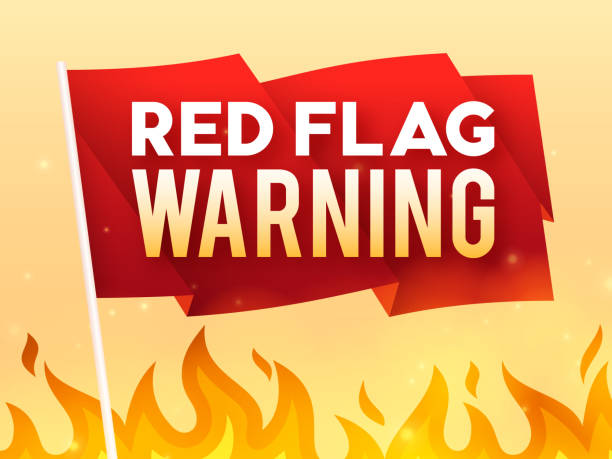
A Red Flag Warning is issued by the National Weather Service when critical fire weather conditions are occurring or about to develop. The ingredients are usually a combination of strong winds, very low relative humidity, warm temperatures, and dry vegetation. Under those conditions, a spark that would normally fizzle can become a fast-moving, hard-to-control fire.
A warning does not mean a fire has started. It means that if one does, it could spread unusually fast and behave extremely. Local fire officials often respond by adding staff and equipment, as Santa Barbara County Fire did during the October warning, and by asking residents to avoid anything that could throw a spark.
Alerts for our area come from the National Weather Service office in Los Angeles/Oxnard, which covers Santa Barbara County. Warnings are issued for specific forecast zones, such as the interior mountains, so a warning may not cover every neighborhood.
Fire Weather Watch vs. Red Flag Warning
- Fire Weather Watch: Critical fire weather conditions are possible in the next day or two. It’s a heads-up to prepare.
- Red Flag Warning: Critical conditions are happening now or are expected very soon. It’s time to act on your plan.
Often a watch is upgraded to a warning as the forecast firms up, which is exactly what happened ahead of this month’s Santa Ana wind event.
Why This Matters for Homes in Santa Maria
Santa Maria and its neighbors, Orcutt, Nipomo, Lompoc, and Guadalupe, sit within reach of the Los Padres National Forest and the dry hills of the Central Coast interior. You don’t need flames at your door for a regional fire to affect your home:
- Smoke infiltration. Wildfire smoke can travel many miles and enter through doors, windows, attic vents, and your HVAC system. A house doesn’t have to burn to be affected, and we explain how in our guide on how smoke gets into a home that never caught fire.
- Ash and soot deposits. Fine particles settle on surfaces, in ductwork, and in attics, and can keep releasing odor for months. See the hidden dangers that linger after a wildfire.
- Wind damage. The same strong winds that drive fire weather can bring down branches, damage roofs, and loosen fencing. Learn the warning signs in our post on structural damage after a storm.
- Power outages. Strong winds can cause unplanned outages, which brings its own risks, from spoiled food to unsafe generator use.
Before a Red Flag Warning: Get Your Home Ready
The best time to prepare is before the alert arrives.
- Sign up for alerts. Register for local emergency notifications at ReadySBC.
- Make an evacuation plan with at least two exit routes and practice it. Santa Barbara County Fire’s Ready, Set, Go! guidance walks through it step by step.
- Build defensible space. Clear dead vegetation, leaves, and debris from roofs, gutters, and around the home. Ready for Wildfire from CAL FIRE has a practical checklist.
- Check your HVAC filters and know how to switch your system to recirculate so it isn’t pulling in outdoor smoke.
- Photograph your home and belongings now. A dated record of your property’s condition makes any later insurance claim easier to document.
- Review your coverage. Know what your policy says about smoke damage and additional living expenses. If you rely on the state’s insurer of last resort, read Does the California FAIR Plan Cover Fire and Smoke Damage? This is general information, not insurance or legal advice.

During a Red Flag Warning: What to Do and Avoid
Fire officials repeat the same core reminders every time:
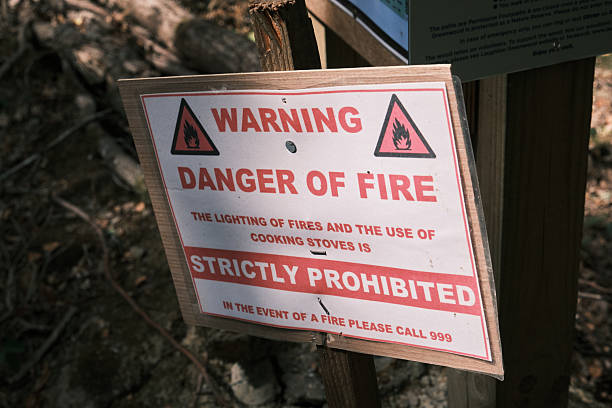
- Avoid spark-producing tools and machinery near dry grass or brush, including mowers, grinders, and welding.
- Don’t park or idle vehicles on dry vegetation.
- Skip hiking and front-country trails in affected areas.
- Report smoke or fire immediately by calling 911, and be ready to give your exact location.
- Report suspicious people or vehicles to local law enforcement.
- Keep windows and doors closed if smoke is nearby, and use recirculate mode on your HVAC.
- Charge phones and keep a go-bag ready.
If smoke does reach the area, check current air quality on the AirNow Fire and Smoke Map, and read the EPA’s guidance on wildfires and indoor air quality.
After the Warning: Signs Your Home May Have Been Affected
Once the alert expires, or if a fire occurred nearby, look for:
- A smoky or burnt smell that lingers indoors, especially when the heat or AC turns on
- A thin layer of ash or grit on windowsills, vents, and outdoor furniture
- Discoloration or a film on walls, ceilings, or around vents
- Headaches, coughing, or irritated eyes that ease when you leave the house
- Smoke odor coming from the attic or ductwork
If you spot any of these, avoid wiping soot yourself. Rubbing can smear residue deeper into surfaces. Document it with photos and call a professional for an inspection.
When to Call PuroClean of Santa Maria
Call us if a regional fire left smoke odor, ash, or soot in your home, if you evacuated and came back to a house that smells off, or if wind or fire-related events caused property damage. Our team inspects the property, tests surfaces and air pathways, and builds a plan for cleaning, HVAC and duct cleaning, and smoke odor removal. Learn more about our fire and smoke damage restoration services, or see the neighborhoods we serve across the Central Coast.
Frequently Asked Questions
What does a Red Flag Warning mean? It means the National Weather Service expects critical fire weather, such as strong winds, low humidity, and dry vegetation, that could make any new fire spread quickly.
Does a Red Flag Warning mean there is a fire? No. It means conditions are dangerous if a fire starts. Always follow official alerts for actual incidents.
How long does a Red Flag Warning last? It varies. The October 2026 warning for Santa Barbara County’s interior mountains ran from early morning to early evening on a single day, while others have lasted several days.
Can smoke damage my home if the fire is miles away? Yes. Smoke particles travel far and can enter through openings and ventilation, leaving odor and residue even where flames never reached.
Is smoke damage covered by insurance? It depends on your policy and circumstances. Your insurer determines coverage, and the California Department of Insurance publishes consumer guidance.
Is PuroClean of Santa Maria available during emergencies? Yes. We offer 24/7 emergency response, 365 days a year.
Need Help After Smoke or Fire? Call PuroClean of Santa Maria
When fire weather turns into smoke in your home, early action keeps odor and residue from setting in. Contact PuroClean of Santa Maria or call (805) 975-0800 for 24/7 emergency response.
Available 24/7/365 | IICRC Certified | (805) 975-0800 | Contact Us Online | Google Business Profile