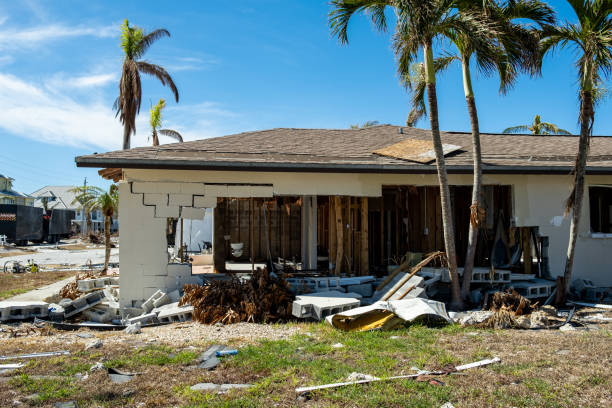
Structural damage after a storm is rarely as obvious as a fallen tree. More often it is a door that suddenly sticks, a ceiling that has started to sag, or a crack that was not there last week. This past weekend showed how fast it can escalate: as Tropical Storm Rachel sent destructive surf into Southern California, Long Beach inspectors red-tagged 13 beachfront homes as too dangerous to enter, after waves crashed through a seawall at high tide.
Closer to home, the National Weather Service has warned of coastal flooding, heavy rain, and strong winds for Santa Barbara County, with rain forecast from Sunday through Tuesday. Whether you are in Santa Maria, Lompoc, Orcutt, Guadalupe, or Nipomo, this guide covers the warning signs to look for, what the colored safety tags mean, and what to do first. It is general information, not engineering or legal advice.
What Is Structural Damage After a Storm?
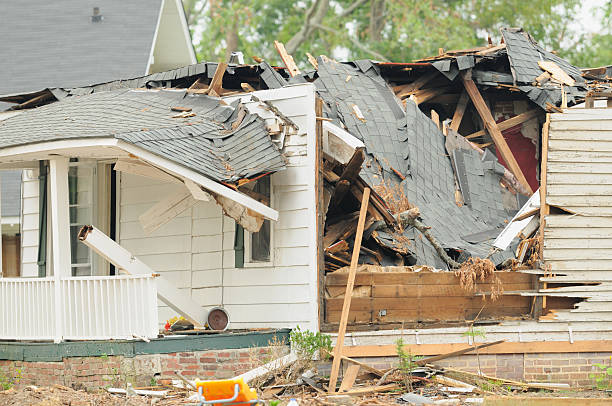
Structural damage after a storm is harm to the parts of a building that carry its weight or hold it together: the foundation, framing, roof structure, and load-bearing walls. The quick signs are new or widening cracks, sagging ceilings or floors, doors and windows that stick, gaps where surfaces meet, and a changed roofline. If you notice any of them, stay out and call an inspector before you rely on the building.
7 Expert Warning Signs of Structural Damage After a Storm
- New or widening cracks. Pay special attention to the foundation and to diagonal cracks running from the corners of doors and windows. FEMA lists foundation cracks among the exterior damage to check before entering a storm-damaged home.
- Sagging ceilings or floors. FEMA also advises checking ceilings and floors for signs of sagging, and the American Red Cross includes the same check in its return-home steps.
- Doors and windows that suddenly stick. A frame that has shifted out of square often shows up here first.
- Gaps or separation. Look where walls meet ceilings, floors, or the foundation.
- A changed roofline. Sagging, lifted or missing roofing, or daylight visible in the attic can point to damage to the roof structure.
- Bulging drywall, stains, or soft spots. These suggest saturated framing. The EPA says water-damaged areas should be dried within 24 to 48 hours to prevent mold growth.
- New creaking, popping, or shifting sounds. Buildings under stress often make noise before something visible gives way.
One sign alone can be cosmetic. Several together, or any sagging, is a reason to stay out and bring in a licensed structural engineer or your local building department.
Red, Yellow, and Green Tags: What They Mean
If you hear that homes were “red-tagged,” this is the system behind it. Under California’s statewide Safety Assessment Program, managed by Cal OES and FEMA, inspectors post placards at building entrances: green means INSPECTED with lawful occupancy permitted, yellow means RESTRICTED USE, and red means UNSAFE, do not enter or occupy.
The American Red Cross is direct about what to do if you see one: do not go in until local authorities give you more information and instructions.
What to Do First When You Suspect Structural Damage After a Storm
- Stay out if you see warning signs. FEMA notes it may be too dangerous to enter until an inspector checks the home.
- Look at the outside first. Check for damaged power and gas lines, and per the Red Cross, do not step in standing water if power lines are down.
- Photograph everything. The Red Cross recommends pictures of both the building and its contents for insurance purposes.
- Make temporary repairs only. The California Department of Insurance advises temporary repairs to prevent further damage, but no permanent repairs until the adjuster has seen it.
- Call a restoration team for emergency stabilization and drying. Board-up, tarping, and water removal protect the structure while the claim and repair plan come together.
- Check with your local building department before rebuilding. FEMA advises this before any repairs or rebuilding begin.
Does Insurance Cover Structural Damage After a Storm?
It depends on what caused it. The California Department of Insurance has noted that homeowners, renters, and commercial policies typically exclude flood, mudslide, and debris flow, though they may cover water damage from wind-driven rain and damage from fallen trees. Coastal flooding is generally treated as flood, so it is worth reading your policy closely.
If you have coverage questions, the Department of Insurance hotline is 800-927-4357. Keep a “claim diary” of every conversation with your insurer, and ask them to point to the specific policy provision behind any exclusion.
Why the First 48 Hours Matter in Santa Maria
Our valley has a long memory for storms. In January 2023, a stormwater basin in northern Santa Barbara County failed, sending mud and water into a neighborhood in Orcutt and forcing evacuations. Reports on this week’s storm also note that this year’s El Nino has continued to strengthen, which makes now a good time to know the signs.
Moisture is the quiet half of the problem. Our guide on how to dry wet walls after water damage explains how water hides in wall cavities, and our mold removal service is there if it has already set in. For the wind side of the story, see how Sundowner Winds escalate fire and water damage risk.
Frequently Asked Questions About Structural Damage After a Storm
What is the first sign of structural damage after a storm? Common first signs are new cracks, doors or windows that suddenly stick, and ceilings or floors that sag. Because a single sign can be cosmetic, call a licensed engineer or inspector rather than guess.
Is it safe to stay in a house with structural damage after a storm? Not if you see sagging, foundation damage, or a yellow or red placard. FEMA advises it may be too dangerous to enter until an inspector checks the home, and the Red Cross says to stay out of any building with a color-coded inspection sign until authorities advise you.
What do red and yellow tags mean? Red means UNSAFE: do not enter or occupy. Yellow means RESTRICTED USE: some limit on entry or occupancy applies. Green means INSPECTED, with lawful occupancy permitted.
Does homeowners insurance cover structural damage after a storm? It depends on the cause. According to the California Department of Insurance, flood, mudslide, and debris flow are typically excluded, while wind-driven rain damage and fallen trees may be covered. Review your policy and ask your insurer to cite the provisions behind any denial.
What can a restoration company do after storm damage? PuroClean of Santa Maria provides emergency board-up, structural drying, cleaning, and detailed documentation, and can manage reconstruction when structural repair is needed. A licensed structural engineer or building inspector decides whether the building is safe to occupy.
Related Reading
- Structural Damage Repair: 5 Proven Fixes for Costly Cracks: our companion piece on what happens after the assessment
- How to Dry Wet Walls After Water Damage in Santa Maria, CA (PuroClean of Santa Maria)
- Fire and Water Damage in Santa Maria: 5 Powerful Reasons Sundowner Winds Escalate the Risk (PuroClean of Santa Maria)
- Santa Maria Restoration Services (PuroClean of Santa Maria)
- Storm Damage Restoration in Pembroke Pines: 5 Hidden Risks of Being “Outside the Zone” (PuroClean of Hallandale Beach)
- Hurricane Water Damage Restoration (PuroClean)
- Foundation Water Damage: Causes, Signs, and Solutions (PuroClean of Northeast Tacoma)
Get Help With Structural Damage After a Storm in Santa Maria
If a storm has left your home with cracks, sagging, or water you cannot account for, PuroClean of Santa Maria can help you take the right first steps. We serve Santa Maria, Lompoc, Orcutt, Guadalupe, and Nipomo, and our technicians hold IICRC certifications, the industry benchmark for water, fire, and mold restoration.
We are available 24/7, 365 days a year, including holidays and weekends. Call (805) 975-0800 any time, day or night. Storms do not wait for business hours, and neither do we.
Available 24/7/365 | IICRC Certified | (805) 975-0800 | Contact Us Online | Google Business Profile