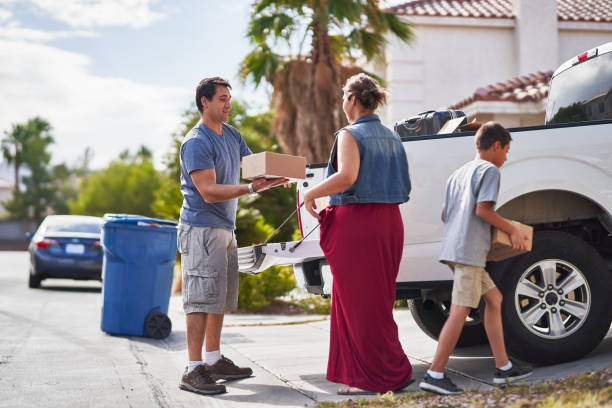
The evacuation order is lifted and you’re finally heading home. Most people want to rush in, open the windows, and start putting things back. That’s the moment to slow down. A house that survived a wildfire, or even one that never saw flames but sat in heavy smoke, can hold hazards you can’t see: ash, soot, damaged utilities, spoiled food, and smoke trapped in the HVAC system.
This guide walks Santa Maria-area families returning home after a wildfire evacuation through what to check, in order, before you unpack. It’s general guidance, not a substitute for instructions from fire officials, utilities, or your insurer.
Step 1: Wait for the Official All-Clear
Don’t return until fire and law enforcement officials say your area is open. Re-entry can be restricted for good reasons: hot spots, unstable trees, downed power lines, and damaged roads. For local updates, check ReadySBC and Santa Barbara County Fire’s Ready, Set, Go! resources, and see CAL FIRE’s Ready for Wildfire site for post-fire safety guidance.
If you want to understand the conditions that led to your evacuation in the first place, read our guide on what a Red Flag Warning means for your Santa Maria home.
Step 2: Protect Yourself Before You Go In
Ash and fine smoke residue irritate the lungs, eyes, and skin. Before you enter:
- Wear an N95 or better respirator. Paper dust masks and cloth masks don’t filter the finest particles.
- Wear sturdy shoes, long sleeves, and gloves. Debris and sharp objects may be hidden under ash.
- Keep children, older adults, pregnant family members, and anyone with asthma or heart or lung conditions away until the home has been assessed and cleaned.
The EPA explains why in its guidance on wildfires and indoor air quality.
Step 3: Walk the Outside First
Before opening the door, do a slow lap around the property:
- Look for smoldering spots, especially in mulch, wood piles, fences, and roof corners. Embers can reignite hours or days later. If you see smoke or heat, call 911.
- Check the roof, gutters, and eaves for debris, ember damage, or burned shingles.
- Inspect attic and crawlspace vents. Smoke and ash enter here and are easy to miss.
- Look for downed or sagging power lines and stay well away. Report them to the utility.
- Check for a gas smell. If you smell gas, leave immediately and call the gas company or 911 from a safe distance. Don’t operate switches or lighters.
- Note damaged trees or fences that could fall.
If wind damaged the property as well, our post on structural damage after a storm lists the warning signs to look for.
Step 4: Do a Careful First Walk-Through
Once the exterior looks safe, go in and use your senses. Take photos and video as you go, before touching or moving anything.
- Smell. A smoky, burnt, or chemical odor means smoke has settled into walls, fabrics, and ductwork.
- Sight. Look for ash, a gray or black film on windowsills, vents, counters, and ceilings, or discoloration around registers.
- Water. Check for leaks, wet spots, or water stains. Firefighting water, broken lines, or power loss can leave moisture behind. Left alone, moisture can turn into mold, as our mold remediation guide explains.
- Electrical. If you see scorching, a burning smell from outlets, or signs the electrical system was damaged, don’t turn the power on. Have it inspected first.
- Doors and windows. Note any left open during the evacuation, since they let in smoke and ash.
Step 5: Deal With the Fridge, Freezer, and Pantry
Power outages and smoke exposure make food a real risk. The FoodSafety.gov guidance on power outages is a good reference. As a rule of thumb:
- Perishables that were without power for an extended period should be discarded.
- Food exposed to smoke, heat, or soot may be unsafe even if it’s in packages. Our fire team advises not eating food that was exposed to heat, smoke, or soot, including non-perishables.
- When in doubt, throw it out, and photograph what you discard for your claim.
Step 6: Handle the Air and HVAC Carefully
Your heating and cooling system may have pulled smoke and ash through the entire house. Before running it:
- Check and replace the filter, wearing a respirator while you do.
- Don’t run the system if it’s visibly sooty or smells strongly of smoke, because it can spread contamination to every room.
- Consider professional duct cleaning, since trapped smoke particles can recirculate for months.
We explain what lingers inside homes in Wildfire Aftermath in Santa Maria: 6 Hidden Dangers.
Step 7: Resist the Urge to Clean Everything at Once
The wrong cleaning method can make smoke damage worse.
- Don’t dry-wipe or scrub soot. It smears and drives residue deeper.
- Don’t sweep or vacuum ash with a regular vacuum. It puts fine particles back into the air. Wet-wipe where it’s safe, and follow EPA guidance for cleanup.
- Don’t use fans to “air it out” if the air outside is still smoky. Check the AirNow Fire and Smoke Map first.
- Don’t throw items away before documenting them and talking to your insurer.
Our earlier guide explains how smoke gets into a home that never caught fire, and why a home with no visible burn damage can still need professional cleaning.
Step 8: Document and Call Your Insurer
Photos and video you took during your walk-through are the foundation of a claim. Also:
- Keep receipts for hotels, meals, and emergency purchases during the evacuation.
- Ask about additional living expenses. Many policies include coverage when you can’t live in the home, and California has rules that can apply after a mandatory evacuation order. Ask your insurer and check the California Department of Insurance for current guidance.
- Report smoke damage promptly, even if the house didn’t burn.
If you’re covered through the state’s insurer of last resort, read Does the California FAIR Plan Cover Fire and Smoke Damage? This is general information, not legal or insurance advice.
When to Call PuroClean of Santa Maria
Call us if you notice smoke odor, ash, or soot inside, if your HVAC system was running during the event, if firefighting water or outages left moisture behind, or if you simply aren’t sure the home is safe to live in. Our team inspects the property, tests surfaces, and builds a plan for soot cleaning, duct cleaning, and smoke odor removal. Learn more about our fire and smoke damage restoration services and the communities we serve across the Central Coast.
Frequently Asked Questions
How soon after evacuation can I go back inside? Only once officials open your area. Even then, check the exterior and utilities first.
Is it safe to stay in my home if it just smells like smoke? Not necessarily. Odor means particles are present, which can irritate lungs and eyes. Limit time inside, especially for children, older adults, and anyone with respiratory or heart conditions, until it has been assessed.
Can I clean smoke damage myself? Light, surface-level cleanup may be possible, but soot and ash often settle in walls, insulation, and ducts where DIY methods don’t reach, and wiping can smear residue. A professional inspection can tell you what’s needed.
Should I clean my air ducts after a wildfire? If the HVAC system ran during smoke exposure, or you smell smoke when it turns on, duct cleaning is often recommended.
Does insurance cover smoke damage if my house didn’t burn? It depends on your policy and circumstances. Your insurer determines coverage, so report the damage and document it.
Is PuroClean of Santa Maria available right away? Yes. We offer 24/7 emergency response, 365 days a year.
Back Home and Something Doesn’t Feel Right? Call Us
The sooner smoke and soot are addressed, the less they set into your home. Contact PuroClean of Santa Maria or call (805) 975-0800 for 24/7 emergency response.
Available 24/7/365 | IICRC Certified | (805) 975-0800 | Contact Us Online | Google Business Profile