This article is general information, not insurance or legal advice. Policy terms vary, so confirm specifics with your insurer.
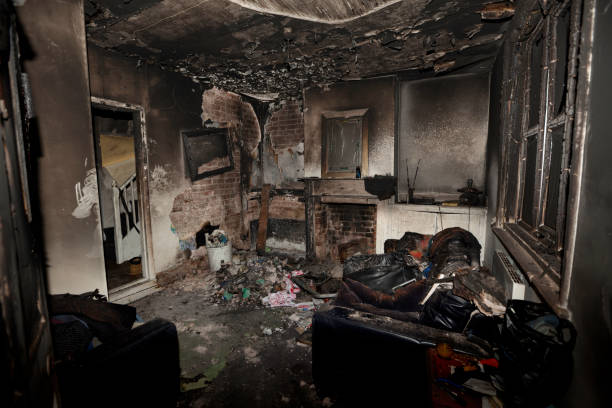
When the fire department packs up, the emergency isn’t over. You may have a home that’s open to the weather, soaked from firefighting, and coated in soot, and the next several hours decide how much of it can be saved. That’s the job of 24/7 fire restoration services: stabilizing the property, protecting what’s left, and starting the cleanup before damage spreads.
This guide walks through the sequence, from the first safety steps to the final evaluation, and what to ask any company offering 24/7 fire restoration services before you let them in the door.
Before You Call Anyone: Safety Comes First
Official guidance is consistent on the first step. The U.S. Fire Administration’s After the Fire guide, the Red Cross’s Picking Up the Pieces After a Fire, and Ready.gov’s home fire page all point to the same priorities:
- Don’t re-enter until the fire department says it’s safe. Structures can be unstable, and fires can rekindle.
- Leave utilities to the professionals. Don’t try to restore power or gas yourself.
- Contact your insurance company early. Ask what they need from you and what they’ll cover for emergency measures.
- Don’t open a safe. North Carolina’s Department of Insurance fire recovery guidance warns that a safe can stay hot enough to damage its contents when opened.
Then photograph what you can see from a safe spot before anything is moved. That record matters later.
The First 24 Hours: Securing and Assessing
In the first hours, good 24/7 fire restoration services focus on stopping further loss:
- Board-up and tarping. Broken windows, damaged doors, and roof openings are secured so weather and unauthorized entry don’t add to the damage.
- A written damage assessment. Technicians walk the property to find where heat, smoke, and water reached.
- Documentation. Photos and notes support your insurance claim.
- Safety checks. The crew confirms conditions before work begins.
North Carolina’s guidance notes that a general contractor or a fire damage restoration firm can handle board-up if the fire department doesn’t. Ask any company how quickly it can secure a property at 2 a.m., and whether it’s the same crew that will do the cleanup.
Days 1 to 5: Soot, Smoke, and Odor
This is the core of fire restoration. The industry reference is the ANSI/IICRC S700 standard, which the IICRC published in January 2025. It covers contractor qualifications, damage assessment, equipment and materials, HVAC and air conveyance systems, odor management, contents restoration, and a post-restoration evaluation. It applies to structure fires, not wildfires.
Three things drive this phase:
- Soot removal. Not all soot behaves alike. Dry, oily, and protein-based residues need different cleaning methods, which we explain in What Is Soot vs. Ash vs. Smoke Residue?. Our overview, Is Soot Dangerous?, covers the basics.
- Smoke odor. Smoke travels through ductwork and settles into porous materials, so a room that looks clean can still smell like a fire. PuroClean of Greenfield explains why smoke can affect indoor air quality long after a fire.
- Contents. Clothing, furniture, and keepsakes are sorted into what can be cleaned and what can’t. Our older guide on removing smoke damage from clothes covers the household side.
When Firefighting Water Becomes a Second Problem
Fire hoses leave a lot of water behind, and that water has its own clock. The EPA’s guide to mold and moisture advises drying wet materials within 24 to 48 hours to prevent mold growth. That water damage is handled under a separate standard, IICRC S500, which is why a fire job often involves two sets of procedures at once.
If your loss includes both, read our 24/7 water damage restoration timeline for how extraction and drying work. Hidden moisture in a coastal home can also lead to the problems in our guide on mold growth under flooring.
Insurance and Documentation
Insurance runs through the whole process, so keep your paperwork organized: your insurer’s claim number, dated photos, a list of damaged items, and every estimate in writing. Our article on what insurance won’t tell you about fire damage restoration in Florida covers the claim side in more depth, and our fire damage restoration overview covers what to expect from start to finish.
What to Ask a Company Offering 24/7 Fire Restoration Services
- Who answers at night, and how fast can you secure the property? Ask for an honest ETA to your address, not a blanket promise.
- Are you in the IICRC certified firm directory? Check yourself in the IICRC certified firm directory.
- Do you work to the S700 standard? A good answer covers assessment, odor management, and a post-restoration evaluation.
- How will you handle the HVAC system? Smoke in ductwork is a common reason odor returns.
- How will you document the job? Photos, scope, and notes should be part of the process.
For a broader vetting checklist, see our guide to restoration companies near me.
PuroClean of Santa Rosa Beach: Fire Restoration From First Call to Final Check
PuroClean of Santa Rosa Beach provides 24/7 fire restoration services across Santa Rosa Beach, the 30A corridor, Dothan, and Enterprise. Our fire and smoke damage restoration page lists what we handle, including soot and smoke cleanup, odor removal, content restoration, and insurance assistance.

Frequently Asked Questions
What do 24/7 fire restoration services include? Emergency response, board-up, damage assessment, soot and smoke cleanup, odor removal, contents handling, treatment of firefighting water, and documentation for your insurance claim.
How soon should I call after a house fire? Once the fire department says it’s safe and you’ve contacted your insurer, call a restoration company right away. Open structures and wet materials get worse with time.
Is soot dangerous to clean up myself? Soot is fine, oily, and easy to smear, so it’s best left to professionals. See our guide on soot for details.
Does the S700 standard cover wildfire smoke? No. IICRC’s press release describes the standard as applying to structure fires, other than wildfires.
Does PuroClean of Santa Rosa Beach serve Dothan and Enterprise? Yes, we serve Santa Rosa Beach, the 30A corridor, Dothan, and Enterprise.
Call PuroClean of Santa Rosa Beach for 24/7 Fire Restoration Services
Fire doesn’t keep business hours, and neither do we. PuroClean of Santa Rosa Beach provides IICRC-certified, 24/7 fire restoration services for homes and businesses across Santa Rosa Beach, the 30A corridor, Dothan, and Enterprise.
Contact PuroClean of Santa Rosa Beach or call (850) 399-3380 for 24/7 emergency response.
Available 24/7/365 | Contact Us Online | Google Business Profile | IICRC Certified | Complete Fire Damage Solutions