


How to Remove Mold From Subfloor: What Most Guides Leave Out
Search how to remove mold from subfloor and you’ll find plenty of step-by-step lists — pull up the flooring, scrub, dry, repeat. What you won’t find as often is an honest account of where those steps actually go wrong. Knowing how to remove mold from subfloor properly matters less than knowing which mistakes turn a manageable weekend project into a much bigger, more expensive problem.
Here are five mistakes that show up constantly when homeowners attempt subfloor mold removal on their own.
Mistake 1: Treating Bleach Like a Cure
Bleach is the go-to answer for how to remove mold from subfloor DIY-style, but it only kills mold sitting on the surface of porous wood — it doesn’t reach mold growing inside the wood grain itself (PuroClean of Santa Rosa Beach). The color disappears, which looks like success, but the mold structure underneath is often still very much alive and ready to regrow once conditions allow it.
Mistake 2: Leaving Adhesive Residue Behind
If old flooring adhesive was scraped but not fully removed from the subfloor, that residue becomes an ongoing food source for mold regrowth (Mold Action Plan). This step gets skipped constantly in how to remove mold from subfloor projects because it’s tedious and time-consuming — but leaving it behind essentially guarantees a repeat performance.
Mistake 3: Cleaning the Mold Without Fixing the Moisture
Mold needs moisture to grow, and if the underlying source — a slow leak, poor ventilation, condensation — isn’t corrected, cleaning the visible mold only buys time before it returns. Any real answer to how to remove mold from subfloor has to start with identifying and fixing the moisture source, not ending there.
Mistake 4: Not Recognizing When DIY Isn’t Appropriate Anymore
DIY subfloor mold removal is generally considered reasonable for small areas — typically under about 10 square feet — with clearly identifiable moisture sources and no structural damage (Le Meridien Chambers). Once mold spreads across multiple rooms, an odor persists after cleaning, household members develop symptoms, or the subfloor shows signs of structural compromise, the situation has moved past what how to remove mold from subfloor guides are designed to handle safely. If you’re not sure which category you’re in, our guide on how to detect mold under hardwood floors walks through the professional tools that can tell you before you start tearing anything up.
Mistake 5: Skipping Documentation Before You Start
This is the mistake almost nobody warns about: if there’s any chance this could become an insurance claim, removing mold before documenting it — photos, moisture readings, extent of the damage — destroys the exact evidence an adjuster would need to evaluate the claim. Once you’ve cleaned and repaired the area, there’s no way to go back and prove what was actually there.
What Proper Subfloor Mold Removal Actually Requires
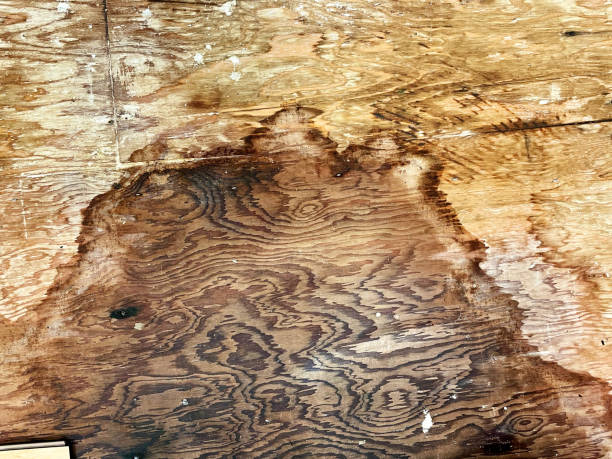
Beyond the DIY-appropriate cases, addressing mold on a subfloor correctly means confirming moisture content is within a safe range before any treatment begins, determining whether the material can be treated or needs replacement, and following through with documentation that protects you if the situation escalates. This is the same source-removal principle behind the ANSI/IICRC S520 Standard for Professional Mold Remediation — treating the cause, not just the visible symptom.
PuroClean of Santa Rosa Beach: Support Whether You DIY or Call Us First
Whether you’re tackling a small, contained area yourself or facing something beyond that scope, PuroClean of Santa Rosa Beach offers moisture assessments and documentation for homeowners across the 30A corridor and our Dothan, AL service area — giving you an accurate read on which category your subfloor mold actually falls into before you start.
Frequently Asked Questions
Can I remove mold from a subfloor myself? For small, contained areas with an identifiable moisture source and no structural damage, DIY removal can be appropriate — generally for areas under about 10 square feet.
Does bleach kill mold on subfloor plywood? Bleach kills surface mold on non-porous materials but doesn’t fully penetrate porous wood, meaning mold rooted inside the material can survive and regrow even after bleaching.
How do I know if subfloor mold removal is too big for DIY? Signs it’s time to call a professional include mold spreading across multiple rooms, persistent odor after cleaning, visible structural damage, or health symptoms among household members.
Should I document mold before removing it myself? Yes. If there’s any possibility of an insurance claim, photograph the damage and consider a moisture reading before you begin — once it’s cleaned or repaired, that evidence is gone.
Get a Professional Assessment Before You Start
Knowing how to remove mold from subfloor the right way starts with knowing which category your situation falls into. PuroClean of Santa Rosa Beach provides moisture assessments and IICRC-certified remediation for homeowners across Santa Rosa Beach, the 30A corridor, Dothan, and Enterprise, AL, with 24/7 emergency availability.
Contact PuroClean of Santa Rosa Beach today for a moisture assessment, or call for 24/7 emergency response.
Available 24/7/365 | Contact Us Online | Google Business Profile | IICRC Certified | Insurance Preferred | Complete Mold Remediation Solutions