 PuroClean of Santa Rosa Beach
Table of Contents
What To Do About Water Under Floorboards: Your Emergency Action Plan
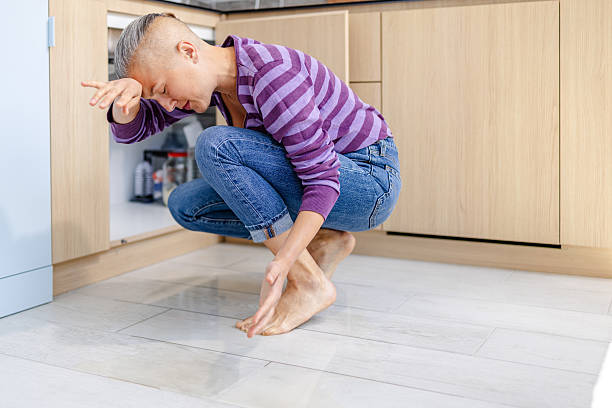
The storm finally passed. You walk through your Santa Rosa Beach home, relieved that everything looks fine. Then you step on a section of your hardwood floor and hear that sickening squish. Your stomach drops as you realize water is pooling beneath your feet.
If you’re wondering what to do about water under floorboards, you’re facing one of the most urgent home emergencies possible. Water trapped beneath flooring doesn’t just sit there quietly. Within 24-48 hours, it transforms from a manageable problem into a catastrophic disaster involving structural damage, toxic mold growth, and repair bills that can easily exceed $50,000.
Living along Florida’s Gulf Coast means you’re familiar with heavy rainfall, tropical storms, and hurricane flooding. But what many Santa Rosa Beach homeowners don’t realize is that the real danger isn’t the initial flood—it’s what happens when water remains trapped under your floors.
Why Water Under Floorboards Is So Dangerous
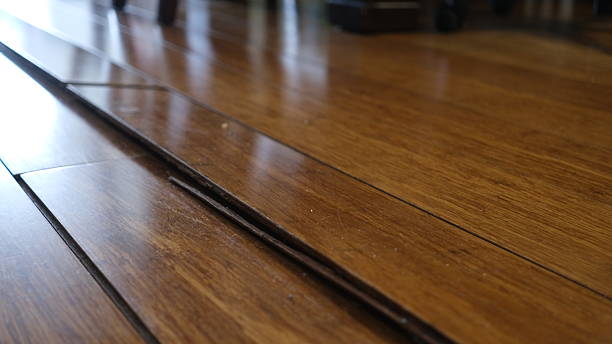
Water doesn’t just damage the visible surface of your floors. It seeps into subfloors, floor joists, and your home’s structural framework. Wood swells, warps, and loses integrity. Adhesives fail. And moisture creates the perfect breeding ground for mold.
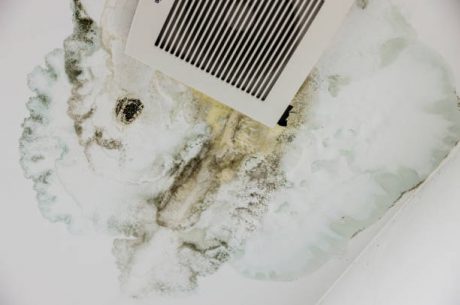
In Santa Rosa Beach’s humid coastal climate, mold can begin colonizing wet materials within 24-48 hours. The Centers for Disease Control and Prevention warns that exposure to damp environments and mold causes respiratory problems, allergic reactions, and asthma attacks—especially dangerous for children and elderly family members.
The 5 Costly Mistakes Homeowners Make
Mistake #1: The “Wait and See” Approach
This is the most expensive mistake when discovering what to do about water under floorboards. Many people convince themselves the water will dry naturally. They open windows, point a fan at the floor, and hope for the best.
Meanwhile, water continues soaking deeper into subflooring, insulation, and wall cavities. What could have been a $3,000 water extraction job becomes a $30,000+ remediation project involving structural repairs, mold removal, and complete floor replacement.
Mistake #2: DIY Water Removal Without Professional Equipment
You rent a shop vac, mop up visible water, and set up box fans. But household equipment can’t extract water from porous materials like subflooring and structural lumber.
Professional restoration companies use truck-mounted extractors, industrial dehumidifiers, and moisture meters that detect hidden water invisible to the naked eye. Without this equipment, you’re treating surface symptoms while structural damage continues undetected.
Mistake #3: Removing Flooring at the Wrong Time
Timing matters critically when deciding what to do about water under floorboards. Some homeowners immediately rip up all flooring, thinking faster removal means better results. Others wait too long.
Different flooring materials respond differently to water damage. Hardwood might be salvageable if dried quickly. Laminate typically requires replacement regardless. Professional assessment determines the right timing—potentially saving thousands in unnecessary replacement costs.
Mistake #4: Ignoring Hidden Water in Wall Cavities
Water doesn’t obey boundaries. When it accumulates under floors, it often wicks upward into wall cavities. Homeowners focus on floors while missing water damage traveling up their walls.
Within days, mold colonizes wall studs, insulation, and drywall. Thermal imaging cameras reveal moisture in walls that appear dry to touch. Without professional assessment, you’ll discover this hidden damage months later when mold stains appear.
Mistake #5: Not Understanding Insurance Coverage
Many homeowners don’t realize their policies exclude flood damage. Standard insurance typically covers burst pipes or roof leaks but not external flooding.
People delay calling professionals while “figuring out insurance.” Meanwhile, damage worsens hourly, and insurance companies can deny claims if you failed to mitigate damage promptly. Professional restoration companies document everything and work directly with insurance adjusters.
What To Do About Water Under Floorboards: Your 24-Hour Action Plan
Step 1: Ensure Safety First
Before stepping into water, turn off electricity to affected areas. If water is deep or you smell gas, evacuate immediately and call emergency services. Never assume standing water is safe—it may contain sewage or chemicals.
Step 2: Document Everything
Photograph and video all damage from multiple angles before touching anything. Document water levels, affected furnishings, and flooring damage. Save these records to cloud storage for insurance claims.
Step 3: Contact Professional Restoration Immediately
This cannot wait. Water damage restoration is a 24/7 emergency service because every hour matters. When you call, provide information about water depth, affected area, water source, and duration.
Step 4: Remove Standing Water If Possible
While waiting for professionals, safely remove surface water with a wet/dry vac or towels. Focus on surface water only—don’t attempt to remove flooring or access subfloors. Move unaffected furniture to dry areas.
Step 5: Increase Air Circulation
Open windows if outdoor humidity is lower than indoors. Position fans to promote airflow but don’t direct them at wet surfaces—this can spread contamination. Run dehumidifiers if available, though household units lack power for significant water damage.
What Professional Restoration Involves
When professionals address what to do about water under floorboards, they use moisture meters and thermal imaging to map all damage, including hidden moisture. Industrial extractors remove thousands of gallons from flooring systems.
Based on moisture readings, professionals remove only what cannot be salvaged—potentially saving existing floors if dried quickly. Commercial dehumidifiers run continuously for 3-7 days while technicians monitor moisture levels daily. Surfaces receive antimicrobial treatments preventing mold growth.
Why Santa Rosa Beach Homes Face Unique Challenges
Santa Rosa County experiences regular flooding from hurricanes, tropical storms, and numerous rivers and creeks. Our coastal location means elevated humidity year-round, accelerating mold growth after water damage.
These factors make professional restoration absolutely critical. What might dry naturally in Arizona becomes a toxic mold disaster in Santa Rosa Beach’s humid environment. The Institute of Inspection, Cleaning and Restoration Certification establishes standards accounting for regional climate factors.
Long-Term Consequences of Inadequate Water Removal
Failing to properly address what to do about water under floorboards creates problems emerging months or years later. Water-weakened floor joists eventually fail, causing floors to sag or collapse. Hidden mold colonies release spores throughout your home, causing mysterious health problems.
Undisclosed water damage creates massive liability when selling. Required disclosures can sink sales, and buyers discovering hidden damage may pursue legal action.
Frequently Asked Questions
How quickly does water under floorboards cause damage?
Damage begins immediately. Wood starts swelling within hours, and mold can colonize within 24-48 hours in Santa Rosa Beach’s humid climate. Structural damage becomes significant after 72 hours, making immediate professional intervention critical.
Can I dry water under floorboards myself?
While you can remove surface water, homeowners lack equipment to properly dry subflooring and hidden moisture pockets. DIY attempts often leave residual moisture causing mold and structural damage months later.
How much does professional water damage restoration cost?
Costs range from $2,000-$10,000+ depending on affected area and damage extent. However, this represents a fraction of the $30,000-$75,000+ you’ll spend if water isn’t properly removed.
Will my homeowners insurance cover this?
Coverage depends on water source. Standard policies typically cover burst pipes and roof leaks but exclude external flooding. Document damage immediately and contact your insurance company within 24 hours.
How do I know if water damage caused mold?
Musty odors, visible mold on baseboards, worsening allergy symptoms, and floor discoloration indicate possible mold. However, mold often grows hidden beneath floors. Professional moisture assessment provides definitive answers.
What flooring is most vulnerable to water damage?
Laminate sustains the most severe damage, typically requiring complete replacement. Hardwood can often be saved if dried within 48 hours. Tile resists damage, but water beneath damages subflooring.
Protect Your Home With Emergency Water Damage Restoration
Understanding what to do about water under floorboards separates homeowners who save their properties from those who face catastrophic losses. Every hour water remains increases damage exponentially.
PuroClean of Santa Rosa Beach provides the immediate response that protects your property and family. Our IICRC-certified technicians understand the unique challenges Gulf Coast homeowners face.
Why Santa Rosa Beach Homeowners Trust PuroClean:
- 24/7 Emergency Response – We respond day or night, typically arriving within 60 minutes
- Advanced Technology – Industrial extractors, dehumidifiers, and thermal imaging detect hidden water
- Insurance Expertise – We work directly with your insurance company with detailed documentation
- Complete Restoration – From extraction through final repairs, we handle everything
- Mold Prevention Focus – Aggressive drying and antimicrobial treatments stop mold before it starts
The difference between a $3,000 repair and a $50,000+ disaster comes down to response time. When you discover water under your floorboards, minutes matter.
📞 Call PuroClean of Santa Rosa Beach immediately: (850) 399-3380
Don’t let water under your floorboards become the $50,000 mistake too many homeowners make. Our team is standing by right now, ready to mobilize with the equipment and expertise your emergency demands.
Available 24/7/365 | Contact Us Online | Google Business Profile | IICRC Certified | Insurance Preferred | Complete Water Damage Remediation Solutions

 PuroClean of Santa Rosa Beach