 PuroClean of Schererville
 Spring in Indiana means warmer temperatures and longer days. Unfortunately, it also means some of the most challenging weather conditions of the year. Heavy rainfall, melting snow, and saturated soil, all which happen in early spring, make it easy for flooding and water damage. For homeowners and business owners across Indiana, understanding these seasonal risks is the first step in protecting your property.
Why Spring Flooding Is So Common in Indiana
Indiana’s geography and climate make it especially vulnerable to spring flooding. During late winter and early spring, melting snow adds significant water into the ground at the same time seasonal rainstorms begin to intensify. When the soil becomes saturated, it can no longer absorb additional rainfall, forcing water to flow into nearby rivers, basements, and low-lying areas.
Additionally, many parts of Indiana have clay-heavy soil, which drains poorly and contributes to standing water and runoff. Combined with frequent storms and rising river levels, this creates a high risk for both sudden flooding and gradual water intrusion.
Even in years where overall flood risk is considered “normal,” a single heavy rainfall event can still trigger serious flooding, especially in areas with already saturated ground or elevated river levels.

4 Tips for Staying Dry During Heavy Spring Rains
1. Keep Gutters and Downspouts Clear
Clogged gutters are one of the most common causes of water damage during heavy rain. When debris blocks water flow, rainwater spills over and pools around your foundation. In Indiana’s intense spring storms, even a short downpour can overwhelm clogged systems. Make sure gutters are cleaned regularly and downspouts extend at least 5–10 feet away from your home.
2. Check Your Sump Pump Before Storm Season
A working sump pump is your first line of defense against basement flooding. With Indiana’s rising water tables in spring, sump pumps often work overtime. Test your system before heavy rains arrive and consider installing a battery backup in case storms knock out power.
3. Improve Yard Drainage and Grading
Water should always flow away from your property—not toward it. Poor grading can cause rainwater to collect near your foundation, increasing the risk of leaks and structural damage. Simple fixes like regrading soil, installing French drains, or extending downspouts can make a major difference during heavy rainfall.
4. Seal Foundation Cracks Early
Freeze-thaw cycles during Indiana winters often create small cracks in foundations. When spring rain hits, these cracks become entry points for water. Inspect your basement walls and floors for signs of damage and seal any openings before the rainy season peaks.
How Heavy Rain Causes Serious Property Damage
Heavy rainfall doesn’t just cause visible flooding, it also creates hidden risks. When soil becomes oversaturated, hydrostatic pressure builds against your foundation, forcing water through even the smallest openings. Over time, this can lead to:
- Basement flooding and standing water
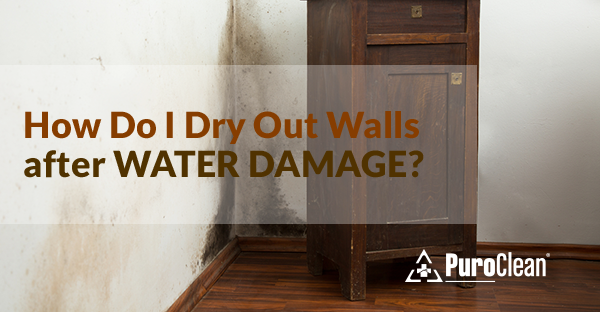
- Mold growth due to excess moisture
- Foundation cracks and structural weakening
- Damage to flooring, drywall, and personal belongings
In many Indiana storms, rainfall totals can reach several inches within a short period, quickly overwhelming drainage systems and causing flash flooding in vulnerable areas. Read more about common causes of property damage, focusing on damage from winter to spring.
Don’t Wait Until It Floods
One of the biggest mistakes property owners make is waiting until water damage occurs before taking action. Spring storms in Indiana are unpredictable, and conditions can change rapidly. Proactive maintenance and preparation can significantly reduce the risk of costly damage.
It’s also important to understand that standard homeowners insurance policies often do not cover flood damage, making prevention even more critical.
Final Thoughts
Heavy spring rainfall and flooding are a reality for Indiana residents every year. From saturated soil and rising rivers to intense thunderstorms, the risks are real. The good news is, they are also manageable with the right preparation.
By taking simple preventative steps like maintaining drainage systems, inspecting your foundation, and preparing for severe weather, you can protect your property and avoid costly repairs. When storms hit, being proactive can mean the difference between minor inconvenience and major damage.
If your property does experience water damage, acting quickly is essential. The sooner the issue is addressed, the better your chances of minimizing long-term effects and restoring your space back to normal. If you need our help, call our IICRC certified professionals at (219)800-7876.


 PuroClean of Schererville