 PuroClean of Schererville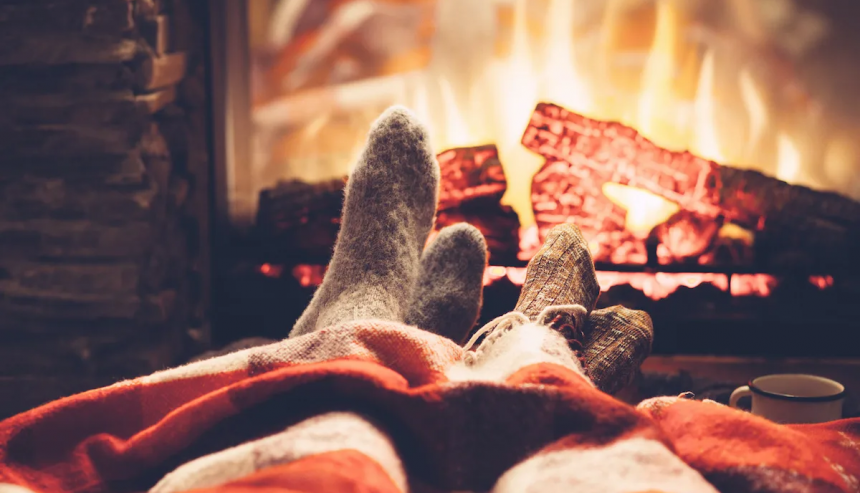
As we approach the holiday season, the world starts to glow with string lights, friendly gatherings, cozy fireplaces. Sometimes, the world glows with holiday fires. Winter time is the leading season for residential fires, with December and January consistently ranking highest for home fire incidents.
Learn with us why fire hazards spike during colder months and how we can prevent them. Doing so can protect your property, your family, and your peace of mind.
1. Heating Equipment: The Biggest Winter Fire Culprit
When temperatures drop, heating systems work overtime. According to national fire data, heating equipment is one of the top causes of home fires from November through March. Heating equipment include:
Space heaters
Holiday fires often start when:
- Space heaters are placed too close to bedding, furniture, or curtains
- Units tip over
- Devices run unattended
- Old or damaged heaters malfunction
A good rule of thumb to prevent holiday fires is to: keep anything that can burn at least three feet away from heaters, and only use models with automatic shutoff features.
Fireplaces and wood stoves
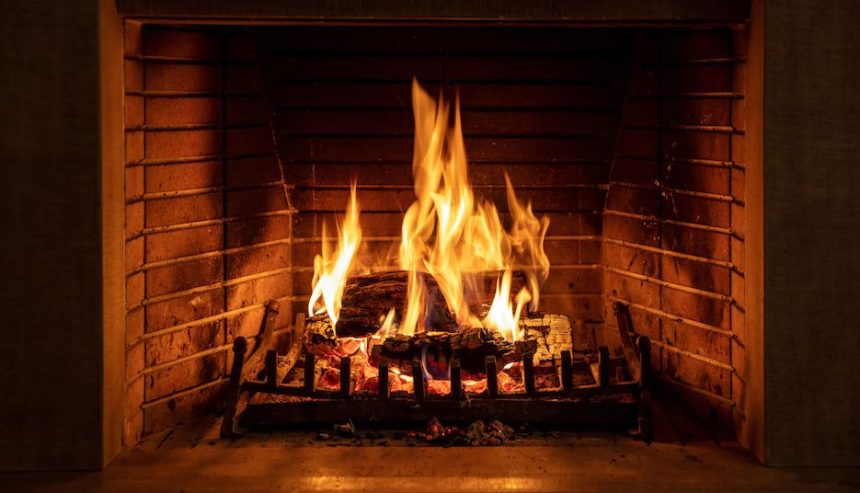
A cozy fire can quickly turn hazardous if chimneys aren’t cleaned or if embers escape. Creosote buildup inside chimneys is one of the most common holiday fire hazards.
Before the season starts, always have your chimney professionally inspected and cleaned. Use a fireplace screen to prevent sparks, and thoroughly extinguish the fire before going to bed.
Furnaces and HVAC systems
If your system hasn’t been serviced in years, electrical issues or overheating components could pose hidden fire risks. Regular maintenance keeps your system safe and efficient.
2. Holiday Decorations
The holiday season brings an explosion of lights, candles, wreaths, and trees. Unfortunately, these decorations can also create perfect conditions for accidental holiday fires.
Electrical overload from holiday lights
Plugging multiple light strands into a single outlet or using damaged cords dramatically increases the risk of electrical fires.
Tips to prevent danger:
- Inspect lights for frayed wires or broken bulbs
- Use power strips with surge protection
- Never use indoor lights outdoors
- Avoid overloading outlets or extension cords
Dry Christmas trees
If your family buys a real tree each year, extra precautions need to be taken. A dry tree can ignite in seconds, turning an entire room into an inferno in under a minute. Keeping a tree hydrated is essential.
Tree safety tips:
- Water your tree daily
- Keep it away from fireplaces and heat sources
- Turn off lights before leaving the house
Candles
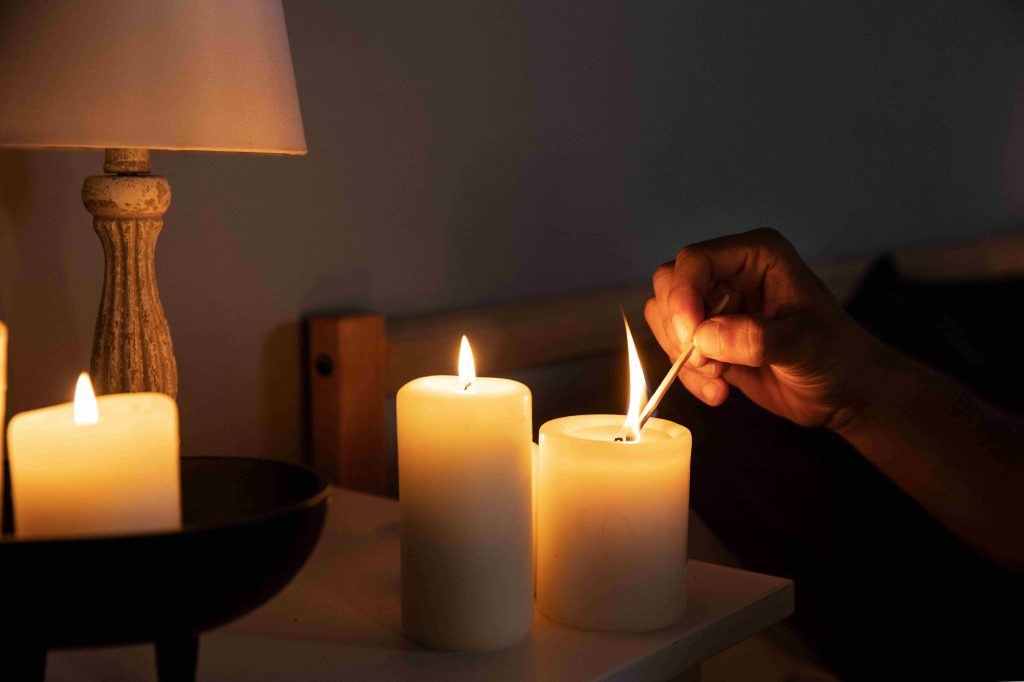
Candles are another common cause of holiday fires. Whether used for decoration, religious observance, or scent, candles can tip over or ignite nearby materials.
If you enjoy candlelight, consider switching to LED flameless candles. They match the holiday aesthetic without the fire risk.
3. Holiday Cooking
Cooking is the leading cause of home fires year-round, but the risk significantly increases during the holidays when families spend more time in the kitchen.
Why holiday cooking can be risky:
- Multiple dishes cooking at once
- Busy or distracted hosts
- Unattended stoves
- Hot oil and frying hazards
- Overcrowded kitchens
Steps to stay safe in the kitchen:
- Never leave cooking food unattended
- Keep a fire extinguisher easily accessible
- Avoid loose clothing near open flames
- Keep children and pets out of the cooking area
- If a grease fire starts, never use water. Cover the pan with a metal lid (never glass) and turn off the heat
4. Electrical Strain in Cold Weather
Cold temperatures put strain on electrical systems. More appliances run at the same time during winter. Heaters, lights, heated blankets, space heaters, holiday decorations can run constantly. Wiring and outlets face increased load during these colder months.
If your home has older wiring or frequently trips breakers, consider having a licensed electrician inspect your system. Electrical fires often start behind walls, making them especially dangerous.
5. Tips to Reduce Holiday Fire Risks
Preventing winter and holiday fires doesn’t require giving up the things you love. A few precautions go a long way:
Fire Safety Checklist
- Install and test smoke alarms on every level of your home
- Replace alarm batteries twice a year, and check them at least once a month
- Keep fire extinguishers in key areas (kitchen, garage, hallway)
- Create and practice a fire escape plan with family members
- Unplug unused appliances
- Dispose of fireplace ash safely. Always use a metal container
- Have heating equipment serviced annually
The key is awareness. When you recognize the risks, you can prevent them.
The holidays and winter months should be full of warmth. By understanding why the risk of holiday fires increase during this season and taking simple preventative steps, you can protect your home and enjoy the celebrations with confidence.
If a fire does occur, quick and professional cleanup is essential to minimize damage and restore your home safely. Fire and smoke residue can be hazardous, and attempting cleanup alone can make the damage worse.
For expert fire damage restoration, smoke cleanup, and emergency response, call us today at 219-800-7876. PuroClean of Schererville is here to help 24/7, even during the holidays.
 PuroClean of Schererville