


Table of Contents
Water damage restoration in Abington requires immediate professional response to prevent costly structural damage and mold growth. This comprehensive guide covers the three categories of water damage, emergency response protocols, the complete restoration process, prevention strategies, insurance navigation, and why DIY cleanup creates health hazards. Abington’s clay-rich soil, freeze-thaw cycles, and aging infrastructure create unique vulnerabilities that demand expert solutions. Professional restoration uses industrial equipment, moisture detection technology, and antimicrobial treatments to properly dry structures within 3-5 days, preventing the mold that develops within 24-48 hours of water exposure.
The Wake-Up Call No Homeowner Wants
Picture this; you walk into your basement on a quiet Tuesday morning, coffee in hand, only to find two inches of water covering your floor. Your heart sinks. Your mind races. What do you do first? Who do you call? How much will this cost?
Water damage doesn’t announce its arrival with fanfare. Whether it’s a burst pipe during a Pennsylvania winter freeze, a malfunctioning sump pump during spring thaw, or storm-related flooding, water damage restoration in Abington requires immediate action and expert knowledge. This comprehensive guide will walk you through everything you need to know about protecting your property, understanding the restoration process, and making informed decisions when disaster strikes.
Understanding Water Damage in Abington Homes
Abington, Pennsylvania, with its distinct seasonal weather patterns, presents unique challenges for property owners. The area experiences cold winters, humid summers, and significant precipitation throughout the year. These conditions create a perfect storm for water-related property issues.
Water damage restoration in Abington isn’t just about removing standing water. It’s a comprehensive process that addresses moisture infiltration, structural integrity, air quality, and long-term property protection. Understanding the local climate and construction types common in Abington helps restoration professionals develop targeted solutions.
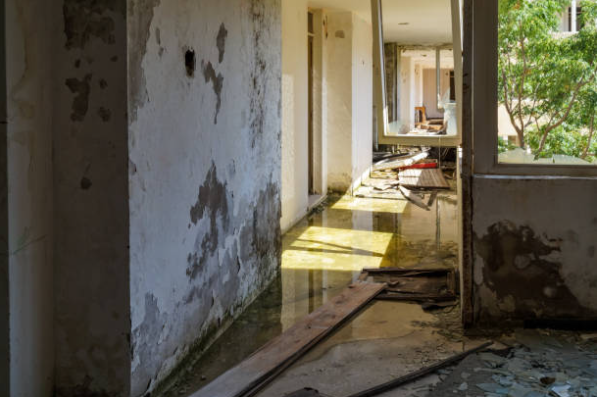
The soil composition in Montgomery County, where Abington is located, tends to have clay content that doesn’t drain quickly. This means that after heavy rainfall, water can pool around foundations, creating hydrostatic pressure that forces moisture through basement walls and floors. Older homes in Abington, many built before modern waterproofing standards, are particularly vulnerable.
The Three Categories of Water Damage You Need to Know
Not all water damage is created equal. The Institute of Inspection, Cleaning and Restoration Certification (IICRC) classifies water damage into three distinct categories based on contamination levels.
Category 1: Clean Water
Category 1 water originates from sanitary sources like supply lines, faucets, or rainwater that hasn’t mixed with contaminants. While this water starts clean, it won’t stay that way for long. Within 48 hours, clean water can deteriorate to Category 2 if not properly addressed. Examples include:
- Broken water supply lines
- Overflowing sinks or tubs
- Melting snow or ice
- Falling rainwater
Category 2: Gray Water
Gray water contains significant contamination and could cause discomfort or illness if consumed. This water has been used and may contain chemicals, microorganisms, or other contaminants. Sources include:
- Washing machine overflow
- Dishwasher leaks
- Toilet overflow with urine only
- Sump pump failures
Category 3: Black Water
Black water is grossly unsanitary and contains pathogenic agents. Contact with black water can cause severe illness or death. Professional water damage restoration in Abington services are absolutely essential for Category 3 situations. Sources include:
- Sewage backups
- Flooding from rivers or streams
- Toilet overflow with feces
- Standing water that has supported microbial growth
Understanding these categories helps you communicate effectively with restoration professionals and insurance adjusters. It also highlights why professional intervention is crucial; what starts as a Category 1 situation can quickly escalate.
Immediate Steps to Take When Water Damage Occurs
Time is your enemy when dealing with water damage. Every minute counts, and the actions you take in the first few hours can significantly impact the extent of damage and restoration costs.
Step 1: Ensure Safety First
Before entering any water-damaged area, assess the situation for safety hazards. If water has reached electrical outlets, appliances, or your electrical panel, do not enter the area. Contact your utility company to shut off power. Never assume water is clean; it may be contaminated even if it looks clear.
Step 2: Stop the Water Source
If possible and safe, stop the water at its source. This might mean turning off your main water supply, closing a valve to an appliance, or placing a bucket under a leak. For storm-related flooding or external water intrusion, this step may not be possible.
Step 3: Document Everything
Step 4: Contact Professionals Immediately
Take photos and videos of all affected areas before touching anything. Document water levels, damaged belongings, and structural issues. This documentation is crucial for insurance claims and will help restoration professionals assess the situation.
Water damage restoration in Abington requires professional expertise and specialized equipment. Contact a certified restoration company that offers 24/7 emergency services. The faster professionals arrive, the better your chances of minimizing damage.
Step 5: Remove Movable Items
If it’s safe, remove furniture, rugs, artwork, and personal belongings from the affected area. Move items to a dry location. The longer items remain in contact with water, the more likely they are to sustain permanent damage.
Step 6: Begin Air Circulation
Open windows and doors if weather permits. Turn on fans to promote air circulation. However, do not use your HVAC system until a professional has inspected it; you don’t want to spread contaminated air throughout your home.
For emergency water damage situations, professional response time is critical. Companies specializing in water damage restoration in Abington maintain teams ready to respond at any hour.
The Professional Water Damage Restoration Process
Professional restoration follows a systematic approach developed by industry organizations. Understanding this process helps property owners know what to expect and why each step matters.
Phase 1: Emergency Contact and Inspection
When you contact a restoration company, trained staff will ask specific questions about the water damage; the source, when it started, how much water is present, and what areas are affected. This information helps them arrive prepared with appropriate equipment.
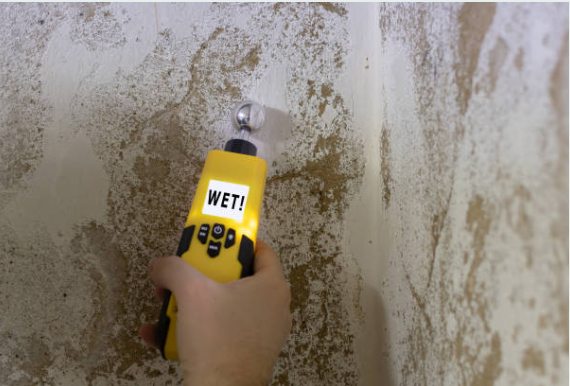
Upon arrival, technicians conduct a thorough inspection using advanced tools like moisture meters, infrared cameras, and hygrometers. They identify the water category, determine the extent of migration, and develop a restoration plan. This inspection also includes checking for safety hazards.
Phase 2: Water Removal and Extraction
Standing water must be removed quickly. Professionals use powerful pumps and truck-mounted vacuum units to extract thousands of gallons efficiently. Even after standing water is removed, substantial moisture remains in materials like carpet padding, drywall, and wood framing.
Phase 3: Drying and Dehumidification
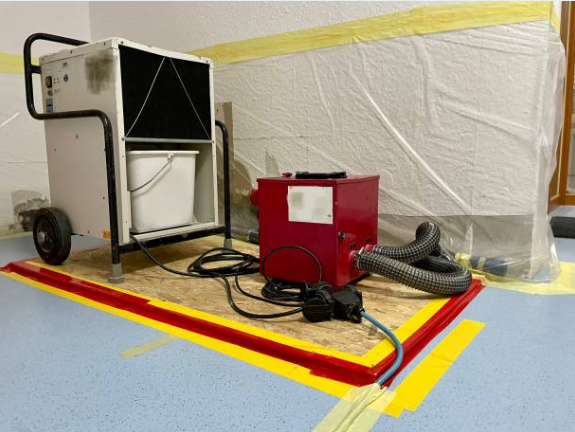
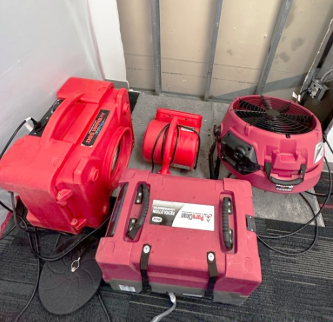
Technicians monitor moisture levels daily, adjusting equipment placement and settings. Different materials dry at different rates; hardwood floors, plaster walls, and concrete each require specific approaches. This phase typically takes three to five days but can extend longer for severe damage.
This phase is where expertise really matters. It’s not enough to simply run fans and hope for the best. Professional water damage restoration in Abington teams use industrial-grade dehumidifiers and air movers strategically placed based on psychrometric calculations.
Phase 4: Cleaning and Sanitizing
Once structural drying is complete, thorough cleaning and sanitization begin. This includes:
- Antimicrobial treatments for affected areas
- Cleaning and sanitizing salvageable belongings
- Air scrubbing to remove odors and airborne contaminants
- Carpet and upholstery cleaning
- Content pack-out services if needed
For situations involving sewage or contaminated water, specialized cleaning protocols and EPA-registered disinfectants are essential.
Phase 5: Restoration and Reconstruction
The final phase returns your property to pre-loss condition. Minor restoration might involve replacing drywall sections, installing new carpet, or repainting. Major restoration could include substantial reconstruction like rebuilding entire rooms, replacing flooring systems, or updating plumbing.
Many restoration companies, including those offering comprehensive water damage restoration in Abington, provide reconstruction services as part of their offerings, allowing you to work with a single trusted provider throughout the entire process.
Common Causes of Water Damage in Abington Properties
Understanding common causes helps property owners take preventive action. In Abington and surrounding Montgomery County areas, these are the leading culprits:
Plumbing Failures
Aging pipes, particularly in older Abington homes, can develop leaks or burst. Copper pipes installed before the 1970s are especially vulnerable to pinhole leaks. Polybutylene pipes, installed from the late 1970s through the mid-1990s, are notorious for failing. Supply line failures to washing machines, dishwashers, and water heaters also rank high.
Basement and Foundation Issues
Many Abington properties have basements that were finished without proper waterproofing. Hydrostatic pressure, foundation cracks, and inadequate drainage systems allow water infiltration during heavy rains or snow melt. Basement flooding is among the most common water damage scenarios in the region.
Roof Leaks and Ice Dams
Pennsylvania winters can be harsh. Ice dams form when heat escapes through the roof, melting snow that then refreezes at the eaves. This ice blocks proper drainage, forcing water under shingles and into the home. Missing shingles, damaged flashing, and aging roofs also create entry points for water.
HVAC and Appliance Malfunctions
Air conditioning systems produce condensation that must drain properly. Clogged drain lines can cause water to back up into your home. Hot water heaters, typically lasting 8-12 years, can develop leaks or fail catastrophically. Washing machines, dishwashers, and refrigerators with ice makers all have supply lines that can fail.
Sewer Backups
Municipal sewer line problems, tree root intrusion, or improper slope in your lateral line can cause sewage to back up into your home. This creates a Category 3 water damage scenario requiring immediate professional attention for proper cleanup and disinfection.
Storm and Flood Damage
While Abington isn’t in a high-risk flood zone, severe storms can overwhelm drainage systems. Flash flooding from intense rainfall, storm surge effects during major weather systems, and poor property grading can all lead to water intrusion.
How Quickly Does Water Damage Spread?
The speed at which water damage progresses often surprises property owners. Water doesn’t just sit where it lands; it migrates through porous materials, wicks up walls, and spreads along subfloors.
Within Minutes
Water quickly spreads throughout the area, saturating everything in its path. Furniture finishes may begin to bleed, causing permanent staining on carpets and upholstery. Photographs, books, and important documents start to swell and warp.
Within Hours
Drywall begins to swell and break down. Metal surfaces start to tarnish. Furniture swells, potentially cracking and causing permanent damage. Dyes and inks from textiles and papers spread, creating stains. Musty odors appear as moisture supports bacterial growth.
Within Days
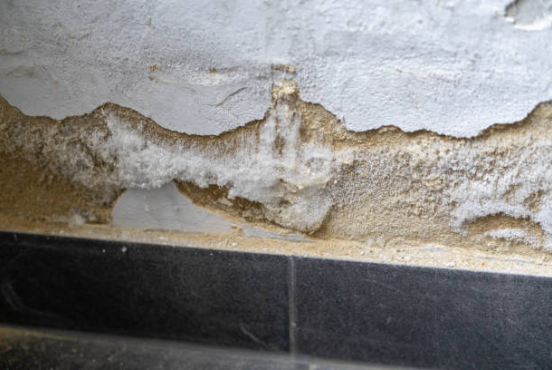
Mold and mildew growth begins; often within 24-48 hours in humid conditions common to Pennsylvania summers. Wood flooring swells and warps. Metal surfaces show serious corrosion. Drywall falls apart and requires replacement. Increased contamination makes professional water damage restoration in Abington essential rather than optional.
Within Weeks
Structural damage becomes apparent. Wood framing may warp or rot. Mold spreads extensively throughout the property. Health risks increase significantly. Restoration costs escalate dramatically. Some materials become unsalvageable.
This timeline underscores why immediate action is crucial. Every hour of delay increases damage severity and restoration costs. Professional water damage restoration in Abington services minimize this progression through rapid response and proper techniques.
Prevention Strategies for Abington Homeowners
While you can’t prevent all water damage scenarios, many common causes are preventable with regular maintenance and proactive measures.
Plumbing Maintenance
Schedule annual plumbing inspections to identify potential problems before they become emergencies. Know the location of your main water shut-off valve and ensure all family members can access and operate it. Consider installing water leak detection systems that alert you to moisture. Replace washing machine hoses every five years, upgrading to braided stainless steel versions.
Install water sensors near water heaters, under sinks, and near appliances. These inexpensive devices can alert you to leaks before significant damage occurs. For detailed strategies, review these 10 ways to prevent water damage that are particularly relevant for Pennsylvania homeowners.
Foundation and Basement Protection
Ensure proper grading around your foundation; the ground should slope away from your home. Keep gutters clean and extend downspouts at least six feet from your foundation. Consider installing a sump pump if you don’t have one, and maintain it regularly if you do.
Seal foundation cracks promptly. Even small cracks can allow significant water infiltration under the right conditions. Install a battery backup for your sump pump; power often fails during the severe storms that cause flooding.
Roof Maintenance
Inspect your roof annually, particularly after major storms. Replace missing or damaged shingles promptly. Ensure proper attic ventilation and insulation to prevent ice dams. Clean gutters at least twice yearly, more if you have trees nearby. Trim tree branches hanging over your roof.
Appliance Care
Replace water heater supply lines every five years. Inspect dishwasher and washing machine connections regularly. Never run these appliances when you’re away from home. Consider installing an automatic water shut-off system that detects unusual water flow patterns.
Seasonal Preparations
Before winter, disconnect outdoor hoses and shut off exterior water supply. Property damage during winter in Pennsylvania is common and often preventable. Insulate pipes in unheated areas. Keep your home heated to at least 55°F when away to prevent pipe freezing.
Understanding Insurance Coverage for Water Damage
Insurance coverage for water damage varies significantly based on the cause and your specific policy. Understanding your coverage before you need it prevents unpleasant surprises during an already stressful situation.
What’s Typically Covered
Most standard homeowners insurance policies cover water damage from sudden and accidental events like:
- Burst pipes
- Appliance malfunctions and overflows
- Roof leaks (if your roof is properly maintained)
- Accidental discharge from plumbing, heating, or air conditioning systems
- Weight of ice, snow, or sleet causing roof collapse
What’s Typically Not Covered
Standard policies generally exclude:
- Flood damage from external water sources
- Gradual leaks or maintenance issues
- Sewer backup (unless you purchase additional coverage)
- Water damage from neglect or lack of maintenance
- Mold growth beyond initial cleanup (limits often apply)
Additional Coverage Options
Consider these endorsements to enhance your protection:
Flood Insurance: Separate from homeowners insurance, flood coverage must be purchased through the National Flood Insurance Program (NFIP) or private insurers. Even properties outside high-risk flood zones benefit from this coverage.
Sewer and Drain Backup Coverage: This endorsement covers damage when sewage or drain water backs up into your home. Given Abington’s aging infrastructure in some areas, this coverage is worth considering.
Water Backup Coverage: Similar to sewer backup coverage, this protects against water damage from sump pump failure or other water backup scenarios.
Working with Your Insurance Company
When water damage occurs, notify your insurance company immediately. Many policies require prompt notification, and delays can jeopardize your claim. Professional restoration companies experienced in water damage restoration in Abington typically offer insurance assistance, helping you navigate the claims process, communicating with adjusters, and documenting damage properly.
Take extensive photos and videos before any cleanup begins. Keep all receipts for any immediate expenses like hotel stays if your home is uninhabitable. Understand your policy’s deductible and coverage limits. Don’t make permanent repairs until your insurance company has inspected the damage and approved your claim.
Choosing the Right Restoration Company
Not all restoration companies offer the same level of service, expertise, or reliability. Selecting the right partner can mean the difference between excellent restoration and ongoing problems.
Essential Qualifications
Look for companies with IICRC (Institute of Inspection, Cleaning and Restoration Certification) certification. This industry standard ensures technicians have received proper training. Verify the company is licensed, bonded, and insured. Check their experience with your specific type of water damage.
24/7 Emergency Response
Water damage doesn’t wait for business hours. Companies offering true 24/7 emergency response demonstrate commitment to customer service. Ask about their typical response time; the best companies arrive within hours, not days.

Comprehensive Services
The best restoration companies handle everything from initial emergency response through final reconstruction. This continuity ensures better outcomes and simplifies the process. Services should include:
- Water extraction and drying
- Mold remediation if needed
- Content cleaning and pack-out
- Structural repairs and reconstruction
- Direct insurance billing
- Project management and communication
Local Knowledge
Companies familiar with Abington’s specific challenges; its weather patterns, common construction types, and local building codes; provide better service. They understand how homes in your area are built and the typical water damage scenarios affecting the region.
Reputation and References
Check online reviews across multiple platforms. Ask for references from recent customers with similar damage. Contact the Better Business Bureau to verify the company’s standing. Look for companies that have earned industry recognition or awards.
For water damage restoration in Abington, companies should offer specialized programs that streamline the restoration process, provide clear protocols, and ensure cost-effective solutions. The Certified Priority Response program, for instance, helps property owners and insurance companies work together efficiently.
Communication and Transparency
Choose a company that communicates clearly about their process, timeline, and costs. They should provide detailed written estimates, explain each phase of restoration, and keep you informed throughout the project. Transparency about potential issues and costs prevents unpleasant surprises.
The Hidden Dangers of DIY Water Damage Cleanup
With water standing in your home, the temptation to start cleanup yourself is understandable. However, DIY water damage cleanup carries serious risks that often make the situation worse.
Health Hazards
Water in your home may contain contaminants you can’t see. Even clear water that looks clean can harbor bacteria, particularly if it’s been standing for hours. Category 2 and 3 water contain pathogens that cause serious illness. Without proper protective equipment and decontamination procedures, you risk exposure.
Electrical hazards are another concern. Water and electricity create deadly combinations. Standing water may be in contact with electrical outlets, wiring, or appliances that remain energized. Without proper safety protocols, DIY cleanup can be fatal.
Incomplete Drying
The moisture you can see is only part of the problem. Water migrates into wall cavities, under flooring, into insulation, and throughout porous materials. Without moisture meters, infrared cameras, and hygrometers, you can’t accurately assess moisture content.
Incomplete drying leads to mold growth, structural damage, and ongoing problems. Professional water damage restoration in Abington teams use specialized equipment to detect and address hidden moisture. What appears dry on the surface may still contain dangerous moisture levels inside materials.
Mold Development
Mold begins growing within 24-48 hours in damp conditions. Pennsylvania’s humid summers create ideal conditions for mold proliferation. Once established, mold spreads rapidly and is difficult to remediate. Professional restoration includes antimicrobial treatments and dehumidification strategies that prevent mold growth.
If mold does develop, proper mold remediation requires specialized techniques, containment procedures, and personal protective equipment. DIY mold cleanup often spreads spores throughout your home, making the problem worse.
Insurance Complications
Many insurance policies require professional mitigation efforts. DIY cleanup may void your coverage or reduce your settlement. Insurance adjusters look for evidence of proper mitigation; professional documentation, appropriate equipment, and industry-standard techniques. Without this documentation, you may face claim denial or reduction.
Inadequate Equipment
Consumer-grade equipment available at rental stores lacks the power and efficiency of professional equipment. Restoration companies use truck-mounted extraction units, industrial dehumidifiers, and high-velocity air movers that remove moisture far more effectively than consumer equipment.
Unknown Structural Damage
Water damages more than just visible surfaces. It compromises structural elements like floor joists, wall studs, and subfloors. Without professional assessment, hidden structural damage goes unaddressed, creating safety hazards and ongoing problems. Professional inspection identifies compromised materials that require replacement versus those that can be salvaged.
Conclusion
Water damage restoration in Abington requires swift action, professional expertise, and comprehensive solutions. From understanding the three categories of water damage to recognizing the importance of rapid response, every aspect of the restoration process matters. The unique climate and construction characteristics of Abington properties create specific challenges that experienced restoration professionals are equipped to handle.
Prevention through regular maintenance and proactive measures reduces your risk, but when water damage occurs, professional restoration is essential. The speed at which damage progresses, the health hazards involved, and the complexity of proper drying and restoration make DIY approaches risky and ultimately more expensive.
Choosing a qualified restoration company with 24/7 emergency response, comprehensive services, and local expertise ensures the best outcome. Companies offering specialized programs, insurance assistance, and clear communication make a stressful situation manageable.
Remember, every minute counts when water invades your property. The difference between minor damage and major reconstruction often comes down to response time and proper techniques. Whether you’re dealing with a burst pipe, basement flooding, or storm damage, professional water damage restoration in Abington services provide the expertise, equipment, and peace of mind you need during a property emergency.
For immediate assistance with water damage emergencies, contact PuroClean of Lansdale at (267) 834-5900 for 24/7 emergency response. Located at 2033 Lucon Rd, Bldg. Rear, Schwenksville, PA 19473, we serve Abington and all surrounding Montgomery County communities with certified, professional restoration services.
Have you checked your home for potential water damage risks? What preventive measures have you taken to protect your property?
Connect With Us
Stay informed about property protection, restoration tips, and emergency preparedness:
For directions and more information, visit our location.