


Table of Contents
Not all water damage announces itself with dramatic floods or obvious leaks. Sometimes the signs are subtle; a musty smell in your basement, a small stain on the ceiling, or slightly warped flooring. North Wales homeowners who ignore these warning signs often face exponentially higher repair costs and serious health hazards down the road.
The five critical signs requiring immediate water damage restoration in North Wales include: unexplained water stains or discoloration on walls and ceilings, persistent musty odors indicating hidden moisture or mold growth, warping or buckling of floors and baseboards, increased water bills suggesting hidden leaks, and visible mold growth on surfaces. Addressing these signs within 24-48 hours prevents structural damage and health risks while minimizing restoration costs.
Why North Wales Properties Face Unique Water Damage Risks
North Wales, Pennsylvania presents specific challenges that increase water damage vulnerability for residential and commercial properties. Understanding these local risk factors helps homeowners stay vigilant and recognize warning signs early.
The area’s geographic location within Montgomery County means properties experience the full range of Pennsylvania’s weather extremes. Heavy winter snowfall followed by spring thaws creates conditions where water infiltrates through roofs, foundations, and basement walls.
Many North Wales homes were built during different construction eras, from historic properties predating modern waterproofing techniques to newer constructions. Older homes often have outdated plumbing systems, inadequate drainage, and settling foundations that create entry points for water.
The local water table and soil composition affect basement moisture levels. Clay-heavy soils common in the area don’t drain well, keeping moisture pressed against foundation walls and increasing hydrostatic pressure that forces water through cracks and porous concrete.
Mature trees throughout North Wales neighborhoods provide beautiful shade but create risks. Root systems can infiltrate sewer lines and water supply pipes, causing breaks and backups. Falling branches during storms damage roofs, creating entry points for rain and snow.
Commercial properties face additional challenges. Multi-tenant buildings, retail spaces, and office complexes have complex plumbing systems where problems in one area quickly spread to others. HVAC systems, roof-mounted equipment, and flat commercial roofs create unique vulnerability points.
Understanding these local risk factors helps explain why certain warning signs appear and why professional assessment proves so valuable when you notice anything suspicious.
Sign 1: Unexplained Stains and Discoloration
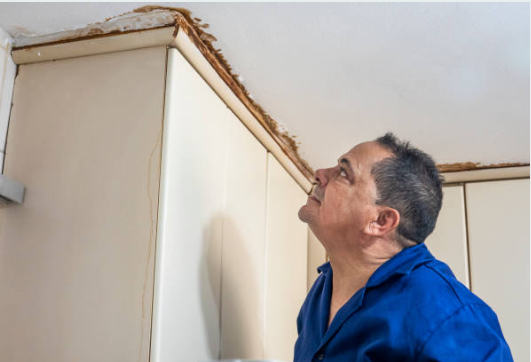
Water stains and discoloration represent one of the most visible yet frequently ignored warning signs. These marks tell important stories about hidden moisture problems that need immediate attention.
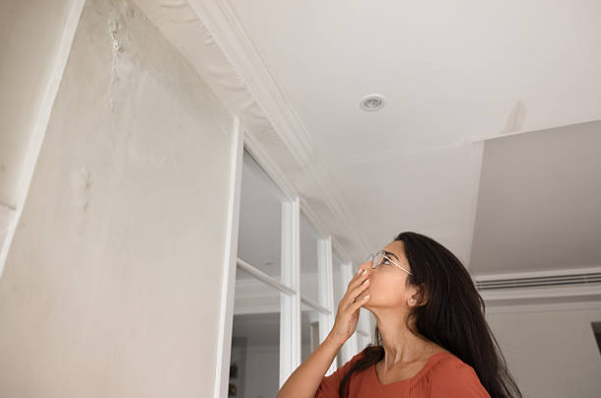
Ceiling stains typically indicate roof leaks, plumbing issues in upper floors, or HVAC system problems. Fresh water stains appear lighter, often brown or yellow. As moisture persists, stains darken and may develop rings showing where water spread during different leak events.
Wall stains near corners, windows, or along baseboards suggest water intrusion from outside or failed seals around openings. Stains that appear after rain clearly indicate exterior water penetration, while constant staining regardless of weather points to plumbing issues.
Discoloration isn’t always dramatic dark stains. Sometimes water damage appears as subtle color changes, slight bubbling in paint, or areas where paint looks newer or shinier than surrounding sections. These subtle signs often indicate slow, chronic leaks causing gradual damage.
Stain location provides clues about source and severity. Stains appearing in multiple rooms or following specific patterns indicate widespread problems requiring comprehensive investigation. Isolated stains might represent localized issues that are easier to address but still need prompt attention.
The size and growth rate of stains matter significantly. Stains that appeared small but keep expanding indicate active, ongoing leaks. Even if a stain hasn’t grown recently, the initial leak may have caused hidden damage within walls or above ceilings that continues deteriorating.
Water stains never improve on their own. That discoloration represents moisture that penetrated materials, and even if the leak stopped, absorbed moisture continues causing damage. Mold often grows behind visible stains, creating health hazards you can’t see.
Many homeowners paint over stains hoping to hide the problem. This approach fails because moisture continues damaging materials beneath paint, often causing new stains to bleed through. More importantly, covering stains without addressing their cause allows underlying problems to worsen substantially.
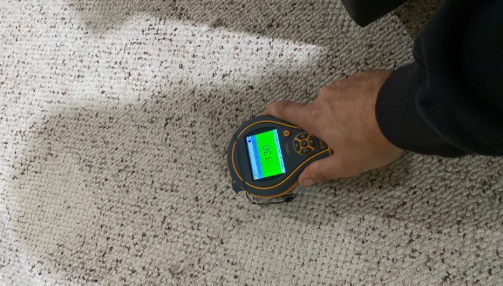
Professional restoration companies use moisture meters and thermal imaging to investigate stains properly. These tools reveal the full extent of moisture damage, including areas where water traveled far from the visible stain location.
Our team regularly addresses these situations throughout the region. Similar challenges affect properties needing water damage restoration in Harleysville, where early detection makes all the difference.
Sign 2: Persistent Musty or Moldy Odors
Your nose knows when something’s wrong. Persistent musty odors indicate moisture problems even when you can’t see visible damage. This warning sign deserves immediate attention because it often signals hidden mold growth.
Musty smells result from microbial volatile organic compounds (MVOCs) that mold and mildew release as they grow. These odors are distinctively earthy, similar to old books, wet socks, or rotting wood. Once you’ve smelled mold, you’ll recognize it immediately in the future.
The smell intensity doesn’t necessarily correlate with problem severity. Strong odors might come from small but active mold colonies, while milder smells could indicate larger but slower-growing problems. Location matters more than intensity when assessing urgency.
Basement odors are particularly common in North Wales homes given local soil conditions and older construction methods. However, never assume basement mustiness is “normal” or acceptable. Any persistent odor indicates moisture levels supporting microbial growth.
Seasonal odors that appear during humid summer months or after spring rains suggest moisture control problems. Proper ventilation, dehumidification, and waterproofing should prevent odors regardless of weather conditions.
Odors appearing after using specific appliances point to those systems as moisture sources. Smells after showers indicate bathroom ventilation problems. Odors when running washing machines might reveal drain issues or appliance leaks.
Room-specific odors help narrow problem locations. Smells concentrated near exterior walls suggest water intrusion from outside. Odors strongest near plumbing suggest pipe leaks or drain problems.
Some homeowners try masking odors with air fresheners, candles, or deodorizers. This approach provides temporary relief but doesn’t address underlying moisture and mold problems. In fact, covering odors may delay recognition of worsening conditions.
Health symptoms accompanying odors require urgent attention. Respiratory irritation, headaches, or allergy-like symptoms when spending time in certain rooms suggest mold exposure. Vulnerable populations including children, elderly individuals, and those with respiratory conditions face particular risk.
Professional mold inspection identifies sources and extent of growth. Inspectors check hidden areas; behind walls, under flooring, above ceilings, in crawl spaces, and within HVAC systems. Proper inspection reveals what superficial examination misses.
Addressing odors means addressing moisture sources. Simply removing visible mold without fixing leaks or controlling humidity leads to recurring problems. Comprehensive solutions require identifying all moisture sources and implementing proper controls.
Understanding professional mold removal costs helps you budget for proper solutions rather than inadequate quick fixes.
Sign 3: Warping, Buckling, or Sagging Surfaces
Materials respond to moisture absorption through visible physical changes. Warping, buckling, sagging, and similar deformities indicate serious water damage that demands immediate professional assessment.
Wood flooring telegraphs moisture problems clearly. Boards may cup (edges higher than centers), crown (centers higher than edges), or buckle (separating from subfloor). These conditions indicate the wood absorbed significant moisture and expanded beyond its normal dimensions.
Laminate and engineered flooring respond differently but still visibly. These materials may separate at seams, show bubbling or raised areas, or completely delaminate with upper layers separating from core materials.
Baseboards that pull away from walls, appear swollen, or show separation between pieces indicate moisture intrusion along floor lines. This often results from water wicking up walls from foundation issues or traveling along floor surfaces during flooding events.
Drywall responds to moisture through warping, sagging, or bubbling. Walls may bow outward, ceilings may sag between joists, and painted or wallpapered surfaces may bubble or peel. Severely water-damaged drywall loses structural integrity completely.
Doors and windows that suddenly stick, won’t close properly, or require forcing indicate swelling of wooden frames from moisture absorption. This sign particularly suggests chronic moisture problems since wood needs sustained exposure to swell significantly.
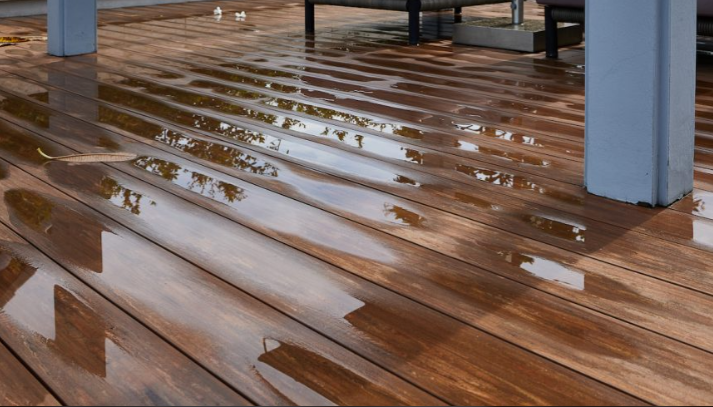
Cabinetry showing warping, separation of joints, or delamination of particle board components reveals exposure to moisture. Kitchen and bathroom cabinets face particular risk given proximity to water sources and humidity.
Structural elements showing sagging require immediate evaluation. Sagging floors, load-bearing walls that appear to lean, or ceiling joists that visibly droop indicate serious structural compromise from long-term moisture exposure.
The progression of warping provides urgency clues. Rapidly developing warping indicates active ongoing leaks requiring immediate attention. Slow development suggests chronic moisture problems that may have caused extensive hidden damage.
Many physical deformities won’t reverse even after moisture issues get fixed. Wood that has cupped or buckled typically requires replacement. Drywall that has sagged usually needs removal and replacement. This reality underscores why early detection and intervention prove so cost-effective.
Temperature changes can cause minor material expansion and contraction, so seasonal slight shifting isn’t always concerning. However, significant warping, dramatic changes, or deformities that persist and worsen clearly indicate moisture problems.
Professional assessment determines whether warping indicates isolated issues or symptomatic of larger problems. Technicians investigate underlying causes, check for hidden damage, and develop comprehensive remediation plans.
Sign 4: Unusually High Water Bills
Your water bill provides early warning of hidden leaks that might not yet show visible damage signs. Unexplained increases in water consumption often indicate problems requiring investigation and potentially full water damage restoration.
Establish your baseline by tracking water bills over several months. Understanding normal seasonal variations helps you recognize when consumption spikes abnormally. Most households show fairly consistent usage patterns once you account for seasonal lawn watering and guest visits.
Dramatic sudden increases suggest significant leaks. A toilet with a failed flapper can waste hundreds of gallons daily. Burst pipes, failed water heaters, or broken supply lines cause even more dramatic consumption spikes.
Gradual increases over time might indicate developing problems. Small leaks that worsen slowly, corroding pipes that develop pinhole leaks, or failing seals around fixtures can increase water usage subtly before becoming obviously visible.
Compare your water usage to similar-sized households. Water companies often include this comparison on bills. If your consumption significantly exceeds comparable homes without explanation, investigation is warranted.
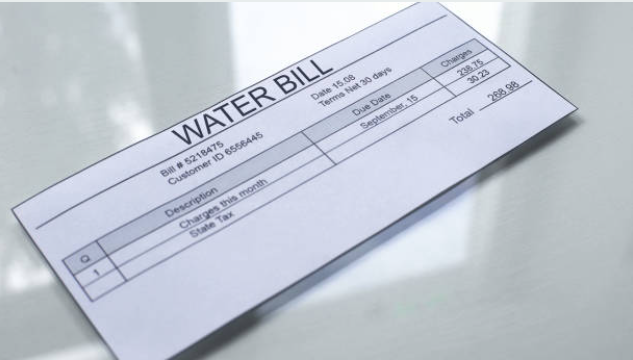
Some leaks occur after the water meter, meaning you pay for wasted water. Others occur before the meter in municipal supply lines, so while you won’t see higher bills, water still damages your property. Both scenarios require professional attention.
Testing for leaks involves several simple steps. Check your water meter reading, avoid using any water for several hours, then check the meter again. Any movement indicates water flowing somewhere in your system.
Listen for running water when no fixtures are in use. Hissing sounds, dripping noises, or the sound of rushing water indicate active leaks. Sometimes you can follow sounds to locate problems.
Check toilet flapper seals by adding food coloring to toilet tanks. If color appears in bowls without flushing, flappers are leaking and wasting water constantly.
Examine all visible plumbing under sinks, behind toilets, near water heaters, and around appliances. Look for dripping, moisture, corrosion, or water stains indicating active or recent leaks.
Outdoor water use often gets overlooked. Check hose connections, irrigation systems, and outdoor faucets for leaks. Underground irrigation line breaks can waste tremendous amounts of water without visible surface indication.
Professional leak detection uses acoustic sensors, thermal imaging, and tracer gas to locate hidden leaks within walls, under slabs, or buried underground. These technologies find problems before they cause catastrophic damage.
Addressing high water bills early prevents thousands in potential water damage costs. Small leaks caught early require simple repairs; ignored leaks lead to structural damage, mold growth, and expensive restoration.
Similar situations frequently require basement flooding cleanup services when undetected leaks finally become obvious through flooding events.
Sign 5: Visible Mold or Mildew Growth
Once mold becomes visible, you’re seeing only part of a larger problem. Surface mold indicates moisture conditions that likely support hidden growth throughout affected areas.
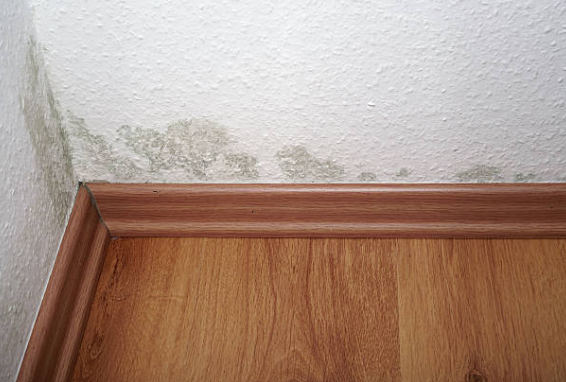
Mold appears in various colors and textures. Black, green, white, orange, or brown patches may show fuzzy, slimy, or powdery textures. Different mold species prefer different materials and moisture levels, so varied appearances don’t necessarily indicate multiple separate problems.
Common locations include bathroom ceilings and walls, basement surfaces, around windows, in closets against exterior walls, and behind furniture placed against outside walls. These areas share moisture accumulation from poor ventilation, condensation, or water intrusion.
Mildew typically appears as flat, powdery growth in grays or whites, while mold grows thicker and more varied. Both indicate excess moisture and require similar remediation approaches.
Surface cleaning removes visible growth but doesn’t address underlying problems. Mold killed on surfaces can still cause allergic reactions, and unless moisture sources get eliminated, mold regrows quickly.
Porous materials like drywall, ceiling tiles, and insulation can’t be effectively cleaned once mold penetrates. Professional remediation typically requires removing and replacing these materials to ensure complete elimination.
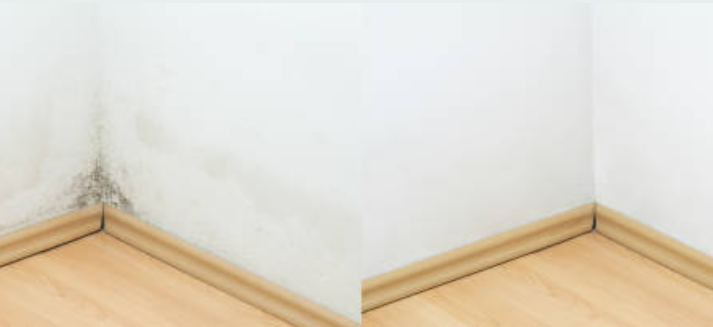
Health risks from mold exposure vary by individual sensitivity and exposure duration. Some people experience no symptoms, while others suffer respiratory problems, skin irritation, headaches, or severe allergic reactions. Immunocompromised individuals face particular danger.
Testing identifies specific mold species when needed. While testing isn’t always necessary, situations involving extensive growth, health symptoms, or litigation may warrant professional testing by certified industrial hygienists.
The presence of mold automatically indicates moisture problems. Successful remediation must address both the mold and the moisture source. Removing mold without fixing leaks or controlling humidity guarantees recurrence.
DIY mold removal works only for very small surface areas (less than 10 square feet) where moisture sources are obvious and easily fixed. Larger areas, hidden growth, or situations where moisture sources remain uncertain require professional remediation.
Professional mold remediation includes containment to prevent spore spread, HEPA filtration, removal of affected materials, antimicrobial treatments, and addressing moisture sources. This comprehensive approach prevents recurring problems.
Commercial properties face additional concerns regarding tenant health, liability, and business interruption. Commercial mold remediation requires specialized approaches and rapid response to minimize business impact.
The Hidden Dangers of Ignoring Water Damage Signs
Homeowners often rationalize ignoring warning signs, hoping problems resolve themselves or budget constraints justifying delay. Understanding the hidden dangers of this approach reveals why immediate action proves ultimately less expensive and safer.
Structural damage progresses silently behind walls and beneath floors. Water weakens wood framing, corrodes metal fasteners, and degrades concrete. By the time structural compromise becomes visible, damage has often reached severe levels requiring extensive expensive repairs.
Mold growth accelerates quickly once it begins. What starts as a small invisible colony can spread throughout a property within weeks under favorable moisture conditions. Airborne spores travel through HVAC systems, distributing contamination far beyond initial growth areas.
Health risks increase with exposure duration and mold quantity. Respiratory problems, infections, allergic reactions, and asthma exacerbation all correlate with mold exposure. Young children, elderly individuals, and those with compromised immune systems face heightened vulnerability.
Electrical hazards develop as water infiltrates wiring, outlets, and junction boxes. Water and electricity combine dangerously, creating shock and fire risks. Seemingly minor leaks can cause major electrical problems if moisture reaches electrical systems.
Pest infestations often follow water damage. Termites, carpenter ants, and other wood-destroying insects are attracted to moisture-damaged wood. Rodents seek water sources and easily access properties through water-damaged structures with gaps and holes.
Property value impacts extend beyond immediate repair costs. Undisclosed water damage creates legal liability when selling properties. Even after remediation, properties with water damage history may face higher insurance premiums and reduced marketability.
Insurance complications arise from delayed reporting or inadequate temporary repairs. Many policies require prompt notification of damage and reasonable efforts to prevent damage progression. Delayed reporting may result in claim denials.
Restoration costs escalate dramatically with time. Water damage caught within hours may require only extraction and drying. The same situation ignored for days or weeks may require mold remediation, structural repairs, and complete reconstruction.
The stress and disruption of emergency repairs far exceed planned maintenance. Addressing problems at your convenience proves far easier than dealing with catastrophic failures requiring emergency response and temporary relocation.
Winter damage risks compound when water penetration allows freezing within structures. Ice formation can burst pipes, crack foundations, and cause dramatic structural damage during subsequent thaw cycles.
Understanding these dangers motivates appropriate urgency when warning signs appear. What seems like minor inconvenience today can become catastrophic problem tomorrow. Early intervention consistently proves the wisest financial and health decision.
How Professional Water Damage Assessment Works
Professional assessment provides comprehensive understanding of water damage extent, sources, and appropriate remediation approaches. This systematic evaluation ensures nothing gets overlooked and restoration addresses all issues.
Initial contact typically occurs through emergency hotline calls. Restoration specialists gather preliminary information about symptoms, duration, and immediate safety concerns during phone intake.
On-site arrival usually occurs within 60-90 minutes for emergency calls. Technicians arrive with moisture detection equipment, documentation tools, and initial assessment supplies.
Safety evaluation comes first. Technicians check for electrical hazards, structural instability, contaminated water, and other immediate dangers. They establish safe working conditions before proceeding with detailed assessment.
Visual inspection covers all affected and potentially affected areas. Technicians look beyond obvious damage to identify where water may have traveled through structures. Experience guides them to check common problem areas specific to property types and damage scenarios.
Moisture mapping uses specialized equipment to detect and measure moisture in various materials. Moisture meters provide precise readings of water content in wood, drywall, concrete, and other materials. Thermal imaging cameras reveal temperature differences indicating moisture presence behind surfaces.
Documentation includes photographs, detailed notes, moisture measurements, and video when appropriate. This evidence supports insurance claims and provides baseline measurements for tracking restoration progress.
Water source identification determines whether damage involves clean water, gray water, or contaminated black water. This classification dictates safety protocols, cleaning requirements, and disposal procedures.
Damage classification assesses severity using industry standards. Class 1 indicates minimal absorption affecting part of a room, while Class 4 involves specialty drying situations with deep saturation of materials.
Scope development outlines necessary restoration steps, estimated timelines, and projected costs. This detailed plan helps property owners understand what to expect and make informed decisions.
Testing may include mold sampling, water quality analysis, or structural evaluation depending on specific circumstances. Professional judgment determines when additional testing adds value to assessment.
Client consultation ensures property owners understand findings and recommendations. Technicians explain technical information clearly, answer questions thoroughly, and address concerns respectfully.
Written estimates document all findings and proposed work. Detailed estimates prevent misunderstandings and provide transparency throughout the restoration process.
Similar thorough approaches benefit all restoration situations. Whether addressing emergency water damage mitigation or planned remediation projects, comprehensive assessment ensures appropriate solutions.
What to Do When You Notice Warning Signs
Recognizing warning signs means nothing without appropriate response. Taking correct immediate action minimizes damage, reduces costs, and protects health.
First, identify and stop water sources if possible and safe. Shut off water supply to leaking fixtures, close main water valves if necessary, and move valuable items away from affected areas.
Document everything immediately through photographs and videos. Capture damage from multiple angles, include close-ups of specific problems, and timestamp documentation. This evidence proves invaluable for insurance claims.
Contact professional restoration services immediately, even if damage seems minor. Early professional assessment often reveals hidden problems and prevents small issues from becoming catastrophic.
Call your insurance company promptly to report damage. Many policies require notification within specific timeframes. Provide documented evidence and explain circumstances clearly.
Begin limited emergency mitigation if safe and appropriate. This might include wiping up standing water with towels, moving furniture to dry areas, or opening windows for ventilation in appropriate weather.
Avoid extensive cleanup before professional assessment. Disturbing damage scenes may complicate insurance claims or prevent proper damage evaluation. Limited emergency mitigation is appropriate, but major cleaning should wait for professional guidance.
Monitor affected areas for changes. Note whether stains expand, odors intensify, or new symptoms appear. This information helps professionals understand problem progression.
Maintain detailed records of all actions taken, communication with insurance companies, and expenses incurred. Keep receipts for emergency supplies, temporary repairs, or accommodations if necessary.
Don’t ignore apparently small problems hoping they’ll resolve. Water damage never improves without intervention and almost always worsens over time.
Avoid DIY repairs beyond emergency mitigation. Well-intentioned efforts often complicate professional restoration or void warranties on proper remediation work.
Understand that visible damage represents only part of the problem. Hidden moisture and structural damage require professional equipment and expertise to detect and address properly.
Research restoration companies before emergencies occur. Knowing who to call during crises reduces stress and ensures you contact qualified professionals rather than making panicked poor choices.
For North Wales residents, keeping contact information readily available makes emergency response faster. Store our emergency number (267) 834-5900 where you can quickly access it during crises.
Emergency Response: First Steps Before Help Arrives
The time between noticing water damage and professional arrival offers opportunities to minimize damage through appropriate emergency actions. Understanding what to do and, equally important, what not to do protects your property and safety.
Safety absolutely comes first. Never enter flooded areas with electrical power active. Standing water conducts electricity and creates severe shock hazards. Turn off power at circuit breakers if you can do so safely without entering water.
Shut off water supply if leaks continue. Main shut-off valves typically locate near water meters or where supply lines enter properties. Know your valve location before emergencies occur.
Remove standing water carefully using mops, towels, or wet-dry vacuums rated for water extraction. Work from edges toward centers, wringing out materials frequently. This limited extraction prevents water from spreading but isn’t substitute for professional extraction.
Move furniture and belongings to dry areas when possible. Elevate wooden furniture legs using aluminum foil or plastic blocks to prevent moisture absorption. Remove items from wet floors to prevent staining and wicking.
Open windows and doors if weather permits to increase ventilation and begin drying. Avoid this during humid conditions when outside air contains more moisture than inside air.
Use household fans to circulate air across wet surfaces. Position fans to blow across floors and walls rather than directly at them. This promotes evaporation without forcing water deeper into materials.
Remove area rugs, decorative items, and loose furnishings from affected areas. Hanging wet rugs and fabrics allows air circulation and prevents damage to flooring beneath.
Avoid using heat to accelerate drying. Excessive heat can warp materials, crack finishes, and actually trap moisture in some materials. Controlled gentle airflow proves more effective than heat.
Don’t use household vacuum cleaners for water extraction unless specifically rated for wet pickup. Regular vacuums risk electrical shock and mechanical damage when used on water.
Place moisture-absorbing materials like towels around leak perimeters to prevent spreading. Change these out frequently as they become saturated.
Take additional photographs documenting your emergency mitigation efforts. This shows insurance companies you took reasonable steps to prevent damage progression.
Avoid extensive demolition or material removal before professional assessment. What appears damaged beyond repair might actually be salvageable with proper treatment. Premature disposal increases restoration costs and may complicate insurance claims.
Keep children and pets away from affected areas. Water damage creates hazards from slipping, electrical risks, and potential contamination.
Don’t delay calling professionals while attempting DIY mitigation. Simultaneous emergency response; you starting immediate mitigation while professionals respond, produces optimal results.
Understanding sink overflow causes and similar common water damage scenarios helps you respond appropriately to specific situations.
Long-Term Prevention Strategies for North Wales Homes
Prevention beats restoration every time. Implementing comprehensive prevention strategies protects North Wales properties from water damage while preserving value and avoiding disruption.
Regular maintenance prevents many common water damage causes. Schedule annual professional inspections of roofing, plumbing, and drainage systems. Small repairs performed preventively cost far less than emergency restoration.
Roof maintenance includes clearing gutters and downspouts seasonally, inspecting shingles for damage or aging, checking flashing around chimneys and vents, and ensuring proper attic ventilation. Well-maintained roofs shed water effectively rather than allowing penetration.
Plumbing system care involves inspecting visible pipes for corrosion or leaks, replacing washing machine hoses every five years, checking water heater condition and replacing aging units, testing sump pumps regularly, and insulating pipes in unheated areas.
Foundation waterproofing protects basements from moisture intrusion. This includes ensuring proper grading slopes away from foundations, extending downspouts far from structures, sealing foundation cracks promptly, and installing interior or exterior waterproofing systems in problem areas.
Indoor humidity control prevents condensation and moisture accumulation. Use bathroom exhaust fans during and after showers, vent dryers properly to exterior, run dehumidifiers in damp basements, and maintain HVAC systems to control whole-house humidity levels.
Appliance upgrades prevent failures. Replace aging water heaters before they fail catastrophically, install water leak detection systems, upgrade to high-efficiency appliances with overflow protection, and consider whole-house water shut-off systems.
Landscaping impacts water management significantly. Plant trees away from sewer and water lines, maintain proper grading around foundations, install French drains in problem areas, and avoid overwatering lawns adjacent to structures.
Winterization prevents freeze damage. Insulate pipes in unheated areas, disconnect and drain outdoor hoses, insulate outdoor faucets, and maintain adequate heating during cold weather even when away.
Insurance review ensures adequate coverage. Understand policy limits, exclusions, and requirements. Consider flood insurance if appropriate. Document property conditions and valuable possessions for claims purposes.
Emergency planning includes knowing shut-off valve locations, maintaining emergency contact lists, keeping basic mitigation supplies available, and understanding appropriate responses to common water damage scenarios.
Educational awareness helps recognize warning signs early. Understand how your specific property’s age, construction, and location create unique vulnerabilities. Stay alert to subtle changes indicating developing problems.
Professional partnerships provide resources when needed. Establishing relationships with qualified restoration companies, plumbers, and contractors before emergencies ensures quick appropriate response when problems occur.
Technology offers advanced monitoring options. Smart home water sensors detect leaks immediately, automatic shut-off systems prevent major damage, and monitoring services provide alerts to smartphones when problems develop.
Seasonal preparation addresses specific timeframe risks. Prepare for spring thaws, summer humidity, fall leaf accumulation in gutters, and winter freezing through appropriate preventive actions.
Learning from past problems prevents recurrence. If you’ve experienced water damage, understand what caused it and implement specific measures preventing similar future events.
Regional resources provide support and information. Local building departments, extension services, and restoration professionals offer guidance specific to North Wales conditions and challenges.
Understanding property damage risks during winter helps you prepare for seasonal challenges specific to our climate.
Conclusion
Recognizing the five critical warning signs of water damage; unexplained stains, musty odors, warping surfaces, high water bills, and visible mold, empowers North Wales property owners to act before minor problems become catastrophic disasters.
Water damage rarely announces itself dramatically. More often, subtle signs provide early warning opportunities. Homeowners who stay alert, understand what to look for, and respond appropriately save thousands in restoration costs while protecting property value and family health.
Professional assessment proves invaluable even when damage appears minor. Advanced detection equipment reveals hidden problems, comprehensive evaluation ensures nothing gets overlooked, and expert guidance provides appropriate solutions rather than temporary fixes.
Speed matters tremendously in water damage situations. The difference between simple extraction and extensive reconstruction often comes down to hours, not days. Immediate professional response when warning signs appear produces optimal outcomes.
Prevention strategies significantly reduce water damage risk. Regular maintenance, appropriate upgrades, humidity control, and vigilant monitoring catch problems early or prevent them entirely. The investment in prevention pales compared to restoration costs.
Emergency preparedness reduces stress during crises. Knowing appropriate first responses, having professional contacts readily available, and understanding insurance processes helps you navigate disasters effectively.
At PuroClean of Lansdale, we’ve served North Wales and surrounding Montgomery County communities with dedication to technical excellence and genuine care for every property owner we help. Our 24/7 emergency response, certified technicians, and comprehensive services ensure your property receives proper care when water damage strikes.
Our convenient location at 2033 Lucon Rd, Bldg. Rear, Schwenksville, PA 19473 allows rapid response throughout the service area. Call our emergency hotline anytime at (267) 834-5900 for immediate assistance.
Whether you’re experiencing obvious water damage or simply noticing subtle warning signs, professional evaluation provides peace of mind and protects your investment. Don’t wait for minor problems to become major catastrophes.
Stay connected with us through Instagram, Facebook, LinkedIn, and Twitter for ongoing tips, seasonal preparation guidance, and educational content about protecting your property.
Visit our location on Google Maps to find us easily and read reviews from satisfied clients throughout our service area.
Don’t let water damage warning signs go unaddressed; contact PuroClean of Lansdale today at (267) 834-5900 for immediate professional assessment and protect your North Wales property from costly, dangerous water damage progression.