

Table of Contents
Water damage restoration in Schwenksville requires immediate action and professional expertise. This comprehensive guide reveals seven critical steps to effectively restore your property after water damage; from emergency response within the first 24 hours to complete reconstruction. Whether you’re dealing with burst pipes, flooding, or storm damage, understanding this process can save you thousands of dollars and prevent long-term structural issues. PuroClean of Lansdale serves Schwenksville and surrounding areas with 24/7 emergency response, certified technicians, and proven restoration methods.
Understanding Water Damage in Schwenksville
Water damage restoration in Schwenksville presents unique challenges due to the area’s geographic location and weather patterns. Nestled in Montgomery County, Pennsylvania, Schwenksville experiences diverse weather conditions throughout the year; from heavy spring rains to winter freeze-thaw cycles that can wreak havoc on residential and commercial properties.
The Perkiomen Creek runs through nearby areas, making flooding a real concern during severe weather events. Homes built in different eras feature varying construction methods, from historic properties with stone foundations to modern builds with advanced waterproofing. Each requires specialized knowledge for effective water damage restoration.
Property owners in Schwenksville face water damage from multiple sources. Burst pipes during harsh winters, basement flooding from heavy rainfall, appliance malfunctions, and roof leaks from aging shingles all contribute to the need for professional restoration services. Understanding these local factors helps property owners respond appropriately when disaster strikes.
The impact of water damage extends beyond visible wetness. Within 24 hours, moisture begins promoting mold growth, weakening drywall, and damaging wooden structures. Within 48 hours, serious deterioration accelerates, and within a week, structural integrity becomes compromised. This timeline makes professional water damage restoration services near me essential for Schwenksville residents.
Why Immediate Response Matters
Time is the enemy when dealing with water damage. Every minute counts in preventing secondary damage that can exponentially increase restoration costs. Professional restoration specialists understand this urgency and maintain 24/7 availability to respond to emergencies throughout Schwenksville and surrounding communities.
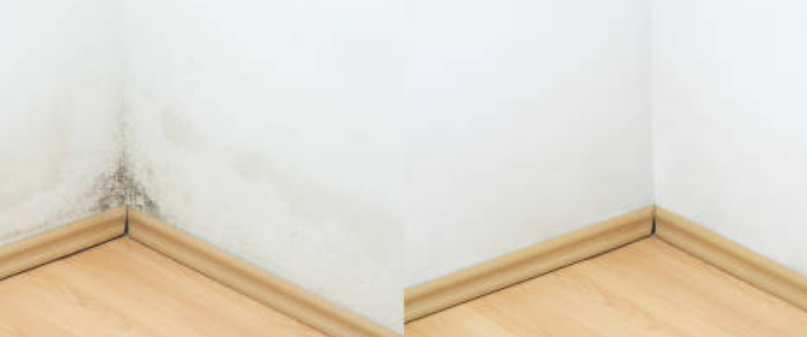
Immediate response prevents mold colonization. Mold spores exist everywhere, but they need moisture to grow. Once water saturates building materials, mold can establish colonies within 24 to 48 hours. These colonies spread rapidly, releasing spores that compromise indoor air quality and create health hazards for occupants.
Quick action also minimizes structural damage. Wood warps, drywall crumbles, and metal corrodes when exposed to prolonged moisture. Flooring materials, especially hardwood and laminate, become permanently damaged if not dried within the first crucial hours. Electronics and personal belongings also face irreversible harm from water exposure.
Insurance coverage often depends on prompt action. Most homeowners insurance policies require policyholders to mitigate damage immediately. Delays in contacting water damage restoration Lansdale professionals or beginning the drying process can give insurance companies grounds to deny claims or reduce payouts.
At PuroClean of Lansdale, we maintain rapid response teams ready to deploy to Schwenksville properties within hours of your call at (267) 834-5900. Our Certified Priority Response (CPR) Program ensures your emergency receives the attention it deserves.
Step 1: Emergency Contact and Initial Assessment
The restoration process begins the moment you discover water damage. Your first action should be ensuring everyone’s safety. If water levels pose drowning risks or if electrical hazards exist, evacuate immediately and call emergency services before contacting restoration specialists.
Once safety is assured, document the damage. Take photos and videos from multiple angles, capturing water levels, affected areas, and damaged belongings. This documentation proves invaluable for insurance claims and helps restoration specialists prepare appropriate equipment before arrival.
Contact a professional water damage restoration service provider immediately. When you call PuroClean of Lansdale, our trained specialists ask targeted questions to assess the situation. We determine the water source, estimate affected areas, and identify any immediate hazards. This information allows our team to arrive prepared with necessary equipment and expertise.
During the initial on-site assessment, certified technicians conduct comprehensive inspections. We use moisture meters, thermal imaging cameras, and other specialized equipment to identify all affected areas, including hidden moisture in walls, under flooring, and within structural cavities. Many property owners discover water damage extends far beyond visible wet spots.
The assessment categorizes water damage into three types. Category 1 involves clean water from sources like broken supply lines. Category 2 contains contaminants and comes from sources like washing machine overflows. Category 3, also called black water, contains harmful bacteria and sewage. Each category requires different restoration approaches and safety protocols.
Our team develops a detailed restoration plan during this initial assessment. We outline required equipment, estimated timelines, and projected costs. This transparency helps property owners make informed decisions and sets realistic expectations for the restoration process. We also coordinate with insurance adjusters to streamline claims processing.
Step 2: Water Extraction and Removal
Water extraction represents the most critical immediate action in the restoration process. Standing water continues causing damage every moment it remains, so rapid removal is essential. Professional restoration specialists use industrial-grade pumps and vacuums designed to handle large water volumes efficiently.
Truck-mounted extraction units provide the most powerful water removal capability. These systems can remove thousands of gallons per hour, making them ideal for significant flooding situations. Portable extraction units supplement truck-mounted systems, accessing tight spaces and upper floors where larger equipment cannot reach.
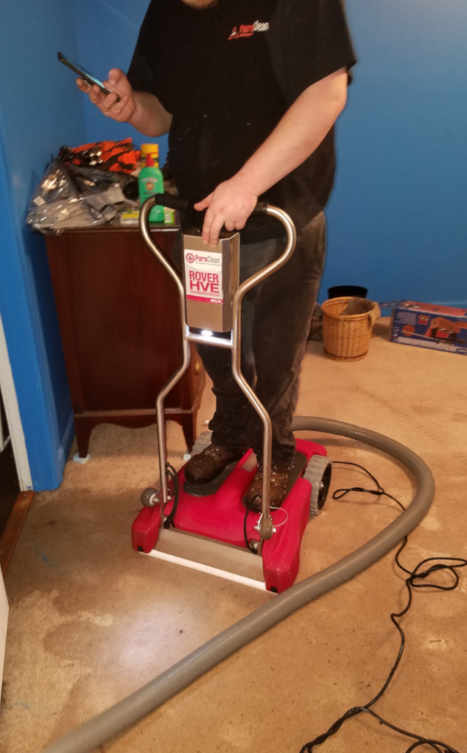
The extraction process follows a systematic approach. Technicians start with standing water removal, working from lowest to highest points to prevent water migration. We extract water from carpets, padding, and other porous materials separately, as these items retain massive amounts of moisture even after surface water disappears.
Different flooring types require specialized extraction techniques. Hardwood floors need careful handling to prevent further damage while removing trapped moisture. Tile and concrete floors often hide water in subflooring and joints. Carpet extraction involves removing both surface water and moisture trapped in padding and backing materials.
Complete water removal extends beyond visible areas. Water migrates through building materials, following gravity and capillary action into walls, crawl spaces, and structural cavities. Technicians use moisture meters to verify extraction success, ensuring no hidden water pockets remain to cause future problems.
After extraction, technicians inspect for additional water sources. A restoration effort proves futile if the water source continues flowing. We identify and stop ongoing leaks, whether from burst pipes, roof damage, or compromised building envelopes. Only then can effective drying begin.
Similar challenges exist throughout Montgomery County, which is why our team also provides water damage restoration in Fort Washington and nearby communities using the same proven extraction methods.
Step 3: Drying and Dehumidification Process
Drying represents the longest phase of water damage restoration in Schwenksville, typically requiring three to five days depending on damage severity. Professional-grade air movers and dehumidifiers work continuously to remove moisture from building materials and return the property to safe humidity levels.
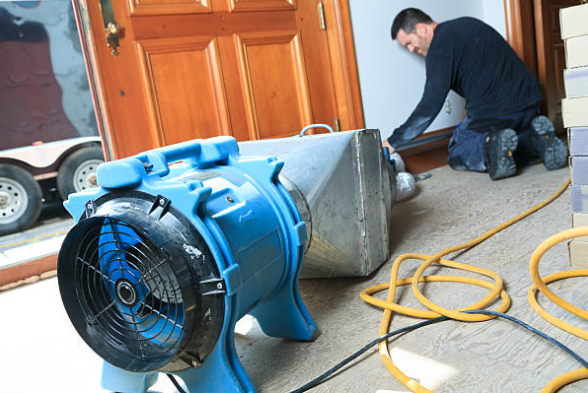
Air movers, commonly called blowers or fans, create powerful airflow across wet surfaces. Strategic placement accelerates evaporation by constantly replacing humid air with drier air. Technicians position dozens of air movers throughout affected areas, angling them to maximize drying efficiency without causing additional damage.
Dehumidifiers extract moisture from the air, preventing it from reabsorbing into building materials. Two primary dehumidifier types serve different purposes. Refrigerant dehumidifiers work efficiently in warm conditions, while desiccant dehumidifiers excel in cooler environments or when extremely low humidity levels are required.
The drying process requires continuous monitoring. Technicians visit properties daily, sometimes multiple times per day, to check moisture readings and adjust equipment. We move air movers to different positions, add or remove dehumidifiers, and verify progress using moisture meters and thermal imaging.
Different materials dry at different rates. Drywall typically dries within three to four days with proper equipment. Hardwood floors may require a week or more, depending on wood species and finish type. Concrete and masonry dry slowest, sometimes needing several weeks for complete moisture removal from thick slabs.
Environmental conditions affect drying times. Temperature, humidity, and air circulation all play crucial roles. Professional restoration specialists control these variables, maintaining optimal conditions for efficient drying. We may use temporary heating units in cold weather or adjust airflow patterns to address specific challenges.
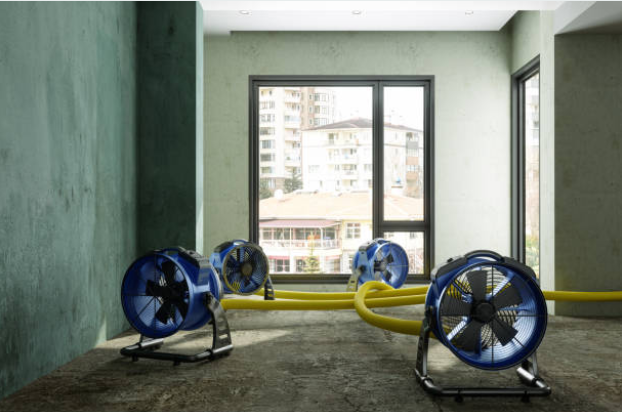
Monitoring ensures complete drying. Technicians track moisture levels daily, documenting readings to establish drying progress. We continue drying until moisture levels return to normal ranges; typically 15% or less for wood and under 1% for concrete. Premature equipment removal risks mold growth and structural damage.
The same thorough approach we use in Schwenksville helps homeowners throughout the region, including those seeking water damage restoration in North Wales and surrounding communities.
Step 4: Cleaning and Sanitization
Water damage rarely involves only water. Contaminants, bacteria, and organic matter often accompany flooding, especially in category 2 and category 3 water damage situations. Professional cleaning and sanitization protect occupant health and prevent future biological hazards.
Antimicrobial treatments kill bacteria, viruses, and other pathogens that thrive in moist environments. Professional-grade antimicrobials penetrate porous materials like drywall and wood, eliminating microorganisms that household cleaners cannot reach. These treatments are especially critical after sewage backups or flooding from contaminated sources.
All affected surfaces receive thorough cleaning. Walls, floors, ceilings, and contents undergo specialized cleaning processes appropriate to their materials and contamination levels. Hard surfaces can typically be cleaned and sanitized, while heavily contaminated porous materials may require disposal for health and safety.
HVAC systems demand special attention during water damage restoration. Moisture in ductwork promotes mold growth and spreads contaminants throughout the property. Professional technicians clean and sanitize all ductwork, registers, and air handling equipment to prevent ongoing contamination after restoration completes.
Odor removal is integral to complete restoration. Water damage creates musty, unpleasant smells from bacterial growth and material decomposition. Professional deodorization goes beyond masking odors with fragrances. We use hydroxyl generators, thermal fogging, and other advanced techniques to neutralize odor molecules at their source.
Personal belongings require careful attention. Furniture, clothing, documents, and electronics all need specialized cleaning approaches. Professional restoration specialists sort contents into categories; items that can be cleaned and saved versus items too damaged for restoration. We use ultrasonic cleaning, freeze-drying, and other advanced techniques to salvage valuable possessions.
Cleaning extends to hidden areas where contaminants accumulate. Wall cavities, subfloors, and crawl spaces all receive treatment even when not visible. This comprehensive approach prevents future problems and ensures the entire property is truly restored to pre-loss condition.
For properties facing both water and mold issues, our mold remediation in King of Prussia services demonstrate our expertise in comprehensive contamination control.
Step 5: Mold Prevention and Remediation
Mold prevention begins during initial water extraction and continues throughout the restoration process. However, if water damage went undetected or restoration was delayed, active mold growth may already exist. Professional remediation becomes necessary to protect property and health.
Mold inspection identifies all affected areas. Certified mold inspectors use moisture meters, air sampling, and visual inspection to locate mold colonies. Hidden mold behind walls, under flooring, and in HVAC systems often surprises property owners who only noticed surface mold in obvious locations.
Containment prevents mold spore spread during remediation. Professional technicians establish negative air pressure chambers using plastic sheeting and air scrubbers. This containment ensures mold spores removed during remediation don’t contaminate unaffected areas or escape into the neighborhood.
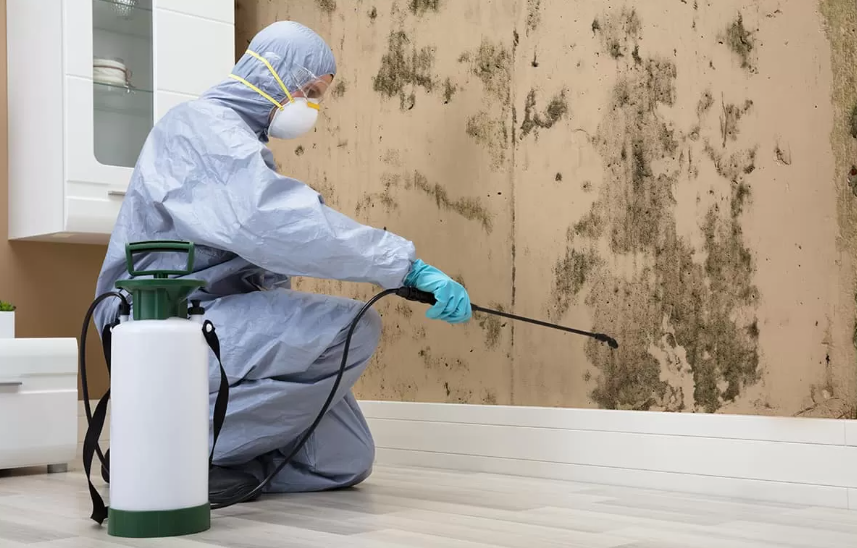
Air filtration protects occupants and workers. HEPA (High-Efficiency Particulate Air) filters capture 99.97% of particles 0.3 microns or larger, including mold spores. Multiple air scrubbers run continuously during remediation, cycling all air in contained areas through HEPA filters dozens of times per hour.
Removal techniques vary by surface type. Non-porous materials like metal and glass can be cleaned and sanitized. Porous materials with heavy mold contamination, including drywall, insulation, and carpeting, typically require removal and replacement. Semi-porous materials like wood sometimes can be saved with aggressive cleaning and treatment.
After physical removal, antimicrobial and antifungal treatments prevent mold return. These treatments penetrate remaining building materials, killing any residual spores and creating hostile environments for future growth. Multiple treatment rounds ensure complete mold elimination.
Post-remediation verification testing confirms success. Air samples taken after remediation should show spore counts similar to outdoor air, indicating effective mold removal. Surface samples verify that visible surfaces are free from viable mold colonies. This testing provides documented proof that the property is safe for reoccupancy.
Moisture control prevents future mold problems. Even after successful remediation, mold returns if moisture issues persist. Professional restoration specialists identify and correct moisture sources, whether from plumbing leaks, poor drainage, or inadequate ventilation. Long-term mold prevention requires addressing root causes, not just symptoms.
Our team applies these same rigorous standards across all service areas, providing commercial mold remediation for businesses throughout Montgomery County.
Step 6: Structural Repairs and Restoration
Once drying, cleaning, and mold remediation complete, structural repairs restore the property to its pre-loss condition. This phase requires skilled craftspeople who understand both construction principles and restoration best practices.
Assessment determines repair scope. Some water damage requires minor repairs like replacing a few sections of drywall. Severe flooding may necessitate complete interior reconstruction, including new framing, electrical systems, and flooring. Detailed assessments help property owners and insurance adjusters understand required work and associated costs.
Demolition removes damaged materials beyond repair. Water-saturated drywall, moldy insulation, and warped subflooring must be removed before reconstruction begins. Professional demolition proceeds carefully to preserve salvageable materials and avoid damaging structural elements that remain sound.
Reconstruction follows a logical sequence. Structural repairs come first, ensuring the building’s frame, foundation, and load-bearing elements are sound. Next, rough installations of plumbing, electrical, and HVAC systems take place. Finally, finish work including drywall, painting, flooring, and trim complete the restoration.
Building code compliance is non-negotiable. All repairs must meet current building codes, even if original construction predates current requirements. Professional restoration companies maintain proper licensing, pull necessary permits, and schedule required inspections to ensure code compliance.
Material selection balances cost, durability, and appearance. Property owners often upgrade materials during restoration, choosing more water-resistant options for flood-prone areas. Moisture-resistant drywall in bathrooms, waterproof flooring in basements, and improved drainage systems all reduce future water damage risks.
Quality craftsmanship shows in finished results. Professional restoration specialists match existing finishes, ensuring repaired areas blend seamlessly with unaffected sections. Paint colors, flooring patterns, and trim details all receive attention to detail that makes determining where repairs occurred nearly impossible.
The same reconstruction expertise we bring to Schwenksville projects serves clients throughout the region seeking damage restoration in Royersford and beyond.
Step 7: Final Inspection and Documentation
The final inspection verifies that all restoration work meets professional standards and returns the property to pre-loss condition. This critical step protects both property owners and restoration companies by documenting successful project completion.
Comprehensive walkthroughs examine every repaired area. Inspectors check moisture levels to confirm complete drying. They verify all cleaning and sanitization was performed correctly. Structural repairs receive scrutiny to ensure proper construction techniques and code compliance. Nothing escapes attention during this thorough review.
Moisture testing provides objective evidence of drying success. Final moisture readings should match levels in unaffected areas or fall within normal ranges for building materials. Documentation of these readings proves the property is truly dry and ready for occupancy without risk of future mold growth or structural issues.
Air quality testing may be performed after significant water damage or mold remediation. These tests measure airborne particles, volatile organic compounds, and other contaminants. Results demonstrating air quality meets or exceeds healthy standards provide peace of mind and documentation for future property transactions.
Photo documentation captures completed restoration. Before, during, and after photos create a visual record of the entire process. These images prove invaluable for insurance claims, property value assessments, and demonstrating the quality of restoration work performed.
Final reports compile all project information. These comprehensive documents include initial damage assessments, daily progress logs, moisture readings, repair descriptions, and final inspections. Property owners receive complete documentation suitable for insurance submission, property records, and personal archives.
Warranties provide long-term protection. Reputable restoration companies stand behind their work with warranties covering workmanship and materials. These warranties demonstrate confidence in restoration quality and provide recourse if problems emerge after project completion.
For property owners facing ongoing emergencies, our emergency water damage restoration services ensure immediate help is always available.
Common Causes of Water Damage in Schwenksville
Understanding common water damage causes helps Schwenksville property owners prevent future incidents. While some causes are unavoidable, many water damage situations result from preventable issues that regular maintenance and vigilance can address.
Burst pipes rank among the most frequent water damage causes in Schwenksville. Winter freeze-thaw cycles stress plumbing systems, especially pipes in exterior walls, crawl spaces, and unheated areas. When water inside pipes freezes, it expands, creating pressure that ruptures pipe walls. A single burst pipe can release hundreds of gallons before detection.
Roof leaks develop from various factors. Missing or damaged shingles allow water infiltration during rain and snow. Ice dams form when melting snow refreezes at roof edges, forcing water under shingles. Flashing around chimneys, vents, and skylights deteriorates over time, creating entry points for moisture.
Basement flooding affects many Schwenksville properties, especially those built before modern waterproofing standards. Heavy rainfall overwhelms inadequate drainage systems. Hydrostatic pressure forces groundwater through foundation cracks. Sump pump failures during storms leave basements vulnerable to rising water.
Appliance failures cause unexpected water damage. Water heaters can rupture, releasing 40-50 gallons instantly. Washing machine supply hoses deteriorate and burst. Dishwashers develop leaks from worn gaskets. Refrigerator ice maker lines crack and leak. These failures often occur when properties are unoccupied, allowing extensive damage before discovery.
HVAC system issues contribute to water damage. Condensate drain lines clog, causing overflow. Drain pans rust through. Frozen evaporator coils eventually thaw, releasing accumulated water. Regular HVAC maintenance prevents most of these problems but many property owners neglect this critical task.
Plumbing fixture failures happen gradually or suddenly. Toilet wax rings deteriorate, allowing wastewater to seep under flooring. Faucet connections loosen. Supply line fittings corrode. Drain pipes develop leaks at joints. Regular inspection catches many issues before they cause significant damage.
Storm damage from severe weather affects Schwenksville periodically. Heavy rainfall, flash flooding, and severe thunderstorms can overwhelm drainage systems and cause widespread property damage. Understanding property damage during winter helps homeowners prepare for seasonal threats.
Preventing Future Water Damage
Prevention is always preferable to restoration. While professional water damage restoration in Schwenksville can return properties to pre-loss condition, avoiding water damage entirely saves time, money, and stress. Implementing preventive measures significantly reduces water damage risks.
Regular maintenance prevents many water damage causes. Annual plumbing inspections identify deteriorating components before failure. Replacing supply hoses on washing machines and dishwashers every five years prevents ruptures. Flushing water heaters annually extends lifespan and prevents catastrophic failures. Simple maintenance tasks yield significant protection.
Proper insulation protects pipes during winter. Pipes in exterior walls, crawl spaces, attics, and unheated areas need adequate insulation to prevent freezing. Even in heated spaces, pipes near exterior walls benefit from additional insulation. During extreme cold, allowing faucets to drip slightly maintains water flow and prevents freezing.
Drainage improvements protect foundations. Gutters and downspouts should channel water at least six feet from foundations. Grading should slope away from structures, preventing water accumulation against foundation walls. French drains, sump pumps, and drainage systems keep basements dry during heavy rainfall.
Roof maintenance prevents water infiltration. Annual inspections identify damaged or missing shingles requiring replacement. Flashing around chimneys, vents, and skylights needs periodic resealing. Gutters require cleaning to prevent ice dam formation and water overflow. These simple tasks prevent costly interior water damage.
Water detection systems provide early warning. Battery-powered or Wi-Fi connected water sensors alert property owners to leaks immediately. Placed near water heaters, under sinks, near washing machines, and in basements, these inexpensive devices catch problems before extensive damage occurs. Smart home systems can even shut off main water supplies automatically when leaks are detected.
Property monitoring prevents damage during absences. If traveling or owning vacation properties, arrange for periodic checks during absences. Shut off main water supplies if properties will be vacant for extended periods. Maintain minimum heating to prevent pipe freezing. These precautions prevent returning to water damage disasters.
For comprehensive prevention strategies, property owners should review our guide on 10 ways to prevent water damage for detailed recommendations tailored to local conditions.
Why Choose Professional Restoration Services
DIY water damage restoration might seem cost-effective initially, but professional restoration services provide value far exceeding their cost. Understanding these benefits helps property owners make informed decisions when facing water damage emergencies.
Professional equipment delivers superior results. Industrial water extractors remove far more water than shop vacuums. Commercial dehumidifiers process hundreds of pints daily versus residential units handling 30-50 pints. Professional air movers create powerful, directed airflow impossible with household fans. This equipment difference translates directly to faster, more complete restoration.
Expertise prevents costly mistakes. Professional restoration specialists understand building science, moisture dynamics, and material behavior. They know which materials can be saved versus requiring replacement. They recognize hidden damage invisible to untrained eyes. This expertise prevents incomplete restoration that leads to mold growth, structural damage, and health hazards.
Rapid response minimizes damage. Professional restoration companies maintain 24/7 availability and can mobilize teams within hours. This speed is critical when every minute increases damage severity. Homeowners attempting DIY restoration lose crucial time learning what to do, acquiring equipment, and figuring out procedures while damage worsens.
Insurance claim assistance streamlines recovery. Professional restoration companies work directly with insurance adjusters, providing documentation, estimates, and technical expertise that support claims. Many homeowners find navigating insurance claims overwhelming, but restoration specialists handle this complexity daily, ensuring maximum coverage and fair claim settlement.
Health and safety protection matters. Water damage, especially category 2 and 3 water involving contaminants, poses health risks. Professional technicians use proper personal protective equipment and follow safety protocols that protect themselves and occupants. They understand cross-contamination prevention and proper disposal of hazardous materials.
Certification ensures quality. Reputable restoration companies maintain certifications from industry organizations like the Institute of Inspection, Cleaning and Restoration Certification (IICRC). These certifications require ongoing training and adherence to industry best practices. Certified technicians bring current knowledge to every restoration project.
Comprehensive restoration addresses all damage. Professional companies coordinate multiple trades; plumbers, electricians, HVAC technicians, and general contractors. This coordination ensures all aspects of restoration proceed efficiently without gaps or duplicated efforts. Homeowners attempting DIY restoration often overlook interconnected systems requiring expert attention.
Documentation provides long-term value. Professional restoration creates detailed records of damage, restoration procedures, and final results. This documentation proves valuable for insurance claims, future property sales, and demonstrating proper restoration if problems emerge years later.
For those needing immediate help, our emergency water damage mitigation services demonstrate our commitment to rapid, professional response.
Insurance Claims Assistance
Navigating insurance claims adds stress to already challenging water damage situations. Understanding the claims process and working with professionals experienced in insurance restoration helps maximize coverage and expedite claim settlement.
Immediate notification is essential. Most insurance policies require prompt notification of damage. Contact your insurance company as soon as water damage is discovered, ideally before or immediately after contacting restoration specialists. Delays in notification can jeopardize coverage.
Documentation drives claim success. The more comprehensive your documentation, the smoother the claims process. Photos and videos from multiple angles showing water levels, affected areas, and damaged property prove invaluable. Document everything before cleanup begins, as insurance adjusters need to see the full extent of damage.
Understanding coverage limits prevents surprises. Homeowners policies typically cover sudden and accidental water damage but exclude flooding from external sources and gradual damage from maintenance neglect. Reviewing your policy helps set realistic expectations about covered losses.
Professional estimates support claims. Restoration companies provide detailed estimates breaking down labor, materials, and equipment costs. These professional estimates carry more weight with insurance adjusters than homeowner estimates. They demonstrate reasonable and necessary restoration costs based on industry standards.
Mitigation requirements protect coverage. Insurance policies require policyholders to mitigate damage and prevent additional losses. This requirement makes immediate professional restoration not just advisable but mandatory for maintaining coverage. Delays that allow preventable damage to worsen can result in denied claims.
Working with adjusters requires cooperation. Insurance adjusters inspect properties, review documentation, and determine covered losses. Being present during inspections, providing requested information promptly, and maintaining professional communication facilitates the process. Restoration specialists often attend adjuster meetings to provide technical expertise and answer questions.
PuroClean’s Certified Priority Response (CPR) Program works directly with insurance companies to streamline claims. We understand what documentation insurers require and how to present estimates that support fair claim settlement. Our experience working with major insurance carriers including Nationwide, Encompass, Alacrity Services, Vericlaim Repair Solutions, Crawford Contractor Connection, and Nexxus ensures smooth claims processing.
Supplemental claims address overlooked damage. Initial estimates sometimes miss hidden damage that becomes apparent during restoration. Professional restoration companies work with adjusters to submit supplemental claims for additional necessary work, ensuring complete restoration without unexpected out-of-pocket costs.
For guidance on handling water emergencies that may involve insurance claims, our resources on basement flooding cleanup service provide valuable insights.
How quickly should I call for water damage restoration in Schwenksville?
Immediately. Contact professional restoration specialists as soon as you discover water damage, ideally within the first hour. Every minute of delay allows water to spread, materials to absorb more moisture, and secondary damage to worsen. PuroClean of Lansdale maintains 24/7 emergency availability at (267) 834-5900 to respond to Schwenksville properties promptly.
What should I do while waiting for restoration specialists to arrive?
Ensure safety first by turning off electricity to affected areas if safe to do so. Stop the water source if possible, such as shutting off the main water supply for burst pipes. Move valuable items to dry areas. Begin removing standing water with mops or towels if safe. Document all damage with photos and videos. Do not attempt major water removal or restoration work, as improper techniques can worsen damage.
How long does water damage restoration take in Schwenksville?
Timeline varies based on damage severity, but typical residential water damage restoration takes 3-7 days for drying alone. Minor incidents affecting small areas may complete in 3-4 days. Severe flooding requiring extensive reconstruction can take several weeks. Professional restoration specialists provide detailed timelines after initial assessment. Follow our team on Instagram for updates on typical project timelines.
Will my insurance cover water damage restoration costs?
Most homeowners insurance policies cover sudden and accidental water damage, such as burst pipes or appliance failures. They typically exclude flooding from external water sources, which requires separate flood insurance. Gradual damage from maintenance neglect is also usually excluded. Review your specific policy and contact your insurance company immediately after discovering damage to understand your coverage.
Can I stay in my home during water damage restoration?
This depends on damage severity. Minor water damage affecting a single room often allows occupancy of unaffected areas. Extensive damage, contaminated water, or necessary power shutdown may require temporary relocation. Severe mold growth definitely requires vacating until remediation completes. Your restoration specialist provides guidance based on specific circumstances and safety considerations.
How do I know if mold has developed after water damage?
Visible signs include discoloration, fuzzy growth, or unusual stains on walls, ceilings, or floors. Musty odors often indicate hidden mold even without visible growth. However, mold can grow in hidden locations like wall cavities and under flooring. Professional mold inspection using moisture meters, thermal imaging, and air sampling detects mold regardless of visibility.
What’s the difference between water damage restoration companies?
Key differences include certification levels, equipment quality, response times, and insurance relationships. Look for IICRC certification, 24/7 availability, advanced equipment, and established relationships with insurance companies. Companies like PuroClean with Certified Priority Response programs provide streamlined service and faster claim processing. Connect with us on Facebook to see our certifications and community involvement.
Should I hire the restoration company my insurance recommends?
Insurance companies often provide preferred vendor lists, but you have the right to choose your restoration company. Preferred vendors may offer faster claim processing, but independent companies sometimes provide more personalized service. Research multiple companies, compare credentials and services, and choose based on your comfort level and needs.
How can I prevent water damage in my Schwenksville home?
Regular maintenance prevents most water damage. Inspect plumbing annually, replace appliance hoses every five years, maintain your roof and gutters, ensure proper drainage around your foundation, insulate pipes in cold areas, and install water detection systems. Understanding common causes helps focus prevention efforts where they matter most.
What areas does PuroClean of Lansdale serve besides Schwenksville?
We serve all of Montgomery County including Abington, Ambler, Blue Bell, Center Square, Fort Washington, Harleysville, Horsham, Kulpsville, Lansdale, Maple Glen, Montgomeryville, North Wales, Prospectville, Roslyn, Skippack, Spring House, Spring Mount, Willow Grove, and Woxall. Our emergency response teams reach any of these locations quickly, typically within 1-2 hours of your call.
For directions to our location or to read customer reviews, visit our Google Maps listing.
Conclusion
Water damage restoration in Schwenksville requires prompt action, professional expertise, and comprehensive restoration procedures. The seven essential steps outlined in this guide; emergency response, water extraction, drying and dehumidification, cleaning and sanitization, mold prevention, structural repairs, and final inspection; ensure complete property restoration and protect your investment.
Don’t wait for water damage to worsen. PuroClean of Lansdale serves Schwenksville with 24/7 emergency response, certified technicians, and proven restoration methods. Our Certified Priority Response (CPR) Program works seamlessly with insurance companies to reduce claim costs and increase satisfaction through strict certification standards, clear protocols, and mutually agreed-upon scope pre-approvals.
Whether you’re facing burst pipes, flooding, storm damage, or any water emergency, our team responds quickly and efficiently every time. We serve residential properties, commercial buildings, property managers, and insurance agents throughout Montgomery County. Our goal is providing easy access, rapid response, and cost-effective restoration that exceeds expectations.
Located at 2033 Lucon Rd, Bldg. Rear, Schwenksville, PA 19473, we’re your local water damage restoration specialists. For professional restoration services you can trust, contact PuroClean of Lansdale at (267) 834-5900 anytime, day or night. Visit our contact page for more information or follow us on LinkedIn and X (Twitter) for restoration tips and company updates.
What steps have you already taken to protect your Schwenksville property from water damage, and what additional preventive measures are you considering implementing after reading this guide?