


Table of Contents
Water damage restoration in Fort Washington requires immediate professional intervention to prevent structural deterioration, mold growth, and health hazards. The restoration process involves emergency response (typically within 60 minutes), water extraction, thorough drying and dehumidification, sanitization, and complete restoration of affected areas. Professional restoration companies in Fort Washington utilize advanced moisture detection technology, industrial-grade equipment, and follow strict certification standards to restore properties to pre-loss condition while working directly with insurance companies to streamline the claims process.
Understanding Water Damage Restoration in Fort Washington Properties
Fort Washington homeowners and business owners face unique challenges when it comes to water-related emergencies. The area’s climate patterns, aging infrastructure, and seasonal weather variations create the perfect conditions for water damage incidents. Whether you’re dealing with a burst pipe during winter freeze, spring flooding, or a malfunctioning appliance, understanding the fundamentals of water damage restoration in Fort Washington can save you thousands of dollars and protect your property’s structural integrity.
Water damage doesn’t discriminate; it affects residential homes, commercial buildings, and industrial facilities with equal severity. The key difference lies in how quickly you respond and the quality of restoration services you employ. In Fort Washington, where properties range from historic homes to modern commercial complexes, each structure requires a tailored approach to water damage restoration.
The Science Behind Water Damage and Why Time Matters
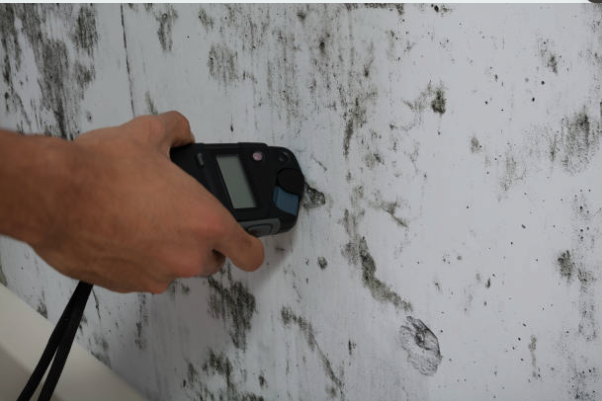
Water damage operates on a predictable timeline that accelerates with each passing hour. Within the first 24 hours, water begins penetrating porous materials like drywall, wood flooring, and insulation. By 48 hours, mold growth begins, and metal surfaces start corroding. After one week, structural damage becomes severe, and restoration costs can triple compared to immediate intervention.
This scientific reality makes emergency response critical for water damage restoration in Fort Washington. Professional restoration companies understand these timelines and structure their services accordingly. The faster water is removed and drying begins, the higher the likelihood of salvaging materials and preventing secondary damage.
Temperature and humidity play crucial roles in the drying process. Fort Washington’s humid summers can complicate restoration efforts, requiring more intensive dehumidification. Conversely, winter conditions demand heated drying techniques to prevent freezing and additional damage. Professional restoration teams adjust their methods based on these environmental factors.
Water Damage Restoration in Fort Washington Homes – Common Causes of Water Damage
Fort Washington properties experience water damage from various sources, each requiring different restoration approaches. Burst pipes rank among the most common culprits, particularly during winter months when temperatures plummet. The freeze-thaw cycle stresses plumbing systems, causing joints to fail and pipes to rupture.
Roof leaks present another significant challenge, especially in older Fort Washington homes. Heavy rainfall, ice dams, and aging shingles create perfect conditions for water infiltration. What starts as a small leak can quickly escalate into extensive ceiling and wall damage if left unaddressed.
Appliance failures catch many homeowners off guard. Water heaters, washing machines, and dishwashers have limited lifespans, and when they fail, they can release hundreds of gallons of water into your home. Sump pump failures during heavy rain events also cause basement flooding, particularly in Fort Washington’s low-lying areas.
Sewage backups represent the most hazardous water damage scenario. These incidents require specialized handling due to contamination risks. Professional water damage restoration in Fort Washington includes protocols for managing Category 3 water (grossly contaminated water) safely and effectively.
The Complete Water Damage Restoration Process Explained
Professional water damage restoration follows a systematic seven-step process designed to return your property to pre-loss condition. Understanding these steps helps property owners know what to expect and why each phase is essential.
Step 1: Emergency Contact and Initial Assessment
When you contact a restoration company for water damage restoration in Fort Washington, the process begins immediately. Trained specialists gather information about the damage source, extent, and affected areas. This initial conversation helps the team prepare appropriate equipment and personnel for your specific situation.
Step 2: Inspection and Damage Assessment
Upon arrival, certified technicians conduct a thorough inspection using advanced moisture detection equipment. They identify the water source, classify the water category (clean, gray, or black water), and determine the extent of damage. This assessment forms the foundation for the restoration plan and insurance documentation.
Step 3: Water Removal and Extraction
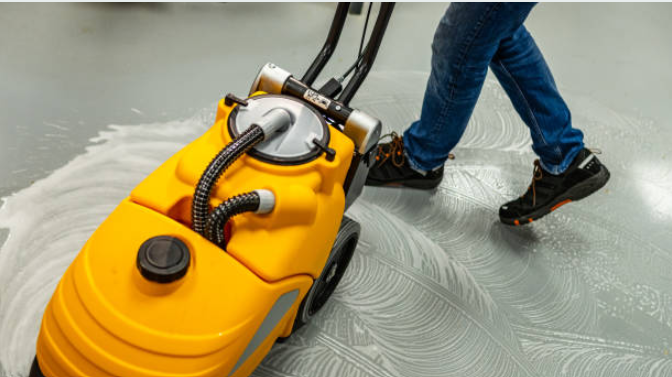
Using industrial-grade pumps and vacuum units, teams remove standing water quickly and efficiently. The speed of extraction directly impacts the overall restoration timeline and cost. Professional equipment can remove thousands of gallons per hour, minimizing damage progression.
Step 4: Drying and Dehumidification
After water removal, affected areas require thorough drying. This phase uses air movers, dehumidifiers, and specialized drying equipment to eliminate moisture from building materials. Technicians monitor moisture levels continuously, adjusting equipment placement and settings to optimize drying efficiency. This process typically takes 3-5 days but varies based on damage severity.
Step 5: Cleaning and Sanitizing
Water damage often leaves behind contaminants, odors, and potential health hazards. Professional cleaning includes antimicrobial treatments, deodorization, and sanitization of affected surfaces. Contents like furniture, documents, and personal belongings receive specialized cleaning based on their material and contamination level.
Step 6: Restoration and Reconstruction
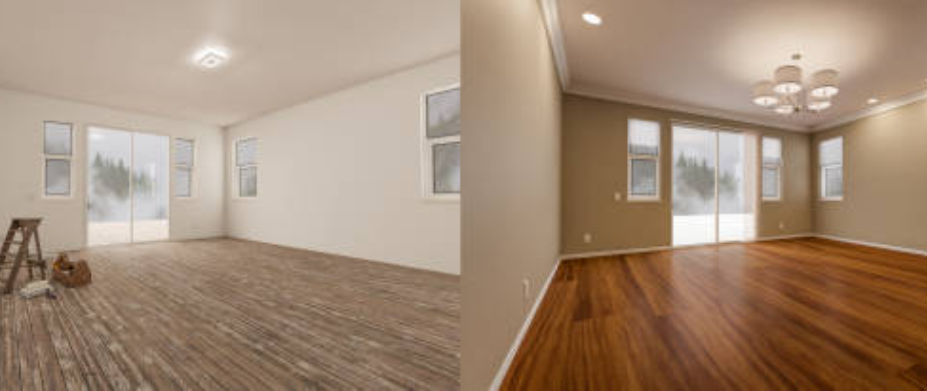
The final phase involves repairing or replacing damaged materials. Minor restoration might include replacing drywall sections and repainting. Major reconstruction could involve rebuilding entire rooms, replacing flooring systems, or repairing structural components. Quality restoration companies handle both minor repairs and major reconstruction projects.
Step 7: Final Inspection and Documentation
Before completing the project, technicians conduct a final inspection to ensure all affected areas have been properly restored. They verify moisture levels have returned to normal, check for any lingering odors, and confirm structural integrity. Complete documentation supports insurance claims and provides peace of mind.
Advanced Technology Used in Modern Water Restoration
The water damage restoration industry has evolved dramatically, incorporating sophisticated technology that improves outcomes and reduces restoration timelines. Understanding these tools helps property owners appreciate the value professional services provide.
Thermal imaging cameras detect hidden moisture behind walls and ceilings without destructive investigation. These cameras identify temperature variations that indicate water presence, allowing technicians to target drying efforts precisely. This technology prevents unnecessary demolition while ensuring comprehensive moisture removal.
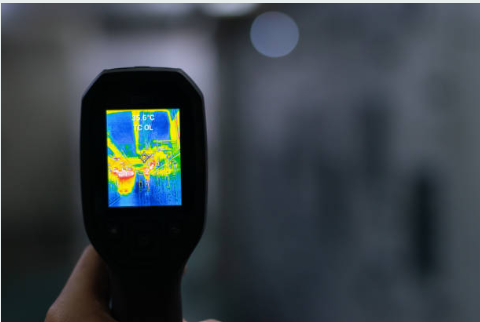
Moisture meters provide exact readings of material moisture content. Technicians use these measurements to track drying progress and determine when materials have reached acceptable moisture levels. Different materials require different moisture thresholds; professionals understand these nuances and adjust accordingly.
Industrial dehumidifiers now use desiccant technology for superior moisture removal, particularly in challenging conditions. These units work effectively in colder temperatures and can achieve lower humidity levels than traditional refrigerant dehumidifiers. For water damage restoration in Fort Washington, this technology proves invaluable during winter incidents.
Air scrubbers and HEPA filtration systems remove airborne contaminants released during water damage events. These devices improve indoor air quality during restoration and protect occupants from mold spores, bacteria, and other particulates.
How to Choose the Right Water Damage Restoration Company
Selecting the right restoration company significantly impacts your experience and outcome. Several factors distinguish exceptional service providers from mediocre ones, and knowing what to look for protects your investment.
Certification and training demonstrate a company’s commitment to industry standards. Look for certifications from the Institute of Inspection, Cleaning and Restoration Certification (IICRC). These credentials ensure technicians have received proper training in water damage restoration principles and techniques.
Response time can make or break a restoration project. Companies offering true 24/7 emergency services, like those providing water damage restoration in Fort Washington, minimize damage progression. Verify the company maintains local staff and equipment rather than contracting work to distant providers.
Insurance relationships matter significantly. Reputable restoration companies work regularly with insurance carriers and understand claims processes thoroughly. They can communicate directly with adjusters, provide proper documentation, and help navigate coverage questions. Programs like Certified Priority Response streamline this process further.
Equipment quality and quantity indicate a company’s capability to handle projects of varying sizes. Companies should own, not rent, professional-grade extraction equipment, dehumidifiers, air movers, and monitoring devices. This investment demonstrates long-term commitment to quality service.
Local knowledge proves invaluable during restoration projects. Companies familiar with Fort Washington’s construction styles, common problem areas, and local building codes provide more efficient service. They understand regional challenges like basement flooding patterns and seasonal water damage risks.
Working with Insurance Companies During Water Damage Claims
Insurance claims can feel overwhelming, especially when dealing with property damage stress. Understanding the claims process and how restoration companies facilitate it reduces anxiety and ensures proper compensation.
Most homeowner’s policies cover sudden and accidental water damage but exclude gradual damage from neglect or maintenance failures. Reviewing your policy before incidents occur helps you understand coverage limits, deductibles, and exclusions. If you’re unsure about coverage, professional restoration companies can help interpret policy language.
Documentation is crucial for successful claims. Photograph damage extensively before any cleanup begins. Professional restoration companies create detailed damage assessments, moisture maps, and equipment logs that support your claim. They understand what documentation insurance adjusters require and ensure nothing is overlooked.
Many restoration companies offer direct billing to insurance carriers, minimizing out-of-pocket expenses. They communicate directly with adjusters, provide estimates, and manage the approval process. This service reduces your administrative burden and often accelerates claim resolution.
Be aware of policy timelines and notification requirements. Most policies require prompt notification of water damage. Delays in reporting can jeopardize coverage. Emergency services for water damage restoration in Fort Washington operate 24/7 specifically to help property owners meet these requirements.
Prevention Strategies to Protect Your Fort Washington Property
While professional restoration services can repair water damage, prevention remains the most cost-effective strategy. Implementing proactive measures significantly reduces water damage risks for Fort Washington properties.
Regular plumbing inspections identify potential failures before they occur. Have a licensed plumber inspect your system annually, paying particular attention to water heater age, supply line condition, and drain functionality. Replace washing machine hoses every five years, even if they appear functional. Consider upgrading to stainless steel braided hoses for added reliability.
Maintain your roof and gutters diligently. Clean gutters twice annually, inspect shingles for damage, and ensure proper attic ventilation. Ice dam prevention is critical in Fort Washington winters; proper insulation and ventilation prevent the heat loss that creates ice dams. You can find more prevention tips in this guide on preventing water damage.
Install water detection devices in high-risk areas like basements, near water heaters, and under sinks. Modern smart sensors send alerts to your phone when they detect moisture, enabling quick response even when you’re away. Some advanced systems can automatically shut off water supply when leaks are detected.
Sump pump maintenance prevents basement flooding. Test your sump pump quarterly by pouring water into the pit to ensure proper activation. Install a battery backup system to maintain protection during power outages, which often accompany severe storms.
Landscape grading affects water flow around your foundation. Ensure soil slopes away from your home, directing water away from the foundation. Extend downspouts at least six feet from the building to prevent water accumulation near the foundation walls.
The Health Risks Associated with Untreated Water Damage
Water damage creates more than structural problems; it poses significant health risks that escalate with time. Understanding these hazards emphasizes the importance of professional water damage restoration in Fort Washington.
Mold growth represents the most common health concern following water damage. Mold spores can begin germinating within 24-48 hours of water exposure. These fungi release mycotoxins that cause respiratory problems, allergic reactions, and, in severe cases, neurological symptoms. Individuals with asthma, allergies, or compromised immune systems face heightened risks. Professional mold remediation may be necessary if water damage isn’t addressed promptly.
Contaminated water presents immediate health threats. Category 2 water (gray water) from appliances or toilet overflows contains bacteria and microorganisms. Category 3 water (black water) from sewage backups or flooding contains harmful pathogens, viruses, and parasites. Exposure to contaminated water can cause gastroenteritis, skin infections, and serious illnesses.
Structural instability from water damage creates physical safety hazards. Weakened floors, compromised ceilings, and damaged electrical systems pose risks of collapse, electrical shock, and fire. Professional assessment identifies these hazards and ensures safe restoration procedures.
Indoor air quality deteriorates rapidly after water damage. Increased humidity promotes dust mite populations, releases volatile organic compounds from wet materials, and creates musty odors. These conditions aggravate respiratory conditions and create uncomfortable living environments.
Emergency Response: What to Do Before Help Arrives
When water damage occurs, actions taken in the first few minutes can significantly impact the restoration outcome. While professional help is essential, property owners can take immediate steps to minimize damage.
Safety must be your first priority. If water damage involves electrical hazards, turn off electricity to affected areas at the circuit breaker. Never enter standing water if electrical outlets or appliances are submerged. If the water source is contaminated (sewage or flood water), avoid contact and keep family members and pets away from affected areas.
Stop the water source if safely possible. For supply line leaks, shut off the main water valve. For appliance failures, turn off the water supply to that specific appliance. If you cannot safely stop the water source, evacuate and call for emergency water damage restoration immediately.
Document damage thoroughly before any cleanup. Take photos and videos of all affected areas, damaged belongings, and the water source if visible. This documentation proves invaluable for insurance claims and helps restoration professionals assess the situation remotely.
Remove valuable items from affected areas if safe to do so. Move furniture, electronics, and important documents to dry locations. Elevate furniture legs using aluminum foil or plastic to prevent additional absorption. Remove wet fabrics like curtains and area rugs to prevent dye transfer and promote air circulation.
Begin air circulation by opening windows (weather permitting) and turning on fans. However, do not use your home’s HVAC system if water has affected ductwork or if you suspect mold growth. Professional restoration companies will manage the drying process with industrial equipment, but initial air movement helps.
Contact your insurance company and a professional restoration service immediately. Many companies offering water damage restoration in Fort Washington provide free inspections and can begin work while insurance claims are processed. Quick professional response minimizes damage progression and reduces overall restoration costs.
For emergencies requiring immediate professional help, contact PuroClean of Lansdale at (267) 834-5900. Their team provides rapid response for water damage restoration in Fort Washington and surrounding areas, available 24 hours a day, seven days a week.
Conclusion
Water damage restoration in Fort Washington demands swift action, professional expertise, and comprehensive understanding of the restoration process. From the initial emergency call through final restoration, each step plays a crucial role in returning your property to pre-loss condition while protecting your health and investment.
The science behind water damage leaves no room for delays; every hour counts in preventing secondary damage, mold growth, and structural deterioration. Fort Washington property owners benefit from understanding common water damage causes, recognizing the importance of advanced restoration technology, and knowing how to select qualified restoration professionals.
Prevention strategies offer the best protection against water damage, but when incidents occur, professional restoration services provide the expertise, equipment, and insurance coordination necessary for complete recovery. Companies certified in water damage restoration follow systematic processes that address visible damage and hidden moisture, ensuring thorough restoration.
The health implications of untreated water damage underscore the importance of professional intervention. Mold growth, contaminated water exposure, and compromised indoor air quality create risks that extend far beyond property damage. Professional restoration protects both your investment and your well-being.
When water damage strikes your Fort Washington property, you need a restoration partner you can trust. PuroClean of Lansdale combines certified expertise, advanced technology, and genuine commitment to customer satisfaction. Their Certified Priority Response program ensures rapid deployment, efficient restoration, and streamlined insurance coordination.
Don’t let water damage compromise your property’s integrity or your family’s health. Visit PuroClean of Lansdale for directions, follow them on Facebook, Instagram, LinkedIn, and X (Twitter) for prevention tips and restoration insights.
Have you experienced water damage in your Fort Washington property, and what steps did you take immediately after discovering it?
Contact Information
PuroClean of Lansdale 2033 Lucon Rd, Bldg. Rear Schwenksville, PA 19473