


The heat clicks on for the first cold morning of the season, and a minute later you hear a dull thump from the basement. By lunch, there are gray streaks around a floor register and a faint oily smell in the hallway. If your home heats with oil, that may have been a puffback. Furnace puffback soot cleanup in Fort Washington homes is a job to do carefully, not quickly with a wet rag.
Below, you’ll learn what a puffback is and what to do right away. You’ll also see why the soot is so stubborn and how a professional team cleans rooms, belongings, and ductwork.
What Is a Furnace Puffback?
A puffback is a small, sudden ignition inside an oil burner that pushes soot and fumes out of the furnace instead of up the chimney. It often happens when unburned oil vapor builds up and then lights all at once.
The result can range from a light dusting near the furnace to soot spread through the whole house by the blower and ducts. Puffback soot is a fuel oil residue. It’s fine, oily, and black, and it clings to walls, ceilings, carpets, curtains, and anything with texture.
Common causes include a dirty or worn burner, a clogged nozzle or filter, a cracked heat exchanger, or a blocked flue. Only a licensed heating technician can confirm the cause and make the system safe.
Why Does This Matter in Fort Washington?
Some Fort Washington homes still heat with oil, and much of the housing dates from before 1980. Both make burner and flue care worth a look each fall.
Fort Washington is a census-designated place in Upper Dublin Township. Census Bureau survey estimates for 2020–2024 (American Community Survey, 5-year) list about 2,290 occupied housing units there. Of those, about 269 (±82), or roughly 12 percent, use fuel oil, kerosene, or a similar fuel for heat (table B25040). The same survey puts the median year built at 1968 (±4). About 68.6 percent of units were built in 1979 or earlier (tables B25034 and B25035). In homes that old, painted surfaces may need lead testing, and the EPA notes that some older building materials may contain asbestos. Both should be tested before anything is removed during repairs.
Those numbers don’t say anything about a single house. They do show why the start of heating season is a good time to think about oil burner care in this part of Upper Dublin.
What Should You Do Right After a Puffback?
Shut the system down, make sure everyone is safe, and get a heating technician involved before you think about cleaning. Moving soot around too early usually makes it worse.
- Turn the thermostat off so the burner and blower stop running.
- If you smell strong fumes or a carbon monoxide alarm sounds, get everyone outside and call 911 or your fuel provider’s emergency line.
- Call a licensed heating technician to inspect and service the burner before it runs again.
- Keep people and pets out of the sootiest rooms, and close those doors.
- Don’t wipe walls, scrub carpets, or run a household vacuum. Oily soot smears, and many vacuums blow fine particles back into the air.
- Snap pictures of the soot on walls, ceilings, furniture, and registers before anything is moved.
- Let your insurance company know what happened, and ask what documentation they want.
If anyone in the home has breathing problems or feels unwell after the event, talk to a doctor. We handle the house and your belongings; medical questions go to a medical professional.
How Does Furnace Puffback Soot Cleanup in Fort Washington Work?
Professional furnace puffback soot cleanup in Fort Washington removes loose soot first. Next, each surface gets a method suited to it. Ducts, contents, and odor come after that. Our fire and smoke damage restoration service follows industry standards such as ANSI/IICRC S700.
Inspection and Documentation
We start by mapping where soot traveled. Rooms near registers and returns are often worse than rooms that are closer to the furnace but off the main duct runs. We photograph conditions and list affected items for your adjuster.
Dry Removal Before Wet Cleaning
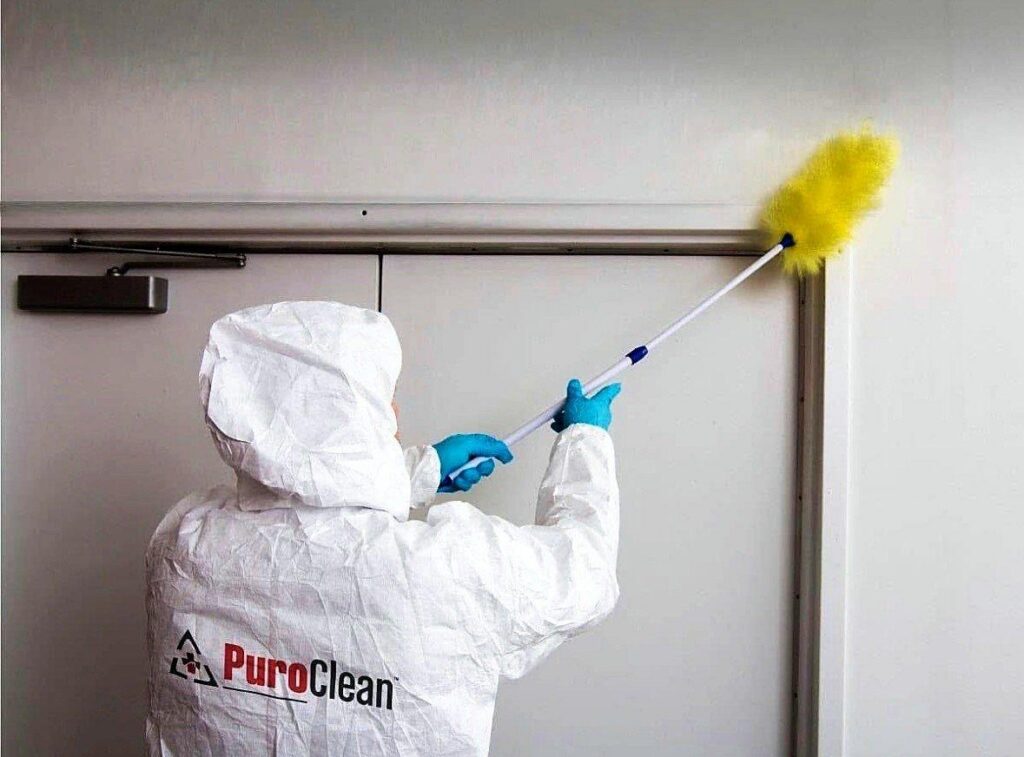
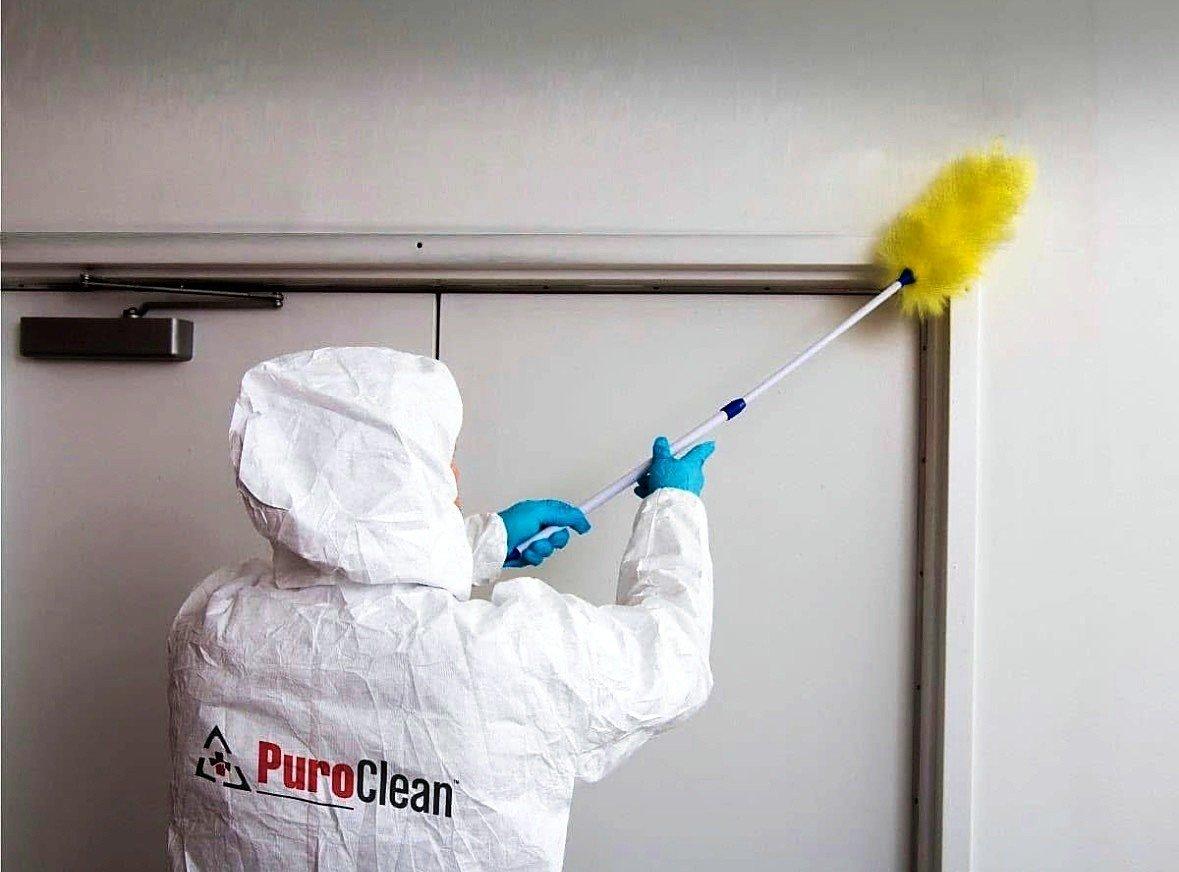
Loose soot comes off first with HEPA vacuums and dry methods, such as dry chemical sponges and dusters. Skipping this step and going straight to water tends to smear oily residue into paint and fabric.
Cleaning by Surface
After dry removal, technicians use cleaners matched to each surface: painted walls, ceilings, woodwork, cabinets, windows, and floors. They work from the top of a room down. Some porous items, such as lampshades or heavily soiled carpet pad, may not be worth cleaning.
Ductwork and the Air Path
If the blower pushed soot through the ducts, those ducts need cleaning before the heat runs normally again. Otherwise, residue keeps coming out of the registers.
Contents and Odor
Clothing, linens, upholstery, and keepsakes often hold oily soot and odor. Some items are cleaned on site, while others are packed out for cleaning and stored until the house is ready. Odor work targets the source with cleaning and deodorization, such as thermal fogging or hydroxyl generators. Ozone, if used, runs only in unoccupied spaces.
What Soot Clues Should You Look For?
Puffback soot isn’t always obvious at first. Light residue can look like dust until you touch it or see it under bright light.
| Where to look | What you might notice |
|---|---|
| Around floor or wall registers | Gray or black "shadow" streaks on the wall above |
| Ceilings and corners | Dark webbing, sometimes called soot webs |
| Light-colored carpet near returns | Dark lines along walls and under doors |
| Window sills and blinds | A fine black film that smears when touched |
| Closets and drawers | Oily smell on clothing and linens |
What Affects Cost, Timing, and Insurance?
Cost and timing depend on how far soot traveled, how many rooms and items need cleaning, whether ducts are involved, and how much repainting follows. A light puffback near the furnace room is a very different job from soot in every bedroom.
A sudden puffback is often treated as a covered event under many homeowners policies. Still, coverage depends on your policy, and some policies exclude damage tied to a lack of maintenance. Call your agent or adjuster early to confirm. Our team documents soot, affected rooms, and contents, and we can write the estimate in Xactimate, software widely used by insurers, adjusters, and contractors. Keep the heating technician’s service report too, since it often notes the cause.
How Can You Lower the Risk of a Puffback?
Regular heating maintenance is the best defense. The National Fire Protection Association’s home heating safety page says chimneys and heating systems should be inspected and cleaned each year before they’re fired up for the season. NFPA also reports that nearly half of home heating equipment fires happen from December through February, so fall is the time to book service.
A simple checklist before deep winter:
- Book a fall tune-up for your oil burner, including the nozzle, filter, and combustion check.
- Have the chimney and flue inspected for blockages.
- Test smoke alarms and carbon monoxide alarms on every level.
- Pay attention to new sounds, such as rumbling or a thump at start-up, and call for service if you hear them.
- Keep stored items away from the furnace so a technician can reach it easily.
Example: A homeowner hears a small bang when the heat kicks on, sees nothing unusual, and keeps the heat running for a day. By evening, black streaks show above every register on the first floor. This is a made-up example, not a client job.
Frequently Asked Questions
Is Do-It-Yourself Soot Removal a Good Idea?
Very light soot near the furnace can sometimes be removed with a HEPA vacuum and a dry chemical sponge. If soot spread through ducts, into several rooms, or onto fabrics, household cleaning usually smears it. Professional cleaning gives better results.
Is It Safe to Run My Furnace After a Puffback?
Not until a licensed heating technician inspects and services it. The cause needs to be fixed first, or the problem can happen again.
Will Painting Over Soot Fix the Problem?
No. Paint applied over oily soot often doesn’t stick well, and odor can come through. Walls need cleaning, and sometimes sealing, before repainting.
How Long Does Furnace Puffback Soot Cleanup in Fort Washington Take?
It depends on how far the soot traveled and how many belongings need cleaning. A small, contained event may take a day or two. A whole-house puffback with duct and contents cleaning can take longer. We give you a timeline after the inspection.
Do You Serve Fort Washington and Nearby Towns?
Yes. Our crews work in Fort Washington and nearby places such as Ambler, Blue Bell, and Maple Glen.
Need Furnace Puffback Soot Cleanup in Fort Washington?
If an oil burner misfire left soot in your home, PuroClean of Lansdale can help you get it clean. We answer the phone 24/7. Our credentials page lists the company as IICRC Certified and as an EPA Lead-Safe Certified Firm. Call (267) 834-5900, or visit 2033 Lucon Rd, Bldg. Rear, Schwenksville, PA 19473. We serve Fort Washington, Ambler, Blue Bell, Horsham, and other Montgomery County towns.