


Table of Contents
How to fix warped wood floor from water damage, you must act within the first 24 to 48 hours. Remove all standing water immediately, strip the floor of rugs and furniture, run industrial fans and a dehumidifier to dry the space thoroughly, and monitor moisture levels until the wood stabilizes. Mild cupping may self-correct with controlled drying. Moderate cupping may need sanding once fully dry. Severe buckling almost always requires partial or full board replacement. Speed is everything; the longer water stays in contact with wood, the deeper the damage travels and the more expensive the repair becomes.
The Moment You Realize Something Is Wrong
It does not always announce itself loudly.
Sometimes it is a subtle feeling beneath your feet; a slight springiness where the floor used to feel solid. Sometimes it is the way the afternoon light catches the boards and you notice tiny ridges running along the length of the room. Sometimes it is the smell; that low, earthy dampness that was not there yesterday.
And then you crouch down and look closely, and you realize: your hardwood floor is warping.
That moment; the one where you realize water has already been sitting long enough to do visible damage; is the most important moment in the entire restoration process. What you do in the next few hours will determine whether you are refinishing your floor in two weeks or replacing it entirely.
This guide is written to help you understand exactly what is happening, why it is happening, and how to fix a warped wood floor from water damage before it reaches the point of no return.
Why Water Causes Wood Floors to Warp
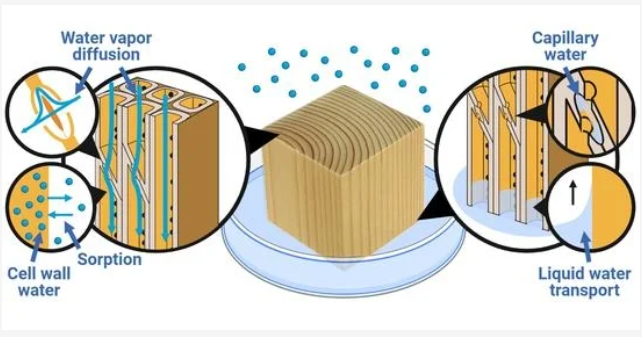
Wood is not static. It is a living material even after it has been cut, dried, milled, and installed in your home. It continues to absorb and release moisture in response to its environment.
When wood absorbs water unevenly; which almost always happens during a flood, leak, or appliance failure; the fibers on the wetter side swell significantly more than the fibers on the drier side. That imbalance creates internal stress within each plank.
The plank responds the only way it can: it bends.
On top of this, hardwood is installed with very specific spacing tolerances; small gaps that allow for natural expansion and contraction with seasonal humidity changes. When a sudden water event forces the wood to expand far beyond those tolerances, the boards push against each other. They have nowhere to go except up.
This is why water damage to hardwood floors is not just a surface problem. It is a structural response to a moisture imbalance; and it cannot be resolved simply by letting the floor air-dry on its own.
According to the National Wood Flooring Association (NWFA), hardwood floors should maintain a moisture content between 6% and 9% in most regions. After a water event, that number can spike to 25% or higher; and every percentage point above normal increases the risk of permanent deformation.
The 3 Types of Wood Floor Warping You Need to Identify
Before you reach for a fan or call anyone, you need to identify which type of warping you are dealing with. Each type tells a different story about the severity of the damage; and each requires a different response.
Cupping This is the most common form and the most recoverable. The edges of each plank rise higher than the center, creating a gentle concave surface across the board. Cupping happens when the underside of the plank absorbs more moisture than the top. It is a sign that the water damage is real; but if caught early, the wood may still be salvageable.
The good news: cupping that has not been present for more than 24 to 48 hours often reverses itself as the wood dries; assuming the drying conditions are right. If it has been longer, sanding after drying may be necessary to restore a flat surface.
Crowning Crowning is essentially the opposite of cupping; the center of the plank sits higher than the edges. It often occurs after an improper drying attempt. If someone sands a cupped floor before it has fully dried, or if moisture is applied unevenly from above, crowning can develop.
Crowning is trickier to fix because it means the wood’s moisture balance was disturbed during the recovery process itself. It requires full drying before any corrective sanding can happen.
Buckling Buckling is the most serious form. The boards have pulled away from the subfloor entirely; sometimes lifting several inches. This level of damage typically indicates prolonged water exposure; often 48 hours or more; or water that penetrated deep into the subfloor layer beneath.
Buckled floors almost always require board replacement. In severe cases, subfloor repair is needed before any new flooring can go down.
Run your hand slowly across the floor and use a flashlight at a low angle to identify which type you are dealing with. That knowledge shapes everything that comes next.
How to Fix a Warped Wood Floor from Water: 7 Step-by-Step Actions
This is the core of what you need. Work through these steps in order; skipping any of them increases the risk of incomplete recovery or secondary damage.
Step 1: Eliminate the Water Source
This sounds obvious, but it is the step people sometimes delay because they are focused on damage control. Nothing you do to the floor matters if water is still entering the space.
If it is a burst pipe, shut off the main water supply immediately. If it is a roof or window leak, get temporary coverage in place. If the source is not clear, call a plumber before touching anything else. Water flowing into a space you are trying to dry out is a problem that compounds itself with every passing minute.
Step 2: Remove Standing Water Aggressively
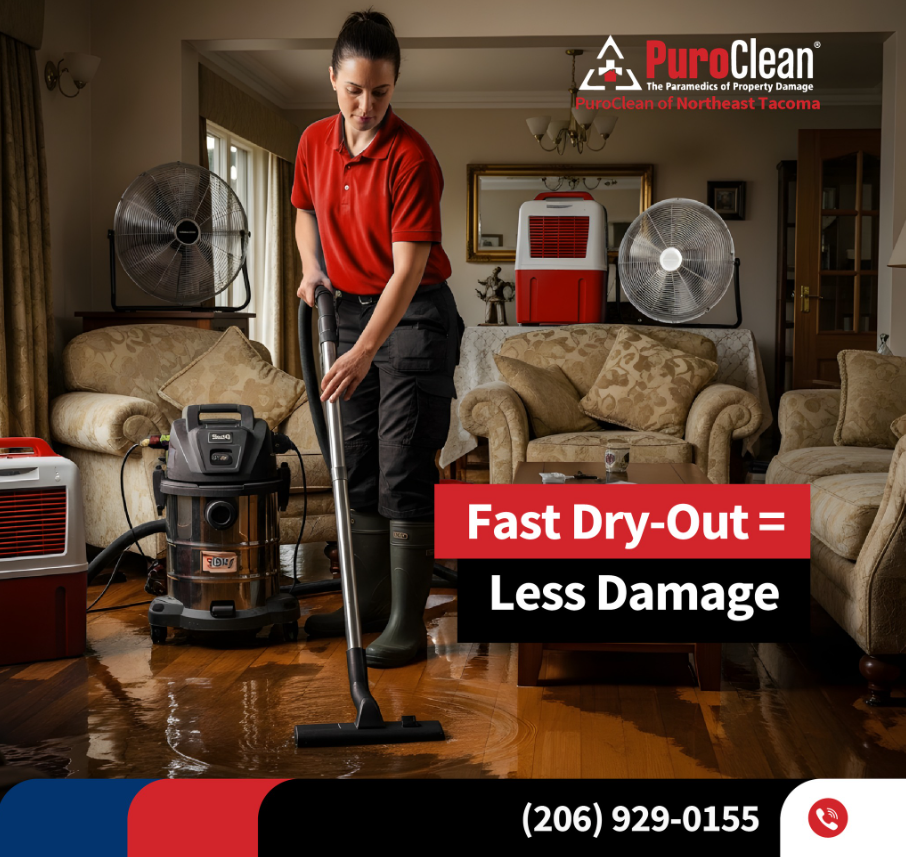
Use whatever you have; towels, mops, a wet/dry vacuum, a sump pump. The goal is to remove every visible drop of standing water from the surface of the floor within the first one to two hours.
For large-scale flooding, a sump pump or professional-grade water extractor is far more effective than manual methods. Time matters enormously here.
For a structured approach to this entire initial phase, this resource covers the critical window in detail: Water Damage Remediation: Steps in the First 24 Hours
Step 3: Clear the Floor Completely
Lift every rug, move every piece of furniture, remove every item sitting on the affected surface. Rugs trap moisture against the wood and dramatically slow drying. Furniture legs can also concentrate moisture pressure on specific boards, accelerating localized warping.
This includes the furniture in adjacent rooms if the water has spread beneath baseboards or under walls.
Step 4: Create Aggressive Air Movement
Open windows if outdoor humidity is below indoor humidity; typically below 60%. Place box fans or air movers blowing directly across the floor surface. The goal is not just to move air in the room; it is to create sustained airflow across every square foot of the floor.
Air movement breaks up the thin layer of saturated air that clings to the wood surface; which is what allows moisture to escape the wood fibers and evaporate.
Step 5: Run a Dehumidifier Continuously
This step cannot be skipped, and household dehumidifiers are often not powerful enough for the job. A standard residential dehumidifier pulls 30 to 50 pints of water per day. After a significant water event, you may need equipment that pulls three to five times that amount.
If you are navigating a water damage restoration insurance claim, note that professional-grade dehumidifier rental costs are often reimbursable. Keep all receipts and document the equipment used.
Step 6: Monitor Moisture Content
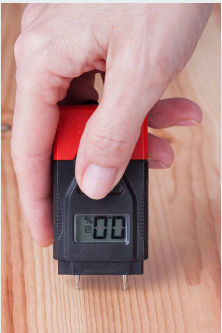
If you have access to a wood moisture meter, use it every 24 hours. Target 6% to 9% for hardwood. The readings will help you determine whether the drying process is actually progressing; rather than assuming the floor is dry because it feels dry to the touch.
Remember: wood dries from the outside in. The surface can feel dry to your hand while the core of the plank is still holding 18% to 22% moisture. Sanding or refinishing before the wood is fully dry creates a second wave of damage.
Step 7: Assess and Repair Once Fully Dry
Only after the wood reaches proper moisture content should you make repair decisions. At that point, your options are:
- Mild cupping that reversed naturally: Monitor for another week, then refinish if needed.
- Residual cupping after full drying: Sand lightly; starting from the center of each board and working outward; then refinish.
- Moderate board damage: Replace individual planks and blend with stain matching.
- Severe buckling or subfloor damage: Full professional assessment required before any flooring work begins.
For a detailed breakdown of hardwood-specific repair techniques, this post is worth reading in full: Hardwood Floor Water Damage Repair
How Long Does It Really Take for a Warped Floor to Dry?
Here is the honest answer most guides skip over: nobody can give you a precise timeline without measuring.
Under optimal conditions; professional-grade air movers, industrial dehumidifiers, reasonable room temperature, and low ambient humidity; a moderately affected hardwood floor can stabilize in 3 to 7 days. Floors with subfloor involvement, thicker planks, or significant saturation can take 2 to 4 weeks.
The variables that stretch drying time include:
The depth of water penetration into the wood. A quarter inch of surface exposure dries far faster than water that has wicked down into the tongue-and-groove joints and into the subfloor.
The ambient humidity of the space. In a humid Pennsylvania summer, drying a wet floor without a dehumidifier running is nearly impossible. The air is already saturated; it cannot absorb additional moisture from the wood.
Whether the subfloor is also wet. Subfloor moisture re-feeds the hardwood above it continuously if not addressed. Many homeowners think their floor is drying when actually the subfloor is re-moisturizing it from below overnight.
The age and sealing condition of the floor. An older floor with worn finish absorbs water much faster and deeper than a recently sealed floor. The deeper the water went, the longer the dry-out takes.
This is one of the core reasons that professional moisture monitoring makes such a tangible difference in outcomes. It removes all the guesswork.
Can the Floor Be Saved; or Does It Need to Go?
This is the question homeowners are most anxious to answer; and it is also the question that is most frequently answered incorrectly by well-meaning DIYers.
Here is a practical framework:
Your floor has a strong chance of recovery if: The water was caught and addressed within 24 hours. The warping is mild cupping only; with no boards fully separating from the subfloor. A moisture meter confirms the subfloor is also at or near normal moisture content. There is no musty smell indicating mold has already begun colonizing beneath the planks.
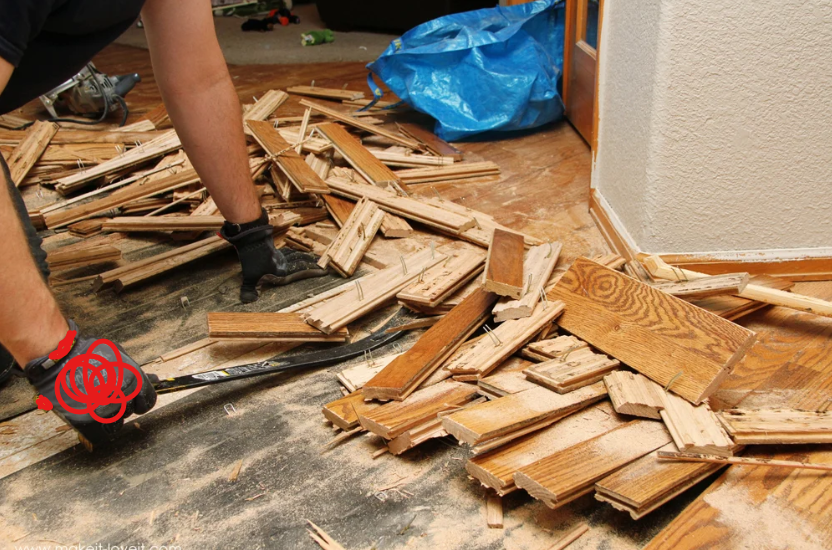
Replacement is likely necessary if: Boards have lifted more than a half inch from the subfloor surface. Nails or staples have pulled through the wood. The subfloor itself feels soft, spongy, or makes a hollow sound when tapped. Visible mold or dark staining is present along the seams or beneath lifted boards. The water sat for more than 48 to 72 hours before cleanup began.
One important nuance: partial replacement is often possible. You do not always face a binary choice between saving the whole floor and replacing the whole floor. A skilled restoration crew can replace only the damaged boards; blend the stain to match the surrounding wood; and refinish the entire surface for a seamless result.
That is a very different cost conversation than a full tear-out and reinstall.
Related resource: Emergency Water Damage Restoration
The Hidden Threat: What Happens If You Do Nothing
Let’s talk about the scenario many homeowners fall into: the floor looks like it might be okay, the water seems to have dried up on its own, and the inconvenience of dealing with restoration companies feels like more trouble than the problem itself.
This is a costly misconception.
Within 24 to 48 hours of water exposure in a warm environment, mold spores; which are naturally present in almost every home; begin to colonize. They do not need a lot of moisture. They need enough.
Beneath a hardwood floor is a dark, warm, poorly ventilated space. It is one of the most favorable environments mold can find. And once it establishes a colony beneath your boards, you are no longer dealing with a flooring problem. You are dealing with an air quality and health problem.
Mold remediation beneath established hardwood floors is significantly more invasive and expensive than water damage restoration would have been. The floor often has to come up entirely; the subfloor treated; the joists inspected; and the area dried before anything can go back down.
This is not a scare tactic. It is the consistent reality of water damage that goes ignored or incompletely addressed.
For context on what mold remediation looks like in this region: Mold Remediation in King of Prussia
When DIY Stops and Professional Help Begins
There is no shame in starting with what you have. Grabbing towels, running fans, moving furniture; those are the right first instincts. But there is a threshold beyond which DIY effort stops helping and starts masking the problem.
Call a water damage restoration professional when:
The affected area is larger than 10 square feet. The water has been present for more than 12 hours. The subfloor feels soft or unstable. You notice a musty or earthy odor that does not clear with ventilation. There is any discoloration at the seams that suggests mold. The water came from a contaminated source such as sewage or floodwater. You are filing a water damage restoration insurance claim and need documentation.
If you are searching for water damage restoration services near me in Montgomery County, the response time of the team you call matters as much as their certifications. Every additional hour before professional equipment is deployed is measurable additional damage.
PuroClean of Lansdale serves Schwenksville, Lansdale, Horsham, Harleysville, Blue Bell, Willow Grove, North Wales, Skippack, and all surrounding communities. Their certified team is available 24 hours a day, 7 days a week.
How PuroClean of Lansdale Approaches Wood Floor Restoration
PuroClean does not show up with a fan and hope for the best. Their process is structured, documented, and designed to protect both the property and the homeowner’s claim.
Certified Priority Response (CPR): This program is PuroClean’s formal commitment to faster response, pre-agreed scope of work, and insurance-compatible documentation. For homeowners navigating a water damage restoration insurance claim, CPR means less back-and-forth with adjusters and faster approvals.
Thermal Imaging and Moisture Mapping: Industrial moisture meters and infrared cameras allow the team to identify hidden moisture pockets beneath the floor surface; the ones a visual inspection will never reveal. This is how they know the drying is actually complete; not just how it appears.
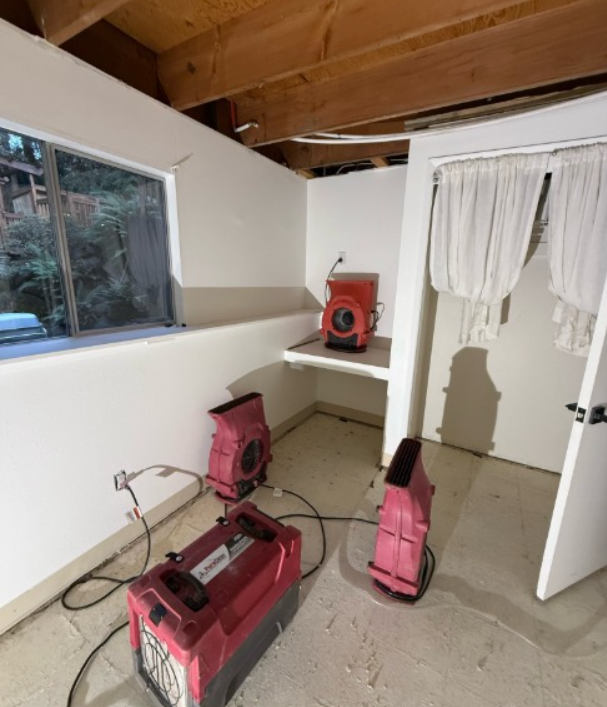
Structural Drying Protocol: Professional-grade air movers and desiccant dehumidifiers are placed strategically based on the moisture map readings; not just wherever there is an open outlet. The placement is calculated for maximum drying efficiency.
Antimicrobial Treatment: Because mold risk begins within 24 to 48 hours, PuroClean applies antimicrobial treatments to affected areas during the drying phase; as a preventive measure rather than a reactive one.
Full Insurance Coordination: PuroClean works directly with major carriers including Nationwide, Encompass, Alacrity Services, Vericlaim, and Crawford Contractor Connection. This protects homeowners from being caught between their contractor and their insurer.
Area-specific restoration guides that may be helpful:
- Water Damage Restoration in Willow Grove
- Water Damage Restoration in Schwenksville
- Water Damage Restoration in Skippack
Can a warped wood floor go back to normal on its own?
Mild cupping caused by brief moisture exposure sometimes reverses naturally as the wood dries; particularly if the environment is kept at low humidity with good airflow. However, this self-correction is uneven and unreliable without controlled drying conditions. Most cases benefit from professional drying to ensure the moisture leaves uniformly rather than leaving isolated wet pockets that cause secondary warping or mold.
Does homeowners insurance cover warped hardwood floors?
Generally yes; if the cause was sudden and accidental. A burst pipe, appliance overflow, or storm-related roof leak are typically covered events. Slow, gradual leaks that you knew about or should have known about are often denied. Always photograph the damage before any cleanup and report to your insurer as soon as possible.
Can I sand a warped floor to flatten it?
Only after it has reached its target moisture content; typically 6% to 9%. Sanding a floor that is still wet causes the surface to appear flat while the wet interior continues to move; resulting in new warping, crowning, or cracking within days of the repair.
How do I stop future water damage to my hardwood floors?
Address plumbing leaks within hours, not days. Keep indoor humidity between 35% and 55% year-round. Apply floor sealant on schedule. Install moisture barriers in any below-grade spaces. For a comprehensive prevention checklist: 10 Ways to Prevent Water Damage
Conclusion
A warped wood floor is serious; but it is not automatically the end of your floor.
What it is, every single time, is urgent. The difference between a floor that can be refinished and one that must be replaced is measured in hours; not days. Every hour water stays in contact with wood fibers is another hour of expansion, another hour of structural stress, another hour closer to the mold threshold.
The seven steps in this guide give you a strong foundation for an immediate response. But they also come with an honest acknowledgment: the point at which professional restoration equipment, moisture mapping, and certified drying protocols make a real difference comes sooner than most homeowners expect.
If your hardwood floor is already showing signs of warping, do not wait to see if it gets better on its own. Call the team that knows exactly what to do.
Contact PuroClean of Lansdale ; available 24/7, serving all of Montgomery County.
Stay connected with PuroClean of Lansdale: Facebook | Instagram | LinkedIn | X (Twitter)
See what Montgomery County homeowners are saying: Read Google Reviews & Get Directions