


Table of Contents
Property damage insurance claims are denied for five main reasons: inadequate documentation (40% of cases), late filing beyond policy deadlines, policy exclusions for specific damage types, insufficient coverage amounts, and maintenance negligence.
Homeowners can increase approval odds by documenting damage immediately, understanding policy exclusions, hiring public adjusters, and following proper appeal procedures within 30-60 days of denial.
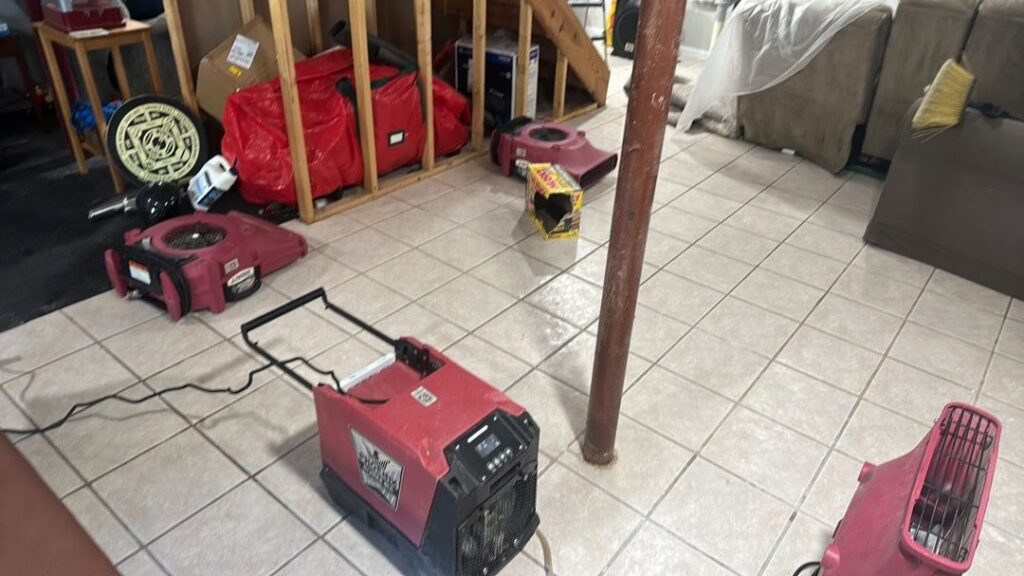
Picture this: You wake up to find your basement completely flooded after last night’s severe thunderstorm. Water has damaged your flooring, furniture, and electrical systems. You immediately call your insurance company, file your claim, and wait for relief.
Three weeks later, instead of a check, you receive a devastating letter: “Claim Denied.”
If this scenario sounds familiar, you’re not alone. According to industry data, approximately 30% of property damage insurance claims face initial denial, leaving homeowners frustrated and financially vulnerable.
People Also Read : 7 Surprising Things Your Homeowners Insurance Won’t Cover
This comprehensive guide reveals why property damage claims get denied, what critical mistakes homeowners make, and most importantly, the proven strategies to turn your denial into an approval. Whether you’re dealing with water damage, fire damage, or storm-related destruction, these insights could save you thousands of dollars.
The Shocking Reality: Real Stories of Denied Claims
Sarah’s Kitchen Fire Nightmare in Lansdale, PA
Sarah thought she had comprehensive coverage until disaster struck her Lansdale home. A kitchen fire caused by faulty wiring destroyed her cabinets, damaged walls, and ruined appliances worth $15,000.
Her insurance company’s response? Claim denied due to “negligence in maintenance.”
The adjuster argued that the electrical wiring had been deteriorating for years, making Sarah responsible for the damage. Despite the fire marshal ruling it accidental, the insurance company found their loophole and left Sarah with the entire bill.
This case illustrates a harsh reality: insurance companies look for reasons to deny claims, not approve them.

The $25,000 Basement Flood That “Never Happened”
Mike from Plymouth Meeting faced a different nightmare. After heavy rains caused his finished basement to flood, destroying electronics, furniture, and creating potential mold issues, his insurer claimed the damage was from “gradual seepage” rather than sudden flooding.
The result? A $25,000 denial that took eight months to overturn through legal action.
These stories aren’t unique. They represent thousands of homeowners who discover too late that having insurance doesn’t guarantee coverage.
The Top 7 Reasons Property Damage Insurance Claims Get Denied
Understanding why claims get rejected is your first line of defense. Here are the most common reasons insurers use to deny property damage claims:
1. Inadequate Documentation (40% of Denials)
The Problem: Most homeowners fail to properly document their damage, providing insufficient evidence for their claims.
Common Documentation Failures:
- Blurry or incomplete photos
- Missing inventory lists
- No proof of item values
- Lack of professional damage assessments
- Missing maintenance records
The Solution: Create a comprehensive documentation package including high-resolution photos from multiple angles, detailed inventory lists with receipts, and professional damage assessments.
2. Missing Filing Deadlines (25% of Denials)
The Reality: Insurance policies contain strict time limits for filing claims, typically ranging from 30 to 90 days depending on your provider and damage type.
Why Homeowners Miss Deadlines:
- Assuming they have unlimited time
- Waiting for contractors to assess damage
- Dealing with immediate safety concerns first
- Not understanding policy requirements
Critical Timing Guidelines:
- Immediate notification: Contact your insurer within 24-48 hours
- Formal claim filing: Submit within 7-10 days maximum
- Documentation submission: Complete within 30 days
3. Policy Exclusions and Fine Print (20% of Denials)
Standard homeowner’s insurance policies exclude numerous types of damage that catch homeowners off-guard:
Commonly Excluded Damages:
- Flood damage (requires separate flood insurance)
- Earthquake damage
- Mold growth (unless from covered perils)
- Pest infestations
- Gradual wear and tear
- Maintenance-related issues
- Certain weather events (depending on region)
4. Insufficient Coverage Limits (15% of Denials)
Many homeowners discover too late that their coverage limits fall short of actual replacement costs.
Coverage Limit Issues:
- Outdated home valuations
- Not accounting for construction cost increases
- Inadequate personal property coverage
- Missing additional living expenses coverage
5. Maintenance Negligence Arguments (10% of Denials)
Insurance companies frequently argue that damage resulted from poor maintenance rather than covered perils.
Common Maintenance Disputes:
- Roof leaks from missing shingles
- Pipe bursts from frozen pipes
- Electrical fires from old wiring
- HVAC system failures
6. Pre-Existing Damage Claims
Insurers may deny claims by arguing damage existed before the covered event occurred.
7. Fraudulent or Inflated Claims
Exaggerating damage or including unrelated items can result in complete claim denial and potential policy cancellation.
What Most Homeowners Miss: The Hidden Preparation Steps
Successful claims start long before damage occurs. Here are critical steps most homeowners overlook:
Annual Home Risk Assessments
Why It Matters: Professional inspections identify potential problems before they become insurance nightmares.
Key Areas to Inspect:
- Roofing and gutters
- Plumbing systems
- Electrical wiring
- HVAC systems
- Foundation and drainage
- Trees and landscaping hazards
Creating a Home Inventory System
Digital Documentation Strategy:
- Video walkthrough of your entire home
- Photograph valuable items with serial numbers
- Store receipts and appraisals in cloud storage
- Update inventory annually
- Include renovation and improvement records
Understanding Your Specific Policy
Critical Policy Review Points:
- Coverage limits for different damage types
- Deductible amounts and how they apply
- Exclusions specific to your region
- Additional living expenses coverage
- Replacement cost vs. actual cash value
10 Proven Strategies to Get Your Property Damage Claim Approved
Strategy 1: Immediate Damage Response Protocol
Within the First 24 Hours:
- Ensure safety and prevent further damage
- Contact your insurance company
- Take comprehensive photos and videos
- Begin detailed damage inventory
- Keep all receipts for emergency repairs
Strategy 2: Professional Documentation
Hire Qualified Professionals:
- Public adjusters for complex claims
- Professional photographers for damage documentation
- Restoration specialists for damage assessment
- Engineers for structural damage evaluation
Strategy 3: The Three-Estimate Rule
Always obtain at least three professional estimates for repairs. This demonstrates due diligence and provides negotiating leverage with your insurer.
Strategy 4: Detailed Communication Records
Document Everything:
- Keep written records of all phone conversations
- Follow up verbal communications with email summaries
- Save all correspondence from your insurer
- Note claim numbers and adjuster contact information
Strategy 5: Understanding Adjuster Tactics
Common Adjuster Strategies:
- Lowball initial offers
- Rushing settlement negotiations
- Minimizing damage severity
- Questioning maintenance history
Your Counter-Strategies:
- Never accept the first offer
- Request detailed explanation of coverage decisions
- Provide additional evidence when necessary
- Consider independent adjuster evaluation
Strategy 6: Emergency Repair Documentation
Proper Emergency Repair Protocol:
- Photograph damage before making repairs
- Get approval for major emergency repairs
- Keep all receipts and contractor information
- Document that repairs were necessary to prevent further damage
Strategy 7: The Power of Public Adjusters
When to Hire a Public Adjuster:
- Claims over $10,000
- Complex damage assessments
- Initial claim denials
- Disputes over coverage amounts
Public Adjuster Benefits:
- Industry expertise and relationships
- Detailed damage documentation
- Negotiation experience
- Typically work on contingency (6-15% of settlement)
Strategy 8: Leveraging Restoration Company Expertise
Professional restoration companies like PuroClean provide valuable claim support:

Restoration Company Advantages:
- Experience with insurance procedures
- Professional damage documentation
- Direct insurance company relationships
- Technical expertise in damage assessment
Strategy 9: The Strategic Appeal Process
If Your Claim Gets Denied:
Step 1: Request Detailed Denial Explanation
- Ask for specific policy language supporting denial
- Request all adjuster notes and reports
- Get copies of all documentation reviewed
Step 2: Gather Additional Evidence
- Obtain independent professional assessments
- Collect expert opinions on damage causation
- Gather additional supporting documentation
Step 3: Formal Appeal Submission
- Write detailed appeal letter addressing denial reasons
- Include new evidence and expert opinions
- Submit within policy appeal deadlines (typically 60 days)
Step 4: External Review Options
- State insurance commissioner complaints
- Third-party mediation services
- Legal consultation for significant claims
Strategy 10: Legal Action Considerations
When to Consider Legal Action:
- Claims over $25,000
- Clear bad faith insurance practices
- Multiple claim denials without justification
- Unreasonable delay tactics
State-Specific Considerations for Property Damage Claims
Pennsylvania Property Damage Claim Laws
Key Pennsylvania Regulations:
- 30-day claim acknowledgment requirement
- Unfair claims practices protections
- Public adjuster licensing requirements
- Mediation options through state programs
Regional Weather Considerations
Midwest-Specific Coverage Issues:
- Tornado and severe storm coverage
- Freeze damage exclusions
- Flooding vs. water damage distinctions
- Hail damage assessment procedures
Technology Tools for Modern Claims Management
Digital Documentation Apps
Recommended Apps:
- Know Your Stuff (inventory management)
- Encircle (professional documentation)
- PropertyRadar (property information)
- Weather apps for documenting conditions
Cloud Storage Solutions
Maintain secure backups of all claim-related documentation using services like Google Drive, Dropbox, or iCloud.
Working with Professional Restoration Services

Choosing the Right Restoration Company
Selection Criteria:
- Proper licensing and insurance
- IICRC certifications
- Local reputation and reviews
- 24/7 emergency response
- Insurance claim experience
The Restoration-Insurance Partnership
Quality restoration companies provide:
- Professional damage assessments
- Detailed repair estimates
- Direct insurance company communication
- Progress documentation
- Quality assurance throughout repairs
Common Mistakes That Guarantee Claim Denial
Documentation Disasters
Avoid These Errors:
- Cleaning up before documentation
- Throwing away damaged items too quickly
- Inadequate photo documentation
- Missing damage inventory
Communication Catastrophes
Communication Don’ts:
- Admitting fault or negligence
- Providing inconsistent information
- Verbal-only communications
- Ignoring adjuster requests
Timing Troubles
Critical Timing Mistakes:
- Delayed damage reporting
- Missing documentation deadlines
- Rushing settlement decisions
- Not following up on claim status
The Future of Property Damage Claims
Technology Trends
Emerging Technologies:
- Drone damage assessments
- AI-powered damage analysis
- Virtual claim inspections
- Blockchain documentation systems
Regulatory Changes
Recent Industry Developments:
- Increased consumer protection laws
- Transparency requirements for insurers
- Standardized claim processing procedures
- Enhanced public adjuster regulations
Conclusion: Taking Control of Your Property Damage Claim
Property damage claims don’t have to end in denial and frustration. By understanding why claims get rejected, preparing properly, and implementing proven approval strategies, you can significantly increase your chances of a successful outcome.
Key Takeaways:
- Document everything immediately and comprehensively
- Understand your policy exclusions and limitations
- Don’t accept the first offer without negotiation
- Consider professional help for significant claims
- Know your appeal rights and deadlines
Remember: Insurance companies are businesses focused on minimizing payouts. Your job is to provide irrefutable evidence that your claim deserves approval under your policy terms.
Action Steps:
- Review your current insurance policy for gaps
- Create a comprehensive home inventory
- Establish relationships with qualified restoration professionals
- Understand your state’s insurance regulations
- Keep this guide handy for future reference
Don’t let a denied claim derail your recovery. With proper preparation and strategic action, you can successfully navigate the property damage claim process and get the coverage you’ve been paying for.
Protect Your Investment & Restore Your Peace of Mind
Don’t let water damage and potential mold growth overwhelm you. Contact PuroClean of Lansdale today at (267) 834-5900 for a free consultation. We’ll be there to guide you through the restoration process and ensure your property is restored quickly, safely, and efficiently.