


Table of Contents
Water damage restoration in Lansdale requires immediate action and professional expertise to prevent long-term structural issues and health hazards. Whether you’re dealing with a burst pipe, severe storm flooding, or appliance malfunction, understanding the restoration process can save you thousands of dollars and protect your family’s health. This comprehensive guide reveals the exact steps restoration professionals use to return your property to pre-loss condition, helping you make informed decisions during one of the most stressful situations homeowners face.
Understanding Water Damage Categories and Classes
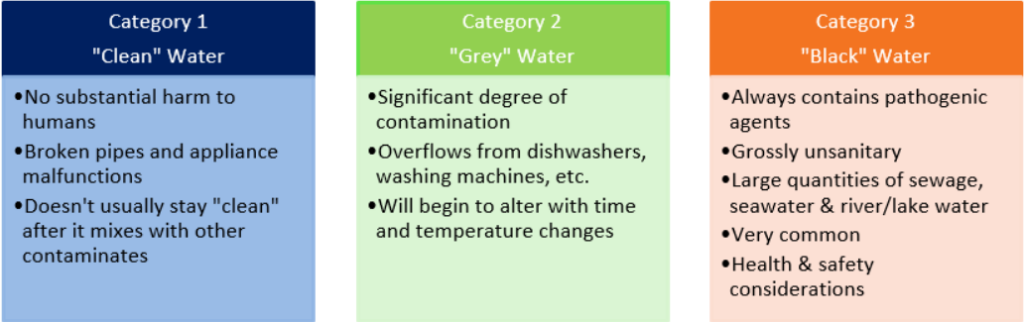
Before diving into the restoration process, it’s essential to understand that not all water damage is created equal. Water damage restoration in Lansdale professionals classify water damage into three distinct categories based on contamination levels.
Category 1 water, often called “clean water,” comes from sanitary sources like broken water supply lines, sink overflows, or rainwater. While this water is initially clean, it can quickly deteriorate into Category 2 if left untreated for 24-48 hours.
Category 2 water, known as “gray water,” contains significant contamination that could cause discomfort or illness if consumed. Sources include washing machine discharge, toilet overflow with urine, or sump pump failures.
Category 3 water is “black water,” the most dangerous type containing pathogenic agents. This includes sewage backups, flooding from rivers or streams, and water that has been stagnant for extended periods.
Classes of water damage refer to the evaporation rate and how much water the materials in the space have absorbed. Class 1 involves minimal absorption in materials with low porosity; Class 2 affects an entire room with significant absorption; Class 3 indicates the fastest evaporation rate with water coming from overhead; and Class 4 requires specialty restoration due to deeply saturated materials like hardwood, plaster, or concrete.
Step 1: Emergency Contact and Rapid Response
Time is your enemy when water invades your property. The first critical step in water damage restoration in Lansdale is making that emergency call to a certified restoration company. Every minute counts; water can spread throughout your property in minutes, saturating everything in its path.
Professional restoration companies operating in the Lansdale area maintain 24/7 emergency response teams ready to deploy within hours of your call. When you contact a restoration specialist at (267) 834-5900, they’ll ask specific questions about your situation to prepare the appropriate equipment and personnel.
During this initial contact, provide details about the water source if known, the extent of visible damage, any safety concerns, and whether electricity needs to be shut off. The dispatcher will guide you through immediate safety steps while crews prepare to respond.
The Certified Priority Response program streamlines this process for property managers and insurance agents, ensuring rapid deployment and clear communication protocols. This systematic approach reduces claim costs while maximizing customer satisfaction through predictable, efficient service delivery.
Upon arrival, the restoration team conducts an immediate safety assessment. They’ll check for electrical hazards, structural concerns, and contamination levels before beginning work. This preliminary evaluation determines which areas are safe for occupancy and what immediate containment measures are necessary.
Step 2: Comprehensive Property Inspection and Damage Assessment
Once the emergency response team arrives, they conduct a thorough inspection using advanced technology to map the full extent of damage. This step is crucial for water damage restoration in Lansdale because water often travels through walls, under flooring, and into areas not immediately visible to property owners.
Restoration professionals use moisture meters to measure water content in various materials, infrared cameras to detect hidden moisture behind walls and ceilings, and hygrometers to measure humidity levels throughout the affected space. This scientific approach ensures no wet areas are overlooked, preventing mold growth and structural deterioration.
The inspection team documents everything meticulously, photographing damage from multiple angles, recording moisture readings in different materials, and creating detailed floor plans showing affected areas. This documentation becomes invaluable when filing insurance claims and tracking restoration progress.

Based on the assessment, professionals develop a comprehensive restoration plan outlining the scope of work, estimated timeline, and required equipment. This plan considers the water category, damage class, affected materials, and any potential complications like asbestos-containing materials in older Lansdale properties.
The assessment also identifies salvageable versus non-salvageable materials. Some items can be dried and restored, while others require replacement. Making these determinations early prevents wasted effort on items beyond repair and accelerates the overall restoration timeline.
Step 3: Water Extraction and Removal
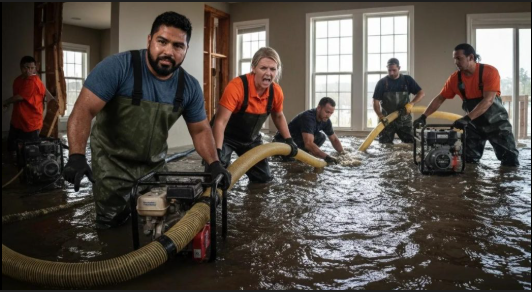
Water extraction is where the physical restoration work begins. Professional water damage restoration in Lansdale teams deploy powerful equipment designed to remove standing water quickly and efficiently. The faster water is removed, the less damage occurs to building materials and contents.
For significant flooding, truck-mounted extraction units provide maximum power, capable of removing thousands of gallons per hour. Portable extractors handle smaller areas or locations where truck-mounted units can’t reach. Submersible pumps tackle deep standing water in basements or crawl spaces.
The extraction process follows a systematic approach, starting with the deepest water accumulations and working toward shallower areas. Technicians carefully monitor the extraction to prevent additional damage; removing water too quickly from certain situations can cause structural issues.
After removing standing water, professionals use specialized tools for extracting water from carpets, padding, and upholstery. Weighted extraction wands, truck-mounted systems, and portable extractors work in combination to achieve maximum water removal from saturated materials.
Even after visible water is gone, building materials retain significant moisture. This is why extraction alone isn’t sufficient; it’s merely the first phase of water removal. The materials may feel damp to the touch or contain moisture deep within their structure, requiring the next critical phase.
Step 4: Drying and Dehumidification Process
The drying phase is perhaps the most time-intensive aspect of water damage restoration in Lansdale, often taking several days to complete properly. This step cannot be rushed; attempting to accelerate drying beyond what’s scientifically appropriate can cause additional damage like warping, cracking, or shrinking of materials.
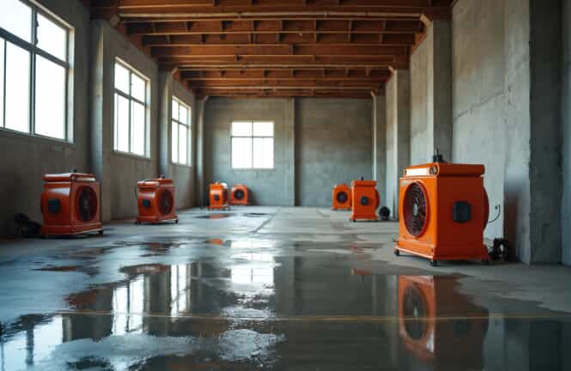
Industrial-grade air movers create continuous airflow across wet surfaces, promoting evaporation at the molecular level. These aren’t ordinary fans; they’re precisely engineered to move massive volumes of air at specific velocities optimized for drying various materials.
Dehumidifiers work alongside air movers to remove moisture from the air. As materials release water vapor into the air, dehumidifiers capture it, maintaining optimal humidity levels that facilitate continued drying. Without dehumidification, the air becomes saturated, halting the drying process.
Professional restoration teams monitor the drying process continuously using moisture meters and documenting readings multiple times daily. This data-driven approach ensures materials reach appropriate dryness standards before proceeding to the next phase.
Different materials require different drying times. Drywall may dry in 3-5 days, hardwood flooring might need 5-7 days, and concrete can require 2-4 weeks depending on thickness and saturation depth. Restoration professionals understand these variables and adjust equipment placement and drying times accordingly.
Temperature control also plays a role in effective drying. Warmer air holds more moisture, so maintaining appropriate temperatures accelerates drying without causing damage. Some situations require specialized drying chambers for contents or targeted heat application for specific materials.
Step 5: Cleaning, Sanitizing, and Deodorizing
Once materials reach appropriate dryness levels, water damage restoration in Lansdale professionals begin comprehensive cleaning and sanitization. This step is essential even with Category 1 clean water because moisture creates ideal conditions for bacterial growth, and materials often contact contaminated surfaces during water events.
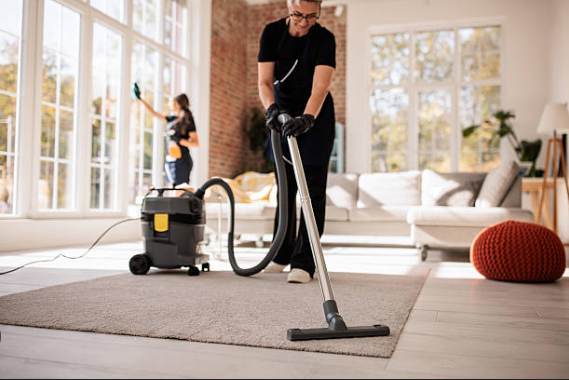
All affected surfaces undergo thorough cleaning using professional-grade antimicrobial solutions. These products eliminate bacteria, viruses, and other microorganisms without damaging building materials. The cleaning process varies based on material type; what works for tile differs from what’s appropriate for wood or fabric.
Contents like furniture, clothing, and personal items receive specialized cleaning treatments. Restoration companies often operate climate-controlled facilities where contents are carefully cleaned, deodorized, and restored. Items requiring specialized treatment go to subcontractors who specialize in specific restoration types.
Odor removal is a critical component often overlooked by property owners attempting DIY restoration. Water damage creates musty odors from bacterial growth and material decomposition. Simply masking these odors with air fresheners is ineffective; the source must be eliminated.
Professional deodorization uses several technologies depending on odor severity. Thermal fogging releases deodorizing particles that penetrate materials where odors hide. Ozone generators oxidize odor-causing molecules at the molecular level. Hydroxyl generators provide an alternative to ozone for occupied spaces or sensitive materials.
Air scrubbers with HEPA filtration remove airborne particles and contaminants during the restoration process, improving indoor air quality and preventing cross-contamination to unaffected areas. This equipment runs continuously during cleaning and restoration phases.
Step 6: Restoration and Reconstruction
Restoration encompasses two distinct levels of work depending on damage severity. Minor restoration involves replacing carpet, repainting walls, and installing new baseboards or trim; tasks completed relatively quickly by experienced restoration crews.
Major restoration or reconstruction becomes necessary when water damage restoration in Lansdale involves significant structural damage. This might include rebuilding entire rooms, replacing substantial sections of drywall, installing new subflooring, or even reconstructing multiple floors in severe flooding situations.
The reconstruction phase follows building codes and permits requirements specific to Lansdale and Montgomery County. Professional restoration companies handle permit applications, inspections, and ensure all work meets or exceeds current building standards.
Material selection during reconstruction considers both aesthetics and future water resistance. Many property owners upgrade to water-resistant materials in areas prone to moisture exposure. These decisions balance budget considerations with long-term property protection.
Coordination between various trades; electricians, plumbers, HVAC specialists, and carpenters; requires project management expertise. Restoration companies serving Lansdale maintain relationships with licensed subcontractors who understand the unique requirements of restoration work versus new construction.
Timeline management during reconstruction keeps projects on schedule while maintaining quality standards. Unexpected discoveries during demolition sometimes extend timelines, but experienced restoration companies anticipate potential complications and build appropriate contingencies into project schedules.
Step 7: Final Inspection and Prevention Planning
The final inspection verifies that all restoration work meets industry standards and the property is safe for occupancy. Water damage restoration in Lansdale professionals conduct comprehensive final inspections using the same advanced technology employed during the initial assessment.
Moisture readings are taken throughout the affected area to confirm all materials have reached appropriate dryness levels. These readings are compared to baseline measurements taken from unaffected areas to ensure uniformity. Any materials showing elevated moisture receive additional attention before final approval.
Visual inspections verify workmanship quality, ensuring paint is evenly applied, trim fits properly, and reconstructed areas match existing finishes. This attention to detail separates professional restoration from amateur repair work.
Indoor air quality testing may be conducted to verify no mold growth or contamination remains. This is particularly important for properties that experienced Category 2 or 3 water damage, where health concerns are paramount.

Documentation packages provide property owners with complete records of the restoration process, including initial damage assessment photos, moisture readings throughout the process, work performed, materials used, and final inspection results. This documentation is valuable for insurance purposes and future property transactions.
Prevention planning concludes the restoration process by helping property owners avoid future water damage. Professionals identify vulnerabilities discovered during restoration and recommend preventive measures like improved drainage, sump pump installation, or pipe insulation.
Many restoration companies offer maintenance programs designed to catch potential problems before they cause damage. Regular inspections of plumbing systems, roofs, and basements can prevent the majority of residential water damage incidents.
Common Causes of Water Damage in Lansdale Homes
Understanding what causes water damage helps Lansdale homeowners take preventive action. The most common culprits include burst pipes during winter months when temperatures drop below freezing, washing machine supply line failures, water heater malfunctions, roof leaks from aging shingles or ice dams, and basement flooding from heavy rainfall or snowmelt.
Lansdale’s climate presents unique challenges. Winter temperatures regularly drop below freezing, putting pipes at risk, especially in unheated areas like garages, crawl spaces, and exterior walls. Spring thaw and heavy rains saturate the ground, increasing hydrostatic pressure against basement foundations and overwhelming drainage systems.
Appliance-related water damage is increasingly common as washing machines, dishwashers, and refrigerator ice makers age. Supply lines deteriorate over time, and small leaks often go unnoticed until significant damage occurs. Regular inspection and replacement of these lines every 5-7 years prevents most appliance-related water damage.
Clogged gutters and downspouts contribute to water damage by allowing water to pool near foundations. During heavy rains, this water finds paths into basements through cracks, windows, or compromised waterproofing. Maintaining clear gutters and proper grading around foundations prevents these issues.
Sewer backups, while less common, cause devastating damage when they occur. Tree root intrusion, aging sewer lines, and municipal sewer system overload during heavy rains all contribute to backups. Installing backwater valves and conducting regular sewer line inspections reduce this risk significantly.
Why Professional Restoration Matters
Many Lansdale property owners initially consider handling water damage restoration themselves to save money. While this approach seems logical for minor incidents, it often leads to more expensive problems down the road. Professional water damage restoration in Lansdale provides expertise, equipment, and efficiency that DIY approaches cannot match.
The most significant risk of DIY restoration is hidden moisture. Without professional-grade detection equipment, moisture trapped in wall cavities, under flooring, or in structural elements goes undetected. Within 24-48 hours, this moisture creates ideal conditions for mold growth, which can spread throughout a property rapidly.
Mold remediation costs often exceed the original water damage restoration cost, particularly when mold spreads to HVAC systems, distributing spores throughout the property. Professional restoration prevents this scenario through thorough drying and antimicrobial treatment.
Equipment investment presents another DIY challenge. Professional-grade air movers, dehumidifiers, extractors, and moisture detection tools represent tens of thousands of dollars in investment. Rental equipment, while available, often represents consumer-grade tools less effective than professional equipment.
Time considerations also favor professional restoration. Water damage requires immediate, continuous attention. Professionals work in shifts to monitor and adjust equipment 24/7, something impossible for homeowners juggling work and family responsibilities.
Insurance companies increasingly require professional restoration for coverage. Many policies specify that professional mitigation must begin within a certain timeframe to maintain coverage. DIY attempts may void insurance coverage or result in reduced claim payments.
Insurance Claims and Documentation
Navigating insurance claims adds stress to an already difficult situation. Professional water damage restoration in Lansdale companies assist with this process through comprehensive documentation, direct communication with adjusters, and understanding of insurance requirements.
The claims process begins with immediate notification to your insurance company. Most policies require prompt notification; delays can jeopardize coverage. When you call, you’ll receive a claim number and adjuster assignment. Document this information carefully along with the date and time of notification.
Detailed documentation is essential for successful claims. Take extensive photographs and videos of all damage before any cleanup begins. Capture wide shots showing overall damage and close-ups of specific issues. Document water sources, affected materials, and damaged contents.
Creating an inventory of damaged items with descriptions, approximate values, and purchase dates (if known) strengthens your claim. Receipts, if available, should be provided, but claims aren’t denied simply because receipts don’t exist. Reasonable valuations based on research are acceptable.
Professional restoration companies provide documentation that insurance adjusters expect, including moisture mapping, equipment logs, daily progress reports, and before/after photographs. This documentation demonstrates that work is necessary, appropriately scoped, and properly executed.
Some restoration companies work directly with insurance companies through preferred vendor programs. These arrangements streamline the claims process, often resulting in faster approvals and payment. However, property owners always have the right to choose their restoration company regardless of insurance recommendations.
Understanding your policy’s coverage limits, deductibles, and exclusions helps set realistic expectations. Most homeowners policies cover sudden and accidental water damage but exclude gradual damage or flood damage. Flood coverage requires separate flood insurance through the National Flood Insurance Program or private insurers.
Preventing Future Water Damage
Prevention is always more cost-effective than restoration. Lansdale homeowners can take numerous steps to protect their properties from water damage, starting with regular maintenance and inspection of critical systems.
Plumbing system inspections should occur annually, focusing on visible pipes, connections, and fixtures. Look for signs of corrosion, mineral buildup, or small leaks that indicate developing problems. Replacing aging plumbing before failure prevents emergency situations.
Water heater maintenance extends equipment life and prevents catastrophic failures. Annual flushing removes sediment, inspection of the pressure relief valve ensures proper function, and replacing anode rods as needed prevents tank corrosion. Most water heaters should be replaced every 10-12 years regardless of apparent condition.
Washing machine supply lines deserve special attention as they’re under constant pressure and prone to failure. Replace standard rubber hoses with braided stainless steel lines, which resist bursting significantly better. Consider installing automatic shutoff valves that detect leaks and stop water flow.
Basement waterproofing investments pay dividends for Lansdale homes, especially those built before modern waterproofing standards were implemented. Interior and exterior waterproofing options include sump pump installation, French drain systems, foundation crack repair, and waterproof coating application.
Sump pump maintenance is critical for homes relying on these systems for basement protection. Test pumps monthly by pouring water into the pit to ensure automatic activation. Battery backup systems protect against pump failure during power outages, which often accompany the severe weather that necessitates sump pump operation.
Gutter and downspout maintenance prevents water from pooling near foundations. Clean gutters at least twice yearly, ensure downspouts extend at least 6 feet from foundations, and verify proper slope directs water away from the structure. Consider gutter guards to reduce maintenance frequency.
Roof inspections should occur annually and after severe weather events. Look for missing, damaged, or aging shingles; inspect flashing around chimneys, vents, and skylights; and check for signs of ice dam damage in valleys and along eaves. Addressing minor issues prevents major leaks.
Winter property preparation is essential in Lansdale’s climate. Insulate pipes in unheated areas, disconnect and drain outdoor hoses, shut off exterior water supplies, and maintain adequate home heating even when away. During extreme cold, allowing faucets to drip slightly prevents pipe freezing.
Smart home technology offers new prevention tools. Water leak detectors placed near water heaters, washing machines, and under sinks alert homeowners to leaks immediately via smartphone. Automatic water shutoff systems detect abnormal flow patterns and shut off the main water supply, preventing damage when homeowners are away.
Choosing the Right Restoration Company
Selecting a qualified water damage restoration in Lansdale company determines the success of your restoration project. Not all restoration companies offer the same level of expertise, equipment, and service. Several factors differentiate professional operations from less qualified competitors.
Certification from the Institute of Inspection, Cleaning and Restoration Certification (IICRC) demonstrates that technicians have completed comprehensive training in water damage restoration. IICRC certification isn’t a one-time achievement; continuing education requirements ensure technicians remain current with industry best practices.
Experience specifically with water damage restoration matters significantly. Companies offering restoration alongside numerous other unrelated services may lack focused expertise. Established restoration specialists understand the nuances of different damage scenarios and can anticipate complications before they occur.
Response time capabilities separate emergency restoration companies from general contractors. True emergency response means 24/7 availability with teams ready to deploy within hours, not days. Companies maintaining emergency response capabilities invest in personnel, equipment, and logistics that occasional restoration providers cannot match.
Equipment inventory indicates a company’s capability to handle various damage scenarios. Professional operations maintain extensive equipment inventories including commercial-grade extractors, dehumidifiers, air movers, and detection technology. This equipment represents significant investment that serious restoration companies make to serve clients properly.
Insurance industry relationships demonstrate a company’s credibility. Restoration companies maintaining strong relationships with major insurance carriers have proven their ability to deliver quality work, proper documentation, and fair pricing. While property owners aren’t obligated to use insurance-preferred vendors, these relationships indicate reliability.
Local presence matters for emergency response and understanding regional challenges. Companies serving Lansdale understand the area’s specific water damage risks from weather patterns, construction types, and seasonal challenges. This local expertise translates to more effective restoration strategies.
References and reviews provide insight into customer experiences. Check online reviews on multiple platforms, request references from recent projects, and verify complaints with the Better Bay Business Bureau. Patterns in reviews reveal whether companies consistently deliver quality service.
Visit the company’s social media presence to assess their engagement with the community and ongoing operations. Active companies regularly post educational content, project updates, and community involvement, indicating commitment to the area they serve.
Communication style during initial contact often predicts the service experience. Companies answering questions thoroughly, explaining processes clearly, and demonstrating genuine concern for your situation will likely provide superior service throughout the restoration process.
Conclusion
Water damage restoration in Lansdale requires professional expertise, advanced equipment, and systematic processes to achieve complete property recovery. The seven steps outlined in this guide; emergency response, comprehensive assessment, water extraction, drying and dehumidification, cleaning and sanitizing, restoration and reconstruction, and final inspection; work together to return properties to pre-loss condition while preventing long-term complications like mold growth and structural damage.
Understanding this process helps property owners make informed decisions during emergency situations, recognize the value professional restoration provides, and take preventive measures to protect their properties. Time is critical when water damage occurs; immediate professional response significantly reduces damage severity and restoration costs.
For 24/7 emergency water damage restoration in Lansdale, contact the certified professionals at (267) 834-5900. Located at 2033 Lucon Rd, Bldg. Rear, Schwenksville, PA 19473, our response teams serve Lansdale and surrounding communities with certified priority response protocols designed to minimize damage and maximize recovery.
Don’t wait for minor water problems to become major disasters. Contact our team today to schedule a property assessment, discuss prevention strategies, or learn more about protecting your most valuable investment from water damage.
What specific water damage concerns does your Lansdale property face, and have you taken steps to protect against them?
Connect with us: