 PuroClean of Lansdale
Table of Contents
Water doesn’t wait for convenient timing. When your Montgomeryville home experiences flooding from a burst pipe, severe storm, or appliance malfunction, every minute counts. The difference between minor repairs and catastrophic structural damage often comes down to how quickly you respond and the restoration approach you choose.
Water damage restoration in Montgomeryville involves seven critical steps: immediate emergency response, thorough water extraction, moisture detection and assessment, structural drying and dehumidification, cleaning and sanitization, restoration and repairs, and final verification. Professional restoration companies typically complete this process within 3-5 days for moderate damage, though severe cases may require 1-2 weeks.
Understanding Water Damage in Montgomeryville Homes
Montgomeryville’s unique geographic position in Montgomery County creates specific water damage vulnerabilities that homeowners need to understand. The area experiences diverse weather patterns throughout the year; from heavy winter snowmelt to summer thunderstorms, properties face constant moisture-related challenges.
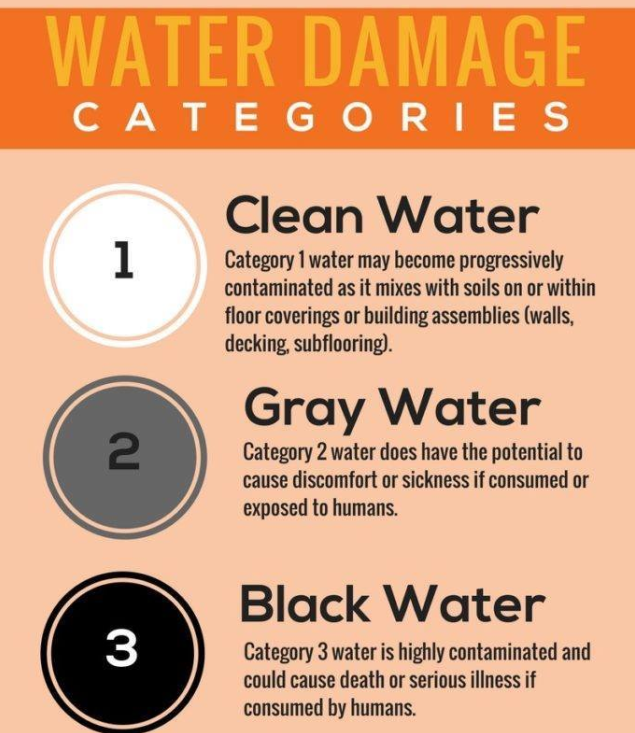
Water damage falls into three primary categories. Category 1 involves clean water from sources like supply lines or rainwater. Category 2, known as gray water, contains contaminants from sources such as washing machines or dishwashers. Category 3, or black water, poses serious health risks and originates from sewage backups or flooding from rivers and streams.
Understanding these categories helps homeowners grasp the urgency and approach needed for proper restoration. Each category requires different safety protocols, cleaning methods, and disposal procedures.
The local climate also contributes to secondary damage if water intrusion isn’t addressed quickly. Pennsylvania’s humidity levels, especially during summer months, create perfect conditions for mold growth within 24-48 hours of initial water exposure.
The Critical First Hour: Why Speed Matters
The restoration industry operates on a simple principle: time equals damage. Within the first 60 minutes of water intrusion, your flooring begins absorbing moisture, furniture starts swelling, and electronics face potential failure.
During hours 1-24, drywall begins deteriorating, metal surfaces start tarnishing, and that musty odor becomes noticeable. Photographs, books, and important documents may become permanently damaged if not addressed immediately.
After 48 hours, mold and mildew growth begins in earnest. Wood flooring may start buckling, metal begins corroding, and structural integrity becomes compromised. By week one, restoration costs can double or triple compared to immediate intervention.
This timeline explains why professional restoration companies emphasize 24/7 emergency availability. The faster water gets removed and drying begins, the more of your property you’ll save and the lower your overall costs will be.
Many Montgomeryville residents underestimate minor leaks or small floods, thinking they can handle cleanup with household fans and towels. This approach rarely works because hidden moisture in wall cavities, beneath flooring, and within structural materials continues causing damage long after visible water disappears.
Step 1: Emergency Contact and Initial Assessment
When water damage strikes, your first call should be to a certified restoration company. At PuroClean of Lansdale, our emergency line (267) 834-5900 operates 24/7 specifically for these urgent situations.
During the initial phone consultation, restoration specialists gather critical information: the water source, duration of exposure, affected areas, and any immediate safety concerns. This information helps them arrive prepared with appropriate equipment and personnel.
The first on-site assessment typically occurs within 60-90 minutes of your call. Certified technicians inspect the entire affected area, documenting damage through photographs and detailed notes. They identify the water category, measure moisture levels, and check for potential safety hazards like electrical issues or structural instability.
This assessment produces a comprehensive scope of work that outlines necessary services, estimated timelines, and projected costs. For insurance purposes, this documentation proves invaluable when filing claims and ensuring proper coverage.

During assessment, technicians also prioritize which items can be saved versus those requiring disposal. Quick decisions about furniture, carpeting, and personal belongings help minimize loss and streamline the restoration process.
Communication remains essential throughout this phase. Reputable companies explain findings clearly, answer questions thoroughly, and ensure homeowners understand the proposed restoration plan before work begins.
Step 2: Water Extraction and Removal
Once assessment concludes and you approve the scope of work, extraction begins immediately. This phase removes standing water using industrial-grade pumps and vacuum systems far more powerful than household equipment.
For significant flooding, truck-mounted extraction units can remove hundreds of gallons per minute. Portable extractors handle smaller areas and hard-to-reach spaces. The goal is removing maximum water volume as quickly as possible to prevent further absorption and damage.
Extraction technicians work systematically through affected areas, starting with the most severely flooded zones. They remove water from carpets, pad, and flooring using specialized wands that extract moisture from deep within materials.
Standing water in basements often requires submersible pumps that can handle debris and operate continuously until water levels drop. Once major standing water is removed, technicians transition to more precise extraction methods for remaining moisture.
This phase also involves removing severely damaged materials that can’t be salvaged. Waterlogged drywall, insulation, and carpeting that sat in contaminated water typically requires disposal for both practical and health reasons.
Throughout extraction, technicians monitor progress using moisture meters, ensuring they’ve removed as much water as possible before moving to the drying phase. Missing pockets of moisture leads to ongoing damage and potential mold growth.
Similar challenges affect nearby communities. Our team has successfully handled emergency water damage restoration across the region, applying these same proven techniques.
Step 3: Moisture Detection and Mapping
After visible water removal, hidden moisture remains the primary concern. Professional restoration companies use thermal imaging cameras, moisture meters, and hygrometers to detect moisture in areas you can’t see.
Thermal imaging reveals temperature differences that indicate moisture presence behind walls, beneath flooring, and in ceiling spaces. These cameras create detailed images showing exactly where moisture has traveled throughout your structure.
Moisture meters provide precise readings of water content in various materials. Different materials have different acceptable moisture levels; wood, drywall, concrete, and insulation each require specific measurements to ensure thorough drying.
Technicians create moisture maps documenting initial readings throughout affected areas. These maps guide equipment placement and help track drying progress over subsequent days. Daily measurements ensure materials are drying properly and alert technicians to any problem areas requiring additional attention.
This scientific approach prevents the “looks dry, feels dry” mistake many homeowners make. Materials can retain significant moisture while appearing dry on the surface, leading to hidden damage and mold growth weeks or months later.
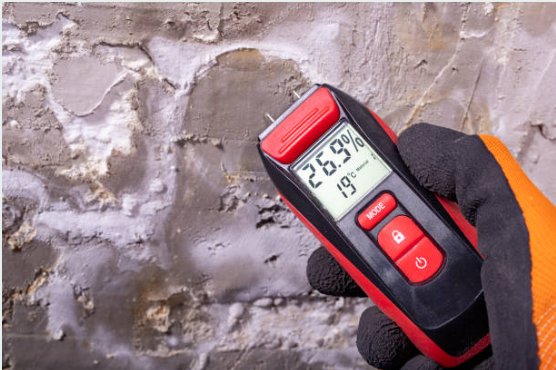
The detection phase also identifies secondary damage from water migration. Water travels along unexpected paths through structures, following gravity and moving through cracks, gaps, and building materials. Comprehensive detection ensures no affected area gets overlooked.
Step 4: Structural Drying and Dehumidification
Drying represents the most time-intensive restoration phase, typically lasting 3-5 days for moderate damage. Professional drying requires industrial equipment strategically placed based on moisture mapping results.
Air movers, commonly called blowers or fans, create airflow across wet surfaces and throughout affected areas. Unlike household fans, these high-velocity units move thousands of cubic feet of air per minute, dramatically accelerating evaporation rates.
Dehumidifiers remove moisture from the air, preventing it from redepositing on surfaces or accumulating in other areas. Commercial dehumidifiers handle much larger volumes than residential units, some removing over 200 pints of water daily.
The combination of air movement and dehumidification creates optimal drying conditions. Air movers evaporate moisture from materials into the air, while dehumidifiers capture that airborne moisture, continuously lowering humidity levels throughout the space.
Technicians position equipment based on the specific situation. Wall cavities may require specialty drying systems that inject warm, dry air into spaces between studs. Hardwood floors often need floor mat systems that create negative pressure to extract moisture without removing flooring.
Daily monitoring ensures drying progresses properly. Technicians take new moisture readings, comparing them to initial measurements and industry drying standards. If certain areas aren’t drying as expected, they adjust equipment placement or add additional units.
Temperature and humidity control proves essential during this phase. Warmer air holds more moisture, so maintaining proper temperature ranges optimizes drying efficiency. Technicians balance these factors to achieve the fastest safe drying without causing additional damage from over-drying or excessive heat.
Homeowners often ask about noise and disruption during this phase. Professional companies work to minimize inconvenience while maintaining drying effectiveness, sometimes consolidating equipment in specific areas or adjusting operating schedules when possible.
Our experience with water damage restoration in Fort Washington has refined our drying techniques to maximize efficiency while minimizing disruption to your daily routine.
Step 5: Cleaning and Sanitization
Once materials reach acceptable moisture levels, comprehensive cleaning and sanitization begin. This phase addresses contamination concerns and prepares surfaces for restoration work.
For Category 1 clean water damage, standard cleaning protocols apply. Technicians clean all affected surfaces using appropriate cleaning agents, removing dirt, debris, and any residue from the water event.
Category 2 gray water requires more intensive cleaning with antimicrobial treatments. These situations involve potential contaminants that need thorough sanitization to ensure safe occupancy.
Category 3 black water demands the most aggressive approach. Contaminated materials often require disposal rather than cleaning. Surfaces that remain undergo extensive sanitization using EPA-registered disinfectants designed for sewage and flood situations.
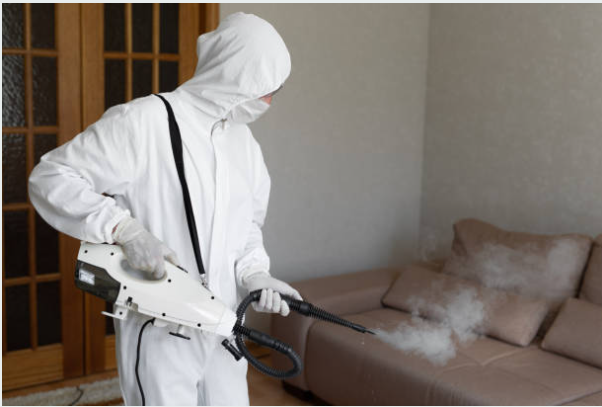
Air scrubbers and HEPA filtration systems remove airborne contaminants during cleaning. These machines filter microscopic particles, improving indoor air quality and removing musty odors associated with water damage.
Odor removal sometimes requires specialized techniques beyond standard cleaning. Thermal fogging, ozone treatment, or hydroxyl generators may address persistent smells embedded in materials. The appropriate method depends on odor severity and the materials involved.
Contents cleaning addresses furniture, belongings, and personal items affected by water. Some items can be cleaned on-site, while others may require specialized off-site restoration. Electronics, documents, and upholstered items each need specific treatment methods.
Professional cleaning ensures your property is not just dry but truly restored to pre-loss condition. This thoroughness prevents future problems from contamination or residual moisture that escaped detection.
Step 6: Restoration and Reconstruction
Restoration encompasses two distinct levels: minor repairs and major reconstruction. The extent depends on damage severity and how much material required removal during earlier phases.
Minor restoration includes replacing carpet and padding, repainting walls, installing new baseboards, and other cosmetic repairs. These projects typically complete quickly once drying finishes, often within a few days.
Major reconstruction becomes necessary when water damage compromised structural elements. This might involve replacing drywall sections, rebuilding portions of walls, installing new subflooring, or even more extensive structural repairs.
Professional restoration companies employ licensed contractors skilled in reconstruction work. This one-stop service simplifies the process for homeowners, eliminating the need to coordinate between multiple companies.
During reconstruction, companies maintain the same quality standards they applied during emergency response. They use quality materials, follow building codes, and ensure work meets or exceeds pre-damage conditions.
Paint matching, texture matching, and attention to detail ensure restored areas blend seamlessly with unaffected portions of your property. The goal is making water damage invisible once work completes.
For properties requiring extensive reconstruction, project managers maintain communication throughout the process. They provide timeline updates, address concerns, and ensure work progresses smoothly toward completion.
Many restoration companies also offer additional services during this phase. Homeowners often take the opportunity to make improvements beyond simple restoration, upgrading materials or modernizing affected spaces while work is already underway.
Communities throughout the region benefit from comprehensive restoration services. From water damage restoration in Blue Bell to surrounding areas, our reconstruction services restore properties to beautiful, functional condition.
Step 7: Final Verification and Prevention
Before declaring a project complete, thorough verification ensures all work meets professional standards and your property is truly restored.
Final moisture readings confirm all materials have reached appropriate dryness levels. These readings get documented and compared to industry standards and initial measurements, providing objective evidence of complete drying.
Visual inspections check for any remaining damage signs, proper cleaning completion, and quality reconstruction work. Technicians verify that air quality has returned to normal and no musty odors persist.
Many companies provide homeowners with copies of all documentation: initial assessment reports, daily moisture logs, cleaning protocols used, and final verification readings. This paperwork proves valuable for insurance purposes and future reference.
Prevention recommendations help homeowners avoid future water damage. Technicians might suggest gutter maintenance, grading improvements, sump pump installation, or appliance upgrades based on what they observed during restoration.
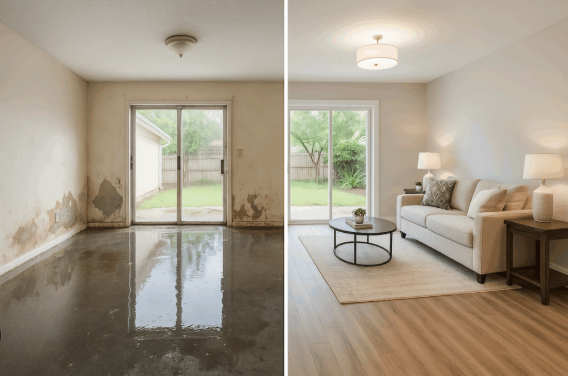
Some restoration companies offer maintenance programs or monitoring services to catch potential problems early. Regular inspections can identify developing issues before they become major problems.
Final walkthroughs with homeowners ensure complete satisfaction. This opportunity allows you to ask questions, understand what was done, and confirm all work meets expectations.
Warranties or guarantees on restoration work provide peace of mind. Reputable companies stand behind their work, offering assurances that the job was done right and will last.
Understanding prevention methods helps protect your investment and potentially avoid future damage altogether.
Working with Insurance for Water Damage Claims
Insurance navigation often overwhelms homeowners dealing with water damage stress. Understanding the process helps ensure proper coverage and fair settlements.
Most homeowner policies cover sudden and accidental water damage like burst pipes or appliance failures. They typically exclude damage from lack of maintenance or gradual leaks that should have been detected and repaired.
Flood damage requires separate flood insurance; standard homeowner policies don’t cover rising water from storms or overflowing bodies of water. This distinction confuses many homeowners who assume they have complete water damage coverage.
Contact your insurance company immediately after discovering damage, even before restoration begins. Many policies require prompt notification, and delays can complicate claims.
Document everything thoroughly. Photograph and video all damage before any cleanup occurs. Keep receipts for any emergency services or temporary repairs you must make immediately.
Professional restoration companies experienced in insurance work provide invaluable assistance. They understand policy language, documentation requirements, and how to present claims effectively.
The Certified Priority Response (CPR) Program streamlines insurance claims through established protocols and pre-approved scopes. This program, developed specifically for insurance partnerships, reduces delays and ensures smooth claim processing.
Insurance adjusters typically inspect damage before approving work. Restoration companies coordinate with adjusters, providing necessary documentation and explaining required services.
Understanding your deductible, coverage limits, and any exclusions helps set realistic expectations. Your restoration company can explain how insurance typically handles various situations based on their extensive experience.
Some policies include Additional Living Expenses (ALE) coverage if water damage makes your home uninhabitable during restoration. This coverage handles hotel costs and other expenses while work progresses.
Keep detailed records of all communication with your insurance company: dates, times, names of people you spoke with, and what was discussed. This documentation proves helpful if any disputes arise.
For comprehensive support, connect with our team through our contact page where we’ll guide you through the insurance process.
Choosing the Right Restoration Company
Selecting a restoration company significantly impacts your experience and results. Several factors distinguish professional companies from less qualified options.
Certification demonstrates commitment to industry standards. Look for IICRC (Institute of Inspection, Cleaning and Restoration Certification) certified technicians who have completed rigorous training in water damage restoration.
Experience in your specific area matters because local companies understand regional challenges: climate factors, common construction types, and local building codes. Companies serving Montgomeryville and surrounding communities bring valuable local expertise.
24/7 emergency availability is non-negotiable for water damage situations. Water doesn’t damage properties only during business hours, and response speed determines damage extent.
Comprehensive services under one roof simplify the process. Companies offering extraction, drying, cleaning, and reconstruction eliminate coordination headaches between multiple contractors.
Advanced equipment indicates serious commitment to quality work. Industrial-grade extractors, dehumidifiers, air movers, moisture detection tools, and thermal imaging cameras are essential for professional results.
Insurance expertise helps navigate claims smoothly. Companies familiar with insurance processes, documentation requirements, and adjuster expectations make claims less stressful.
References and reviews from previous customers provide insight into real experiences. Check online reviews, ask for references, and research company reputation before making decisions.
Transparent pricing and detailed estimates prevent surprise costs. Professional companies provide clear explanations of necessary work and associated costs before beginning services.
Local presence ensures accountability. National franchises with local ownership combine brand resources with personal service and community investment.
Our service area extends throughout Montgomery County, including Abington, Ambler, and Center Square, providing consistent quality across all communities we serve.
Conclusion
Water damage restoration in Montgomeryville requires professional expertise, advanced equipment, and systematic processes to achieve optimal results. The seven steps outlined here; emergency response, water extraction, moisture detection, structural drying, cleaning and sanitization, restoration and reconstruction, and final verification, form the foundation of effective restoration.
Speed matters immensely in water damage situations. Every hour of delay increases damage extent and restoration costs. Professional restoration companies provide 24/7 emergency response specifically because timing proves so critical to outcomes.
Understanding the restoration process empowers you to make informed decisions during stressful situations. You’ll recognize quality service, ask relevant questions, and ensure your property receives proper care.
Prevention strategies and regular maintenance help avoid water damage entirely. Simple steps like inspecting appliance hoses, maintaining gutters, and addressing minor leaks promptly can prevent catastrophic damage.
When water damage does occur, choosing the right restoration partner makes all the difference. Look for certified technicians, comprehensive services, insurance expertise, and a commitment to quality that goes beyond just getting things dry.
At PuroClean of Lansdale, serving Montgomeryville and surrounding communities since our founding, we’ve built our reputation on technical excellence and genuine care for the families and businesses we serve. Our location at 2033 Lucon Rd, Bldg. Rear, Schwenksville, PA 19473 positions us perfectly to provide rapid response throughout the region.
Connect with us on Facebook, Instagram, LinkedIn, and Twitter for tips, updates, and educational content about property protection and restoration.
Have you experienced water damage in your Montgomeryville property, and what was the biggest challenge you faced during the restoration process?

 PuroClean of Lansdale