 PuroClean of Lansdale
Table of Contents
Water damage restoration in Prospectville requires immediate professional intervention to prevent structural deterioration and mold growth. The process involves emergency assessment within 60 minutes, water extraction using industrial equipment, structural drying over 3-5 days, dehumidification, antimicrobial treatment, and complete restoration. Professional services cost between $1,200-$5,000 depending on damage severity, but quick action within the first 24-48 hours can reduce costs by up to 70% and prevent secondary damage that could cost $10,000 or more in repairs.
When Water Invades Your Prospectville Home
Picture this: You wake up at 2 AM to the sound of rushing water. Your heart races as you rush downstairs to find your finished basement transformed into an indoor pool. The water heater has burst, and thousands of gallons are flooding your family room, ruining carpets, furniture, and precious memories stored in boxes.
This nightmare scenario happens to Prospectville homeowners more often than you’d think. Whether it’s a burst pipe during Pennsylvania’s harsh winters, spring flooding from heavy rains, or a malfunctioning appliance, water damage doesn’t wait for convenient business hours. In fact, water damage accounts for nearly 23% of all property insurance claims in Montgomery County, with the average claim exceeding $11,000.
What many homeowners don’t realize is that the clock starts ticking the moment water invades your property. Within just 24 hours, drywall begins to swell, metal surfaces start to tarnish, and the perfect conditions for mold growth are established. After 48 hours, mold and mildew growth accelerates, wood flooring warps, and serious biohazard contamination can occur if the water source was unsanitary.
The good news? Professional water damage restoration in Prospectville can reverse most damage when action is taken quickly. This comprehensive guide will walk you through everything you need to know about the restoration process, from that initial emergency call to the final walk-through of your fully restored property.
1. Understanding Water Damage in Prospectville Homes
Prospectville’s unique geographic location and seasonal weather patterns create specific water damage risks that every homeowner should understand. Located in Montgomery County, this charming Pennsylvania community experiences the full spectrum of weather challenges; from freezing winters that cause pipe bursts to spring storms that overwhelm drainage systems.
Common Causes of Water Damage in Prospectville
Seasonal Weather Events: Pennsylvania winters bring temperatures that regularly drop below freezing, causing pipes in uninsulated areas to freeze and burst. The spring thaw combined with heavy rainfall creates the perfect storm for basement flooding, affecting nearly 40% of Prospectville homes at some point.
Aging Infrastructure: Many homes in Prospectville were built between the 1950s and 1980s, meaning plumbing systems, water heaters, and appliances are reaching or exceeding their expected lifespan. A water heater typically lasts 10-15 years, while supply lines and hoses can fail after just 8-10 years.
Appliance Failures: Washing machines, dishwashers, and refrigerators with ice makers are ticking time bombs. A single supply line failure can release 500 gallons of water per hour, causing catastrophic damage in a short period.
Foundation Issues: Prospectville’s soil composition includes clay-heavy earth that expands when wet and contracts when dry. This constant movement can create foundation cracks that allow water seepage during heavy rains.
Categories of Water Damage
Understanding water categories helps you assess the urgency and safety concerns of your situation:
Category 1 (Clean Water): This comes from sanitary sources like supply lines, faucets, or rainwater. While it starts clean, it can degrade to Category 2 within 48 hours if not addressed. Think of an overflowing bathtub or a broken water supply line.
Category 2 (Gray Water): This contains contaminants that could cause illness if consumed or exposed to. Sources include washing machine overflow, dishwasher leaks, or toilet overflow with urine but no feces. Proper protective equipment is essential during cleanup.
Category 3 (Black Water): This is grossly unsanitary and contains pathogenic agents. Sewage backups, flooding from rivers or streams, and toilet overflow with feces fall into this category. Professional restoration services are absolutely necessary; DIY cleanup is dangerous and ineffective.
Classes of Water Damage
Beyond categories, water damage is classified by how much material has absorbed water:
Class 1: Minimal absorption affecting only part of a room. Water hasn’t reached absorbent materials significantly.
Class 2: Significant absorption and evaporation. Water has wicked up walls at least 12 inches and affected carpeting and cushions.
Class 3: The fastest rate of evaporation. Water has saturated walls, ceilings, insulation, carpet, and subflooring.
Class 4: Specialty drying situations involving materials with very low permeability like hardwood, concrete, or plaster.
Understanding these classifications helps restoration professionals determine the equipment, techniques, and timeline needed for your specific situation. Similar challenges are addressed in water damage restoration in Fort Washington, where seasonal flooding creates comparable conditions.
2. The Critical First 24 Hours After Water Damage
The first day after discovering water damage determines whether you’ll face a manageable restoration project or a complete reconstruction nightmare. Every minute counts, and knowing exactly what to do can save you thousands of dollars and weeks of disruption.
Immediate Actions (First 60 Minutes)
Stop the Water Source: If safe to do so, shut off the main water valve. For appliance-related floods, turn off the specific appliance and its water supply. If flooding is due to weather, focus on safety first.
Ensure Safety: Water and electricity are a deadly combination. If water has reached electrical outlets, appliances, or your circuit breaker, do not enter the area. Call a professional immediately. Standing water can also hide structural damage, sharp objects, or contaminants.
Call Professional Restoration Services: Don’t wait to “see how bad it gets.” Companies specializing in water damage restoration in Prospectville offer 24/7 emergency response and can arrive within 60 minutes. The faster they start, the less damage occurs.
Document Everything: Before touching anything, take extensive photos and videos of all affected areas. Document water levels, damaged belongings, and the water source if identifiable. This documentation is crucial for insurance claims and can significantly impact your settlement.
Contact Your Insurance Company: Call your insurance agent or company’s claims hotline immediately. Many policies require notification within 24-48 hours. Ask about emergency mitigation coverage; most policies cover immediate steps to prevent further damage.
Hours 1-24: Mitigation Actions
Remove Standing Water: If safe and the amount is manageable (less than an inch in a small area), you can use a wet/dry vacuum or mop. For anything more significant, professional extraction equipment is necessary. Industrial pumps can remove thousands of gallons per hour, something impossible with consumer equipment.
Move Valuables: Relocate furniture, electronics, artwork, and documents to dry areas. Elevate furniture that can’t be moved by placing aluminum foil or wood blocks under legs to prevent dye transfer and additional absorption.
Increase Air Circulation: Open windows if outdoor humidity is lower than indoor levels (typically true in cooler months). Turn on ceiling fans and position regular fans to create airflow across wet surfaces. However, don’t rely solely on household fans; professional air movers are 10 times more effective.
Remove Wet Materials: Take up area rugs, remove soaked curtains, and pull up wet carpet padding if possible. These items act as massive sponges, holding moisture against walls and floors and dramatically slowing the drying process.
Why Professional Response Matters
Studies show that professional intervention within the first 4 hours reduces restoration costs by an average of 60% compared to waiting 24 hours. Professional teams bring:
- Industrial water extractors that remove 95% of water versus 40% with shop vacs
- Moisture meters and thermal imaging cameras to detect hidden water
- Experience recognizing which materials can be saved versus replaced
- Proper documentation for insurance claims
- Immediate mold prevention treatments
The emergency water damage restoration process follows strict protocols developed over decades to maximize property preservation while minimizing costs.
3. Professional Water Extraction and Removal Process
Once professionals arrive, they implement a systematic approach refined through thousands of restoration projects. Understanding this process helps you know what to expect and why each step matters.
Initial Assessment and Inspection
Certified technicians conduct a comprehensive inspection using advanced diagnostic tools:
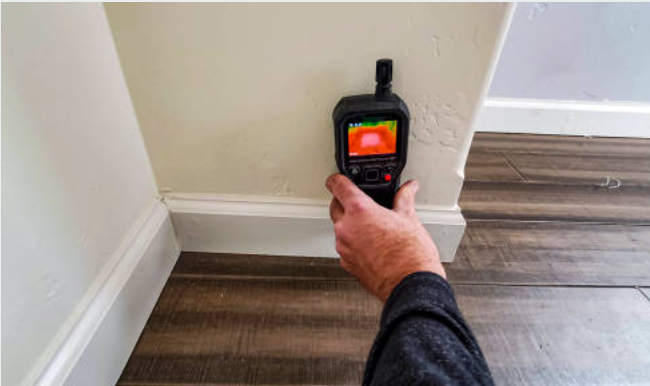
Moisture Detection Equipment: Infrared cameras reveal moisture hidden behind walls, under flooring, and in ceilings without destructive investigation. Moisture meters provide exact readings in building materials, determining which materials are salvageable and which require replacement.
Scope Documentation: Every affected area is measured, photographed, and categorized. This creates a detailed restoration plan and provides insurance companies with the evidence needed for claim approval. The documentation includes water source identification, damage classification, and material inventory.
Safety Assessment: Professionals check for structural compromise, electrical hazards, and contamination risks. They’ll verify that it’s safe to proceed and identify areas requiring special handling or personal protective equipment.
Water Extraction Phase
Truck-Mounted Extractors: These powerful systems can remove thousands of gallons per hour, creating suction equivalent to hundreds of shop vacuums. They’re particularly effective on carpets and large open areas.
Portable Extractors: For stairs, upper floors, and areas where truck-mounted systems can’t reach, portable extractors provide flexibility without sacrificing power.
Submersible Pumps: When dealing with several inches of standing water, especially in basements, submersible pumps quickly remove the bulk of water before extraction equipment handles residual moisture.
The extraction process isn’t simply removing visible water. Professionals use overlapping passes, working in grids to ensure complete removal from carpets, padding, and absorbent materials. This thoroughness is impossible to achieve with household equipment.
Specialized Extraction Techniques
Hardwood Floor Extraction: Special tools create suction directly against hardwood flooring to draw water from between boards and subflooring without causing additional damage. This technique, combined with rapid drying, can save hardwood floors that would otherwise require replacement.
Carpet and Pad Management: Professionals determine whether carpet and padding can be saved. While padding almost always requires replacement (it’s impossible to fully dry and sanitize), quality carpet can often be saved through professional extraction, cleaning, and drying.
Wall Cavity Extraction: When water enters wall cavities, extraction holes may be drilled at baseboards to allow water removal and air circulation. These holes are later patched during restoration and are far less expensive than replacing entire drywall sections.
Contamination Handling
For Category 2 or 3 water damage, extraction includes decontamination protocols:
- Application of EPA-registered antimicrobial treatments during extraction
- Proper disposal of contaminated materials following local regulations
- Personal protective equipment to prevent technician exposure
- Air scrubbers to remove airborne contaminants and odors
These steps ensure your property isn’t just dry but also safe and sanitary. The same attention to detail is provided in water damage restoration in North Wales, where contamination concerns are equally critical.
4. Advanced Drying and Dehumidification Techniques
Extraction removes 95% of visible water, but the remaining 5% trapped in materials causes the majority of long-term damage. Professional drying transforms wet building materials back to their pre-loss moisture content, preventing warping, swelling, and deterioration.
The Science of Structural Drying
Moisture Migration: Water doesn’t just sit where it lands. Through capillary action, it wicks up walls, travels through subflooring, and migrates between materials. A flood in your basement can cause moisture problems on the first floor within 24 hours.
Evaporation Requirements: To dry materials, water must first evaporate from surfaces, then the moisture-laden air must be removed and replaced with drier air. This requires carefully controlled temperature, humidity, and airflow.
Material Drying Times: Different materials dry at vastly different rates. Drywall might reach acceptable moisture levels in 3-5 days, while hardwood flooring can take 7-14 days, and structural lumber may need even longer.
Professional Drying Equipment
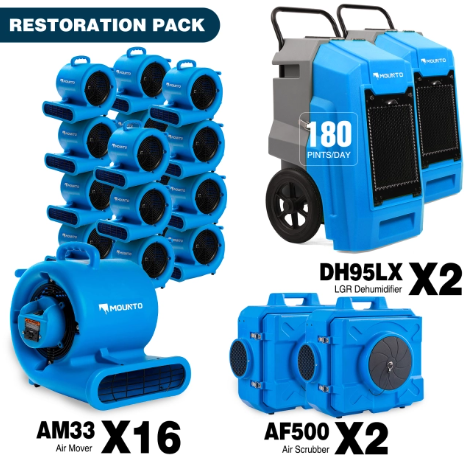
Air Movers: These aren’t just big fans. Professional air movers create laminar airflow across surfaces at precisely calculated velocities. Too much airflow can damage materials, while too little slows evaporation. Proper placement creates a vortex effect that maximizes efficiency.
Dehumidifiers: Commercial dehumidifiers remove 10-20 times more moisture than household units. Low-grain refrigerant (LGR) dehumidifiers can reduce humidity to 20% or lower, creating the ideal environment for rapid structural drying.
Desiccant Dehumidifiers: For specialized situations or cold environments where refrigerant dehumidifiers lose efficiency, desiccant units absorb moisture chemically and are unaffected by temperature.
Monitoring and Adjustment
Professional restoration isn’t set-it-and-forget-it. Technicians visit daily to:
- Take moisture readings at multiple points in all affected materials
- Adjust equipment placement and settings based on drying progress
- Identify hot spots where moisture is trapped and needs special attention
- Document progress for insurance purposes and quality control
Drying Chambers: When contents like furniture or documents are affected, professionals may construct drying chambers; sealed areas with controlled temperature, humidity, and airflow optimized for specific materials.
Advanced Drying Techniques
Injection Drying: For water trapped in wall cavities, injection drying systems force warm, dry air into the cavity through small access points, drying from the inside out.
Heat Drying Systems: Controlled heating accelerates evaporation. Professional systems maintain safe temperatures that speed drying without causing material damage or creating fire hazards.
Negative Air Machines: These create negative pressure in affected areas, preventing moisture and odors from spreading to unaffected parts of your property. They also filter air, removing potential contaminants and improving indoor air quality during restoration.
The goal is reaching proper moisture levels, typically 12-15% for wood materials and less than 1% for concrete and drywall. These targets ensure materials are thoroughly dry, preventing future problems. Similar precision is applied in water damage restoration in Montgomeryville, where comprehensive drying prevents recurring issues.
5. Preventing Mold Growth After Water Exposure
Mold is the silent threat following water damage. It doesn’t need much; just moisture, organic material (like drywall or wood), and 24-48 hours. Once established, mold remediation can cost more than the original water damage restoration.
Understanding Mold Development
Timeline of Growth: Mold spores are everywhere, all the time. They’re harmless until they find moisture. Within 24-48 hours of water exposure, spores begin germinating. At 72 hours, visible mold colonies can appear. By one week, extensive growth may be occurring behind walls and under flooring.
Health Implications: Mold produces allergens and irritants that trigger reactions in sensitive individuals. Symptoms include respiratory issues, skin irritation, headaches, and fatigue. Certain molds produce mycotoxins that pose serious health risks, especially to children, elderly individuals, and those with compromised immune systems.
Property Damage: Beyond health concerns, mold destroys building materials. It feeds on organic materials like wood and drywall, breaking down structural integrity. Left unchecked, mold can require gutting entire rooms to fully remediate.
Professional Mold Prevention Strategies
Rapid Drying: The most effective mold prevention is eliminating moisture quickly. Professional equipment and techniques aim to dry structures within 3-5 days, preventing mold establishment.
Antimicrobial Application: EPA-registered antimicrobial solutions are applied to all affected surfaces during and after water extraction. These prevent mold and bacteria growth while materials dry. Unlike store-bought products, professional antimicrobials are specifically formulated for building materials and proven effective.
HEPA Air Scrubbing: High-Efficiency Particulate Air (HEPA) filtration systems remove mold spores from the air during restoration, preventing them from settling and growing in drying materials. These industrial units cycle entire room volumes multiple times per hour.
Humidity Control: Maintaining relative humidity below 60% (ideally 40-50%) during restoration prevents mold growth. Professional dehumidifiers achieve this even in large, open areas or challenging conditions.
Material-Specific Mold Prevention
Porous Materials: Items like carpet padding, insulation, and ceiling tiles can rarely be fully dried and decontaminated once exposed to Category 2 or 3 water. Professionals recommend replacement rather than risking hidden mold growth.
Semi-Porous Materials: Hardwood floors, plywood, and structural lumber can be saved if dried rapidly and thoroughly. Moisture meters ensure these materials reach safe levels before being sealed in during reconstruction.
Non-Porous Materials: Metal, glass, and hard plastics can be cleaned and sanitized effectively. Even these materials, however, need proper attention to prevent mold growth in attached organic materials like rust or biofilm.
Long-Term Mold Prevention
Post-Restoration Monitoring: Professionals often recommend moisture checks 30, 60, and 90 days after restoration to ensure materials remain dry and mold hasn’t developed in hidden areas.
Ventilation Improvements: If your water damage resulted from condensation or poor ventilation, restoration may include recommendations for improving airflow, adding ventilation fans, or upgrading HVAC systems.
Encapsulation: For areas prone to moisture like basements, professionals may recommend encapsulation; sealing concrete walls and floors to prevent moisture vapor transmission that could lead to mold growth.
If mold is discovered during restoration, specialized mold remediation in King of Prussia protocols are implemented to completely remove contamination before reconstruction begins.
6. Insurance Claims and Documentation Requirements
Navigating insurance claims can be as stressful as the water damage itself. Understanding the process and requirements helps ensure you receive fair compensation for your losses.
Initial Insurance Contact
Report Immediately: Most policies require notification within 24-48 hours of discovering damage. Delays can result in claim denial. Have your policy number, the date and time you discovered damage, a brief description of the cause, and initial damage assessment ready when calling.
Emergency Mitigation Coverage: Ask specifically about emergency mitigation coverage. Most policies cover immediate steps to prevent further damage, including water extraction, emergency board-up, and temporary tarps. This coverage often applies even before your claim is fully processed.
Assignment of Benefits: Some restoration companies accept assignment of benefits, billing your insurance company directly so you don’t pay out-of-pocket and await reimbursement. Understand the implications; this can streamline the process but may limit your control over negotiations.
Documentation Requirements
Photographic Evidence: Take extensive photos and videos before any cleanup begins. Document:
- The water source and cause of damage
- Water levels and affected areas
- All damaged belongings and building materials
- Serial numbers and brand names of damaged appliances or equipment
- Any previous repairs or conditions that might be relevant
Inventory Lists: Create detailed lists of damaged items including purchase dates, original costs, and replacement values. Save receipts, warranty information, or appraisals for high-value items.
Maintenance Records: Documentation showing proper maintenance of plumbing, appliances, and your property can support your claim. This demonstrates the damage wasn’t due to neglect.
Professional Documentation: Restoration companies provide comprehensive documentation including moisture readings, equipment logs, daily progress reports, and before/after photos. This professional documentation carries significant weight with adjusters.
Working with Insurance Adjusters
Understand the Adjuster’s Role: The adjuster works for the insurance company, assessing damage and determining payout. While most are fair and professional, remember their job includes protecting the company’s interests.
Be Present: When the adjuster inspects your property, be present to point out all damage, answer questions, and ensure nothing is missed. Consider having your restoration company representative present as well; their expertise can ensure technical aspects are properly assessed.
Get Estimates: You’re entitled to get multiple estimates for restoration work. While the insurance company may provide their estimate, you can obtain independent assessments. Significant discrepancies may require negotiation.
Understand Actual Cash Value vs. Replacement Cost: Policies typically specify whether coverage is based on actual cash value (depreciated worth) or replacement cost (cost to replace with comparable new items). This dramatically affects your payout.
Common Coverage Issues
Gradual Damage: Most policies don’t cover damage from long-term leaks or maintenance issues. However, if a sudden event caused the leak that led to gradual damage, you may have coverage.
Flood vs. Water Damage: Standard homeowners insurance covers water damage from internal sources (burst pipes, appliance failures) but not flooding from external sources (rivers, storms, ground saturation). Flood insurance is separate and required for comprehensive protection.
Basement Coverage: Some policies have limited coverage for basements or exclude certain basement items. Review your policy’s specific provisions.
Code Upgrades: If repairs require bringing your property up to current building codes, some policies cover these costs while others don’t. An “ordinance or law” endorsement may be necessary.
Professional restoration companies experienced in water damage restoration in Prospectville work with insurance companies daily and can help navigate claims processes, provide required documentation, and even participate in negotiating fair settlements. For particularly complex claims, public adjusters can advocate on your behalf for a percentage of the settlement.
7. Choosing the Right Restoration Company
Not all restoration companies are created equal. The company you choose can mean the difference between a smooth, thorough restoration and a nightmare of shortcuts, delays, and incomplete work.
Essential Certifications and Credentials
IICRC Certification: The Institute of Inspection, Cleaning and Restoration Certification sets industry standards. Look for companies with IICRC-certified technicians in Water Damage Restoration (WRT) and Applied Structural Drying (ASD). These certifications require ongoing education and adherence to best practices.
Insurance and Bonding: Verify the company carries comprehensive general liability insurance and workers’ compensation. This protects you from liability if accidents occur during restoration.
Local Licensing: Ensure the company holds all required state and local licenses and permits. In Pennsylvania, certain restoration work requires contractor licensing.
Industry Affiliations: Membership in organizations like the Restoration Industry Association (RIA) indicates commitment to professional standards and ongoing education.
Response Time and Availability
24/7 Emergency Response: Water damage doesn’t follow business hours. Companies specializing in water damage restoration in Prospectville should offer true 24/7 availability, not just an answering service that schedules callbacks.
Response Guarantees: Look for companies guaranteeing arrival within 60-90 minutes for emergencies. Every hour of delay increases damage and costs.
Equipment Availability: Companies should maintain their own fleet of professional-grade equipment, not rent it after you call. This ensures immediate deployment without delays.
Experience and Expertise
Local Experience: Companies familiar with Prospectville’s unique challenges; seasonal flooding, soil conditions, typical home construction; bring valuable insights that out-of-area companies lack.
Comprehensive Services: Choose companies offering complete restoration, from emergency water extraction through final reconstruction. This eliminates coordination headaches and ensures continuity.
Specialized Knowledge: Ask about experience with your specific situation. Basement flooding, second-story pipe bursts, crawl space water intrusion, and appliance failures each require different approaches.
Insurance Industry Relationships
Preferred Vendor Programs: Many insurance companies maintain lists of preferred restoration vendors. While you’re not required to use them, these companies have proven track records and established communication channels with adjusters.
Certified Priority Response: Programs like Certified Priority Response establish protocols between restoration companies and insurance carriers, ensuring standardized processes, transparent pricing, and efficient claim handling. This benefits homeowners through faster approvals and fewer disputes.
Direct Billing Capabilities: Companies that bill insurance directly simplify the process, though you should understand exactly what you’re agreeing to.
Red Flags to Avoid
Pressure Tactics: Legitimate companies explain the urgency of water damage and make professional recommendations. Companies that use high-pressure sales tactics or refuse to provide written estimates should be avoided.
Vague Estimates: Detailed, written estimates with specific scope of work, materials, and costs protect both parties. Vague estimates often lead to surprise charges.
Unlicensed or Uninsured: Never hire a company that can’t provide proof of licensing and insurance. The savings aren’t worth the risks.
Cash-Only Operations: Legitimate restoration companies accept various payment methods and provide proper documentation. Cash-only requests are red flags.
Questions to Ask
Before hiring a restoration company, ask:
- What certifications do your technicians hold?
- How quickly can you respond to my emergency?
- Do you handle insurance claims, and do you have experience with my insurance company?
- Can you provide references from recent Prospectville clients?
- What equipment will you use, and do you own or rent it?
- Will you provide daily updates and documentation?
- What’s included in your estimate, and what might cause additional charges?
- Do you guarantee your work, and for how long?
Companies specializing in water damage restoration in Prospectville should welcome these questions and provide clear, confident answers. Their responses reveal professionalism, transparency, and commitment to quality.

8. Long-Term Prevention Strategies
The best water damage restoration is the one you never need. While some events like severe storms are unavoidable, many common water damage scenarios can be prevented with proactive measures.
Plumbing Maintenance
Annual Inspections: Have a licensed plumber inspect your entire plumbing system annually. They can identify corrosion, weak points, outdated materials, and potential failure points before they cause disasters.
Supply Line Replacement: Replace washing machine, dishwasher, and water heater supply lines every 5-7 years, even if they appear fine. Braided stainless steel lines are more reliable than rubber. The $50 investment prevents thousands in water damage.
Water Heater Maintenance: Flush your water heater annually to remove sediment buildup. Inspect the anode rod every 2-3 years and replace if corroded. Consider replacing water heaters older than 10 years, even if functioning; failure risk increases dramatically after this point.
Pipe Insulation: Insulate pipes in unheated areas like basements, crawl spaces, attics, and exterior walls. Foam pipe insulation costs pennies per foot but prevents devastating freeze-related bursts.
Seasonal Winterization
Temperature Monitoring: Never let indoor temperatures drop below 55°F, even when away. Smart thermostats with remote monitoring alert you to temperature drops before pipes freeze.
Cabinet Doors: During extreme cold, open cabinet doors under sinks to allow warm air circulation around pipes.
Outdoor Faucets: Disconnect garden hoses and drain outdoor faucets before the first freeze. Install frost-free sillcocks for added protection.
Vacant Property Protocols: If leaving your property vacant during winter, either maintain heating or fully winterize; draining all pipes, adding antifreeze to drains, and shutting off main water supply.
Foundation and Drainage Management
Gutter Maintenance: Clean gutters and downspouts twice annually (spring and fall). Clogged gutters cause water to pool against foundations, leading to basement flooding.
Downspout Extensions: Extend downspouts at least 6 feet from your foundation. Consider buried extensions or splash blocks to direct water away from your property.
Grading: Ensure ground slopes away from your foundation at a minimum 6-inch drop over 10 feet. If your property slopes toward your home, consider regrading or installing drainage systems.
Sump Pump Maintenance: Test sump pumps quarterly by pouring water into the pit until the float activates. Replace pumps older than 7 years. Consider battery backup systems; power often fails during storms when you need pumps most.
Foundation Sealing: Inspect foundations annually for cracks. Seal minor cracks with hydraulic cement or epoxy. Major cracks may indicate structural issues requiring professional assessment.
Appliance Protection
Regular Inspections: Check behind and under appliances quarterly for signs of leaks, corrosion, or moisture. Look for water stains, rust, or musty odors.
Water Detection Devices: Install water sensors near water heaters, washing machines, dishwashers, and under sinks. Modern smart sensors send smartphone alerts when moisture is detected, allowing immediate response even when away.
Automatic Shut-Off Valves: Whole-home leak detection systems like Flo or Phyn monitor water flow patterns and automatically shut off supply when abnormal flow suggests a leak. While requiring upfront investment, they prevent catastrophic damage.
Replacement Schedules: Replace appliances approaching the end of typical lifespan (10-15 years for most water-using appliances) rather than waiting for failure. Planned replacement is cheaper than emergency replacement plus water damage restoration.
Roof and Attic Maintenance
Roof Inspections: Inspect roofs every 3 years, or after severe storms. Look for missing shingles, damaged flashing, or other vulnerabilities. Most roofs last 20-25 years; plan for replacement rather than being caught by surprise.
Attic Ventilation: Proper ventilation prevents ice dams in winter and excess heat in summer. Both conditions can lead to water intrusion.
Ice Dam Prevention: In addition to ventilation, ensure adequate attic insulation to prevent heat loss that melts snow on roofs, leading to ice dam formation.
Moisture Control
Humidity Management: Maintain indoor humidity between 30-50%. Higher levels encourage mold growth; lower levels can cause other issues. Use dehumidifiers in damp basements and humidifiers in dry winter conditions.
Ventilation: Ensure bathrooms, kitchens, and laundry areas have working exhaust fans vented to building exteriors. Run fans during and 15 minutes after activities generating moisture.
Condensation Prevention: Insulate cold water pipes to prevent condensation. In humid climates, this minor measure prevents significant moisture accumulation.
For comprehensive prevention approaches, 10 ways to prevent water damage offers additional strategies tailored to Pennsylvania homes.
9. Cost Factors and Investment Protection
Understanding water damage restoration costs helps you budget appropriately and make informed decisions about prevention investments versus potential restoration expenses.
Average Restoration Costs
Minor Water Damage (Class 1): $1,200-$2,500. This includes limited water affecting a single room or small area with minimal absorption into materials. Typically resolved in 2-3 days.
Moderate Water Damage (Class 2): $2,500-$5,500. This involves significant absorption affecting carpets, walls up to 12 inches, and cushions or furniture. Requires 3-5 days of drying.
Major Water Damage (Class 3): $5,500-$12,000+. This includes water saturating walls, ceilings, insulation, and flooring throughout multiple rooms. May require 5-10 days plus reconstruction.
Specialty Drying (Class 4): $10,000-$30,000+. This involves water in difficult-to-dry materials like hardwood, plaster, or concrete. May require specialty equipment and extended timelines.
These ranges are estimates; actual costs depend on numerous factors specific to your situation.
Cost Influencing Factors
Water Category: Category 1 clean water costs less to restore than Category 3 black water requiring decontamination and material disposal.
Extent of Damage: Obviously, more affected area means higher costs. However, water damage often extends beyond what’s visible; water hidden in wall cavities or subflooring adds significantly to costs.
Material Types: Hardwood floors, custom cabinetry, and specialty finishes cost more to restore or replace than basic carpet or standard drywall.
Response Time: Quick professional intervention minimizes damage and costs. Delays of even 24 hours can double restoration costs by allowing mold growth and secondary damage.
Accessibility: Water in finished basements is easier to address than water in crawl spaces or between floors. Difficult access increases labor time and costs.
Contents Restoration: Furniture, electronics, documents, and personal belongings damaged by water add to total costs. Contents restoration can range from hundreds to tens of thousands of dollars.
Hidden Costs to Consider
Mold Remediation: If restoration is delayed or incomplete, mold remediation can add $2,000-$10,000+ to costs and requires specialized protocols.
Code Upgrades: Reconstruction may require bringing your property up to current codes. Electrical, plumbing, or structural upgrades can add 10-30% to restoration costs.
Temporary Relocation: Severe damage may require temporary housing during restoration. While some insurance policies cover this, it’s an important consideration for budgeting and planning.
Content Storage: If contents must be removed during restoration, climate-controlled storage protects your belongings but adds to total costs.
Insurance Coverage
Typical Coverage: Most standard homeowners policies cover sudden, accidental water damage from sources like burst pipes or appliance failures. Average claims in Pennsylvania range from $8,000-$15,000.
Coverage Limits: Review your policy’s coverage limits for structure, contents, and additional living expenses. Ensure limits reflect current replacement costs, not purchase price.
Deductibles: Higher deductibles reduce premiums but increase out-of-pocket costs when filing claims. Balance premium savings against potential claim costs.
Exclusions: Understand what’s not covered. Flood damage requires separate flood insurance. Gradual damage from long-term leaks is typically excluded.
Prevention Investment vs. Restoration Costs
Consider prevention investments as insurance against catastrophic costs:
Water Detection System: $500-$2,000 installed. Prevents $10,000+ in water damage from undetected leaks.
Sump Pump with Battery Backup: $800-$1,500. Prevents $15,000+ in basement flooding damage.
Supply Line Replacement: $200-$500. Prevents $5,000+ in appliance-related water damage.
Foundation Waterproofing: $3,000-$10,000. Prevents recurring basement flooding costing $10,000+ per incident.
Roof Replacement: $8,000-$15,000. Prevents $20,000+ in water damage, mold remediation, and structural repairs.
The math is compelling. Proactive prevention costs a fraction of reactive restoration, and unlike insurance premiums, prevention investments add value to your property.
Financing Options
Insurance Claims: This is the primary funding source for covered water damage. Work with your restoration company to ensure proper documentation for claims.
Home Equity Lines of Credit: For damage not covered by insurance or exceeding coverage limits, HELOCs offer relatively low interest rates.
Personal Loans: Unsecured personal loans provide quick funding without using home equity as collateral.
Payment Plans: Many restoration companies offer financing or payment plans, allowing you to begin restoration immediately while managing cash flow.
The investment in proper water damage restoration in Prospectville protects your largest asset; your home. Comprehensive restoration not only repairs damage but prevents future problems that could cost exponentially more if left unaddressed.
For additional guidance on managing restoration costs and processes, professionals serving the broader region provide insights on emergency water damage mitigation that apply to Prospectville properties as well.
Conclusion: Taking Action Protects Your Investment
Water damage is one of the most common and potentially devastating disasters homeowners face. But armed with the knowledge in this guide, you’re prepared to respond effectively, minimize damage, and restore your property to pre-loss condition.
The key takeaways for every Prospectville homeowner:
Time is critical. Every hour of delay increases damage, costs, and recovery time. Keep emergency numbers readily available, including professional restoration services offering 24/7 response.
Professional restoration pays for itself. While DIY cleanup might seem economical, professional equipment, expertise, and techniques save money by preventing secondary damage, ensuring thorough drying, and providing documentation for insurance claims.
Prevention is powerful. Simple maintenance tasks; replacing supply lines, cleaning gutters, testing sump pumps; prevent the majority of water damage scenarios. The time and money invested in prevention is miniscule compared to restoration costs.
Insurance requires diligence. Understand your coverage, document damage thoroughly, and report claims promptly. Professional restoration companies experienced in insurance work simplify this process significantly.
Knowledge empowers decisions. Understanding the restoration process, from initial extraction through final reconstruction, helps you make informed decisions, ask the right questions, and ensure quality work.
Water damage can feel overwhelming in the moment. The sight of your home flooded, belongings ruined, and structure compromised triggers stress and anxiety. But remember; with prompt professional intervention, the vast majority of water damage is completely reversible.
The homes in Prospectville have weathered Pennsylvania’s challenging climate for decades. Your home can too, especially with proper preparation, quick response to incidents, and professional restoration when needed.
Don’t wait for disaster to strike before identifying resources. Research restoration companies now, understand your insurance coverage, and implement prevention strategies. These proactive steps ensure that if water damage occurs, you’re ready to respond swiftly and effectively.
For immediate assistance with water damage emergencies or questions about protecting your property, professional restoration services are available 24/7 at (267) 834-5900. Whether you’re dealing with an active emergency or want to discuss prevention strategies, connecting with experienced professionals provides peace of mind and protects your investment.
Have you identified the most vulnerable points in your home’s water damage risk profile, and what’s your plan for addressing them before the next Pennsylvania storm season?
Connect With PuroClean
Stay informed about property protection, restoration tips, and emergency preparedness:
Follow us on social media:
Visit or contact us: 2033 Lucon Rd, Bldg. Rear, Schwenksville, PA 19473
(Available 24/7) Get Directions


 PuroClean of Lansdale