 PuroClean of Lansdale
Table of Contents
Recognizing the warning signs of water damage early can save Skippack property owners thousands of dollars in restoration costs. This comprehensive guide reveals nine critical indicators that demand immediate professional water damage restoration services; from visible water stains and musty odors to structural issues and increased utility bills. Many homeowners overlook subtle signs until extensive damage occurs, but understanding these warnings enables proactive intervention. PuroClean of Lansdale provides expert water damage restoration in Skippack with certified technicians, advanced equipment, and 24/7 emergency response to protect your most valuable investment.
Why Early Detection Matters in Skippack
Water damage in Skippack homes presents unique challenges shaped by the area’s geographic characteristics and housing stock. Situated in Montgomery County along Skippack Creek, this historic community features properties ranging from colonial-era stone houses to modern developments, each with distinct vulnerabilities to water intrusion.
The proximity to Skippack Creek and Perkiomen Creek means flooding risks increase during heavy spring rains and severe storms. Properties in flood-prone areas face recurring water damage threats requiring vigilant monitoring and prompt response. Even homes outside designated flood zones experience water damage from internal sources like aging plumbing systems, roof leaks, and appliance failures.
Early detection transforms devastating disasters into manageable restoration projects. Water damage progresses rapidly; within hours, moisture begins compromising building materials, promoting mold growth, and threatening structural integrity. Recognizing warning signs immediately allows intervention before minor issues escalate into major reconstruction projects costing tens of thousands of dollars.
Property owners who understand warning signs catch problems in early stages when restoration is simpler and less expensive. A small leak detected and repaired quickly might cost a few hundred dollars. The same leak ignored for weeks could require extensive drywall replacement, mold remediation, and structural repairs totaling thousands. The financial difference between early and delayed detection is dramatic.
Insurance coverage often depends on prompt detection and response. Policies typically cover sudden and accidental water damage but exclude damage from gradual leaks or maintenance neglect. Catching problems early demonstrates due diligence and supports insurance claims. Delayed discovery of obvious warning signs may give insurance companies grounds to dispute coverage.
Health protection is another critical reason for early detection. Water damage creates environments where mold, bacteria, and other biological contaminants thrive. These organisms compromise indoor air quality and cause respiratory problems, allergic reactions, and other health issues. Early intervention prevents contamination that threatens occupant wellbeing.
Sign 1: Visible Water Stains and Discoloration
Water stains represent the most obvious water damage warning sign, yet many property owners dismiss them as cosmetic issues requiring simple repainting. This mistake allows hidden damage to continue unchecked while moisture spreads through building materials, causing progressive deterioration.
Water stains appear as discolored patches on ceilings, walls, and floors. Colors range from yellowish-brown to dark brown or even black, depending on water source, mineral content, and duration of exposure. Fresh stains typically appear lighter, while old stains darken over time as materials absorb more moisture and contaminants.
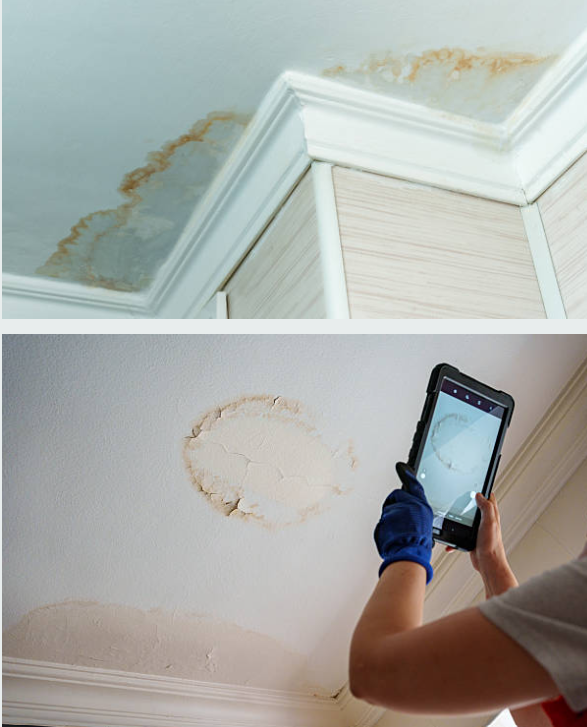
Ceiling stains often indicate roof leaks or plumbing issues in upper floors or attics. Circular or irregular stains suggest leaks from specific points like roof penetrations, plumbing fixtures, or HVAC condensate lines. Linear stains following joists or seams indicate water traveling along structural elements before soaking through ceiling materials.
Wall stains signal various problems depending on location. Stains near ceilings suggest roof leaks or upper-floor plumbing failures. Mid-wall stains may indicate pipe leaks within walls or exterior water intrusion through compromised building envelopes. Base-of-wall stains often result from foundation leaks, floor-level plumbing issues, or rising groundwater.
Floor discoloration reveals moisture from below or above. Dark spots on hardwood floors indicate prolonged water exposure causing permanent damage. Carpet discoloration may hide extensive water absorption in padding and subflooring. Tile or vinyl floor discoloration around fixtures suggests slow leaks from toilets, sinks, or appliances.
The presence of water rings indicates multiple leak episodes. Concentric rings show water damage occurred at different times, with each ring representing a separate wetting event. Multiple rings prove ongoing moisture problems requiring immediate professional attention rather than simple cosmetic repairs.
Texture changes accompany visible staining. Water-damaged materials feel soft, spongy, or crumbly compared to dry materials. Pressing gently on stained areas reveals whether moisture has weakened structural integrity. If materials feel compromised, professional water damage restoration services near me should be contacted immediately.
Don’t ignore stains even after visible moisture disappears. Many property owners assume stains from resolved leaks pose no further threat, but moisture remains deep within building materials. This hidden moisture promotes mold growth and material deterioration. Professional moisture testing confirms whether materials have truly dried or still harbor damaging moisture.
For comprehensive guidance on addressing visible water damage signs, property owners should review similar situations in our article about water damage restoration in Prospectville where similar housing stock faces comparable challenges.
Sign 2: Musty Odors and Unusual Smells
Musty odors serve as reliable water damage indicators even when visible signs remain hidden. The distinctive smell of mold and mildew alerts observant property owners to moisture problems requiring immediate investigation and remediation.
The musty smell characteristic of water damage results from microbial volatile organic compounds (MVOCs) released by mold and bacteria growing in damp environments. These compounds create the earthy, stale odor associated with basements, old books, and water-damaged buildings. Even low-level microbial activity produces detectable odors before visible mold appears.
Location of odors provides clues about moisture sources. Musty smells concentrated in bathrooms or kitchens suggest plumbing leaks behind walls or under fixtures. Basement odors indicate foundation leaks, poor drainage, or groundwater intrusion. Attic smells point to roof leaks or inadequate ventilation creating condensation problems.
Intensity variations signal problem severity. Faint musty odors suggest early-stage moisture issues or small affected areas. Strong, overwhelming odors indicate extensive water damage, advanced mold growth, or long-standing moisture problems. Odor intensity helps prioritize response urgency and estimate restoration scope.
Intermittent odors complicate detection. Some moisture problems only produce odors under specific conditions; during humid weather, when HVAC systems operate, or at certain times of day. Property owners noticing occasional musty smells should investigate thoroughly rather than dismissing them as temporary. Intermittent odors often indicate hidden moisture cycling through wet and semi-dry states.
Sewage odors demand immediate response. While musty smells indicate general moisture and mold, sewage odors signal category 3 water damage involving harmful bacteria and pathogens. This contamination poses serious health risks and requires professional restoration specialists with biohazard training and equipment.
Freshness masking fails to eliminate problems. Air fresheners, candles, and odor neutralizers temporarily mask musty smells without addressing underlying moisture issues. Professional water damage restoration in Skippack requires locating and eliminating moisture sources, not covering symptoms. Proper restoration eliminates odors permanently by removing their cause.
Following your nose leads to hidden damage. Investigating musty odors often reveals water damage invisible during casual observation. Checking behind furniture, inside closets, and in crawl spaces guided by odor concentration helps locate moisture sources before they cause extensive damage.
For properties experiencing persistent odors despite cleaning efforts, our expertise in addressing contamination issues demonstrated through asbestos abatement services shows our commitment to comprehensive hazard elimination.
Sign 3: Warped or Buckled Flooring
Flooring damage provides unmistakable evidence of water intrusion, as most flooring materials react dramatically to moisture exposure. Recognizing these changes early prevents extensive subfloor damage and costly complete floor replacement.
Hardwood floor cupping occurs when moisture penetrates from below, causing board edges to rise higher than centers. This distinctive profile indicates subfloor or foundation moisture problems. Cupping sometimes reverses as wood dries, but it often leaves permanent deformation requiring professional evaluation to determine whether sanding and refinishing can restore appearance.
Hardwood floor crowning happens when moisture enters from above, causing board centers to rise higher than edges. This damage typically results from spills, leaks, or cleaning with excessive water. Crowned boards may flatten as they dry but often retain cupping or other deformations depending on moisture duration and severity.
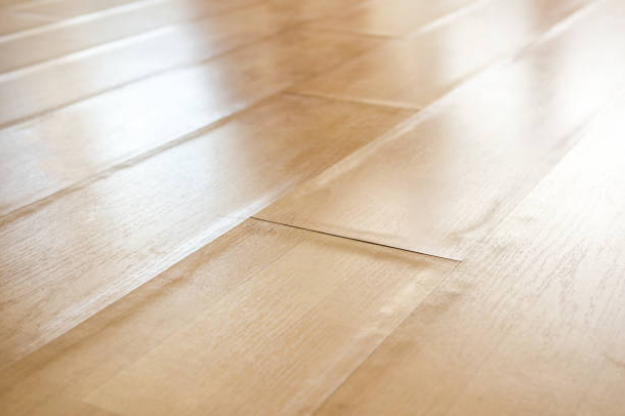
Buckling represents severe hardwood damage where boards separate from subfloors and rise dramatically. This extreme reaction occurs when prolonged moisture exposure causes such extensive swelling that boards push against each other with enough force to break adhesive bonds or pull up nails. Buckling always requires professional restoration and usually necessitates floor replacement.
Laminate flooring swells and delaminates when exposed to water. The core material absorbs moisture rapidly, expanding and separating from decorative layers. Swollen laminate feels spongy underfoot and shows visible height differences between affected and dry areas. Unfortunately, damaged laminate cannot be repaired and requires replacement.
Vinyl flooring develops bubbles, wrinkles, and loose edges when moisture compromises adhesive bonds. Bubbles indicate water trapped beneath flooring, while wrinkles show material expansion from moisture absorption. Loose edges allow water to penetrate further under flooring, expanding damage until addressed professionally.
Carpet exhibits multiple water damage indicators. Dampness or wet spots indicate active moisture problems. Discoloration and staining mark previous or ongoing leaks. Wrinkles and waves develop as backing materials absorb moisture and expand unevenly. Musty odors emanate from wet padding and subfloors even when surface carpet feels dry.
Tile flooring seems water-resistant but shows damage signs when subfloors fail. Loose or hollow-sounding tiles indicate subfloor deterioration compromising adhesive bonds. Cracked grout and tiles result from subfloor movement or swelling. Moisture seeping through grout lines creates efflorescence; white mineral deposits crystallizing as water evaporates.
Professional assessment determines salvageability. Water damage restoration specialists use moisture meters to measure water content in flooring and subfloors. These readings determine whether drying can save materials or replacement is necessary. Early professional intervention maximizes salvage opportunities and minimizes replacement costs.
The same attention to detail we bring to flooring issues in Skippack helps clients throughout the region, as seen in our work addressing water damage restoration in Roslyn and similar communities.
Sign 4: Peeling or Bubbling Paint and Wallpaper
Paint and wallpaper react visibly to moisture, making these wall coverings excellent indicators of hidden water damage. Understanding these warning signs helps property owners identify problems before moisture causes structural damage.
Paint peeling occurs as moisture seeps through walls from leaks, condensation, or exterior water intrusion. Water dissolves the bond between paint and surface materials, causing paint to separate and flake. Peeling typically begins at moisture entry points and spreads as water migrates through wall assemblies.
Bubbling paint indicates active moisture beneath paint films. Water vapor trapped between paint and wall surfaces creates pressure that lifts paint into bubble formations. These bubbles feel soft when pressed, confirming liquid or vapor presence. Bubbles eventually burst, leaving bare spots where moisture directly exposed wall materials.
Paint discoloration reveals moisture even without peeling or bubbling. Water-damaged paint appears darker, yellower, or develops brownish tints depending on contaminants in water. Discoloration patterns often outline water’s path through walls, helping identify leak sources.
Wallpaper separates from walls when moisture compromises adhesive. Edges and seams lift first, followed by larger areas as moisture spreads. Severe moisture causes wallpaper to droop or sag noticeably. Some wallpapers develop dark spots or mildew growth visible through paper itself.
Wallpaper bubbles indicate significant moisture accumulation. Like paint bubbles, these formations contain water or vapor between wallpaper and wall surfaces. Bubbles vary in size from small blisters to large bulges. Pressing bubbles may release water, confirming active moisture problems requiring immediate attention.
Texture changes signal wall material deterioration. Moisture-damaged drywall behind paint or wallpaper feels soft, spongy, or crumbly. Running hands over walls may reveal slight bulges or depressions indicating material swelling or degradation. These texture changes prove moisture has penetrated beyond surface coverings into structural materials.
Professional investigation reveals extent. Water damage visible on wall surfaces often represents minimal damage compared to hidden moisture in wall cavities. Restoration specialists use thermal imaging and moisture meters to map complete moisture extent without destructive investigation. This technology guides efficient restoration targeting all affected areas.
For comprehensive wall damage assessment and restoration approaches similar to those needed in Skippack, our experience with water damage restoration in Center Square provides valuable insights.
Sign 5: Mold and Mildew Growth
Visible mold growth confirms that moisture problems have progressed beyond early stages and require immediate professional intervention. Understanding mold identification and health risks helps property owners respond appropriately to this serious warning sign.
Mold appears in various colors and textures depending on species and growth stage. Common indoor molds include black, green, white, and orange varieties. Some appear fuzzy or powdery, while others look slimy or smooth. Any visible mold indicates sufficient moisture for growth and likely signals water damage requiring restoration.
Mold locations reveal moisture sources. Bathroom mold around tubs, showers, and toilets suggests inadequate ventilation or leaking fixtures. Kitchen mold near sinks or under cabinets indicates plumbing leaks. Basement mold points to foundation issues or poor drainage. Attic mold results from roof leaks or condensation from inadequate ventilation.

Mold growth patterns provide clues about moisture duration. Small isolated spots suggest recent moisture introduction or intermittent leaks. Large colonies covering substantial areas indicate long-standing moisture problems. Mold following specific paths shows water migration routes through building materials.
Hidden mold poses serious risks. Visible mold often represents only a fraction of total growth. Mold colonizes inside walls, under flooring, in insulation, and within HVAC systems where it remains invisible until professional inspection. Property owners seeing any mold should assume more exists in hidden locations.
Health effects demand swift action. Mold exposure causes respiratory problems, allergic reactions, asthma aggravation, and other health issues. Sensitive individuals including children, elderly, and those with compromised immune systems face greater risks. Anyone experiencing unexplained respiratory symptoms in moldy environments should seek medical attention and professional mold remediation.
Mildew differs from mold but indicates similar moisture problems. Mildew grows on surfaces rather than penetrating materials deeply. It appears powdery white or gray and easily wipes away, unlike mold which embeds in substrates. While mildew poses fewer health risks than mold, its presence confirms moisture levels sufficient for mold growth.
DIY mold removal attempts often fail and spread contamination. Disturbing mold colonies releases millions of spores that drift to new locations. Without proper containment, cleaning efforts contaminate previously unaffected areas. Professional mold remediation uses containment, air filtration, and specialized techniques preventing spread during removal.
Professional testing identifies species and extent. Air and surface sampling reveal mold types present and concentration levels. Some species produce toxic compounds requiring special handling. Testing also establishes baseline conditions for post-remediation verification, confirming successful mold elimination.
Our comprehensive approach to mold issues in Skippack mirrors our expertise demonstrated through water damage restoration in Montgomeryville projects addressing similar contamination challenges.
Sign 6: Increased Humidity and Condensation
Indoor humidity levels above normal ranges indicate moisture problems even without visible water damage. Recognizing excess humidity and condensation helps property owners detect hidden water damage before obvious signs appear.
Normal indoor humidity ranges from 30% to 50%. Levels consistently above 50% promote mold growth, dust mite proliferation, and material degradation. Humidity above 60% creates ideal conditions for rapid biological growth and accelerated water damage progression. Digital hygrometers provide accurate humidity measurements for monitoring.
Condensation on windows signals excess humidity. During cold weather, warm, humid indoor air contacting cold window glass causes moisture to condense into visible water droplets. While some condensation is normal in extreme conditions, persistent or heavy condensation indicates humidity problems requiring investigation.
Condensation patterns reveal moisture sources. Heavy condensation throughout the property suggests whole-house humidity problems from inadequate ventilation or major moisture sources. Condensation concentrated in specific rooms points to localized issues like bathroom ventilation failures or plumbing leaks.
Sweating walls and ceilings indicate severe humidity or hidden moisture. Visible water droplets on interior surfaces mean humidity has reached saturation or moisture is escaping through walls from leaks. This condition demands immediate investigation and professional restoration to prevent extensive damage.
Cold water pipes develop condensation when ambient humidity is excessive. Pipes act like cold glasses holding iced drinks; moisture in warm air condenses on cold pipe surfaces. This condensation drips onto surrounding materials, potentially causing water damage. Pipe insulation reduces condensation, but controlling indoor humidity addresses root causes.
HVAC systems struggling to maintain comfort suggest moisture problems. Excess humidity makes properties feel muggy and uncomfortable even at normal temperatures. Air conditioners working harder than usual may indicate they’re fighting against abnormal moisture loads from hidden leaks.
Dehumidifiers running constantly without achieving target humidity reveal moisture sources exceeding dehumidifier capacity. While dehumidifiers help manage minor humidity problems, they cannot solve significant moisture intrusion from leaks, floods, or groundwater. Continuous operation without improvement signals the need for professional moisture source identification.
The relationship between humidity and water damage makes this warning sign particularly important for Skippack property owners. Our approach to moisture management has proven effective throughout the region, including in water damage restoration in Blue Bell where similar climate challenges exist.
Sign 7: Sagging Ceilings and Walls
Structural deformation represents advanced water damage requiring immediate professional intervention to prevent collapse and injury. Understanding how water affects structural elements helps property owners recognize danger before catastrophic failure occurs.
Ceiling sagging results from waterlogged drywall or plaster losing structural integrity. Water adds tremendous weight to ceiling materials while simultaneously weakening them. Ceilings absorbing water bow downward under combined weight of materials and accumulated water. Severe sagging precedes complete ceiling collapse.
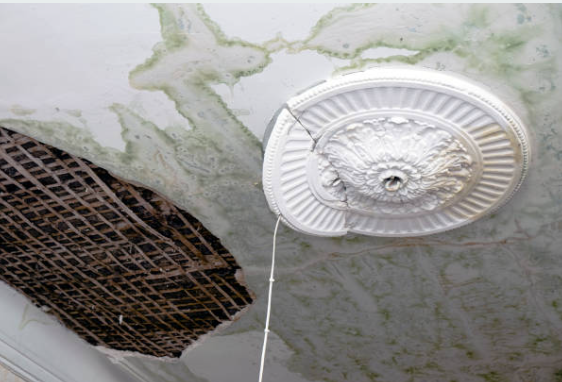
Visual signs precede catastrophic failure. Slight downward bowing indicates early-stage water damage. Cracks developing parallel to ceiling joists show material stress. Discoloration and water stains accompany sagging, confirming moisture as the cause. Any ceiling sagging warrants immediate evacuation of areas below and professional emergency response.
Wall bulging indicates water accumulation within wall cavities. Drywall absorbs water like sponges, swelling and losing rigidity. Bulging walls feel soft when pressed and may release water if punctured. This condition typically results from significant plumbing leaks, roof leaks, or flooding saturating wall assemblies.
Buckling drywall appears as waves or ripples across wall surfaces. This deformation happens as wet drywall expands while still attached to framing. Buckling differs from bulging; buckled walls show surface undulation rather than outward protrusion. Both conditions require replacement of affected materials after moisture source elimination.
Separating ceiling or wall materials indicate advanced deterioration. Visible gaps between drywall sheets or between drywall and framing show fasteners pulling through weakened materials. These separations often precede complete detachment and collapse. Property owners noticing separation should evacuate affected areas and contact emergency restoration services immediately.
Load-bearing wall damage threatens structural stability. While most modern interior walls aren’t load-bearing, water damage to structural walls compromises building integrity. Professional evaluation determines whether emergency shoring is necessary to prevent progressive failure during restoration.
Prompt professional response prevents collapse. Restoration specialists assess structural danger, implement emergency stabilization if needed, and develop restoration plans addressing both immediate hazards and complete repair. Attempting DIY repairs of structurally compromised materials risks injury and exacerbates damage.
Emergency response for severe structural issues requires the immediate attention we provide through our emergency water damage restoration services, ensuring rapid professional assessment and stabilization.
Sign 8: Unexplained Increases in Water Bills
Water bills rising without corresponding usage increases often indicate hidden leaks wasting water and damaging properties. Monitoring utility bills helps detect problems invisible during casual property inspections.
Normal usage variations reflect seasonal changes and household activities. Summer irrigation, additional guests, or lifestyle changes explain most usage fluctuations. However, bills increasing significantly without explanation warrant investigation for hidden leaks.
Calculating usage helps identify abnormal consumption. Most water bills show both cost and volume measured in gallons or cubic feet. Comparing current usage to historical averages reveals meaningful increases. Many utilities provide online access to daily usage data, enabling detailed pattern analysis.
Small leaks waste surprising water volumes. A toilet flapper leak of one gallon per minute wastes 1,440 gallons daily and over 43,000 gallons monthly. This substantial waste significantly impacts bills while potentially causing hidden water damage as leaked water seeps into surrounding structures.
Underground leaks between water meters and properties often go undetected until bills reveal waste. These leaks damage foundations, create sinkholes, and waste enormous water volumes. Property owners noticing unexplained bill increases should check water meters for continuous movement when all fixtures are off, indicating leaks somewhere in the system.
Toilet leaks are common and often silent. Food coloring tests reveal flapper leaks; add several drops to toilet tanks, wait 15 minutes without flushing, then check bowl water for color. Colored bowl water confirms leaks wasting water and potentially damaging floors and subfloors.
Irrigation system leaks occur underground and in walls where lines penetrate structures. Broken sprinkler heads, damaged main lines, and malfunctioning valves waste water while creating localized flooding or foundation moisture problems. Regular irrigation system inspection prevents both waste and property damage.
Professional leak detection locates hidden problems. Specialized equipment including acoustic sensors, thermal imaging, and moisture meters pinpoint leak locations without destructive investigation. Early detection and repair minimize both water waste and property damage.
For Skippack property owners concerned about utility costs and potential hidden damage, our experience addressing these issues mirrors our work throughout the region, including water damage restoration in Ambler where similar concerns frequently arise.
Sign 9: Sounds of Running Water
Hearing water running when no fixtures operate clearly indicates leaks requiring immediate investigation. Understanding different water sounds and their sources helps property owners locate problems quickly.
Running water sounds vary by source and location. Rushing water indicates significant flow through broken pipes or wide-open leaks. Dripping sounds suggest slower leaks from fixtures or small pipe holes. Gurgling noises may indicate drain line problems or air entering water supply lines through leaks.
Sound location guides investigation. Water sounds behind walls point to supply line or drain pipe leaks within wall cavities. Ceiling sounds suggest upper-floor plumbing issues or roof leaks. Floor-level sounds may indicate subfloor leaks or foundation moisture problems. Following sounds to their sources helps identify specific problem areas.
Intermittent sounds complicate detection. Some leaks only produce sounds under specific conditions; when certain fixtures operate, during specific times, or under particular water pressure scenarios. Property owners hearing occasional water sounds should investigate immediately rather than dismissing intermittent occurrences as imagination.
Silent leaks pose serious challenges. Not all water damage creates audible signs. Slow seepage through building materials, condensation-related moisture, and certain leak types operate silently while causing extensive damage. Silent leaks often progress further before detection than audible ones.
Nighttime listening reveals hidden sounds. Background noise during busy daytime hours masks subtle water sounds. Late-night silence when appliances and HVAC systems are off allows detection of faint running water, dripping, or gurgling indicating hidden leaks.
Professional acoustic leak detection supplements human hearing. Specialized microphones and amplifiers detect water sounds imperceptible to unaided ears. Technicians systematically search properties using acoustic equipment, pinpointing leak locations with remarkable accuracy.
Prompt investigation prevents damage escalation. Water sounds confirm active leaks currently damaging properties. Every hour of delay allows more water intrusion and material deterioration. Property owners hearing unexplained water sounds should shut off main water supplies if leak sources cannot be immediately identified, then contact professional restoration specialists.
Common causes affecting Skippack homes, from seasonal challenges to infrastructure issues, also impact surrounding areas where we provide expert services such as water damage restoration in Harleysville using proven detection and restoration methods.
Hidden Water Damage in Skippack Homes
Hidden water damage presents the greatest restoration challenges because it progresses undetected until extensive deterioration occurs. Understanding common hiding places and detection methods helps property owners find problems before they require major reconstruction.
Wall cavities conceal significant damage potential. Water from plumbing leaks, roof intrusion, or external sources flows through wall assemblies following gravity and capillary action. Moisture saturates insulation, weakens framing, and promotes mold growth completely hidden from view. Only professional moisture detection reveals this damage before it becomes obvious.
Attic spaces harbor various hidden damage sources. Roof leaks allow water entry that damages sheathing, rafters, and insulation before becoming visible in living spaces below. Inadequate ventilation creates condensation saturating insulation and wooden structural elements. Many property owners never inspect attics, allowing damage to progress for months or years undetected.
Crawl spaces and basements accumulate moisture from multiple sources. Foundation leaks, poor drainage, and groundwater intrusion create persistent dampness promoting mold growth and wood decay. Property owners avoiding uncomfortable crawl space access allow serious damage to develop unchecked.
Under-sink cabinets conceal slow drips from supply lines, drain pipes, and garbage disposals. These dark, enclosed spaces provide ideal conditions for mold and material damage. Regular inspection catches problems early, but many property owners only discover damage when odors or visible deterioration become obvious.
Behind appliances lies another common hiding place. Refrigerator ice maker lines, washing machine hoses, and dishwasher connections develop leaks that damage floors and walls unnoticed behind bulky appliances. Moving appliances periodically for inspection prevents hidden damage progression.
Slab leaks occur in pipes running beneath concrete foundations. These leaks are completely invisible but cause foundation damage, slab cracking, and interior moisture problems. Signs include unexplained warm or cold floor spots, foundation cracks, and increased water bills. Professional leak detection locates slab leaks without destructive concrete removal.
Professional inspection finds hidden damage. Thermal imaging cameras detect temperature differences indicating moisture presence. Moisture meters measure water content in materials without destructive access. Borescopes allow visual inspection inside walls and cavities through small holes. These technologies reveal hidden damage enabling early intervention.
Understanding hidden damage risks encourages proactive monitoring and maintenance. Regular professional inspections, prompt investigation of warning signs, and systematic property assessments minimize hidden damage risks.
Health Risks of Ignoring Water Damage
Water damage creates health hazards extending beyond structural concerns. Understanding these risks motivates prompt restoration protecting occupant wellbeing alongside property investment.
Mold exposure causes numerous health problems. Respiratory issues including coughing, wheezing, and throat irritation commonly affect occupants of moldy environments. Asthma sufferers experience increased attack frequency and severity. Allergic reactions produce sneezing, congestion, skin rashes, and eye irritation. Serious infections can develop in immunocompromised individuals.
Mycotoxins produced by certain mold species create severe health risks. These toxic compounds cause neurological symptoms, immune system suppression, and other serious effects. Species like Stachybotrys chartarum (black mold) produce particularly dangerous mycotoxins. Professional remediation is essential for properties with toxic mold growth.
Bacteria thrive in water-damaged environments, especially after sewage backups or contaminated flood water. Harmful bacteria including E. coli, Salmonella, and Campylobacter cause severe gastrointestinal illness. Legionella bacteria growing in damp HVAC systems cause potentially fatal Legionnaires’ disease. Proper sanitization eliminates bacterial contamination.
Airborne particles from water-damaged materials aggravate respiratory conditions. Deteriorating drywall, insulation, and other materials release dust and particulates into indoor air. These particles irritate lungs and sinuses, worsening asthma and allergies. HEPA filtration during restoration protects occupants from airborne contamination.
Chemical off-gassing increases in damp environments. Moisture accelerates release of volatile organic compounds (VOCs) from building materials, furnishings, and household products. VOC exposure causes headaches, dizziness, and respiratory irritation. Some VOCs have long-term health effects including organ damage and cancer.
Pest infestations follow water damage. Insects including termites, carpenter ants, and cockroaches thrive in damp conditions. Rodents seek water sources and nest in water-damaged areas. These pests spread disease, contaminate food, and cause additional property damage. Professional pest control often accompanies water damage restoration.
Mental health impacts shouldn’t be overlooked. Living in damaged, contaminated environments creates stress, anxiety, and depression. The overwhelming nature of major restoration projects adds to psychological burden. Professional restoration services relieve this stress while ensuring thorough, proper restoration.
Vulnerable populations face greatest risks. Children, elderly, pregnant women, and individuals with compromised immune systems or existing respiratory conditions experience more severe health effects from water damage contamination. Protecting these vulnerable occupants makes prompt professional restoration particularly critical.
The Cost of Delayed Restoration
Postponing water damage restoration in Skippack exponentially increases costs while multiplying damage severity. Understanding cost progression motivates immediate action when water damage occurs.
Initial damage often appears manageable. A small ceiling stain or minor floor dampness seems like minimal problems not warranting immediate professional attention. However, visible damage typically represents only a fraction of actual moisture extent. Hidden damage progresses rapidly while property owners contemplate whether professional restoration is necessary.
Material damage accelerates over time. Drywall begins weakening within hours of water exposure, requiring replacement within days if not promptly dried. Hardwood floors sustain permanent damage within 48-72 hours. Insulation compressed by water loses effectiveness and requires replacement. Each day of delay converts more salvageable materials into replacement requirements.
Mold growth adds significant costs. Professional mold remediation costs thousands of dollars beyond standard water damage restoration. Mold develops within 24-48 hours of moisture exposure, meaning delays of just a few days can transform simple water extraction projects into complex remediation requiring specialized equipment, containment, and disposal.
Structural damage threatens property value. Water weakening wooden framing, damaging foundations, or compromising load-bearing elements requires extensive repairs affecting property marketability. Future buyers and appraisers scrutinize properties with water damage history, particularly if restoration was incomplete or performed improperly.
Secondary damage multiplies restoration scope. Water spreading from initial damage points affects additional rooms and materials. Moisture wicking through connected materials expands damage far beyond original wet areas. Prompt extraction contains damage to initial impact zones, while delays allow progressive expansion.
Health-related costs accumulate. Medical expenses for mold-related illnesses, respiratory problems, and other health issues resulting from water damage contamination add to direct restoration costs. Temporary relocation during extensive restoration imposes additional expenses for lodging, meals, and inconvenience.
Insurance complications increase costs. Delayed restoration may void coverage if insurance companies determine damage resulted from maintenance neglect rather than covered perils. Higher repair costs from advanced damage may exceed policy limits, leaving property owners responsible for overages. Prompt professional restoration supports insurance claims and maximizes coverage.
Professional restoration costs far less than delayed DIY attempts. Many property owners try saving money with DIY cleanup, only to call professionals weeks later when problems worsen. By then, damage has progressed requiring far more extensive restoration than if professionals had responded immediately. The false economy of DIY approaches ultimately costs more in most cases.
For guidance on managing expenses and insurance claims related to water damage, property owners should consult resources on sink overflow causes and prevention to understand common, preventable damage sources.
Emergency Response Procedures
Understanding proper emergency response when discovering water damage protects property and occupants while supporting successful restoration outcomes. Following correct procedures immediately after water damage detection minimizes harm and facilitates professional restoration.
Safety takes absolute priority. If water levels pose drowning risks, electricity remains on in affected areas, or structural collapse seems possible, evacuate immediately and call emergency services. Never enter unsafe environments to salvage belongings or attempt cleanup. Life and health matter infinitely more than property.
Stop the water source if safely possible. Shut off main water supplies if burst pipes caused damage. Turn off appliance supply lines for washing machine, dishwasher, or refrigerator leaks. Place containers under dripping leaks until professional repairs can be made. Stopping ongoing water flow prevents damage accumulation.
Document everything before cleanup begins. Take extensive photos and videos from multiple angles showing water levels, affected areas, and damaged property. This documentation proves essential for insurance claims and professional restoration planning. Many smartphones allow date/time stamping providing additional verification.
Contact professional restoration services immediately. Call PuroClean of Lansdale at (267) 834-5900 for 24/7 emergency response to Skippack properties. Professional restoration specialists guide property owners through initial steps while dispatching emergency response teams. Early professional involvement ensures proper restoration procedures from start to finish.
Remove standing water if safe and equipment is available. Mops, towels, and household wet/dry vacuums can remove surface water while awaiting professional help. However, don’t delay calling professionals to attempt extensive cleanup. Industrial equipment removes far more water than household tools, and professional expertise ensures complete restoration.
Move valuable items to dry areas. Elevate furniture using blocks or foil-wrapped wood pieces. Remove important documents, electronics, and irreplaceable items from affected areas. Hang draperies and curtains to prevent wicking water from wet floors. These simple actions protect valuables while awaiting professional restoration.
Increase ventilation and air circulation. Open windows if weather permits and outdoor humidity is lower than indoor levels. Position household fans to promote air movement. These measures begin drying processes, though professional equipment dramatically accelerates drying beyond household capabilities.
Do not use home electrical systems in flooded areas. Water and electricity create deadly combinations. Even after visible water recedes, electrical systems require professional inspection before reactivation. Never enter standing water in areas with electrical power.
Avoid contaminated water. Category 2 and 3 water containing contaminants poses serious health risks. Wear appropriate protective equipment including gloves and boots if contact is necessary. Wash thoroughly with soap and water after any contaminated water exposure. Leave sewage and heavily contaminated water to professionals with proper training and equipment.
Communicate with insurance companies promptly. Report losses as soon as possible after discovery. Provide documented evidence and professional estimates. Cooperate fully with adjuster inspections and information requests. Prompt communication facilitates claim processing and coverage determination.
Resist premature repair attempts. Many property owners begin removing damaged materials or attempting repairs before comprehensive professional assessment. These efforts often miss hidden damage, violate insurance claim requirements, or use improper techniques worsening problems. Allow professionals to assess full damage extent before making permanent repairs.
For immediate emergency assistance, Skippack property owners should contact PuroClean of Lansdale at (267) 834-5900. Our certified technicians respond 24/7 to all water damage emergencies with professional equipment, expertise, and compassion.
Professional Inspection Benefits
Professional water damage inspection provides value far exceeding costs through comprehensive damage assessment, advanced detection technology, and expert restoration planning. Understanding these benefits helps property owners make informed decisions about engaging professional services.
Comprehensive assessment reveals complete damage extent. Trained inspectors systematically examine properties from foundations to roofs, identifying all affected areas including those hidden from casual observation. This thorough approach prevents overlooking damage that worsens if left untreated.
Advanced technology detects invisible damage. Thermal imaging cameras identify temperature differences indicating moisture presence behind walls, under floors, and in ceilings without destructive access. Moisture meters measure water content in materials, determining whether areas are truly dry or still harbor damaging moisture. Hygrometers measure indoor humidity levels indicating environmental conditions.
Expert damage categorization guides restoration approaches. Water damage falls into three categories based on contamination levels, each requiring different restoration techniques and safety protocols. Professionals correctly categorize damage ensuring appropriate restoration procedures protect health and achieve complete restoration.
Accurate cost estimates support planning. Professional inspections generate detailed restoration plans including labor, materials, equipment, and timelines. These estimates help property owners budget appropriately, submit accurate insurance claims, and make informed decisions about restoration scope.
Mold testing identifies contamination. Professional inspectors collect air and surface samples for laboratory analysis. Testing reveals mold species present, concentration levels, and contamination extent. This information guides remediation planning and provides baseline data for post-restoration verification testing.
Insurance expertise facilitates claims. Professional restoration companies work with insurance adjusters daily, understanding documentation requirements and claims processes. They provide estimates in formats insurance companies require, attend adjuster inspections, and advocate for fair claim settlements. This expertise significantly eases the claims burden on property owners.
Restoration planning prevents future problems. Experienced inspectors identify root causes of water damage, not just symptoms. They recommend preventive measures addressing underlying issues preventing recurrence. This comprehensive approach provides long-term protection beyond immediate damage restoration.
Safety assessment protects occupants. Professional inspectors evaluate structural integrity, electrical system safety, and biological contamination hazards. They determine whether properties are safe for occupancy during restoration or if temporary relocation is necessary. This expert assessment prevents injury and health problems.
Quality assurance ensures complete restoration. Professional companies maintain industry certifications requiring adherence to established standards and best practices. This quality commitment means restoration meets or exceeds insurance requirements and industry benchmarks. Property owners gain confidence that work was performed correctly.
Time savings prove valuable. Attempting DIY assessment and restoration consumes enormous time researching techniques, acquiring equipment, and performing labor. Professional services complete restoration far faster while achieving superior results. The time savings alone often justifies professional service costs.
For Skippack property owners seeking professional assessment and restoration, PuroClean of Lansdale provides certified inspection services using advanced technology and proven methods. Contact us at (267) 834-5900 or visit our contact page to schedule comprehensive property inspections. Follow us on Instagram, Facebook, LinkedIn, and X (Twitter) for water damage prevention tips and restoration insights.
Conclusion
Recognizing these nine critical warning signs of water damage protects Skippack properties from devastating losses. Visible water stains, musty odors, warped flooring, peeling paint, mold growth, increased humidity, sagging structures, rising water bills, and sounds of running water all demand immediate investigation and professional restoration services.
Early detection transforms potential disasters into manageable restoration projects. Every hour of delay allows water damage to progress, mold to colonize, and repair costs to multiply. The difference between prompt professional intervention and delayed response often measures in thousands or tens of thousands of dollars.
PuroClean of Lansdale serves Skippack with certified water damage restoration specialists, advanced equipment, and 24/7 emergency response. Our Certified Priority Response (CPR) Program employs strict certification standards, clear protocols, and mutually agreed-upon scope pre-approvals to reduce claim costs and increase satisfaction.
We serve residential properties, commercial buildings, property managers, and insurance agents throughout Montgomery County including Skippack, Schwenksville, and all surrounding communities. Our comprehensive services include water extraction, structural drying, mold remediation, reconstruction, and insurance assistance ensuring complete restoration from initial emergency response through final inspection.
Don’t wait for water damage warning signs to escalate into catastrophic failures. At the first indication of moisture problems, contact PuroClean of Lansdale at (267) 834-5900 for professional assessment and restoration. Located at 2033 Lucon Rd, Bldg. Rear, Schwenksville, PA 19473, we’re your local water damage restoration experts ready to respond immediately.
Visit our Google Maps listing for directions and customer reviews. For additional resources, explore our comprehensive guides on water damage restoration in Abington and related services throughout our service area.
Protect your Skippack property today; schedule a professional water damage inspection and discover hidden moisture problems before they require extensive restoration. Call (267) 834-5900 now for your free assessment!


 PuroClean of Lansdale