 PuroClean of Lansdale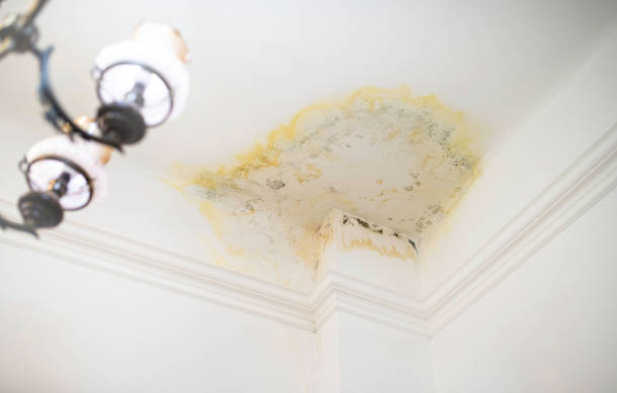
Table of Contents
Water damage restoration in Spring Mount addresses five critical warning signs: unexplained water stains on walls or ceilings, persistent musty odors indicating hidden moisture, warped or buckling floors, unusual spikes in water bills, and visible mold growth. Professional restoration services provide 24/7 emergency response with certified specialists who utilize advanced moisture detection equipment, industrial-grade extraction tools, and comprehensive drying systems. Spring Mount property owners can expect rapid response times averaging under 60 minutes, complete damage assessment within two hours, and full restoration completed within 3-7 days depending on severity. Immediate professional intervention prevents secondary damage, reduces restoration costs by up to 40%, and ensures complete property recovery.
Sarah Mitchell never suspected anything was wrong. The Spring Mount homeowner noticed a faint musty smell in her basement but dismissed it as typical dampness. Three months later, during a routine HVAC maintenance visit, the technician discovered extensive mold growth behind the finished walls and a slow leak that had been saturating insulation and wooden supports for months. The repair bill? Over $35,000, with her insurance covering only a fraction due to the gradual nature of the damage.
This scenario repeats itself across Spring Mount every month. Homeowners overlook subtle warning signs until minor water intrusion becomes catastrophic damage requiring extensive reconstruction. The cruel irony? Early intervention with professional water damage restoration in Spring Mount could have resolved Sarah’s problem for a few thousand dollars, preventing months of displacement and stress.
Water damage rarely announces itself with obvious flooding. Instead, it creeps through your property silently, leaving subtle clues that many homeowners miss or ignore. Understanding these warning signs and knowing when to call professional restoration specialists can mean the difference between minor repairs and complete reconstruction. This comprehensive guide reveals the five critical indicators that your Spring Mount property needs immediate water damage restoration, along with expert insights on protecting your investment.
Why Water Damage in Spring Mount Requires Immediate Attention
Spring Mount’s unique geographic and climatic characteristics create specific water damage vulnerabilities. Located in Montgomery County, Pennsylvania, the community experiences seasonal temperature extremes that stress plumbing systems and building materials. Winter freezes cause pipe expansion and contraction, creating weak points that eventually fail. Spring thaws saturate the ground, increasing hydrostatic pressure against foundation walls and basement structures.
The area’s housing stock presents additional challenges. Many homes date from the mid-20th century, featuring original plumbing and drainage systems approaching or exceeding their expected lifespan. Galvanized steel pipes, common in homes built before 1970, corrode from the inside, gradually restricting water flow before failing catastrophically. Cast iron sewer lines, while durable, develop cracks and separations after 50-60 years, allowing tree roots to penetrate and cause backups.
Water damage accelerates exponentially when left unaddressed. Within the first 24 hours, water begins penetrating porous materials like drywall, insulation, and subflooring. Mold spores, always present in the environment, find ideal growing conditions in damp areas. Between 24-48 hours, visible mold colonies begin forming. After one week, structural damage often becomes severe enough to require replacement rather than restoration.
The financial impact of delayed response is staggering. Industry data shows that immediate professional intervention reduces restoration costs by 35-40% compared to damage addressed after several days. Insurance companies recognize this; many policies include provisions encouraging rapid professional response. Some insurers offer premium discounts to policyholders who maintain relationships with certified restoration companies, acknowledging the cost savings from quick action. Professional water damage restoration services near me provide the rapid response necessary to minimize both damage and costs.
Warning Sign 1: Unexplained Water Stains and Discoloration
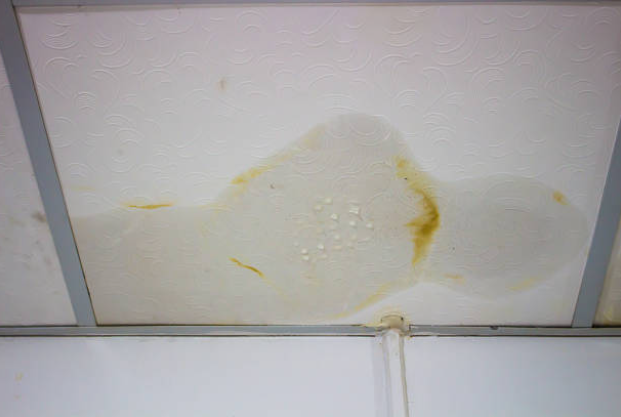
Water stains represent the most visible indicator of moisture problems, yet many homeowners underestimate their significance. These discolorations appear as yellowish-brown rings on ceilings, walls, or around fixtures. The stain’s appearance provides clues about the water source and duration. Fresh stains appear darker and may feel damp to the touch. Older stains look faded but indicate ongoing or recurring moisture intrusion.
Ceiling stains typically originate from roof leaks, upper-floor plumbing failures, or HVAC condensation. The stain’s location relative to walls and fixtures helps identify the source. Stains near chimneys suggest flashing failures. Those appearing along outside walls may indicate ice dam damage or gutter overflow. Center-ceiling stains in upper floors often point to toilet wax ring failures or shower pan leaks.
Wall stains present different diagnostic challenges. Horizontal staining near the floor suggests foundation leaks or poor grading directing water toward the house. Vertical staining might indicate plumbing leaks within walls or condensation from inadequate insulation. Stains around windows signal failed seals or improper flashing installation.
The critical mistake homeowners make is painting over water stains without addressing the source. Paint provides temporary cosmetic improvement but traps moisture within building materials, accelerating deterioration and mold growth. Professional water damage restoration in Spring Mount begins with identifying and eliminating the moisture source before addressing visible damage. Advanced moisture meters detect hidden water behind surfaces, ensuring complete problem resolution. For comprehensive diagnosis and treatment, restoration specialists use scientific methods to trace moisture to its origin.

Warning Sign 2: Persistent Musty Odors
Your nose provides one of the most reliable early warning systems for water damage. Musty odors indicate active mold growth or bacterial colonization of damp materials. This smell, often described as earthy or similar to wet cardboard, results from microbial volatile organic compounds (MVOCs) released during mold metabolism. Even small mold colonies produce detectable odors, making your sense of smell an effective diagnostic tool.
The challenge with odor-based detection is locating the source. Musty smells often emanate from hidden areas; behind walls, under flooring, within HVAC ductwork, or in crawl spaces. Air circulation distributes odors throughout the property, making pinpoint identification difficult without professional equipment. Many homeowners attempt to mask odors with air fresheners or deodorizers, a temporary solution that ignores the underlying moisture problem.
Seasonal variations in odor intensity provide diagnostic clues. Smells that intensify during humid summer months or after rain suggest exterior water intrusion through foundations or poor drainage. Odors that worsen during heating season may indicate condensation within wall cavities from inadequate insulation or HVAC humidification problems.
Professional water damage restoration in Spring Mount addresses odors at their source. Specialists use moisture meters and thermal imaging to locate hidden dampness, then deploy industrial dehumidifiers and air scrubbers to eliminate moisture and airborne mold spores. After moisture removal, antimicrobial treatments prevent future growth, and advanced deodorization techniques neutralize remaining odors. Simply covering up smells without addressing moisture creates health risks and allows damage to progress unchecked.
Warning Sign 3: Warped, Buckling, or Soft Flooring
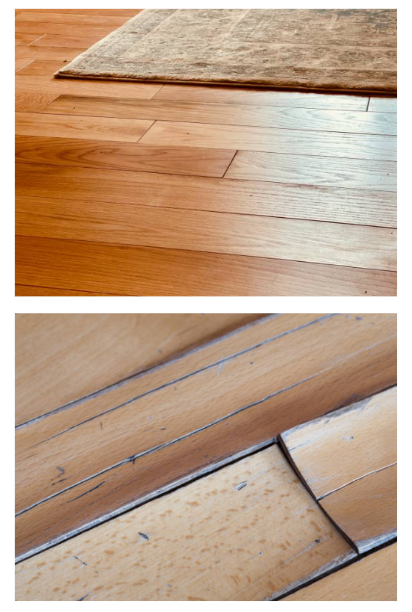
Floor damage provides clear evidence of significant water intrusion. Different flooring materials respond distinctly to moisture, but all deteriorate when exposed to water for extended periods. Recognizing these damage patterns helps homeowners understand severity and respond appropriately.
Hardwood floors are particularly susceptible to water damage. Initial exposure causes cupping, where board edges rise higher than centers, creating a concave surface. Continued moisture exposure leads to crowning, the opposite effect where board centers rise above edges. Severe damage produces buckling; entire sections of flooring lift from the subfloor, creating visible peaks and valleys. These conditions indicate substantial moisture penetration requiring immediate professional intervention.
Laminate flooring swells at joints and edges when water penetrates the protective layer. Boards separate, creating gaps and raised seams. The particleboard core absorbs water rapidly, expanding and losing structural integrity. Once laminate suffers water damage, replacement becomes the only option; this material cannot be restored after significant moisture exposure.
Carpeted floors mask water damage until deterioration becomes severe. Warning signs include damp spots that won’t dry, unusual tackiness, or carpet that separates from tack strips. The padding beneath carpet acts like a sponge, retaining moisture that promotes mold growth and subfloor damage. Walking on affected areas may produce squishy sounds or reveal soft spots in the subfloor beneath.
Tile floors appear water-resistant but suffer damage through grout and substrate. Loose tiles, cracked grout, or hollow sounds when walking indicate water has penetrated to the subfloor. This hidden moisture causes wood subfloor deterioration and creates ideal conditions for mold growth. Professional restoration identifies the extent of subsurface damage using moisture meters, preventing costly surprises during repairs. Similar floor damage patterns occur throughout Montgomery County properties, requiring expert assessment and treatment.
Warning Sign 4: Unexplained Increases in Water Bills
Your water bill provides valuable data about hidden leaks. According to the Environmental Protection Agency, the average household’s leaks waste nearly 10,000 gallons annually; enough to wash 270 loads of laundry. Sudden increases in water usage without corresponding changes in household activities signal potential problems requiring investigation.
Establishing baseline consumption helps identify anomalies. Review water bills over the past year, noting seasonal variations. Summer increases from lawn watering are normal; winter spikes without explanation deserve attention. A 20% increase over your typical usage suggests significant leakage that demands immediate investigation.
Simple tests help identify hidden leaks. The water meter test provides definitive evidence. Record your meter reading, then avoid all water usage for two hours. If the meter shows increased consumption during this period, a leak exists somewhere in your system. For homes with multiple fixtures, this test narrows the search but doesn’t pinpoint the location.
Toilet leaks represent the most common culprit behind increased water bills. A running toilet can waste 200 gallons daily. The dye test confirms toilet leaks; add food coloring to the tank and wait 30 minutes without flushing. If color appears in the bowl, the flapper valve needs replacement. Other common sources include dripping faucets, failing water heater relief valves, and underground service line leaks.
Underground leaks pose particular challenges for Spring Mount homeowners. These leaks waste enormous amounts of water while causing foundation damage, soil erosion, and sinkhole formation. Signs include unusually green patches in lawns, areas of settlement, or persistent wet spots. Professional leak detection services use acoustic equipment and line pressure testing to locate underground problems without extensive excavation. When water bills spike mysteriously, professional water damage restoration in Spring Mount specialists provide comprehensive leak detection and repair services.
Warning Sign 5: Visible Mold or Mildew Growth
Visible mold growth represents the most serious warning sign, indicating that moisture problems have persisted long enough for colonies to establish and spread. Mold appears in various colors; black, green, white, or orange; depending on the species and growth stage. While all mold requires moisture, visible growth suggests sustained dampness creating ideal conditions for rapid colonization.
Common mold growth locations provide clues about moisture sources. Bathroom mold around tubs, showers, and sinks often results from inadequate ventilation combined with high humidity. Basement mold suggests foundation leaks, poor drainage, or condensation from temperature differentials. Attic mold typically indicates roof leaks or inadequate ventilation allowing moisture accumulation.
The health implications of mold exposure warrant serious attention. Mold releases spores and mycotoxins that cause respiratory problems, allergic reactions, and other health issues. Individuals with asthma, allergies, or compromised immune systems face particular risk. Children and elderly persons are especially vulnerable. The presence of visible mold necessitates professional remediation; DIY cleaning addresses symptoms without eliminating the moisture source that enables growth.
Professional mold remediation follows strict protocols established by the IICRC and EPA. Specialists contain affected areas to prevent spore spread during removal. They use HEPA filtration to capture airborne spores and apply antimicrobial treatments to prevent regrowth. Most importantly, they identify and eliminate moisture sources. Without addressing underlying water problems, mold returns regardless of how thoroughly surfaces are cleaned. For properties requiring specialized treatment, professional mold removal services provide comprehensive solutions that ensure complete remediation and prevention.

The Complete Water Damage Restoration Process
Professional water damage restoration in Spring Mount follows a systematic approach that ensures complete recovery while preventing secondary damage. Understanding this process helps property owners appreciate the complexity and value of professional services.
Emergency contact initiates the restoration sequence. PuroClean of Lansdale operates 24/7 emergency response, ensuring help arrives quickly regardless of when disaster strikes. During the initial call, coordinators gather critical information about the water source, visible damage extent, and safety concerns. This data determines which equipment and specialists deploy to your property. Spring Mount residents typically receive response within 60 minutes of calling (267) 834-5900.
Comprehensive damage assessment follows emergency stabilization. Certified technicians inspect all affected areas using moisture meters, thermal imaging cameras, and hygrometers. This scientific approach reveals hidden moisture that visual inspection misses. Assessment categorizes damage severity; Class 1 (minimal absorption) through Class 4 (specialty drying situations); and water category; Category 1 (clean water) through Category 3 (highly contaminated). These classifications determine restoration strategies and timelines.
Water extraction removes standing water and excess moisture from affected materials. Industrial extractors process hundreds of gallons per minute, dramatically reducing drying time. Specialized techniques address different surfaces; carpet extraction uses weighted tools, hardwood requires careful pressure control, and porous materials may need removal if saturation is too severe. Proper extraction prevents secondary damage and creates conditions for effective drying.
Drying and dehumidification constitute the most critical restoration phase. Commercial air movers create powerful airflow across wet surfaces, accelerating evaporation. Industrial dehumidifiers remove moisture from the air, preventing reabsorption into materials. Specialists monitor moisture levels multiple times daily, adjusting equipment placement and settings based on readings. Proper drying typically requires 3-5 days but varies based on materials affected and damage severity. Related emergency water damage restoration services throughout the region follow identical professional standards.
Cleaning and sanitization eliminate contaminants and prevent mold growth. Antimicrobial treatments are applied to all affected surfaces. Category 2 and 3 water require extensive decontamination protocols. Odor removal uses advanced techniques like thermal fogging or hydroxyl generation to neutralize smells at the molecular level rather than merely masking them.
Restoration and reconstruction complete the process. Minor repairs include drywall replacement, painting, and trim installation. Major reconstruction addresses structural damage, requiring coordination with licensed contractors. The goal is returning your property to pre-loss condition or better, with improvements that prevent future water damage incidents.
Advanced Technology in Modern Water Damage Restoration
Modern restoration technology dramatically improves outcomes compared to methods used even a decade ago. Professional water damage restoration in Spring Mount leverages these advances to achieve faster, more complete recovery while reducing costs.
Thermal imaging cameras revolutionize moisture detection. These devices visualize temperature differences invisible to the naked eye, revealing wet areas behind walls, under flooring, and within ceilings. Water evaporation creates cooling that thermal cameras detect, pinpointing moisture accumulation with precision. This technology prevents the trial-and-error approach of cutting exploratory holes throughout affected areas.
Moisture meters provide quantitative data that guides restoration decisions. Penetrating meters use pins that insert into materials, measuring electrical resistance to determine moisture content. Non-invasive meters use electromagnetic waves, assessing moisture without damaging surfaces. Specialists compare readings against established standards for specific materials, ensuring each surface reaches appropriate dryness before proceeding with restoration.
Injectidry systems target moisture in structural cavities and hard-to-reach areas. These systems deliver heated air directly into wall cavities, beneath flooring, and inside cabinetry. Specialized mats create vacuum chambers that extract moisture from hardwood floors and concrete slabs. This targeted drying prevents the demolition that would otherwise be necessary to access hidden moisture.
Air scrubbers and negative air machines control airborne contaminants during restoration. HEPA filtration captures mold spores, bacteria, and particulates, preventing their spread to unaffected areas. Negative air pressure systems contain contaminated air within work zones, protecting occupants and preventing cross-contamination. These technologies create safer restoration environments while improving air quality throughout affected properties.
Understanding Water Damage Categories and Classes
The IICRC establishes water damage classification systems that restoration professionals use to determine appropriate treatment protocols. Understanding these categories and classes helps property owners comprehend restoration scopes and costs.
Water categories define contamination levels. Category 1, or clean water, originates from sanitary sources like supply lines, melting ice, or rainwater. This water poses no immediate health threat but can degrade to Category 2 if left standing for 48 hours as bacteria multiply. Category 2, or gray water, contains some contamination from sources like washing machines, dishwashers, or toilet bowl overflows (without feces). This water may cause illness if ingested and requires more aggressive cleaning than Category 1. Category 3, or black water, is highly contaminated and poses serious health risks. Sources include sewage backups, rising floodwater, and any water that has contacted contaminated surfaces. Category 3 water requires extensive decontamination and often necessitates removal of porous materials like carpet and drywall.
Damage classes describe moisture absorption and evaporation rates. Class 1 represents minimal water absorption affecting only part of a room; limited materials absorb moisture. Class 2 involves significant water absorption affecting an entire room; water has wicked up walls at least 12 inches and carpeting is saturated. Class 3 represents the fastest evaporation rate; water enters from overhead, saturating walls, ceilings, insulation, and subfloors. Class 4 describes specialty drying situations requiring unusual techniques; materials like hardwood, concrete, and plaster absorb water deeply and dry slowly.
These classifications directly impact restoration timelines and costs. Class 1 damage might resolve in 2-3 days with minimal equipment. Class 4 damage could require two weeks with extensive specialty drying systems. Category 3 water demands more intensive labor and disposal of contaminated materials compared to Category 1. Professional assessment accurately determines classifications, preventing under-treatment that leads to secondary damage or over-treatment that increases costs unnecessarily. For expert classification and treatment, damage restoration specialists provide comprehensive evaluations based on industry standards.
Cost Factors and Insurance Coverage
Water damage restoration costs vary significantly based on multiple factors. Understanding these variables helps property owners make informed decisions and set realistic budget expectations.
Damage extent represents the primary cost driver. Minor water intrusion affecting a single room might cost $1,500-$3,000. Moderate damage involving multiple rooms or floors typically ranges from $5,000-$15,000. Severe flooding requiring extensive reconstruction can exceed $50,000. These estimates include water extraction, drying, cleaning, and basic restoration but may increase if structural repairs or specialty services are needed.
Water category significantly impacts costs. Category 1 clean water requires standard extraction and drying. Category 2 gray water necessitates additional sanitization. Category 3 black water demands extensive decontamination, protective equipment for workers, and disposal of contaminated porous materials. Black water restoration costs typically run 50-75% higher than clean water scenarios of similar scope.
Materials affected influence both restoration difficulty and costs. Hardwood floors require specialized drying that costs more than carpet extraction. Finished basements with drywall, insulation, and trim cost more to restore than unfinished concrete spaces. Custom or high-end materials increase replacement costs substantially.
Insurance coverage alleviates financial burden for many water damage incidents. Standard homeowner’s policies cover sudden and accidental water damage like burst pipes or appliance failures. However, policies exclude gradual damage from poor maintenance and typically don’t cover flood damage; separate flood insurance is required. Understanding your policy before emergencies occur prevents unpleasant surprises during claims processing. Professional restoration companies work directly with insurance adjusters, providing documentation and estimates that expedite approvals and maximize coverage. Many companies offer direct billing to insurance, eliminating out-of-pocket expenses for policyholders. For assistance with insurance claims and documentation, experienced restoration specialists provide invaluable support.
Choosing the Right Water Damage Restoration Service Provider
Selecting qualified restoration specialists makes the difference between complete recovery and ongoing problems. Several factors identify professional, capable companies that deliver superior results.
Certification demonstrates commitment to industry standards and ongoing education. IICRC (Institute of Inspection, Cleaning and Restoration Certification) credentials verify that technicians have completed rigorous training in water damage restoration protocols. Additional certifications in specific areas like mold remediation or structural drying indicate specialized expertise. Companies maintaining current certifications invest in their teams’ knowledge, ensuring they apply the latest techniques and technologies.
Response time critically impacts restoration outcomes. Companies promising 24/7 emergency service should demonstrate rapid actual response, not just answer phones promptly. Ask about average response times for your area. Spring Mount residents deserve sub-60-minute response for true emergencies. Verify that companies maintain adequate equipment and staff to handle your project immediately rather than scheduling you days out.
Insurance relationships streamline the claims process. Preferred vendor programs with major insurance companies indicate that restoration firms meet strict quality and pricing standards. These relationships enable direct billing, faster approvals, and smoother communication between all parties. However, remember that you choose your restoration company; insurance companies cannot require you to use specific vendors.
Local presence matters for ongoing service and accountability. National franchises provide consistent standards and often have extensive resources. However, locally-owned companies offer personal accountability and deep community investment. Ideal providers combine both; franchise backing with local ownership. This model provides resources and proven systems while maintaining personal service and community commitment. Companies serving multiple nearby communities like Blue Bell, Ambler, and Abington demonstrate regional expertise and consistent service quality.
Emergency Preparedness for Spring Mount Homeowners
Preparation minimizes damage and stress when water emergencies occur. Spring Mount homeowners can take proactive steps that make critical differences in outcomes.
Know your main water shutoff valve location and operation. Every household member should be able to shut off water supply quickly. Tag the valve with a bright label and ensure nothing blocks access. Test the valve annually; corrosion can freeze valves that haven’t been operated in years. If your valve doesn’t function smoothly, replace it before emergencies occur.
Maintain emergency contact information in accessible locations. Save your restoration company’s number in all household phones. Post contact information on your refrigerator and near your main water valve. Include your insurance company’s 24-hour claims number and policy number. During emergencies, stress and panic make remembering numbers difficult; having them readily available saves valuable time.
Create property documentation before damage occurs. Photograph all rooms, focusing on finishes, flooring, and valuable items. Store digital copies in cloud storage accessible from anywhere. This documentation streamlines insurance claims by establishing pre-loss conditions. Update photos after any renovations or major purchases.
Conduct regular maintenance inspections to prevent emergencies. Check supply lines to washing machines, dishwashers, and water heaters quarterly. Inspect basement walls for moisture or efflorescence (white powdery deposits indicating water intrusion). Test sump pumps before rainy seasons by pouring water into the pit. Replace washing machine hoses every five years regardless of appearance. These simple measures prevent most water damage incidents. For comprehensive prevention strategies specific to local conditions, review prevention tips and seasonal maintenance guidance tailored for Pennsylvania homeowners.
How quickly should I respond to water damage warning signs?
Immediately. Every hour of delay increases damage severity and restoration costs. Contact professional water damage restoration in Spring Mount the moment you notice warning signs like water stains, musty odors, or floor warping. Even if damage appears minor, hidden moisture often exceeds what’s visible. Professional assessment within hours of discovery prevents minor issues from becoming major problems requiring extensive reconstruction.
Can I handle water damage restoration myself?
DIY attempts rarely succeed with significant water damage. Professional restoration requires industrial equipment, technical knowledge, and experience that homeowners don’t possess. Household wet-dry vacuums and fans cannot achieve the thorough extraction and drying necessary to prevent mold growth and structural damage. Hidden moisture behind walls and under flooring goes undetected without specialized equipment. Most importantly, DIY efforts that fail to completely dry materials lead to mold growth and secondary damage that costs far more to address than initial professional restoration.
Will water damage restoration disrupt my daily life?
Disruption depends on damage extent and location. Minor incidents affecting a single bathroom or laundry room cause minimal inconvenience; you may remain in your home throughout restoration with limited access to affected areas. Extensive damage involving multiple floors or contaminated water may require temporary relocation for safety and to allow unimpeded restoration work. Professional restoration companies minimize disruption through efficient work schedules and clear communication about timelines and necessary accommodations.
How long does complete water damage restoration take?
Timeline varies based on damage classification and severity. Class 1 damage with minimal water absorption typically requires 2-3 days for drying and initial restoration. Class 2 damage affecting entire rooms usually takes 3-5 days. Class 3 and 4 damage with extensive saturation may require 5-7 days for drying alone, with total restoration extending to 2-3 weeks when reconstruction is necessary. Your restoration specialist provides detailed timelines after assessment based on specific conditions at your property.
What should I do immediately after discovering water damage?
First, ensure safety by turning off electricity to affected areas if you can do so safely. Shut off the main water supply if the source is ongoing leakage. Remove valuable items from water’s path, but don’t risk injury entering deep standing water. Document damage with photographs for insurance claims. Contact professional restoration services immediately; delays of even a few hours significantly increase damage severity. Do not attempt extensive cleanup yourself before professionals assess the situation, as improper techniques can worsen damage or destroy evidence needed for insurance claims.
How do I prevent future water damage?
Prevention requires regular maintenance and vigilance. Inspect plumbing annually for leaks or corrosion. Replace washing machine hoses every five years. Maintain gutters and downspouts to direct water away from foundations. Test sump pumps quarterly. Monitor water bills for unexplained increases indicating hidden leaks. Address warning signs immediately rather than postponing repairs. Consider installing water detection systems that alert you to leaks before significant damage occurs. Many insurance companies offer premium discounts for properties with professional leak detection systems. For comprehensive prevention guidance, seasonal maintenance tips provide actionable strategies tailored to local climate conditions.
CONCLUSION
Recognizing water damage warning signs empowers Spring Mount property owners to protect their investments before minor issues escalate into catastrophic failures. The five critical indicators discussed in this guide; water stains, musty odors, floor damage, increased water bills, and visible mold; each represent urgent calls for professional assessment and intervention. Ignoring these signs or attempting DIY solutions risks health, safety, and financial security.
Professional water damage restoration in Spring Mount delivers results that DIY efforts cannot match. Industrial equipment, certified expertise, and proven protocols ensure complete moisture removal that prevents mold growth and structural deterioration. The comprehensive restoration process; from emergency response through final reconstruction; returns properties to pre-loss condition while often improving resilience against future water damage.
Time represents your most valuable resource in water damage scenarios. Every hour of delay compounds damage severity and increases restoration costs. PuroClean of Lansdale provides 24/7 emergency response specifically designed for rapid deployment when Spring Mount residents face water emergencies. Their Certified Priority Response program ensures that certified specialists, equipped with state-of-the-art technology, arrive at your property within an hour of your call.
Don’t wait for visible flooding to seek professional help. The warning signs detailed in this guide often indicate water damage requiring immediate attention. Early intervention saves thousands of dollars, prevents health hazards, and protects your property’s structural integrity. Save PuroClean of Lansdale’s emergency number in your phone now: (267) 834-5900. When water damage warning signs appear, rapid professional response makes all the difference between quick recovery and prolonged disruption.
Stay connected with PuroClean for ongoing education, seasonal maintenance tips, and community updates. Follow them on Facebook, Instagram, LinkedIn, and Twitter for valuable insights that help protect your property year-round. Knowledge combined with rapid professional response creates the ultimate defense against water damage’s devastating effects.
Take action today. Don’t let water damage destroy your Spring Mount property’s value and your peace of mind. Professional restoration specialists stand ready to help 24 hours a day, 7 days a week. Call (267) 834-5900 now.
CONTACT INFORMATION
PuroClean of Lansdale
Address: 2033 Lucon Rd, Bldg. Rear, Schwenksville, PA 19473
Service Areas: Abington, Ambler, Blue Bell, Center Square, Fort Washington, Harleysville, Horsham, Kulpsville, Lansdale, Maple Glen, Montgomeryville, North Wales, Prospectville, Roslyn, Schwenksville, Skippack, Spring House, Spring Mount, Willow Grove, Woxall
Get directions and leave a review: Google Maps Location


 PuroClean of Lansdale