


Table of Contents
Fountainville, Pennsylvania, with its charming rural character and proximity to major waterways, offers residents a peaceful lifestyle in Bucks County. However, like many communities in the region, homeowners here face the ongoing challenge of water damage whether from aging HVAC systems, plumbing failures, or the area’s unpredictable weather patterns. Understanding the water mitigation process can mean the difference between a minor inconvenience and a major financial setback.
Understanding Water Damage in Fountainville Homes
Water damage doesn’t discriminate. Whether you live in one of Fountainville’s historic properties or a newer construction, water intrusion can occur without warning. In our region, basement flooding is particularly common due to several factors: the water table levels in Bucks County, the age of many homes’ plumbing systems, and the prevalence of finished basements that homeowners use as valuable living space.
The challenge with water damage is that what appears on the surface often represents only a fraction of the actual problem. Water travels through building materials, following the path of least resistance. It can seep behind walls, saturate insulation, and create hidden pockets of moisture that become breeding grounds for mold and structural decay.
The Critical First Hours: Why Immediate Action Matters
When water damage occurs in your Fountainville home, time becomes your enemy. Within the first 24 hours, water begins to compromise building materials. Drywall starts to swell and weaken. Wood begins absorbing moisture. Bacteria and mold spores, which are always present in the air, find the perfect conditions to colonize and multiply.
The first step in any water emergency is identifying and stopping the source. This might mean shutting off the main water supply, turning off an HVAC unit, or contacting an emergency plumber. Without addressing the source, any cleanup effort becomes futile—you’re simply treating the symptoms while the problem continues.
Many homeowners make the mistake of attempting to clean up water damage themselves before the source is repaired. While the instinct to protect your property is admirable, starting mitigation before stopping the water source can actually complicate insurance claims and lead to additional damage.
The Professional Water Mitigation Process
Professional water mitigation follows a systematic approach designed to thoroughly dry your property and prevent secondary damage. Here’s what the process typically involves in a Fountainville home:
Initial Inspection and Documentation
Professional technicians begin with a comprehensive inspection of the affected areas. Using moisture meters and thermal imaging cameras, they identify not just the visible water damage but also hidden moisture that homeowners might miss. This inspection includes checking walls, flooring, subflooring, and adjacent areas that might have been affected by water migration.
Documentation at this stage is crucial. Detailed photographs, moisture readings, and video documentation create a record of the damage for insurance purposes and provide a baseline for tracking the drying process.
Water Extraction
The first active step in mitigation is removing standing water. Professional-grade extractors can remove hundreds of gallons of water in minutes, something household wet-dry vacuums simply cannot accomplish. Thorough extraction is essential because it reduces drying time and minimizes the potential for secondary damage.
Strategic Demolition
This is often the most difficult part for homeowners to accept, but it’s frequently necessary. Water-damaged materials that cannot be effectively dried must be removed. In basements, this often includes:
- Lower sections of drywall (typically 2 feet from the floor, known as a “flood cut”)
- Baseboards and trim that have absorbed water
- Carpet and padding that cannot be salvaged
- Insulation that has become saturated
The goal is to create access to structural elements studs, joists, and concrete that need to dry but are hidden behind finished surfaces. Removing compromised materials also eliminates items that could harbor mold or bacteria.
Containment Setup
When demolition is necessary, professional teams establish containment barriers to prevent dust, debris, and airborne contaminants from spreading throughout your home. This is especially important in finished basements where the work area might be adjacent to living spaces.
Polyethylene sheeting creates physical barriers, while negative air pressure systems ensure that air flows into the work area rather than out of it. HEPA filtration removes particles from the air before it’s exhausted, protecting your home’s indoor air quality.
Advanced Drying Techniques
Modern water mitigation relies on creating optimal drying conditions through controlled use of equipment. This includes:
Air Movers: These high-velocity fans create airflow across wet surfaces, dramatically accelerating evaporation. They’re positioned strategically based on the specific layout and materials in your home.
Dehumidifiers: Commercial dehumidifiers remove moisture from the air, preventing it from being reabsorbed by building materials. In basement environments, these units might run continuously for several days to achieve target moisture levels.
Antimicrobial Treatment: Affected surfaces are treated with EPA-registered antimicrobial solutions to prevent microbial growth during and after the drying process.
Monitoring and Adjustment
Professional mitigation isn’t a “set it and forget it” process. Technicians return daily to take moisture readings, adjust equipment placement, and ensure drying is progressing as expected. Different materials dry at different rates concrete might take longer than framing lumber, so the process requires ongoing assessment and adjustment.
Common Water Damage Scenarios in Bucks County
Understanding how water damage typically occurs in our area can help Fountainville homeowners stay vigilant:
HVAC System Failures
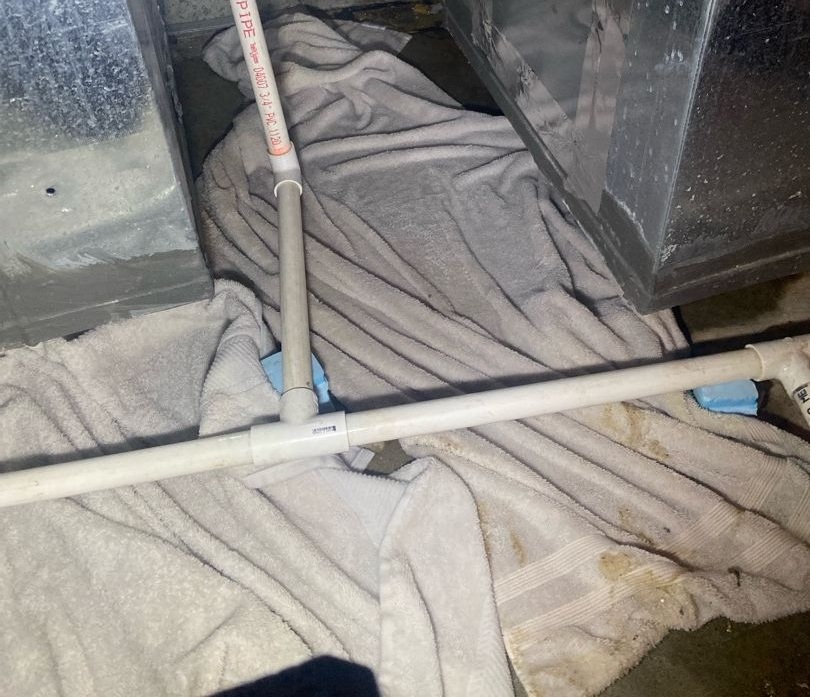
Heating and cooling systems, particularly those located in basements or crawl spaces, can develop leaks in condensate lines, drainage systems, or the units themselves. These leaks often go unnoticed until significant water has accumulated.
Plumbing Failures
Supply line leaks, drain backups, and fixture failures represent a significant portion of water damage claims. In older Fountainville homes, aging galvanized pipes or outdated plumbing connections may be more susceptible to failure.
Appliance Malfunctions
Water heaters, washing machines, and dishwashers all have the potential to cause significant water damage when they malfunction or when their supply lines fail.
Foundation and Grading Issues
While not always dramatic, chronic moisture intrusion through foundations or from improper grading around homes can cause cumulative damage over time.
The Mold Factor: Why Thorough Drying Matters
Mold growth following water damage is a serious concern for Fountainville homeowners. Pennsylvania’s humid summers create conditions where mold can establish quickly in moisture-damaged areas. Once mold colonizes building materials, remediation becomes more complex and expensive than the original water mitigation.
Professional mitigation aims to prevent mold growth by thoroughly drying affected areas within the critical first 48-72 hours. This is why speed matters not just in removing water, but in establishing drying conditions that make mold growth impossible.
Working with Insurance: What Fountainville Homeowners Should Know
Most homeowners insurance policies cover sudden and accidental water damage, though coverage can vary based on the source of the water. Understanding your policy before an emergency occurs can prevent surprises when you file a claim.
Key points about insurance and water mitigation:
- Document everything with photos and video before any cleanup begins
- Report claims promptly; most policies require timely notification
- Understand the difference between covered water damage and flood damage (which requires separate flood insurance)
- Review your policy’s sublimits for items like mold remediation or water backup coverage
- Keep all receipts for emergency expenses you incur to prevent additional damage
Choosing a Water Mitigation Company in Bucks County
When water damage strikes, choosing the right restoration company matters. Look for:
- IICRC (Institute of Inspection, Cleaning and Restoration Certification) certification
- 24/7 emergency response capability
- Experience working with major insurance carriers
- Local presence and knowledge of Bucks County building practices
- Proper licensing and insurance
- Modern equipment and established protocols
Prevention: Protecting Your Fountainville Home
While not all water damage is preventable, homeowners can take steps to reduce risk:
- Have HVAC systems professionally serviced annually
- Inspect washing machine hoses and replace them every five years
- Know where your main water shutoff is located
- Install water leak detection devices in high-risk areas
- Maintain proper grading around your foundation
- Keep gutters and downspouts clear and directing water away from your home
- Consider a sump pump if your basement is prone to moisture issues
The Value of Professional Mitigation
Some homeowners question whether professional water mitigation is necessary, especially when the affected area seems small. However, professional services provide value that extends beyond visible cleanup:
- Industrial equipment that dries structures more thoroughly and quickly than consumer products
- Expertise in identifying hidden moisture that could cause problems later
- Proper documentation for insurance claims
- Prevention of secondary damage like mold growth
- Knowledge of building science and how water affects different materials
- Professional antimicrobial treatment
Life After Mitigation: Restoration and Recovery
Water mitigation focuses on stopping damage and drying your property. Once mitigation is complete and your home has returned to normal moisture levels, restoration work can begin. This might include:
- Replacing drywall and repainting
- Installing new flooring
- Replacing trim and baseboards
- Reinstalling fixtures that were removed for access
Many water mitigation companies also handle restoration work, providing continuity and simplifying the process for homeowners.
Conclusion
Water damage in your Fountainville home doesn’t have to become a disaster. Understanding the mitigation process, acting quickly when damage occurs, and working with qualified professionals can protect both your property and your peace of mind. While dealing with water damage is never convenient, proper mitigation prevents the far more serious problems of structural damage, mold growth, and compromised indoor air quality.
For Bucks County homeowners, being prepared means knowing who to call when water damage occurs, understanding your insurance coverage, and recognizing that professional mitigation is an investment in your home’s long-term health and value. The homes in Fountainville represent significant investments and treasured spaces for families protecting them from water damage preserves not just property value, but the comfort and security that make a house a home.