


Table of Contents
Why Do Pipes Burst? Understanding the Causes and Prevention
Understanding the reasons behind pipe bursts is crucial for property owners, as they can lead to significant water damage, costly repairs, and endless headaches. But what exactly causes water pipes to burst, and what can you do to prevent it?
In this guide, we’ll explore the primary causes of burst pipes, including freezing temperatures, high water pressure, corrosion, and blockages, along with actionable tips to help protect your home.
Common Causes of Burst Pipe
Freezing Temperatures: The Leading Culprit to Bursts Pipes
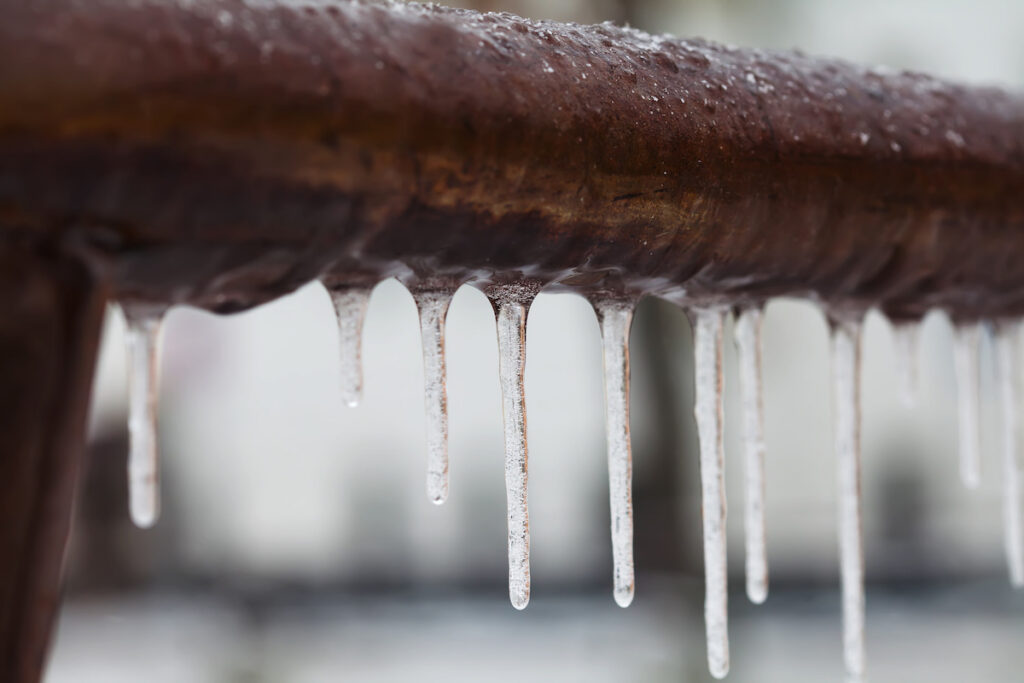
Freezing weather is the most common cause of burst pipes. As water freezes, it expands, creating immense pressure inside the pipe. This can cause the pipe to crack or even rupture. However, freezing isn’t the only cause of pipe bursts—other factors, such as high-water pressure, corrosion, and blockages, can also contribute.
The Science Behind Frozen Pipes
When temperatures drop below freezing, the water in pipes turns to ice and expands. Since ice takes up more space than liquid water, this expansion puts tremendous pressure on the pipe walls. If the pressure becomes too great, the pipes may crack or burst, causing leaks and potential water damage.
High Water Pressure: A Hidden Threat
High water pressure can put a lot of strain on your plumbing system, making it more likely that pipes will burst. While most plumbing systems are designed to withstand certain pressure levels, excessive pressure can weaken joints, pipes, and fixtures over time, eventually leading to a rupture.
Signs of High Water Pressure:
- Noisy Pipes: Banging or knocking sounds when turning off faucets.
- Leaky Fixtures: Dripping faucets or leaking pipes could indicate excessive pressure.
- Increased Wear on Appliances: Dishwashers and washing machines may wear out more quickly than usual.
Regularly check the water pressure with a pressure gauge and install a regulator to ensure it’s within a safe range (typically between 40 and 60 psi).
Pipe Corrosion: The Silent Deterioration
Corrosion is a natural process that occurs when metal pipes react with minerals or chemicals in water. Over time, this weakens the pipe walls, making them more vulnerable to bursting. Factors like water quality, pipe age, and material contribute to corrosion.
Hard water, which contains high levels of minerals, can accelerate corrosion. Older pipes or pipes made from materials like galvanized iron or steel are also more prone to corrosion.
Pipe Corrosion: An Invisible Enemy

Clogs: More Than Just a Nuisance
Blockages in pipes can also lead to bursts. When a clog forms, water flow is restricted, causing pressure to build up behind the blockage. If the pressure becomes too high, pipes can burst.
Common Causes of Clogs:
- Debris: Hair, grease, and soap scum can accumulate and block pipes.
- Tree Roots: Roots from nearby trees can invade and obstruct pipes.
- Mineral Deposits: Hard water can leave mineral deposits that gradually narrow pipe openings.

Tree roots can invade nearby and clog pipes.
Preventing Burst Pipes: Proactive Measures
Taking preventive measures can help you avoid the inconvenience and expense of a burst pipe. Here are some steps you can take to protect your home:
1. Insulate Your Pipes
Insulating exposed pipes is one of the most effective ways to prevent freezing. Use foam pipe insulation or heat tape, especially in unheated spaces like basements, attics, and crawl spaces.
2. Monitor Water Pressure
Install a pressure regulator and check your water pressure regularly to ensure it’s within a safe range. Keeping the pressure between 40 and 60 psi can help avoid undue strain on your pipes.
3. Conduct Regular Inspections
Regularly inspect your plumbing for signs of leaks, corrosion, or wear. Replace any old or damaged pipes before they become a problem. If you notice unusual symptoms like discolored water or reduced water flow, call a professional plumber for an inspection.
4. Drain Outdoor Faucets
Before the weather turns cold, disconnect hoses and drain outdoor faucets to prevent water from freezing and causing damage.
5. Maintain a Steady Temperature
In colder months, keep your home at a consistent temperature, even when you’re away. Set your thermostat to at least 55°F to prevent pipes from freezing.
What to Do After Pipes Bursts
If a pipe does burst, acting quickly can minimize water damage and repair costs. Here’s what you should do immediately:
- Shut Off the Water: Locate the main water shut-off valve and turn it off to stop the flow of water.
- Drain the System: Open all faucets and flush toilets to remove any remaining water from the pipes.
- Call a Professional: Contact a licensed plumber and a water damage restoration expert to assess and repair the damage.
- Remove Standing Water: Use mops, towels, or wet/dry vacuums to remove water and prevent further damage. Water remediation specialists may use high-tech equipment to thoroughly dry the area.
- Document the Damage: Take photos for insurance purposes to ensure your claim is processed.
Prevent Mold and Mildew
Once the water is removed, it’s critical to dry the area as quickly as possible to prevent mold growth. Use fans, dehumidifiers, and open windows to promote airflow and speed up drying. In many cases, it’s best to call a water damage restoration expert for thorough drying.
Need Help with Water Damage? Contact PuroClean!
If water damage from a burst pipe is more than you can handle, don’t hesitate to contact PuroClean. Our licensed professionals are trained to quickly assess and restore your property, minimizing damage and returning your home to its pre-loss condition.
Why Choose PuroClean of Lansdale for Your Burst Pipes and Mold Remediation Needs in Lansdale?
When faced with water damage and potential mold growth, choosing the right restoration company is crucial. Here’s why Puroclean of Lansdale stands out as your trusted partner in the Montgomery County, including Lansdale, Skippack, Norristown, and Ardmore:
- Local Expertise: We are a locally owned and operated company with extensive experience serving MontgomeryCounty and surrounding areas. We understand the unique challenges associated with water damage in our region, from seasonal weather patterns to specific building materials commonly used in our communities.
- Fast Response & 24/7 Availability: Water damage emergencies don’t wait for convenient hours. We offer 24/7 emergency response to minimize further damage and get the restoration process started swiftly. Our prompt response time ensures your property suffers less and recovers faster.
- Highly Trained & Certified Technicians: Our team comprises certified and highly trained water damage restoration technicians. They possess the necessary skills and knowledge to assess the situation effectively, develop a customized remediation plan, and execute the job efficiently and safely.
- Advanced Equipment & Technology: We invest in cutting-edge technology and equipment to ensure a thorough and efficient remediation process. This includes advanced drying equipment, industrial-grade dehumidifiers, and state-of-the-art mold detection tools.
- Insurance Navigation & Hassle-Free Claims: We understand the complexities of insurance claims. Our team will work directly with your insurance company to streamline the claims process and ensure you receive the maximum coverage for your restoration needs.
- Open Communication & Transparency: We believe in clear communication throughout the remediation process. Our team will keep you informed of every step, answer your questions promptly, and address any concerns you may have.
- Commitment to Customer Satisfaction: Your satisfaction is our top priority. We are dedicated to exceeding your expectations by providing exceptional service, high-quality workmanship, and a commitment to restoring your property to its pre-damage condition.
Protect Your Investment & Restore Your Peace of Mind
Don’t let water damage and potential mold growth overwhelm you. Contact PuroClean of Lansdale today at (267) 834-5900 for a free consultation. We’ll be there to guide you through the restoration process and ensure your property is restored quickly, safely, and efficiently.