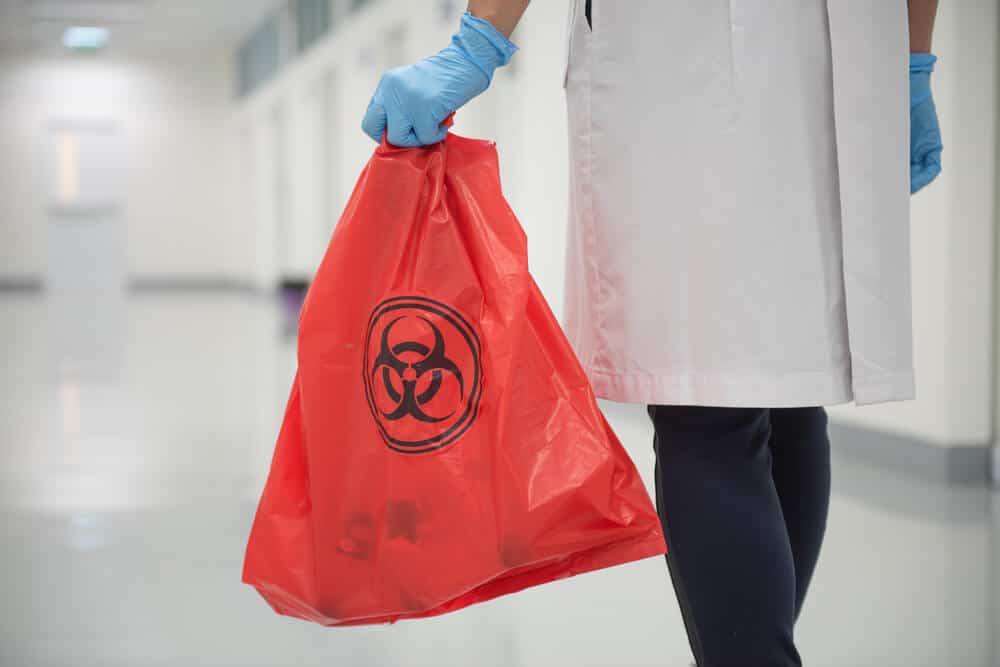
Biohazard waste cleaning is a critical service that ensures public health and environmental safety. Whether it’s a crime scene, medical waste, or hazardous material spill, proper cleanup is essential to prevent contamination and health risks. Scottsdale, AZ, with its vibrant community and growing population, needs effective biohazard waste cleaning services to maintain safety and hygiene.
Definition of Biohazard Waste
Biohazard waste, also known as biomedical or infectious waste, includes any waste that contains infectious materials or potentially infectious substances such as blood. It also encompasses waste from laboratories, medical procedures, and even certain household items that have been exposed to biohazards.
Types of Biohazard Waste
Biohazard waste can be classified into several categories:
- Sharps: Needles, scalpels, and other sharp objects.
- Infectious Waste: Waste contaminated with blood and other bodily fluids.
- Pathological Waste: Human tissues, organs, and body parts.
- Chemical Waste: Discarded chemicals from medical processes.
- Pharmaceutical Waste: Unused or expired medications.
Risks Associated with Biohazard Waste
Health Risks
Exposure to biohazard waste can lead to serious health issues, including infections, diseases, and allergic reactions. Pathogens such as HIV, hepatitis B and C, and various bacteria can be transmitted through improper handling of biohazard waste.
Environmental Risks
Improper disposal of biohazard waste can lead to environmental contamination, affecting soil, water, and air quality. This can result in the spread of diseases among animals and plants, disrupting ecosystems and posing long-term environmental hazards.
Regulations and Standards
Federal Regulations
The handling and disposal of biohazard waste are regulated by several federal agencies, including the Environmental Protection Agency (EPA) and the Occupational Safety and Health Administration (OSHA). These regulations set standards for the safe management of biohazardous materials to protect public health and the environment.
State-Specific Regulations in Arizona
Arizona has its own set of regulations that complement federal guidelines. These regulations are enforced by the Arizona Department of Environmental Quality (ADEQ) and the Arizona Department of Health Services (ADHS), ensuring that biohazard waste is managed safely and effectively.
Local Guidelines in Scottsdale
Scottsdale follows state and federal regulations while also implementing local guidelines to address specific community needs. This includes stringent waste management protocols and regular inspections to ensure compliance.
Biohazard Waste Cleaning Process
Initial Assessment
The first step in biohazard waste cleaning is a thorough assessment of the affected area. This involves identifying the type and extent of contamination, which helps in planning the cleanup process.
Containment Procedures
Containment is crucial to prevent the spread of contaminants. This involves isolating the affected area using barriers and sealing off ventilation systems to avoid airborne transmission of pathogens.
Cleaning and Disinfection
The cleaning process involves removing all traces of biohazard waste and disinfecting the area with specialized cleaning agents. This step ensures that all pathogens are eliminated, and the area is safe for occupancy.
Disposal of Biohazard Waste
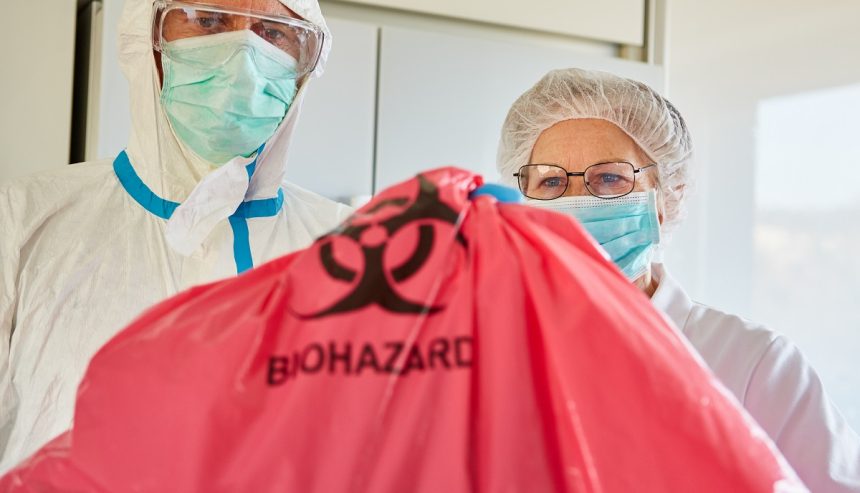
Proper disposal is a critical component of biohazard waste cleaning. Waste is typically collected in specially marked containers and transported to a licensed disposal facility where it is treated and disposed of according to regulatory guidelines.
Essential Equipment for Biohazard Cleaning
Personal Protective Equipment (PPE)
Technicians must wear appropriate PPE, including gloves, masks, gowns, and eye protection, to safeguard against exposure to biohazardous materials.
Cleaning Agents and Disinfectants
Effective biohazard cleaning requires the use of EPA-approved disinfectants that are capable of killing a wide range of pathogens. These cleaning agents must be used according to manufacturer instructions to ensure efficacy.
Specialized Tools and Machinery
Tools such as HEPA vacuums, steam cleaners, and specialized waste disposal units are essential for thorough biohazard cleanup. These tools help in effectively removing contaminants and ensuring a clean and safe environment.
Training and Certification for Technicians
Required Training Programs
Technicians must undergo extensive training to handle biohazard waste safely. This includes courses on pathogen handling, decontamination procedures, and the use of protective equipment.
Certification Bodies
Certification from recognized bodies such as the American Bio-Recovery Association (ABRA) ensures that technicians are qualified and adhere to industry standards.
Case Study: Successful Biohazard Cleanup in Scottsdale
Background of the Case
A recent case in Scottsdale involved the cleanup of a commercial property contaminated with biohazard waste. The property had been exposed to hazardous chemicals and biological waste, posing significant health risks.
Steps Taken
The cleanup process included a detailed assessment, containment of the affected areas, thorough cleaning and disinfection, and safe disposal of the waste. Advanced tools and equipment were used to ensure complete decontamination.
Outcome and Lessons Learned
The property was restored to a safe and usable condition, and the client was satisfied with the thoroughness and professionalism of the cleaning service. This case highlighted the importance of choosing a qualified biohazard cleaning service and following strict protocols.
Preventive Measures and Best Practices
Regular Training and Drills
Regular training sessions and emergency drills are essential to prepare for potential biohazard incidents. This ensures that staff are familiar with protocols and can respond effectively.
Proper Waste Segregation
Segregating biohazard waste from other types of waste is crucial to prevent cross-contamination. Clearly marked containers and strict waste management practices help in maintaining safety.
Community Awareness Programs
Educating the community about the risks of biohazard waste and the importance of proper disposal can help in preventing incidents and promoting a safe environment.
Technological Advancements in Biohazard Cleaning
Innovative Cleaning Solutions
New cleaning solutions, including enzymatic cleaners and advanced disinfectants, are being developed to enhance the effectiveness of biohazard cleanup.
Use of Robotics and AI
Robotics and AI are increasingly being used in biohazard cleaning to improve precision and reduce human exposure to dangerous materials. These technologies can automate repetitive tasks and ensure thorough cleaning.
Cost Considerations
Factors Influencing Cost
The cost of biohazard waste cleaning can vary based on factors such as the extent of contamination, the type of waste, and the complexity of the cleanup process. Additional costs may include disposal fees and the use of specialized equipment.
Budgeting for Biohazard Cleanup
Budgeting for biohazard cleanup involves estimating potential costs and setting aside funds for emergencies. Insurance coverage can also help in managing these expenses.
Insurance and Liability
Coverage Options
Insurance policies can cover biohazard cleanup costs, reducing the financial burden on property owners. It’s essential to review your insurance policy to understand what is covered and consider additional coverage if necessary.
Legal Considerations
Biohazard waste cleanup must comply with legal requirements to avoid penalties and liability. Ensuring that your chosen service adheres to all regulations is crucial for protecting your property and health.
Environmental Impact and Sustainability
Eco-Friendly Cleaning Products
Using eco-friendly cleaning products can minimize the environmental impact of biohazard waste cleaning. These products are effective in eliminating pathogens while being safe for the environment.
Sustainable Disposal Methods
Sustainable disposal methods, such as incineration and autoclaving, ensure that biohazard waste is treated and disposed of in an environmentally responsible manner.
Conclusion
Effective biohazard waste cleaning is essential for maintaining public health and environmental safety in Scottsdale, AZ. Choosing a professional and experienced service like Puroclean Restoration Specialists ensures that biohazard cleanup is handled efficiently and in compliance with all regulations. By adhering to best practices and staying informed about technological advancements, we can ensure a safer and cleaner community.
FAQs
What is considered biohazard waste?
Biohazard waste includes any waste that contains infectious materials or potentially infectious substances, such as blood, bodily fluids, and contaminated medical equipment.
How is biohazard waste disposed of?
Biohazard waste is typically collected in specially marked containers and transported to a licensed disposal facility where it is treated and disposed of according to regulatory guidelines.
What training is required for biohazard cleanup technicians?
Technicians must undergo extensive training on pathogen handling, decontamination procedures, and the use of protective equipment. Certification from recognized bodies ensures adherence to industry standards.
How can I ensure my home or business is safe after a biohazard cleanup?
Ensuring safety involves hiring a professional biohazard cleaning service, such as Puroclean Restoration Specialists, that follows strict protocols and uses advanced cleaning techniques to eliminate all contaminants.
Are there eco-friendly options for biohazard cleaning?
Yes, eco-friendly cleaning products and sustainable disposal methods are available to minimize the environmental impact of biohazard waste cleaning.