


Table of Contents
Introduction
Fire extinguishers are essential tools for home safety, providing the first line of defense in the event of a small fire. However, many homeowners may wonder if the chemicals used in these extinguishers are safe for use inside the house. This concern is valid, as some fire extinguishing agents can be toxic or harmful if not handled properly.
In this blog, we’ll explore the different types of fire extinguisher chemicals, their safety in residential environments, and the best practices for using them in your home. By understanding the risks and benefits, you can make informed decisions to protect both your property and your health.
When disaster strikes, PuroClean Restoration Specialists is here to help you restore your life. For immediate assistance with fire damage restoration, contact PuroClean Restoration Specialists, Call (+1) (480) 767-5588.
Types of Fire Extinguishers and Their Chemicals
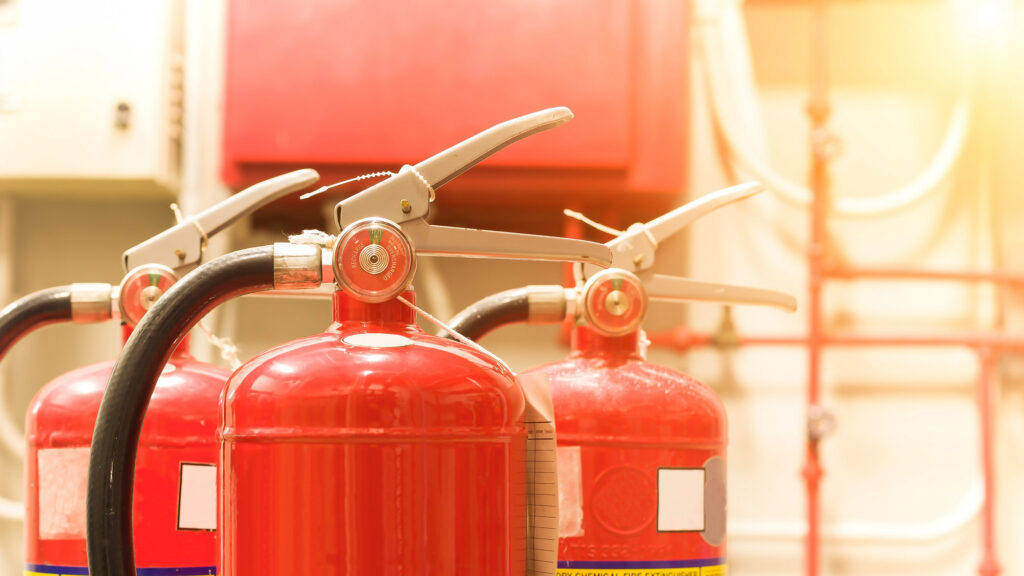
Fire extinguishers are classified into different types based on the kind of fire they are designed to combat. Each type uses a specific chemical agent to extinguish the fire. Here’s a breakdown of the most common fire extinguishers and their chemicals:
- Class A Fire Extinguishers (Water-Based)
- Usage: For fires involving ordinary combustibles like paper, wood, and cloth.
- Chemical Agent: Water or water with additives.
- Safety Consideration: Water-based extinguishers are generally safe for home use as they contain no harmful chemicals. However, they should not be used on electrical or grease fires due to the risk of electrical shock or spreading the fire.
- Class B Fire Extinguishers (Foam or CO₂)
- Usage: For fires caused by flammable liquids such as gasoline, oil, and paints.
- Chemical Agents:
- Foam: Foam forms a blanket over flammable liquids, cutting off oxygen to the fire.
- Carbon Dioxide (CO₂): CO₂ displaces oxygen, suffocating the fire.
- Safety Consideration: Foam is generally safe for home use, but it can leave behind residues that may require special cleaning. CO₂ is non-toxic, but it can displace oxygen in small spaces, posing a suffocation risk if used in confined areas without proper ventilation.
- Class C Fire Extinguishers (Dry Chemical)
- Usage: For electrical fires caused by faulty wiring, appliances, or electrical equipment.
- Chemical Agent: Monoammonium phosphate or sodium bicarbonate (baking soda).
- Safety Consideration: Dry chemical extinguishers are highly effective for home electrical fires, but they release fine powder that can be irritating if inhaled. This powder may cause respiratory discomfort and skin irritation, so it’s essential to ventilate the area and clean up thoroughly after use.
- Class D Fire Extinguishers (Dry Powder)
- Usage: For fires involving combustible metals like magnesium, potassium, and sodium.
- Chemical Agent: Sodium chloride (table salt) or other dry powders.
- Safety Consideration: Class D extinguishers are generally not used in residential homes, as metal fires are rare in this setting. However, if needed, the chemicals used are generally not toxic but can cause irritation if inhaled or come into contact with the skin.
- Class K Fire Extinguishers (Wet Chemical)
Safety Consideration: Wet chemical extinguishers are primarily used in commercial kitchens, but they are increasingly popular in home kitchens due to their effectiveness against grease fires. These chemicals are safe for home use, though contact with skin or eyes can cause irritation. Cleanup is necessary, as the chemicals may leave a residue.
Usage: For fires caused by cooking oils and fats, often found in commercial kitchens.
Chemical Agent: Potassium acetate, potassium carbonate, or potassium citrate.
Health Risks and Safety of Fire Extinguisher Chemicals
While fire extinguishers are designed to save lives and property, the chemicals they release can have health implications if not handled correctly. Let’s explore the potential risks associated with some of these chemicals:
1. Inhalation Hazards
- Dry Chemical Extinguishers: The fine powders released by these extinguishers, such as monoammonium phosphate, can become airborne, leading to respiratory issues if inhaled. Symptoms may include coughing, shortness of breath, or throat irritation.
- CO₂ Extinguishers: Although carbon dioxide is not toxic, it displaces oxygen in the air. In poorly ventilated spaces, the use of CO₂ extinguishers can lead to oxygen deprivation, causing dizziness, fainting, or in extreme cases, asphyxiation.
2. Skin and Eye Irritation
- Dry Chemical Powders: Contact with monoammonium phosphate, sodium bicarbonate, or potassium bicarbonate can cause skin irritation, redness, or itching. If these chemicals get into the eyes, they can cause stinging, redness, or blurred vision.
- Wet Chemicals: The potassium-based agents used in Class K extinguishers can cause mild to moderate skin and eye irritation. Wearing gloves and eye protection when cleaning up after using a wet chemical extinguisher is recommended.
3. Environmental Impact
- Some fire extinguisher chemicals, particularly those used in older models, can have negative environmental impacts. For example, halon extinguishers, which were once popular for electrical fires, are now banned in many countries due to their ozone-depleting properties. Newer models use more environmentally friendly agents, but it’s still important to dispose of used fire extinguishers properly.
Best Practices for Safe Use of Fire Extinguishers in the Home
To minimize health risks and ensure safe use of fire extinguishers, follow these best practices:
1. Know the Right Extinguisher for the Fire
- Class A Extinguishers: Use for paper, wood, or fabric fires.
- Class B Extinguishers: Use for fires involving flammable liquids like oil or gasoline.
- Class C Extinguishers: Use for electrical fires.
- Class K Extinguishers: Use for grease and cooking fires.
Ensure that you have the appropriate type of fire extinguisher for your home’s specific fire risks, particularly in the kitchen, garage, and near electrical appliances.
2. Ventilate the Area After Use
After using a fire extinguisher, ensure that the area is well-ventilated, especially if you’ve used a dry chemical or CO₂ extinguisher. Open windows and doors to allow fresh air to circulate, which will help disperse any airborne chemicals and prevent respiratory issues.
3. Clean Up After Extinguishing the Fire
Proper cleanup is essential after using a fire extinguisher to avoid prolonged exposure to chemicals. Dry chemical residue can be vacuumed up using a HEPA filter vacuum cleaner, and any remaining dust should be wiped down with a damp cloth. Wet chemicals can be cleaned using mild soap and water, but be sure to wear protective gloves to prevent skin irritation.
4. Avoid Direct Skin Contact
If possible, wear gloves and eye protection when using or cleaning up after a fire extinguisher. This minimizes the risk of skin and eye irritation, particularly with dry chemical and wet chemical extinguishers.
5. Replace or Recharge After Use
Fire extinguishers are often single-use tools. After using one, even partially, replace or recharge it as soon as possible. A partially discharged extinguisher may not function properly the next time you need it.