 PuroClean Restoration Specialists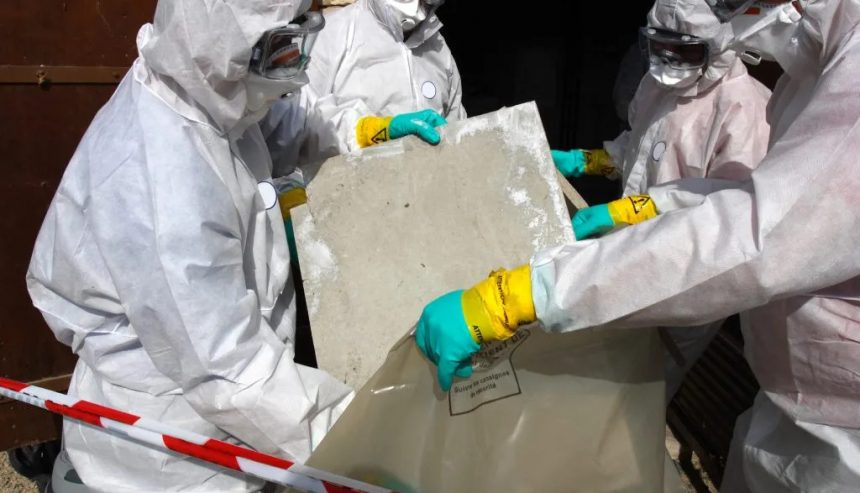
Table of Contents
Biohazard cleanup is a critical process when your property faces exposure to dangerous biological materials. Whether it’s blood, bodily fluids, or contaminated water, understanding how to handle these situations is vital for safety. Similarly, Category 3 water loss, also known as black water damage, involves highly contaminated water that can cause serious health hazards. Knowing the differences between these two types of hazards is key to protecting yourself, your family, and your property.
What is Biohazard Cleanup?
Definition and Scope
Biohazard cleanup involves the safe removal and decontamination of materials contaminated with biological hazards. This includes blood, human waste, bodily fluids, and other potentially infectious materials. The primary goal is to eliminate pathogens and prevent exposure.
Common Situations Requiring Biohazard Cleanup
Some situations that often require professional biohazard cleanup include:
- Crime or accident scenes
- Trauma or medical emergencies
- Hoarding with decaying organic material
- Sewage backups containing pathogens
Health Risks Involved
Exposure to biohazardous materials can result in serious health problems such as:
- Bloodborne infections (HIV, Hepatitis B/C)
- Respiratory infections
- Skin infections or irritations
Understanding Category 3 Water Loss
Definition and Classification
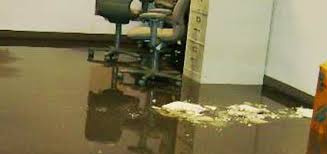
Category 3 water loss refers to water contaminated with harmful substances like sewage, chemical waste, or other toxins. It’s the most severe form of water damage and poses a high health risk.
Common Causes of Category 3 Loss
- Sewage backups
- Floods from rivers, lakes, or stormwater
- Water intrusion mixed with chemicals or bio-contaminants
Health and Safety Hazards
Contact with Category 3 water can cause:
- Gastrointestinal infections
- Skin rashes and infections
- Serious illnesses due to bacterial, viral, or chemical contaminants
Key Differences Between Biohazard Cleanup and Category 3 Loss
Nature of Contaminants
- Biohazard Cleanup: Focuses on biological pathogens and infectious materials.
- Category 3 Loss: Includes a mix of pathogens, chemical contaminants, and potentially toxic substances.
Safety Measures and Equipment
- Biohazard: Requires full PPE, disinfectants, and containment tools.
- Category 3: Focuses on water extraction, drying equipment, and antimicrobial treatments.
Cleanup Procedures
- Biohazard: Decontamination, surface disinfection, and proper waste disposal.
- Category 3: Water removal, drying, dehumidification, and mold prevention.
Regulatory Guidelines
- Biohazard Cleanup: Follows OSHA, CDC, and local biohazard regulations.
- Category 3 Loss: Adheres to IICRC standards for water restoration and mold prevention.
Handling Biohazard Cleanup Safely
Personal Protective Equipment (PPE)
- Gloves and boots resistant to pathogens
- Respirators or face masks
- Full-body protective suits
Decontamination Steps
- Thorough cleaning of all surfaces
- Use of hospital-grade disinfectants
- Containment of contaminated areas
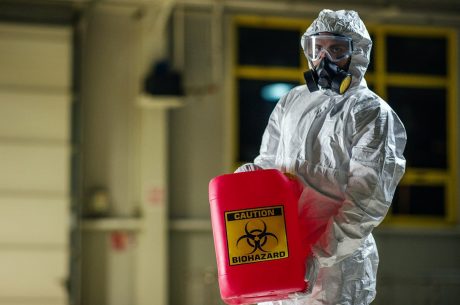
Disposal of Biohazard Materials
- Properly bag and label waste as biohazard
- Follow federal and local regulations for disposal
Handling Category 3 Water Loss Safely
Immediate Actions
- Evacuate the area if necessary
- Avoid contact with contaminated water
- Shut off electricity to prevent electrocution
Drying and Dehumidification
- Use industrial water extractors
- Deploy dehumidifiers and fans
- Monitor moisture levels continuously
Preventing Mold and Secondary Damage
- Remove wet materials promptly
- Apply antimicrobial treatments
- Ensure proper ventilation
Professional Cleanup vs DIY Approach
Risks of DIY Cleanup
- Exposure to dangerous pathogens
- Risk of mold growth and secondary damage
- Potential legal or safety violations
Advantages of Hiring Professionals
- Trained staff handle hazards safely
- Access to specialized equipment
- Easier insurance claims processing
Cost Considerations
Factors Affecting Cleanup Costs
- Severity of contamination
- Size of affected area
- Equipment and labor required
- Waste disposal regulations
Insurance Coverage
Many insurance policies cover biohazard and Category 3 water damage cleanup, but proper documentation and professional involvement are essential for successful claims.
Conclusion
Biohazard cleanup and Category 3 water loss require careful handling to protect health and property. Biohazard situations focus on pathogen removal, while Category 3 emphasizes water extraction and contamination control. Hiring professional restoration experts ensures safety, compliance, and peace of mind. When in doubt, always call trained specialists rather than risking DIY exposure.
FAQs
Q1: Can I handle biohazard cleanup myself?
DIY cleanup is dangerous and not recommended due to high exposure risk. Professionals have the equipment and expertise to handle it safely.
Q2: What PPE is essential for biohazard cleanup?
Gloves, boots, respirators, and full-body protective suits are critical depending on contamination level.
Q3: How fast should Category 3 water be addressed?
Immediate action—ideally within 24–48 hours—is crucial to prevent mold growth and further damage.
Q4: Are these cleanups covered by insurance?
Many policies cover biohazard and Category 3 cleanup, but always confirm coverage and document damage.
Q5: What are the health risks of improper cleanup?
Exposure can lead to infections, respiratory issues, skin irritations, and long-term health complications.

 PuroClean Restoration Specialists