 PuroClean Restoration Specialists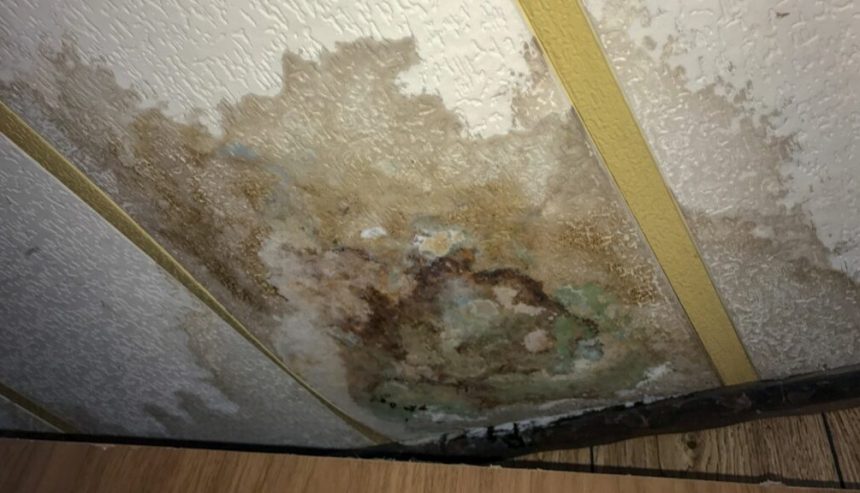
Table of Contents
Water damage can be a homeowner’s worst nightmare, and for residents in Scottsdale, Arizona, the risk of water-related issues is often underestimated. From sudden summer storms to plumbing mishaps, the consequences of water damage can be severe. However, not all water damage is the same. It is essential to understand that water damage can be classified into different categories, each with unique characteristics and risks. Knowing these categories is crucial for proper treatment, minimizing damage, and ensuring the safety of everyone involved.
Briefly Explain What Water Damage Is
Water damage occurs when excess water infiltrates a building or structure, leading to harm to the materials and surfaces it contacts. The water could be from a burst pipe, a leaking roof, or even flooding caused by storms. In Scottsdale, where rainfall is sparse but sudden monsoons can bring heavy downpours, homeowners are particularly vulnerable to water-related damage. Depending on the type of water and the duration of exposure, water damage can cause structural issues, mold growth, and pose health risks.
Highlight Why Classification Into Categories is Essential
Water damage is not a one-size-fits-all issue. By classifying the damage into specific categories, restoration professionals in Scottsdale can determine the most effective methods for cleanup and restoration. The classification helps gauge the severity of contamination and risks, allowing for better decision-making in terms of safety, remediation processes, and timelines. Scottsdale’s climate, with its unique mix of dry heat and intense monsoon rains, requires careful attention to the specific type of water damage that has occurred.
Category 1: Clean Water Damage
Origin: Broken pipes, rainwater, supply lines.
Characteristics: Clean water damage originates from uncontaminated sources such as broken pipes, rainwater, or supply lines. This water is considered safe for humans initially, as it doesn’t contain harmful pathogens or contaminants. However, in Scottsdale, water from broken pipes or rainwater entering the home during a storm can quickly escalate if not addressed right away.
Risks: While clean water damage starts off non-threatening, it can become hazardous over time if left untreated. If the water is allowed to sit for an extended period, it can absorb contaminants from the environment, turning it into gray or black water. In the dry Arizona climate, water from leaks can quickly evaporate and become a breeding ground for mold and mildew, making prompt attention necessary.
Category 2: Gray Water Damage
Origin: Washing machines, dishwashers, sump pump failures.
Characteristics: Gray water comes from household appliances such as washing machines, dishwashers, or failing sump pumps. In Scottsdale, where many homes rely on irrigation systems that may fail or malfunction, gray water can also come from garden sprinklers or irrigation systems that leak. This type of water is considered contaminated, but not as dangerous as black water. It may contain soaps, oils, or dirt.
Risks: While gray water is not typically harmful right away, if left unaddressed, it can harbor bacteria and mold growth. In the hot, dry climate of Scottsdale, water damage from gray water can escalate quickly, leading to even greater contamination. The longer the gray water sits, the higher the risk of health hazards, including respiratory problems or skin infections.
Category 3: Black Water Damage
Origin: Sewage backups, flooding from rivers or oceans.
Characteristics: Black water is the most hazardous category of water damage, often originating from sources like sewage backups, flooding from rivers or oceans, or even overflows from toilets. In Scottsdale, while river flooding is not as common, black water damage can still occur in cases of sewage backups, especially after heavy rains or plumbing malfunctions.
Risks: Black water poses severe health risks because it is heavily contaminated with bacteria, pathogens, and other harmful microorganisms. Exposure to black water can result in serious infections, gastrointestinal problems, or respiratory issues. Due to the dangerous nature of black water, professional cleanup and restoration are required to ensure that all contaminated materials are properly removed, disinfected, and replaced.

Why Knowing the Categories Matters
Safety: Protects Occupants From Harmful Exposure
Understanding the category of water damage is crucial for protecting the health and safety of occupants. In Scottsdale, with its dry heat and sudden storms, the risks posed by water damage can differ greatly depending on whether the water is clean, gray, or black. Black water, in particular, presents significant health hazards that must be addressed by professionals. Knowing the category of water helps you take the proper precautions, like wearing protective gear and evacuating if necessary.
Property Value: Prevents Hidden Damage and Depreciation
Water damage can lead to costly repairs, and in Scottsdale’s competitive housing market, even minor water issues can result in significant depreciation. By properly identifying the category of water damage, homeowners can avoid hidden issues like mold growth, structural weakening, or long-term damage to electrical systems and insulation. In the dry Arizona environment, these hidden damages often go unnoticed until it’s too late, leading to higher repair costs.
Restoration Planning: Guides Professionals on Methods, Equipment, and Urgency
The type of water damage determines how it should be addressed. For clean water damage, basic drying and dehumidification may be enough. However, gray and black water require special equipment and sanitizing solutions, and often the removal of affected materials. In Scottsdale, where mold and mildew thrive in moisture-rich conditions, understanding the category of water damage helps restoration professionals act quickly and efficiently, using the correct equipment and cleaning agents.
Conclusion
In conclusion, understanding the different categories of water damage is essential, particularly in Scottsdale, where the climate and seasonal rains can make homes more vulnerable to water-related issues. Whether you’re dealing with clean, gray, or black water, each category requires different attention and care. Early identification of water damage allows homeowners to take the necessary steps to minimize damage, prevent health risks, and protect their property’s value.
Call to Action: If you experience water damage in your Scottsdale home, don’t wait—contact a professional restoration service immediately to ensure the proper cleanup and restoration process. Protect your home, your health, and your investment by acting promptly.
FAQs:
- What should I do if I have water damage in my Scottsdale home?
The first step is identifying the type of water damage. If it’s clean water, you may manage it yourself, but for gray or black water, it’s best to call a professional restoration company in Scottsdale. - How can I prevent water damage in my Scottsdale home?
Regularly check your plumbing, inspect your roof for leaks, and ensure your irrigation system is functioning properly. Scottsdale’s monsoon season can bring heavy rains, so be proactive about maintenance. - Is black water dangerous to my health?
Yes, black water is highly contaminated and can cause serious health problems, including infections and gastrointestinal issues. It requires professional cleanup to ensure safety. - How long can water sit before it becomes hazardous?
The longer water sits, the higher the risk of contamination. In Scottsdale’s warm climate, standing water can quickly lead to mold growth or bacterial contamination. - Can I clean up water damage myself in Scottsdale?
If it’s clean water, you may handle it yourself, but gray and black water require professional assistance due to the health risks involved.


 PuroClean Restoration Specialists