


Costly DIY Water Damage Mistakes to Avoid Today
Table of Contents
Water damage can escalate from a small inconvenience to a major financial burden in a matter of hours. Whether it is caused by a burst pipe, appliance failure, or unexpected flooding, the actions you take immediately after discovering water damage can determine the extent of the destruction. Many homeowners attempt to handle the situation themselves, believing it will save money. However, DIY water damage mistakes often lead to higher repair costs, health risks, and long-term structural issues.
Understanding the most common DIY water damage mistakes and how to avoid them can protect your home, your finances, and your peace of mind. This guide breaks down the biggest errors homeowners make and offers expert insights on what you should do instead.
Why DIY Water Damage Can Be Risky
At first glance, water damage may seem manageable with household tools like fans, towels, and a wet vacuum. However, water intrusion is far more complex than surface-level moisture. According to the Insurance Information Institute, water damage and freezing account for nearly 30 percent of all homeowner insurance claims in the United States. The average claim can exceed thousands of dollars depending on severity.
One of the most critical DIY water damage mistakes is underestimating how far water can travel. Moisture seeps into walls, insulation, subflooring, and even electrical systems. Without professional equipment and expertise, it is nearly impossible to fully assess and remediate the damage.
The Most Common DIY Water Damage Mistakes
Ignoring the Source of the Water
One of the biggest DIY water damage mistakes is failing to stop the source of the problem before beginning cleanup. Whether it is a leaking pipe or roof damage, ignoring the root cause allows water to continue spreading.
What to Do Instead
Locate and shut off the water supply immediately. If the source is not obvious, it is best to contact a professional who can quickly identify and resolve the issue.
Delaying the Cleanup Process
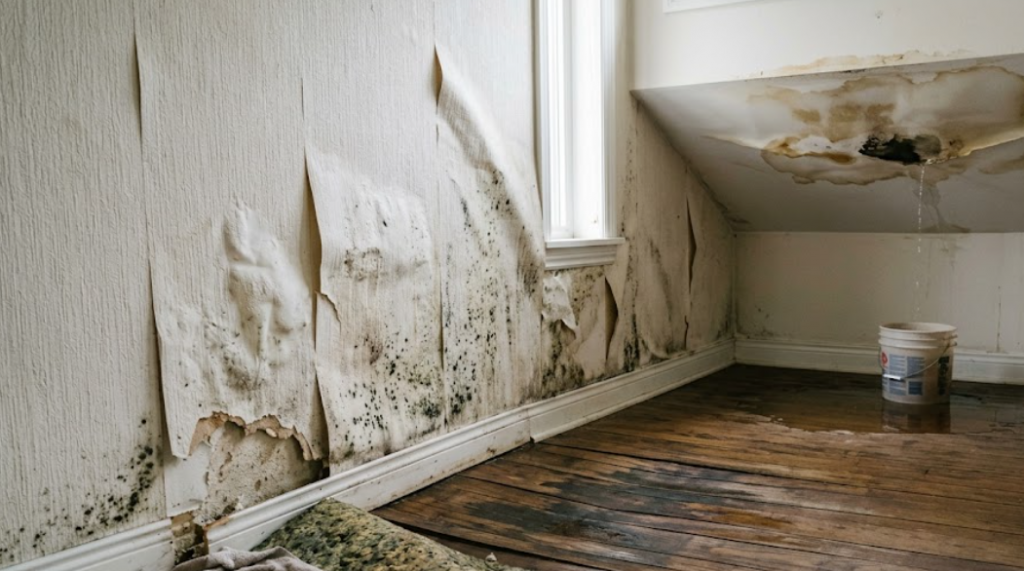
Time is critical when dealing with water damage. Mold can begin to grow within 24 to 48 hours. Delaying cleanup is one of the most dangerous DIY water damage mistakes because it increases the risk of contamination and structural deterioration.
What to Do Instead
Act immediately. Remove standing water and begin drying as soon as possible. If you cannot start within hours, professional help becomes essential.
Using Inadequate Drying Equipment
Standard household fans and dehumidifiers are not designed to handle large-scale water damage. One of the most frequent DIY water damage mistakes is relying on insufficient equipment, which leaves hidden moisture behind.
What to Do Instead
Professional-grade air movers and industrial dehumidifiers are required to thoroughly dry affected areas. Without them, moisture remains trapped and leads to mold growth.
Overlooking Hidden Moisture
Water does not stay visible. It travels behind walls, under floors, and into ceilings. Overlooking hidden moisture is a critical DIY water damage mistake that can lead to long-term damage.
What to Do Instead
Moisture detection tools such as infrared cameras and hygrometers are used by professionals to identify affected areas that are not visible to the naked eye.
Removing Materials Too Late or Too Soon
Another common DIY water damage mistake is mishandling damaged materials. Some homeowners remove materials unnecessarily, while others wait too long, allowing contamination to spread.
What to Do Instead
Materials like drywall, insulation, and carpeting need to be evaluated carefully. Professionals determine what can be restored and what must be replaced based on contamination levels and moisture exposure.
Health Risks Associated With DIY Water Damage Mistakes
Mold Growth and Air Quality Issues
Mold thrives in damp environments. One of the most dangerous DIY water damage mistakes is failing to properly dry and sanitize affected areas, leading to mold growth.
Exposure to mold can cause respiratory issues, allergic reactions, and other health problems. This is especially concerning for children, the elderly, and individuals with compromised immune systems.
Contaminated Water Exposure
Not all water damage is clean. Floodwater and sewage backups contain harmful bacteria and toxins. A serious DIY water damage mistake is attempting to clean contaminated water without proper protective equipment.
What to Do Instead
If the water source is contaminated, avoid direct contact and call professionals trained in biohazard cleanup.
Structural Damage Caused by DIY Water Damage Mistakes
Weakening of Building Materials
Water weakens wood, drywall, and other structural components. One of the hidden DIY water damage mistakes is assuming that materials are still structurally sound after drying.
Over time, weakened materials can lead to sagging ceilings, warped floors, and even collapse.
Electrical Hazards
Water and electricity are a dangerous combination. Attempting to handle water damage without shutting off power is a severe DIY water damage mistake that can result in injury or worse.
What to Do Instead
Always turn off electricity in affected areas before beginning any cleanup efforts.
Financial Impact of DIY Water Damage Mistakes
Increased Repair Costs
Many homeowners attempt DIY solutions to save money, but DIY water damage mistakes often result in higher costs. Incomplete drying, mold growth, and structural damage require more extensive repairs later.
Insurance Complications
Insurance companies may deny claims if they determine that improper mitigation efforts worsened the damage. One of the overlooked DIY water damage mistakes is failing to document the damage and the cleanup process.
What to Do Instead
Take photos, keep records, and contact your insurance provider immediately after discovering water damage.
When DIY Might Be Appropriate
Not all water damage requires professional intervention. Minor spills or small leaks that are addressed immediately can sometimes be handled without professional help.
However, even in these situations, avoiding DIY water damage mistakes is essential. Proper drying, cleaning, and monitoring are still necessary to prevent future issues.
Signs You Need Professional Help
Extensive Water Damage
If multiple rooms are affected or water has been standing for more than a few hours, DIY efforts are unlikely to be sufficient.
Persistent Odors
A musty smell indicates hidden moisture or mold. This is often the result of DIY water damage mistakes that failed to fully dry the area.
Visible Mold Growth
If you see mold, it is already a larger problem than it appears. Professional remediation is required to safely remove it.
Warped or Buckling Materials
Changes in flooring, walls, or ceilings suggest structural damage that needs expert assessment.
How Professionals Avoid DIY Water Damage Mistakes
Comprehensive Assessment
Restoration specialists conduct a thorough inspection to identify all affected areas. This eliminates the risk of overlooking hidden damage.
Advanced Equipment
Industrial-grade drying and dehumidification equipment ensure complete moisture removal.
Proper Sanitization
Professionals use antimicrobial treatments to prevent mold growth and eliminate bacteria.
Efficient Restoration Process
From water extraction to final repairs, professionals follow a structured process that minimizes damage and speeds up recovery.
Preventing Future Water Damage
Regular Maintenance
Inspect plumbing, roofing, and appliances regularly to catch issues early.
Install Water Detection Devices
Smart water sensors can alert you to leaks before they become major problems.
Know Your Shut-Off Valves
Being able to quickly shut off water can prevent significant damage.
Act Quickly
The faster you respond, the less damage occurs. Avoiding DIY water damage mistakes starts with timely action.
Final Thoughts on DIY Water Damage Mistakes
Water damage is unpredictable and often overwhelming. While the idea of handling it yourself may seem appealing, the risks associated with DIY water damage mistakes are significant. From hidden moisture and mold growth to structural damage and increased repair costs, the consequences can be far more severe than anticipated.
Taking the wrong approach can turn a manageable situation into a costly disaster. Understanding these common DIY water damage mistakes helps you make informed decisions and protect your property effectively.
Call Us
If your home or business has experienced water damage, do not take chances with DIY solutions that can make the situation worse. Trust experienced professionals who know how to handle every aspect of the restoration process safely and efficiently.
Contact PuroClean restoration specialists today at (480) 767-5588 for fast, reliable service. Their expert team is ready to help you restore your property and prevent costly damage before it escalates.