 PuroClean Restoration Specialists
Smoke damage isn’t just about the visible soot and stains—it’s a stubborn problem that can linger long after a fire is extinguished. The smell, discoloration, and hidden toxins can make a home unsafe and uncomfortable. But does smoke damage ever fully go away? The answer depends on the extent of the damage and how effectively the cleanup is handled.
In this guide, we’ll explore how smoke damage affects your home, why it can persist for months or even years, and the best ways to restore your property to its pre-damage condition.
What Is Smoke Damage?
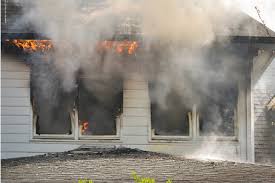
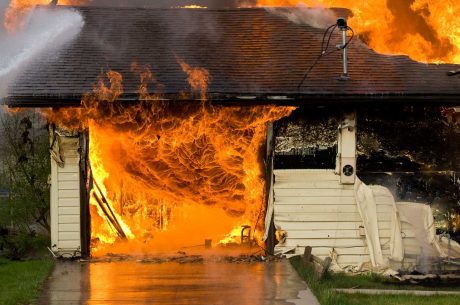
When a fire burns, it doesn’t just destroy objects—it produces harmful byproducts like soot, ash, and toxic gases that spread throughout your home. Even after the flames are gone, these byproducts can embed themselves deep into surfaces, furniture, and air ducts, leading to persistent odors and health hazards.
How Smoke Travels Through a Home
Smoke is made up of tiny particles that can infiltrate even the smallest cracks. It can move through air vents, seep into drywall, and cling to ceilings and fabrics, making it incredibly difficult to remove without professional intervention.

Why Smoke Damage Can Be Worse Than Fire Damage
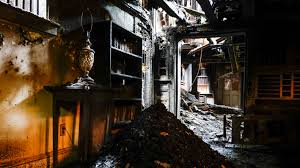
While fire destroys immediately, smoke damage lingers and continues to cause deterioration over time. If not treated properly, it can lead to permanent stains, corrosion of materials, and long-term respiratory problems for those living in the affected space.
Different Types of Smoke Damage
Not all smoke damage is the same. The type of fire determines the kind of smoke residue left behind, which affects how difficult it is to clean.
Dry Smoke Residue (From High-Temperature Fires)
This occurs when fast-burning fires, such as those fueled by wood or paper, create a fine, powdery residue. While easier to clean than wet smoke, it can still infiltrate porous materials.
Wet Smoke Residue (From Slow-Burning Fires)
Fires fueled by plastics, rubber, and synthetic materials produce thick, sticky smoke that smears when touched, making cleanup more challenging.
Protein Smoke Residue (From Kitchen Fires)
Cooking fires leave behind an invisible but pungent residue that clings to walls, ceilings, and cabinets, creating a persistent and unpleasant odor.
Fuel/Oil Smoke Residue (From Garage Fires)
These fires generate an oily, dense residue that is especially difficult to clean from surfaces like concrete, tools, and vehicle parts.
How Long Does Smoke Damage Last?
The Factors That Affect Smoke Damage Persistence
The longevity of smoke damage depends on:
- The materials affected (porous vs. non-porous)
- The severity of the fire
- The effectiveness of the cleanup process
Why Some Homes Smell Like Smoke for Years
Smoke particles are microscopic, allowing them to burrow into furniture, carpets, and drywall. If left untreated, they can continuously release odors for years.
The Hidden Dangers of Lingering Smoke Damage
Health Risks Associated with Smoke Residue
- Respiratory Issues – Smoke particles can trigger asthma, bronchitis, and other lung problems.
- Skin and Eye Irritation – Soot and smoke chemicals can cause rashes and eye discomfort.
- Toxic Exposure – Smoke residue may contain carbon monoxide, formaldehyde, and other harmful substances.
Structural and Material Degradation Over Time
Soot is acidic and can corrode metal, discolor walls, and weaken building materials. Over time, untreated smoke damage can lead to costly repairs.
How to Completely Remove Smoke Damage
Immediate Steps to Take After a Fire
- Ventilate the Space – Open windows and use fans to improve airflow.
- Remove Contaminated Items – Anything soaked with smoke should be relocated.
- Avoid Touching Soot-Covered Surfaces – This can cause permanent staining.
Professional Smoke Damage Restoration Explained
Hiring experts like Puroclean Restoration Specialists in Scottsdale, AZ, ensures thorough cleanup. The process typically includes:
- Industrial-grade chemical cleaning
- HEPA vacuuming to remove smoke particles
- Ozone and hydroxyl treatments to neutralize odors
The Role of Air Purification and Ventilation
Installing air purifiers and using dehumidifiers can help remove lingering smoke particles from the air, improving indoor air quality.
How to Prevent Long-Term Smoke Damage
Fire Prevention Tips
- Install smoke alarms and check them regularly.
- Keep flammable materials away from heat sources.
- Never leave cooking unattended.
Regular Home Maintenance and Inspections
- Clean air ducts to prevent smoke buildup.
- Inspect walls and ceilings for hidden smoke residue.
- Schedule professional cleanings after any significant smoke exposure.
Conclusion
So, does smoke damage ever go away? Yes—but only with the right approach. Smoke damage is persistent, and without professional restoration, it can continue affecting your home and health for years. To ensure complete removal, rely on experts like Puroclean Restoration Specialists to handle the cleanup and restore your property to a safe, smoke-free state.
FAQs
1. Can I remove smoke damage myself?
While minor smoke residue can be cleaned with household methods, professional restoration is necessary for severe cases.
2. How long does it take to get rid of smoke odors?
It depends on the severity of the damage. Light cases may take a few days, while extensive damage can take weeks.
3. Does insurance cover smoke damage restoration?
Most homeowners’ insurance policies cover smoke damage, but check your policy for specifics.
4. Will repainting walls remove smoke odor?
Not entirely. Without proper cleaning, smoke particles can seep through fresh paint over time.
5. What’s the best way to prevent smoke damage in the future?
Regular maintenance, installing smoke detectors, and practicing fire safety measures can help minimize the risk.
 PuroClean Restoration Specialists