


Introduction
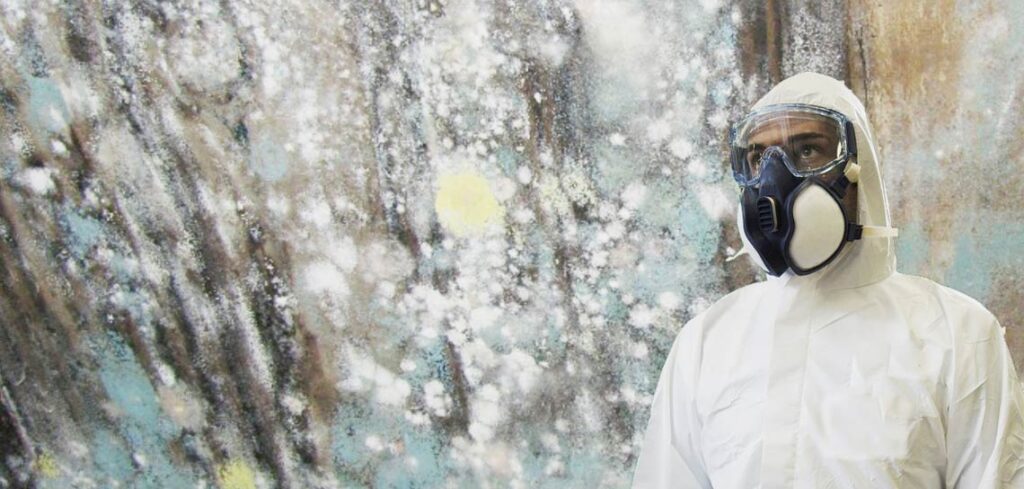
Mold is more than just an eyesore; it can be a serious health risk and a sign of underlying problems in your home or office. Addressing mold issues effectively is crucial to maintaining a safe and healthy environment. This guide will explore various methods to get rid of mold and highlight how Puroclean Restoration Specialists can assist with professional solutions.
Understanding Mold
What is Mold?
Mold is a type of fungus that thrives in damp and humid conditions. It spreads through tiny spores that are carried in the air and can settle on any surface where there is sufficient moisture. Once settled, these spores can develop into visible mold colonies.
Common Types of Mold Found Indoors
Several types of mold are commonly found indoors:
- Aspergillus: Often seen in dust and on building materials.
- Cladosporium: Grows in both warm and cool environments, commonly found on fabrics and wood.
- Stachybotrys (Black Mold): Notorious for its dark color, it thrives on high-cellulose materials like paper and drywall.
Health Risks Associated with Mold
Exposure to mold can lead to various health problems, including:
- Respiratory issues such as coughing and wheezing
- Allergic reactions like sneezing and skin rashes
- More severe effects, particularly in individuals with asthma or weakened immune systems
Identifying Mold in Your Home or Office
Signs of Mold Presence
Recognizing mold is the first step to addressing it:
- Visible Growth: Mold appears as spots or patches in various colors, including black, green, white, and yellow.
- Musty Odor: A persistent, earthy smell is often a sign of mold.
- Health Symptoms: Unexplained allergic reactions or respiratory problems among occupants can indicate mold presence.
Common Areas Where Mold Grows
Mold thrives in areas with high moisture levels, such as:
- Bathrooms and kitchens
- Basements and crawl spaces
- Around windows and roofs with leaks
- HVAC systems
How to Inspect for Mold
To check for mold:
- Visual Inspection: Look for visible signs of mold and water damage.
- Smell Test: Detect any musty odors.
- Moisture Meter: Use a moisture meter to find hidden dampness.
- Professional Inspection: For a thorough check, consider hiring professionals.
Causes of Mold Growth
Moisture and Humidity
Mold grows in high humidity and moisture. Keeping indoor humidity below 60% is crucial to prevent mold.
Poor Ventilation
Inadequate ventilation traps moisture and creates stagnant air pockets, which can promote mold growth.
Water Leaks and Flooding
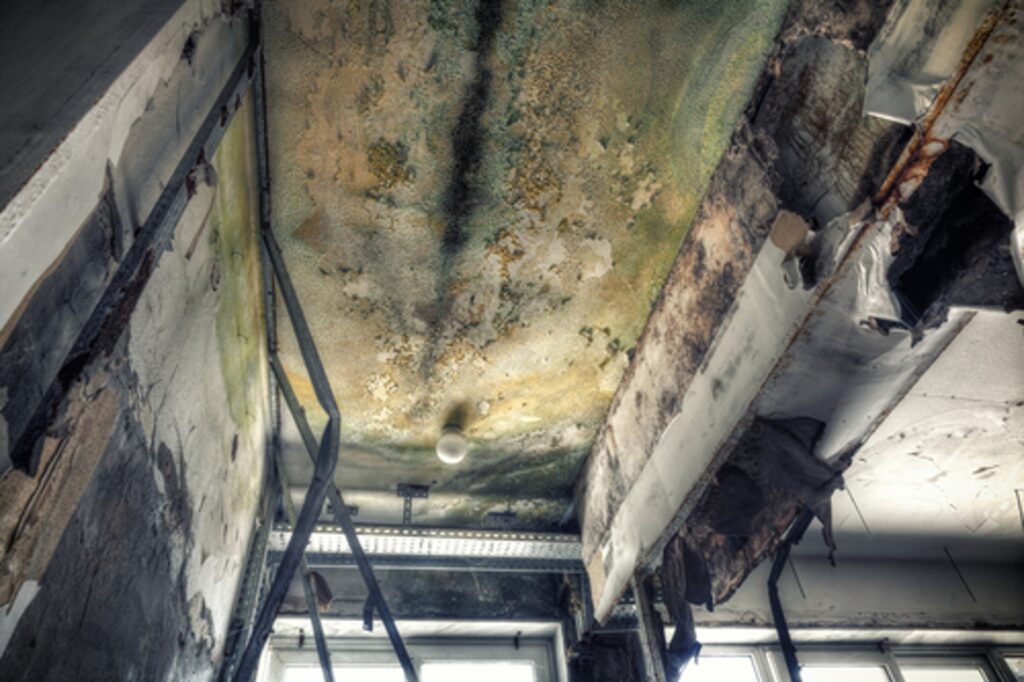
Leaks from pipes, roofs, or windows, as well as flooding, introduce excess moisture, creating a breeding ground for mold.
Preventing Mold Growth
Controlling Moisture Levels
To manage moisture:
- Use dehumidifiers to maintain humidity levels below 60%.
- Fix leaks and ensure proper drainage around your property.
- Use exhaust fans in kitchens and bathrooms to remove excess moisture.
Improving Ventilation
Enhance ventilation by:
- Ensuring your HVAC system works efficiently.
- Opening windows and doors to allow fresh air to circulate.
- Using fans to improve airflow in enclosed spaces.
Regular Maintenance and Inspections
Regularly maintain and inspect your property by:
- Checking for signs of moisture and mold growth.
- Cleaning and maintaining gutters and downspouts.
- Addressing any structural issues that could lead to water ingress.
DIY Mold Removal Methods
Safety Precautions
Before starting mold removal:
- Wear protective gear, including gloves, masks, and goggles.
- Ensure proper ventilation in the area where you are working.
- Seal off the affected area to prevent mold spores from spreading.
Using Household Cleaning Products
Effective DIY cleaning products include:
- Bleach: Mix one cup of bleach with a gallon of water and scrub the affected area for non-porous surfaces.
- Vinegar: Spray undiluted vinegar on mold and let it sit for an hour before wiping clean.
- Baking Soda: Create a paste with baking soda and water, then scrub the mold away.
Using Natural Remedies
Natural remedies for mold include:
- Tea Tree Oil: Mix one teaspoon of tea tree oil with a cup of water and spray it on the mold.
- Hydrogen Peroxide: Spray 3% hydrogen peroxide directly on the mold and let it sit for 10 minutes before scrubbing.
When to Call Professionals
Situations That Require Professional Help
Consider professional help if:
- Mold covers large areas or is widespread.
- Mold is in HVAC systems or hard-to-reach places.
- There are health issues related to mold exposure.
Benefits of Hiring Mold Remediation Experts
Professional mold remediation offers:
- Thorough inspection and assessment.
- Safe and effective mold removal.
- Prevention of future mold growth.
- Expertise and peace of mind.
Choosing the Right Mold Removal Service
When selecting a mold removal service:
- Look for certified and experienced professionals.
- Check reviews and testimonials.
- Ensure they offer a comprehensive remediation plan.
Puroclean Restoration Specialists
Overview of Services Offered
Puroclean Restoration Specialists offer a full range of services, including:
- Mold remediation
- Water damage restoration
- Fire and smoke damage restoration
- Biohazard cleanup
Why Choose Puroclean?
Reasons to choose Puroclean include:
- Experienced and certified technicians
- State-of-the-art equipment and techniques
- Fast and reliable service
- Excellent customer reviews
Success Stories and Testimonials
Puroclean has numerous satisfied clients who appreciate their prompt response, professionalism, and effective mold remediation services.
Mold Remediation Process
Initial Inspection and Assessment
The remediation process begins with:
- A detailed inspection to identify the extent of mold growth.
- Assessing the source of moisture causing the mold.
Containment and Air Filtration
Steps include:
- Creating containment barriers to prevent mold spores from spreading.
- Using HEPA air scrubbers to clean the air.
Mold Removal and Cleaning
The removal process involves:
- Removing contaminated materials.
- Cleaning and sanitizing affected areas with specialized products.
Repair and Restoration
After mold removal:
- Repair any structural damage caused by mold.
- Restore affected areas to their original condition.
Dealing with Mold After Water Damage
Immediate Steps to Take After Water Damage
After water damage:
- Remove standing water quickly.
- Dry out the area using fans and dehumidifiers.
- Dispose of water-damaged materials that cannot be salvaged.
Preventing Mold Growth Post-Flooding
To prevent mold after flooding:
- Ensure the area is completely dry before starting repairs.
- Use mold-resistant materials for rebuilding.
- Monitor humidity levels and use dehumidifiers if necessary.
Professional Water Damage Restoration
Professional services include:
- Thorough water extraction and drying.
- Preventing mold growth with proper remediation techniques.
Importance of Regular Inspections
How Often to Inspect for Mold
Inspect your property:
- At least twice a year.
- After severe weather events or leaks.
DIY Inspection Tips
DIY inspection tips:
- Look for water damage and mold growth.
- Use a moisture meter for hidden dampness.
- Pay attention to musty odors.
Professional Inspection Services
Professional inspections provide:
- Comprehensive assessments.
- Regular checks to prevent major mold issues.
Health Impacts of Mold Exposure
Common Symptoms of Mold Exposure
Symptoms of mold exposure include:
- Sneezing, coughing, and respiratory issues.
- Skin rashes and eye irritation.
- Headaches and fatigue.
Long-term Health Effects
Long-term effects can include:
- Chronic respiratory conditions.
- Compromised immune systems.
- Neurological issues in severe cases.
Vulnerable Populations
Populations particularly at risk:
- Children and elderly individuals.
- People with asthma, allergies, or weakened immune systems.
- Pregnant women.
Insurance and Mold Damage
Understanding Your Insurance Policy
Review your insurance policy to understand:
- Coverage for mold damage.
- What is included and excluded.
Filing a Claim for Mold Damage
To file a claim:
- Document the damage with photos and videos.
- Keep records of expenses related to mold remediation.
- Contact your insurance provider.
Working with Insurance Adjusters
When dealing with adjusters:
- Provide detailed information about the damage and remediation.
- Cooperate with their inspection and assessment.
- Ensure all necessary repairs are covered.
Maintaining a Mold-Free Environment
Ongoing Prevention Strategies
Ongoing strategies include:
- Controlling humidity with dehumidifiers and proper ventilation.
- Fixing leaks and addressing water issues promptly.
- Regular cleaning and inspection.
Regular Cleaning Routines
Maintain cleanliness by:
- Cleaning bathrooms and kitchens frequently.
- Using mold-inhibiting cleaners.
- Regularly checking and cleaning HVAC systems.
Monitoring Humidity Levels
To monitor humidity:
- Use a hygrometer to check indoor humidity.
- Maintain levels between 30-50%.
- Adjust ventilation and use dehumidifiers as needed.
Conclusion
Mold can pose serious health risks and cause significant damage to your home or office. By understanding how to identify, prevent, and remove mold, you can maintain a safe and healthy environment. While DIY methods can be effective for small mold problems, professional help from Puroclean Restoration Specialists ensures thorough and lasting mold remediation. Regular inspections, proper maintenance, and prompt action in case of water damage are key to keeping your property mold-free.
FAQs
- What is the best way to prevent mold in humid climates?
- Use dehumidifiers, improve ventilation, and ensure proper drainage around your property.
- Can mold come back after removal?
- Yes, mold can return if the underlying moisture problem is not addressed. Continuous monitoring and prevention are crucial.
- How long does professional mold remediation take?
- The duration depends on the extent of the mold problem, but it typically takes a few days to a week.
- Are there any DIY methods to completely eliminate mold?
- While DIY methods can be effective for small areas, professional help is recommended for thorough and safe mold removal.
- How can I improve ventilation in my home or office?
- Use exhaust fans, open windows and doors regularly, and ensure your HVAC system is functioning properly.