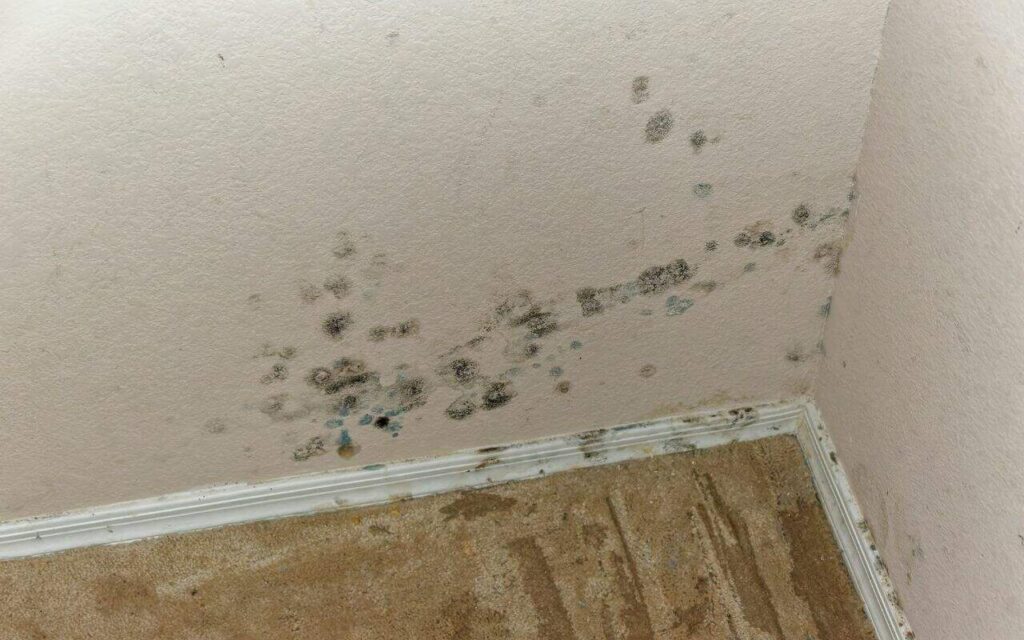
Water damage can leave a lasting musty smell in Scottsdale homes after leaks or flooding. Removing this odor is not just about comfort—it protects your health, indoor air quality, and property value. Acting quickly is essential to prevent mold growth and lingering moisture issues.
Introduction
A musty smell inside your home is a clear sign that water has invaded areas it shouldn’t. In Scottsdale homes, plumbing leaks, monsoon moisture, or water damage can leave behind stubborn odors. These smells aren’t just unpleasant—they indicate mold growth, poor indoor air quality, and potential health risks. Addressing them quickly protects your property and ensures a safe, healthy home environment.
Identify the Source of Moisture
Inspect Visible Areas
Look for water stains, bubbling paint, warped wood, soft flooring, or ceiling discoloration as clues to moisture presence.
Investigate Hidden Moisture
Moisture often hides behind walls or under floors. Using a moisture meter can detect hidden dampness that leads to recurring odors.
Professional Moisture Inspection
When in doubt, professionals with thermal imaging and specialized tools can find hidden water pockets that homeowners might miss.
Dry Affected Areas Thoroughly
Improve Natural Ventilation
Open windows and doors to improve airflow and speed up drying.
Use Fans and Dehumidifiers
High-capacity fans and dehumidifiers remove moisture from the air and surfaces quickly, preventing mold growth.
Specialized Structural Drying
Severe moisture inside carpets, drywall, or insulation may require professional equipment for complete drying.
Clean and Disinfect All Surfaces
Cleaning Hard Surfaces
Use disinfecting solutions on walls, floors, and tiles to remove bacteria and odor-causing contaminants.
Carpet and Upholstery Care
Steam cleaning or hot water extraction removes trapped moisture, bacteria, and odor from carpets and furniture fabrics.
Mold and Mildew Removal
Mold generates strong musty odors. Use proper cleaning methods and protective gear. Extensive mold infestations should be handled by professionals.
Use Odor-Absorbing Methods
Natural Odor Absorbers
Baking soda and activated charcoal are effective for absorbing odors. Place bowls in affected rooms or sprinkle baking soda on carpets before vacuuming.
Specialized Deodorizers
Commercial sprays, enzymatic cleaners, and thermal foggers neutralize odor molecules. Severe cases may require ozone treatment handled by experts.
Application Tips
Leave odor-absorbing products in enclosed spaces for several hours, then ventilate the area afterward.
Check and Clean HVAC Systems
Inspect Air Ducts
Air ducts can trap moisture, dust, and mold, recirculating musty smells throughout your home.
Replace Air Filters
Replacing dirty or damp filters improves indoor air quality and airflow.
Ensure Proper Circulation
Keep vents open and maintain HVAC inspections to prevent moisture buildup and odor recirculation.
Prevent Future Odors
Regular Plumbing Maintenance
Check pipes, water heaters, and appliances regularly to catch leaks early.
Improve Ventilation in High-Moisture Areas
Install exhaust fans in bathrooms, kitchens, and attics to reduce humidity.
Take Immediate Action After Leaks
Address leaks promptly to prevent mold growth and lingering odors.
Conclusion
Musty odors after water damage indicate moisture issues and potential mold growth. By identifying the source, drying areas thoroughly, cleaning effectively, and improving ventilation, you can restore freshness to your Scottsdale home. Persistent odors or significant damage may require professional restoration services for the best results.
FAQs
1. How long does it take to remove musty smells after water damage?
Most homes improve within a few days with proper drying and cleaning.
2. Does a musty smell always mean mold?
Yes, musty odors commonly indicate mold or mildew growth.
3. Can ventilation alone remove the odor?
Ventilation helps but will not remove odors if moisture or mold remains.
4. Why does the smell return after cleaning?
Hidden moisture or untreated mold is usually the cause.
5. Should I hire professionals for persistent odors?
Yes, especially if the smell remains after cleaning or if hidden moisture is suspected.