


Table of Contents
When a fire damages a property, the damage is often thought to be limited to what’s directly burned or consumed by the flames. However, the real story lies in the interplay of heat, smoke, and soot. These elements wreak havoc beyond the visible damage, and understanding how they impact your home is crucial for effective restoration. In Scottsdale, where wildfires can be prevalent, the science behind fire damage becomes especially critical to ensure a complete recovery.
The Effect of Heat on Materials
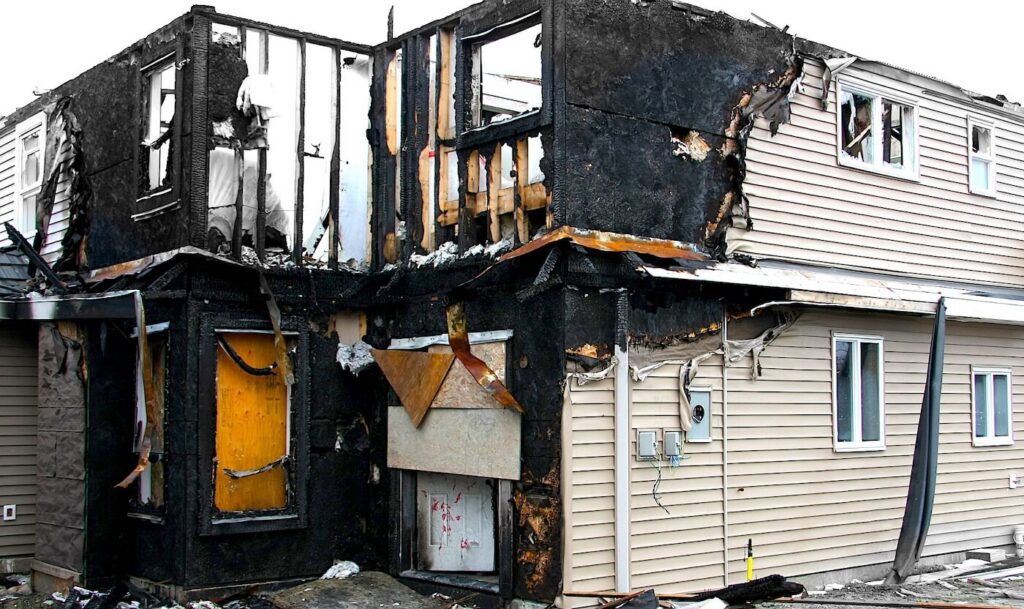
High heat is one of the primary culprits in fire damage, and its effects extend far beyond what’s visible to the naked eye. Here’s how extreme temperatures can compromise the integrity of your home:
- Metals and Structural Beams: Heat affects metals differently depending on their type. Steel, a common material in Scottsdale homes, can weaken under temperatures exceeding 1,000°F, which is often far less than the heat of a large wildfire. This weakening can lead to sagging beams, warped metal frames, or even structural collapse if not addressed properly during restoration.
- Wood, Drywall, and Insulation: The heat from a fire doesn’t just burn these materials; it can also cause them to expand and contract. Wood can warp, crack, or even ignite under intense heat. Drywall, a staple in many homes, can crack, buckle, or disintegrate, making it highly susceptible to structural failure in the aftermath of a fire. Similarly, insulation may lose its ability to retain heat or soundproof, making your home less energy-efficient after restoration.
- Ceramics and Glass: In homes with ceramic countertops, flooring, or even windowpanes, heat exposure can lead to cracks or total destruction. Ceramic materials expand under extreme temperatures, and sudden cooling (such as a fire being doused with water) can cause them to fracture or break.
In Scottsdale, where the desert climate can increase the intensity of wildfires, understanding the impact of heat on these materials helps restoration experts prioritize structural repairs to ensure the safety and durability of your home.
Smoke Penetration – The Hidden Damage Beyond the Flames
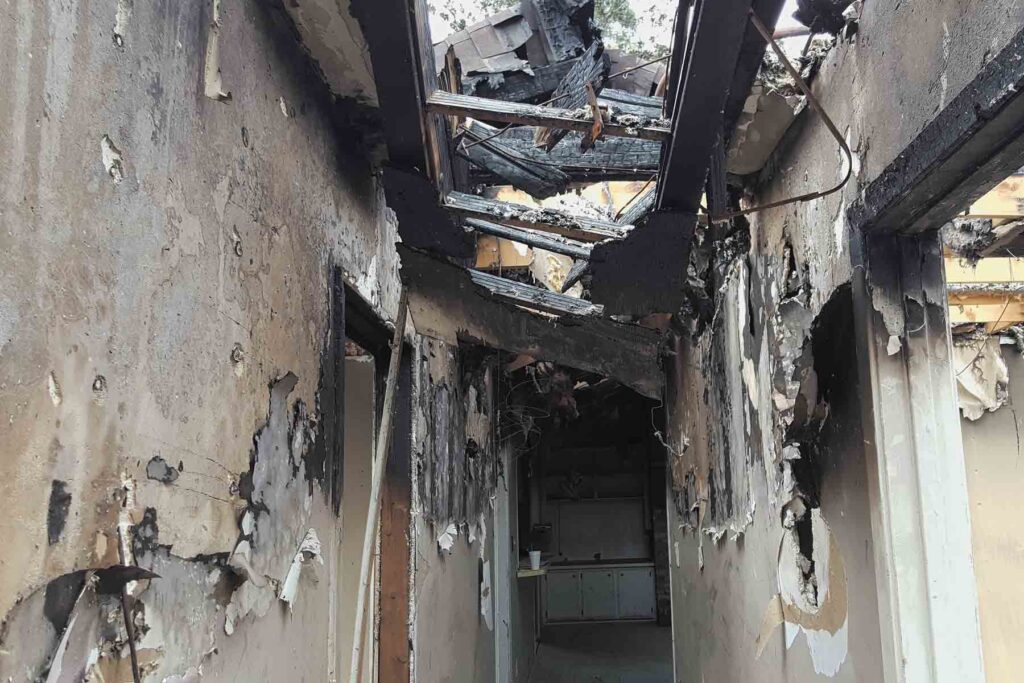
While the flames of a fire are the most obvious danger, smoke and soot often cause the most insidious and far-reaching damage. This can be particularly challenging in Scottsdale, where homes can have complex ventilation systems. Here’s how smoke penetrates your home and what it does:
- Travel Through Air Ducts and Vents: Smoke doesn’t respect walls or floors. It travels through ducts, vents, and any small opening it can find. This means that even rooms far from the source of the fire can suffer from smoke damage, which can affect furniture, walls, and even hidden items in storage areas.
- Soot Settling on Surfaces: Soot is a byproduct of incomplete combustion. As smoke cools, it condenses into fine particles that settle on surfaces, creating a black, sticky residue. In Scottsdale, where dust and allergens are already a concern, soot can cling to surfaces like a magnet, causing further cleaning challenges. It also embeds itself into fabrics, upholstery, and carpets, making deodorization extremely difficult.
- Odor Problems: One of the most persistent issues with smoke damage is the lingering smell. Unlike visible damage, the odor can remain in the home for months, affecting indoor air quality. Smoke particles penetrate fabrics and porous materials, creating an atmosphere that’s difficult to restore without specialized techniques like ozone treatments and air scrubbing.
The Impact on Plumbing – The Overlooked Risk of High Heat
When it comes to fire damage, plumbing is one of the most overlooked areas. In Scottsdale, high temperatures from fires can damage plumbing systems in ways that aren’t immediately obvious. Here’s why it matters:
- Warping and Melting of Pipes: While metals like steel are typically durable, high heat can warp or melt PVC and copper pipes commonly used in residential plumbing. In Scottsdale, where wildfires can reach intense temperatures, exposed pipes are at risk of expanding or even rupturing, leading to costly leaks after the fire is put out.
- Long-Term Corrosion: The intense heat from a fire can also contribute to the breakdown of protective coatings on pipes, leaving them more susceptible to corrosion. Over time, this corrosion can cause slow leaks, clogs, or even burst pipes that don’t become apparent until months after the restoration process.
- Water Contamination: In Scottsdale, many homes use well water or have intricate irrigation systems that can be affected by fire-damaged plumbing. If the fire causes damage to these systems, water contamination can pose serious health risks.
Soot and Its Corrosive Effects – Beyond the Surface Mess
Soot isn’t just a dirty byproduct; it’s a corrosive agent that can cause long-term damage to your home. While it might look like a simple cleanup issue, soot can be particularly harmful in Scottsdale, where metal, electronics, and appliances are commonly found in every home:
- Corrosion of Metal Surfaces: When soot settles on metal, it doesn’t just stain it; it eats away at it. The corrosive nature of soot accelerates rusting and tarnishing, which can lead to the deterioration of your home’s metal appliances, furniture, and even the HVAC system. In Scottsdale’s dry desert climate, metal structures are more prone to accelerated corrosion, especially if not properly cleaned after a fire.
- Damage to Electronics and Wiring: Soot can infiltrate electronics, causing malfunctions or complete failures. It’s a hazard to devices like televisions, computers, and kitchen appliances, which are vital to daily life. In Scottsdale, where many homeowners use electronics extensively, this can lead to significant replacement costs if not addressed quickly during the restoration process.
Restoration Challenges – Addressing Complex Fire Damage in Scottsdale Homes
Fire damage restoration is not just about cleaning and rebuilding; it’s about tackling a wide range of challenges that vary from property to property. Here are the unique hurdles in Scottsdale:
- Structural Reinforcement: Post-fire restoration isn’t just about replacing burnt materials. In Scottsdale, homes built with a combination of wood, steel, and concrete need to be carefully assessed for structural integrity. Weakening from heat requires expert knowledge of material science to reinforce load-bearing beams and walls.
- Air Quality and Deodorization: Smoke and soot compromise air quality. Restoration teams often need to install industrial-grade air scrubbers to remove harmful particles. Ozone generators or thermal fogging can be used to eliminate odors that linger long after the fire is out. This is crucial in Scottsdale, where air quality can already be affected by dry desert conditions.
- Water Damage from Extinguishing the Fire: In many cases, firefighters use water to extinguish the fire, which introduces another layer of damage. The combination of water, smoke, and soot can lead to mold growth if not dealt with promptly. In Scottsdale, where mold can be exacerbated by the hot, dry climate, this makes the restoration process even more complex.
Conclusion – Understanding the Science Behind Fire Damage
Fire damage goes beyond the obvious flames. Understanding the effects of heat, smoke, soot, and plumbing vulnerabilities can help homeowners and restoration specialists tackle the problem head-on. In Scottsdale, where wildfires are a significant concern, this knowledge is even more critical for effective recovery.
By understanding the science behind how fire affects materials, structures, and systems, homeowners can better navigate the restoration process and ensure their homes are fully restored to a safe and livable condition. Restoration is not just about cleaning – it’s about rebuilding, strengthening, and protecting your home from future disasters.
FAQs
1. How does fire damage differ in Scottsdale compared to other areas?
Scottsdale homes are often built with materials that are more susceptible to the extreme heat of wildfires. The dry desert environment also leads to a higher prevalence of dust, which can mix with soot and cause more complex cleaning challenges.
2. Can smoke damage be removed from electronics?
Smoke damage to electronics can sometimes be cleaned with specialized techniques, but often, if soot has penetrated sensitive components, the device may need to be replaced.
3. Why is soot so damaging to metal surfaces?
Soot contains corrosive chemicals that accelerate rusting and deterioration, which is especially problematic for metal surfaces exposed to high temperatures in the desert climate.
4. How do restoration companies assess plumbing damage after a fire?
Restoration companies use specialized tools to inspect plumbing systems for heat damage, leaks, and potential corrosion. This includes visual inspections and pressure tests to ensure water systems are intact.
5. How long does fire damage restoration take in Scottsdale?
The time frame varies depending on the severity of the damage, but restoration in Scottsdale often takes longer due to the challenges posed by heat exposure, smoke penetration, and structural reinforcement.